12 healthcare branding agencies for health systems, medtech and pharma
Twelve healthcare branding firms for hospitals, health tech, life sciences and medical devices, with who each one suits, what it says about price and one limitation.

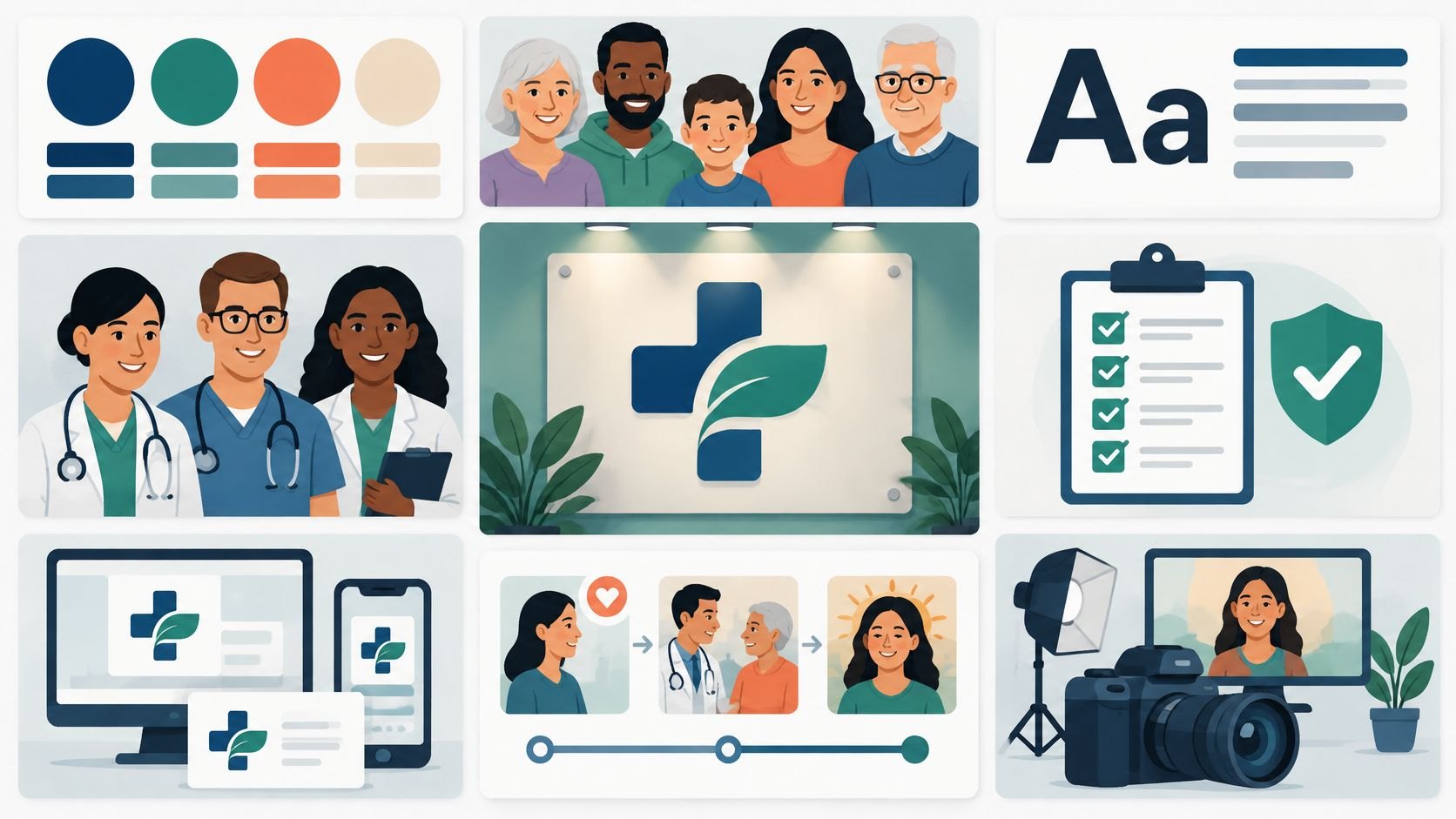
A lot of the healthcare briefs that reach me have already been through one round somewhere else. The identity looked great in the pitch. Then review happened. The medical reviewer cut the headline first, and what came out the other end looked like every other regional health system, blue logo and smiling stock family included. Somewhere along the way the palette had failed an accessibility audit as well.
That’s the job a healthcare branding agency is really hired for: the name, positioning, visual identity and language a hospital, health tech company, drug or device uses with patients, clinicians and payers, built so it survives the reviewers. Twelve firms made my list: Moonb (I work there, so treat entry one as the biased one), Monigle, Siegel+Gale, Prophet, AW, Fingerpaint Branding, Ten Adams, Atomicdust, Healthcare Success, Brandience, CG Life and SCORR Marketing. All eleven outside Moonb show healthcare work on their own sites, which is where I took every detail from in November 2026.
Why healthcare branding works differently
In the US, the FDA’s Office of Prescription Drug Promotion describes its mission as making sure “prescription drug promotion is truthful, balanced, and accurately communicated,” and the office sends drug sponsors written comments on proposed promotional communications. Outside prescription drugs, the FTC’s health claims guidance says companies “must have appropriate substantiation to back up claims for health-related products.” So a tagline or a product name can promise a benefit the evidence doesn’t back, and somebody in review will catch it, usually after the creative is already locked.
If you work on a pharma brand, watch the presentation the FDA posted on prescription drug promotion and the Clear, Conspicuous, and Neutral final rule before kickoff. One slide lists what OPDP regulates, from TV and radio commercials to sales aids, patient brochures, drug websites and email alerts.
Then there are the audiences, who want very different things from the same brand. A cardiologist reading a device page is looking for the mechanism and the evidence. The patient mostly wants to know where to park, and whether it’ll hurt. Siegel+Gale’s healthcare page describes the job as helping a brand “speak clearly to patients, providers, and payers.” Privacy comes up in the same breath, because HHS guidance on marketing under HIPAA says that, with limited exceptions, “the Rule requires an individual’s written authorization before a use or disclosure of his or her protected health information can be made for marketing.” So a patient story or a photo of a real patient needs a consent path before anyone designs around it.
Under 45 CFR 84.84, the HHS rule for organizations that receive federal financial assistance, recipients with fifteen or more employees must make their web content and mobile apps meet WCAG 2.1 Level A and AA beginning May 11, 2027, and smaller recipients beginning May 10, 2028 (that’s the section as amended in May 2026). Palette contrast and minimum type size get decided in the identity long before anyone builds a page, so I’d want the identity to pass before the web team touches it.
The W3C’s four-minute introduction is a good start if WCAG is new to your team.
Generalists can work too, if they’ve done a regulated category before; Lorenzo’s list of the best branding agencies is the place to find them.
The twelve firms
1. Moonb
More on Moonb
We're one team of designers, video editors and motion designers, and we take on companies of all sizes. In healthcare the work runs from the logo, color system and guidelines to the things that carry them: patient education videos, provider training, sales decks and launch assets. Our healthcare video production page covers patient and provider video, and the medical animation page covers mechanism of action and device animation. Medical and legal reviewers get drafts while things can still change, and the source files are handed over to the client.
If a healthcare team asked me for one thing of ours to watch, I’d send the sing-along cartoon we made for Jumo Health. It’s about clinical trials, with kids on a rocket trip and some friendly aliens along for the ride.
2. Monigle
More on Monigle
Monigle calls itself a brand experience agency, with offices in Denver and New York. Its services group into brand (insights, strategy, innovation, brand architecture), experience (journey mapping, branded environments), culture (employer branding, employee engagement), activation (launch and implementation) and the "Day Two" work of governance, brand tracking and valuation. The healthcare edition of its Humanizing Brand Experience study draws on U.S. consumers and now releases in August, November, February and May; the latest wave, from the third quarter of 2026, is titled "The front doors to care."
3. Siegel+Gale
More on Siegel+Gale
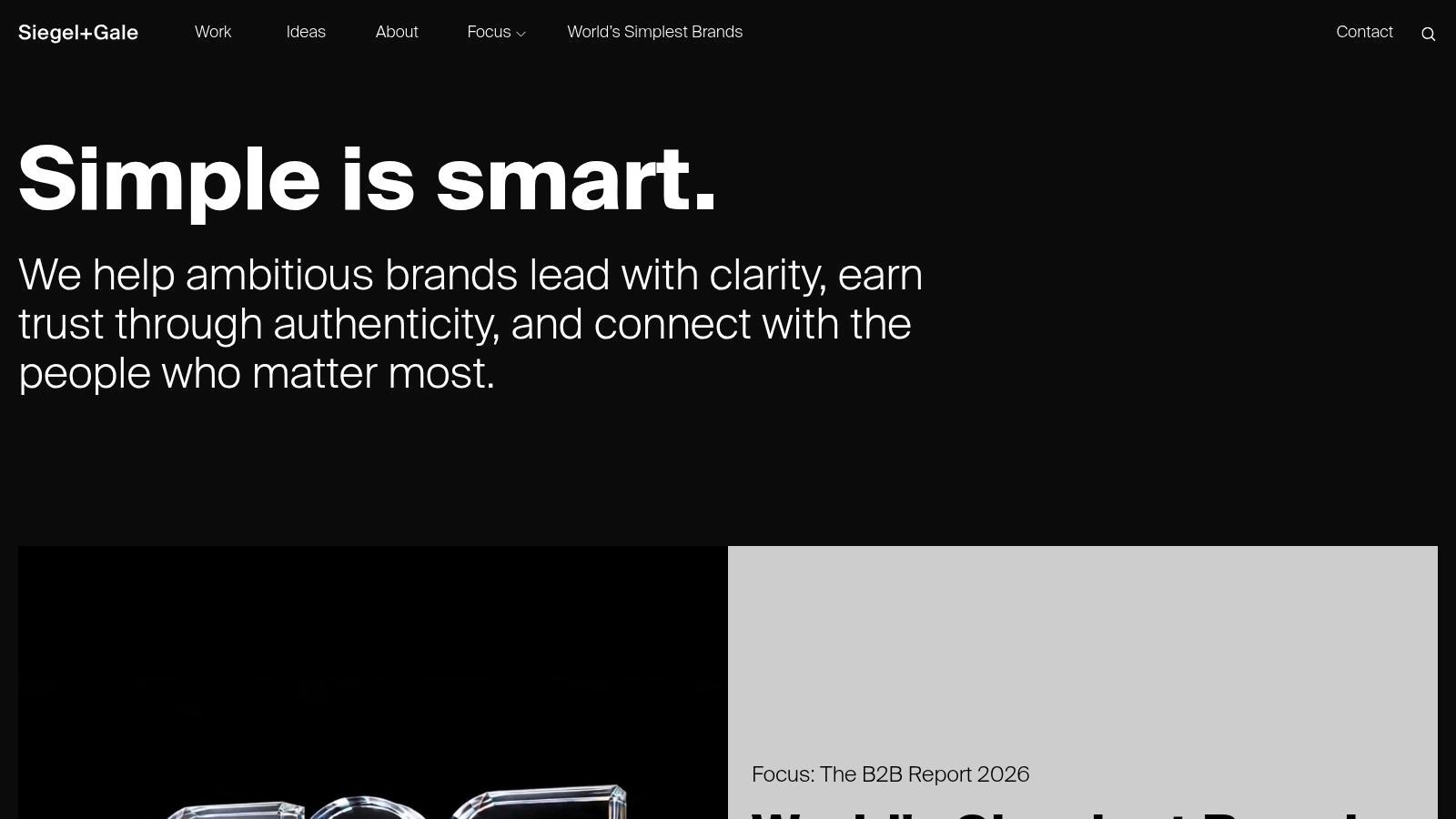
The healthcare page leads with "Clarity that connects across systems, products, and experiences" and splits the offer into naming, research and people. The Solventum case is described as "a spin-off health care brand built for day one leadership," and the Blue Cross NC case calls the client the largest health insurer in North Carolina. Siegel+Gale also publishes a World's Simplest Brands study, which tells you how much of its pitch rests on plain language. The site lists seven offices: Tokyo, Shanghai, Dubai and London abroad, plus San Francisco, Los Angeles and New York.
I think it fits best when the hardest part of your brand is one dense sentence, say a benefit explanation or a device claim that nobody outside the company understands.
4. Prophet
More on Prophet
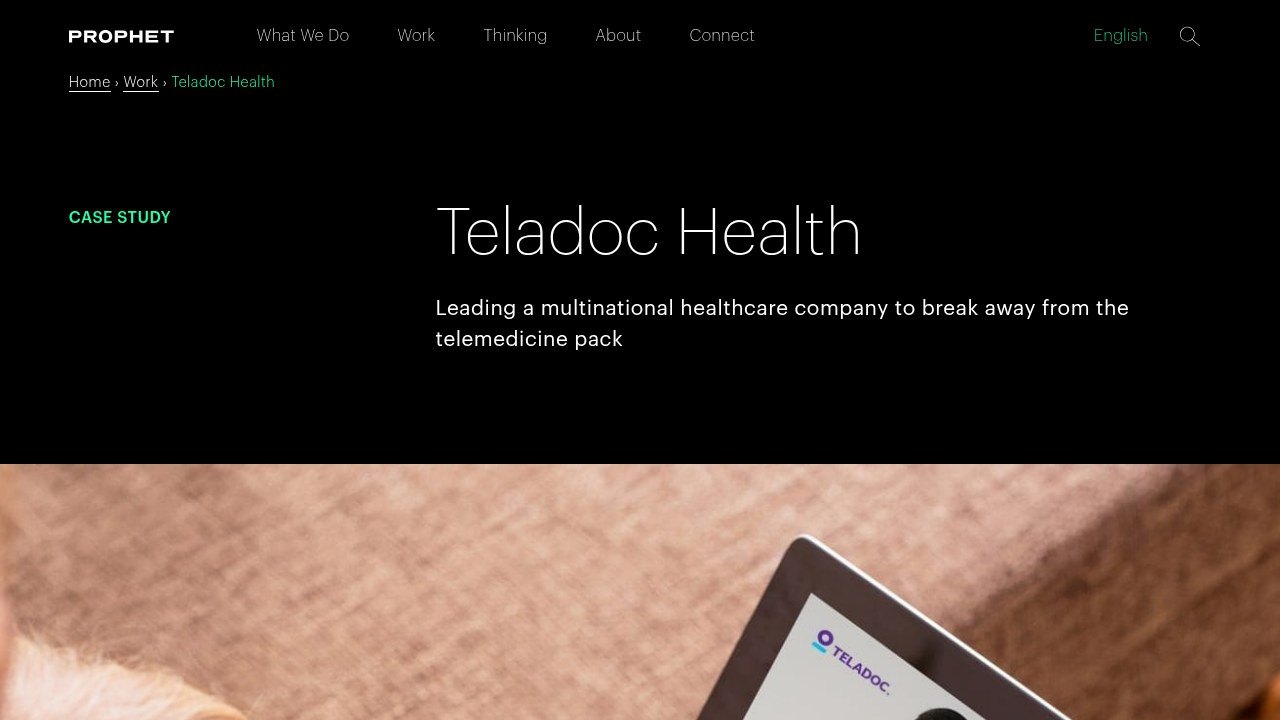
Its service list runs from organization and culture through experience and innovation to business strategy, marketing and brand building. Its healthcare page promises "solutions that transform care experiences, strengthen brand relevance and drive sustainable growth across the healthcare ecosystem." In the Teladoc Health case, the company had grown through organic growth and a series of acquisitions, and Prophet's work included an action plan to engage employees around the new approach. The healthcare page lists six experts by name, from senior partners down to an associate partner, so you can ask for them on the first call.
5. AW (Addison Whitney)
More on AW
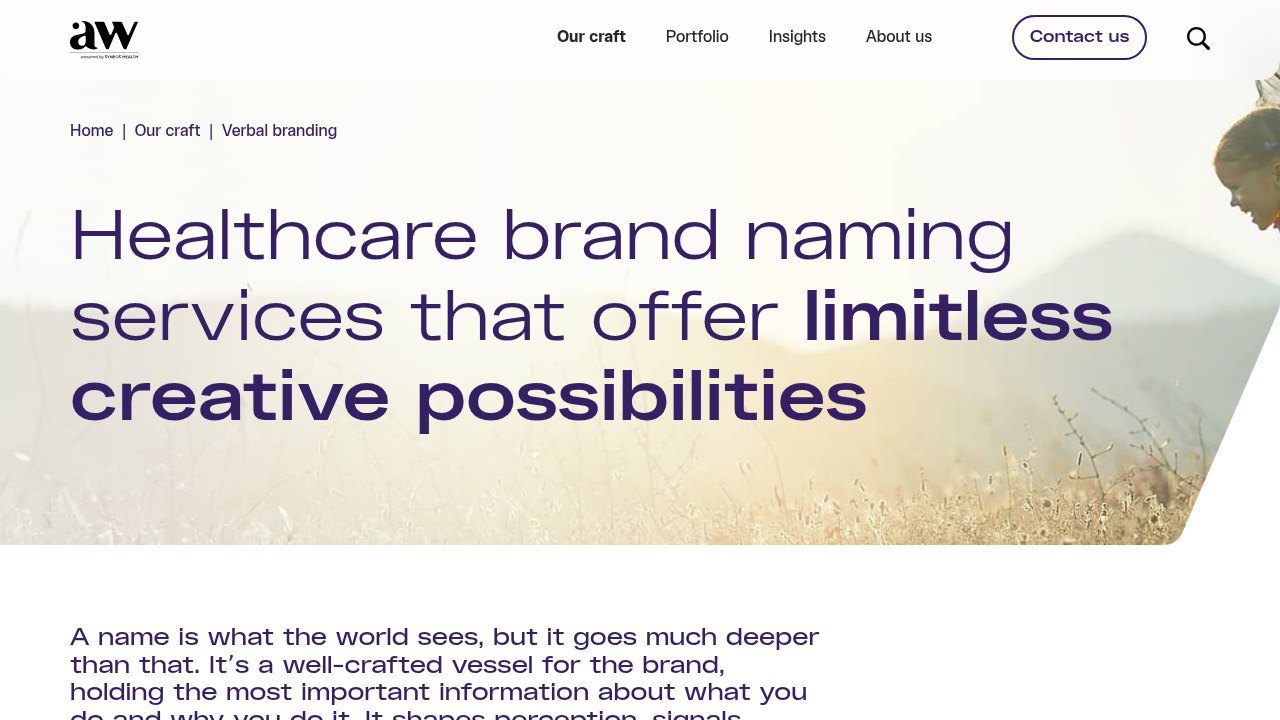
AW is powered by Syneos Health and sits in the Syneos Health Communications portfolio. Its craft menu covers research and insights, brand strategy, verbal branding, visual branding, brand implementation and regulatory consulting. The portfolio includes Novo Nordisk's Ozempic and Wegovy, where its team combined naming, regulatory and trademark expertise to assess whether a dual-name approach would work, plus embecta and Wave Life Sciences. The homepage also introduces Ari, which AW presents as its answer to pharma names losing their meaning in the race to clear safety and trademark hurdles.
6. Fingerpaint Branding
More on Fingerpaint Branding
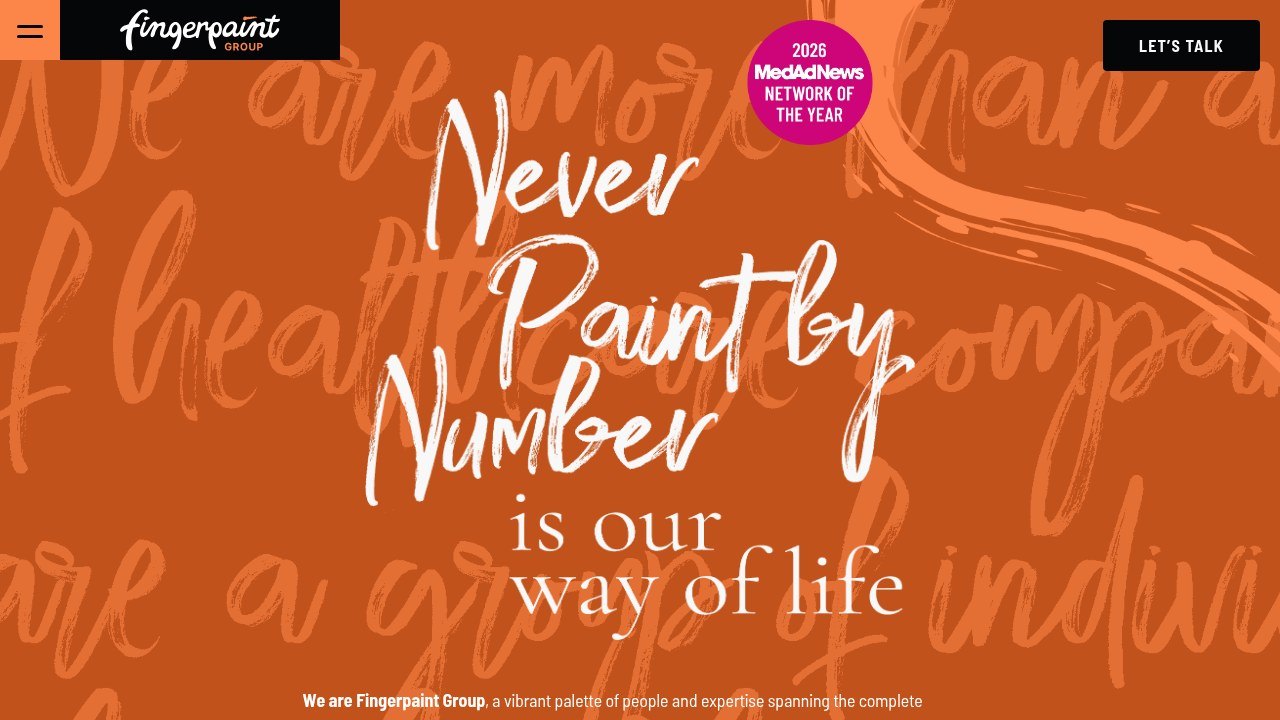
Fingerpaint Branding describes itself as a global naming and branding consultancy inside Fingerpaint Group, which also runs market access, medical communications and marketing units. The branding page covers clinical trial branding, nonproprietary names, medtech portfolio naming and post-merger brand architecture, and it says an AI-powered toolkit runs through every stage. On its homepage the group says it works across pharma, biotech, medical device and animal health, and claims to be the choice of 95% of the top 20 global pharmaceutical companies.
Fingerpaint and AW overlap on naming, so if a product name is the job I’d talk to both, and I’d ask each to walk me through a name that failed late in review and what the team did next. They split after the name is chosen. Fingerpaint keeps packaging and label work in the same team.
7. Ten Adams
More on Ten Adams
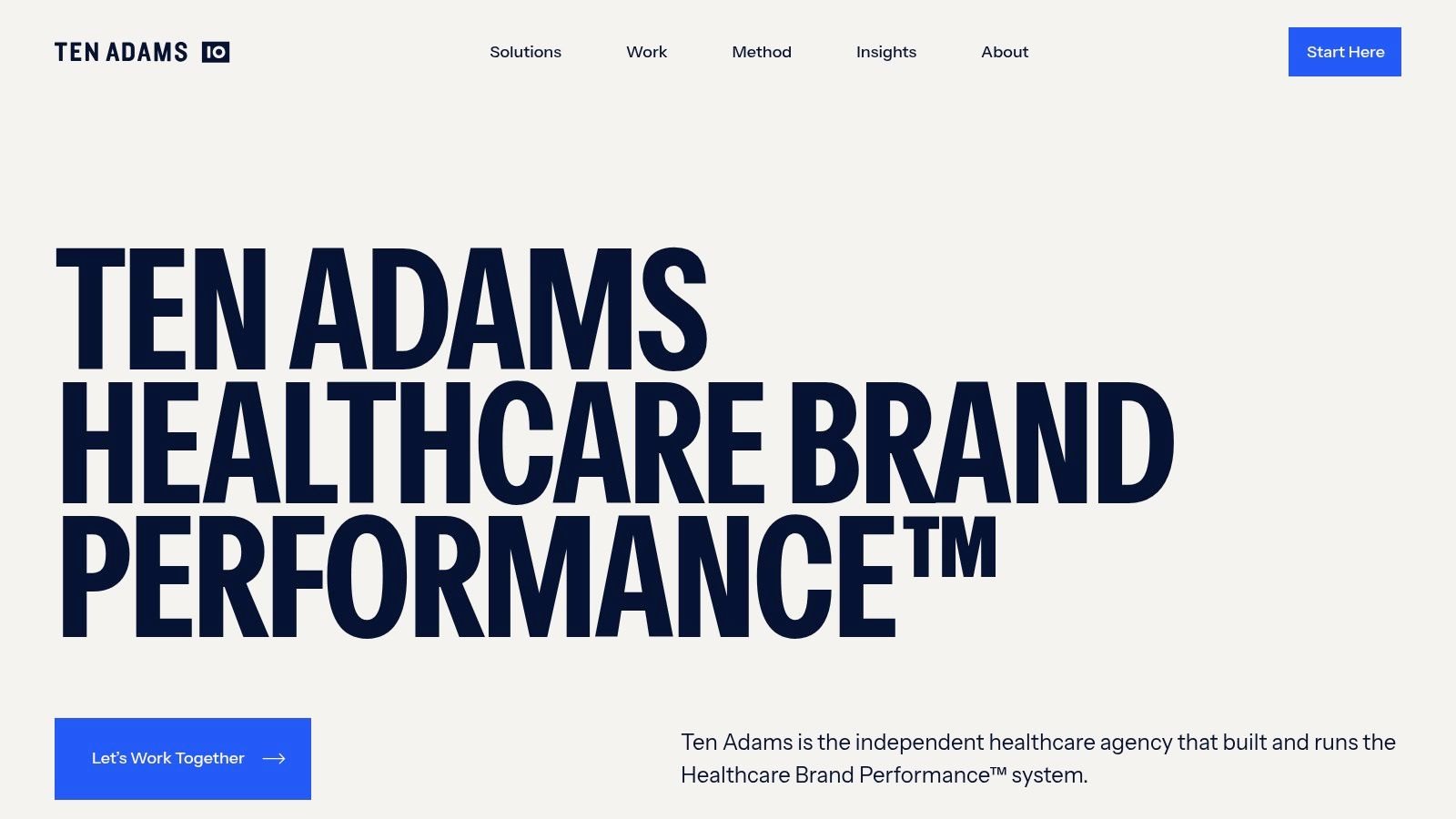
The homepage frames its engagements as support for "every stage of your brand and digital maturity." Its client snapshots include UT Health San Antonio Mays Cancer Center and Zarminali. The experience practice is pitched at patients who expect digital-first access, with the aim of helping them "find, access, and stay connected to your care," and the performance practice ties campaigns to business outcomes.
I like that brand strategy and experience design sit in the same firm, so the positioning can reach the service pages and the appointment path without a handoff to another shop.
8. Atomicdust
More on Atomicdust
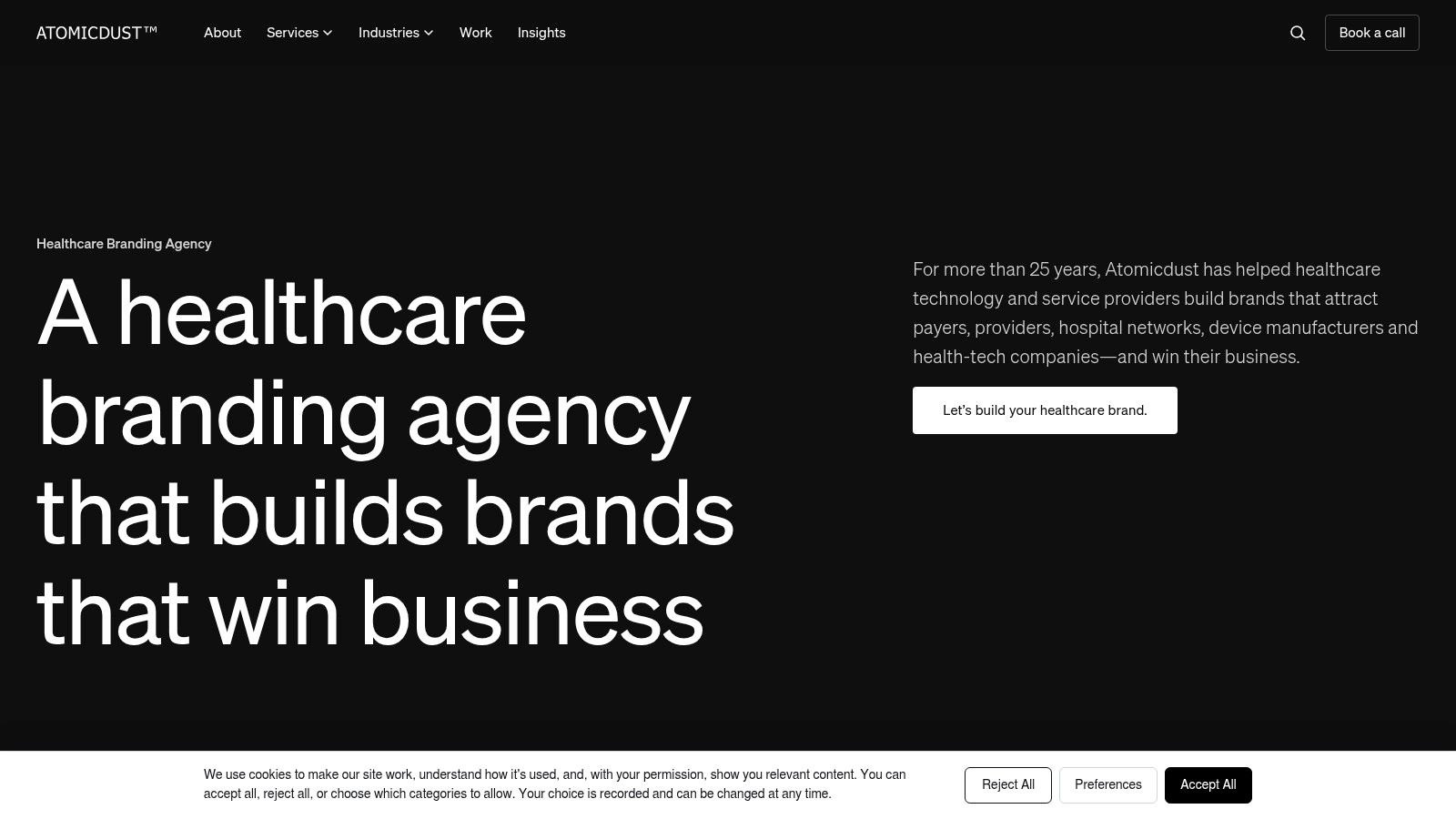
The studio is in St. Louis. Its healthcare services come in three parts: brand strategy and rebranding (positioning, naming, messaging, visual identity, post-acquisition rebrands), website design for provider portals and product sites, and campaigns. The page makes a point I agree with, that healthcare brands "sell to everyone at once" and each audience hears language differently. Its free audit tool reads your site the way an anxious patient or an evaluating CMIO would, and scores clarity, differentiation, access, trust signals and findability.
9. Healthcare Success
More on Healthcare Success
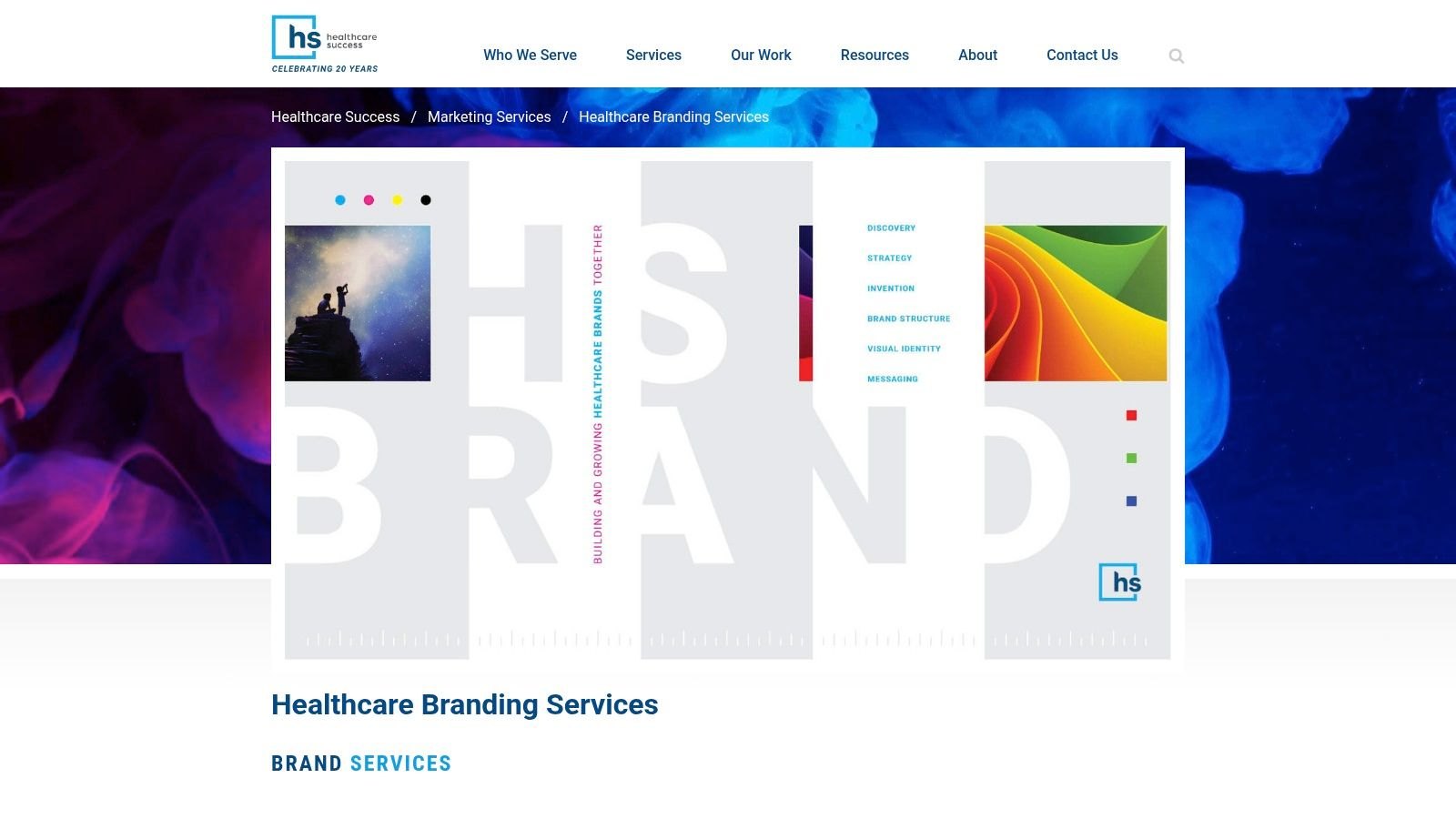
The branding page walks through discovery, strategy, invention, brand structure, visual identity and messaging, and names the audiences a provider brand has to satisfy at once: patients, caregivers, referring providers, employers and community stakeholders. Portfolio examples include PlasmaSource, Illinois Dermatology Institute and Astera Cancer Care. It also has a section on how a well-structured brand helps search engines and AI systems understand who you are, and its site header marks 20 years in business.
10. Brandience
More on Brandience
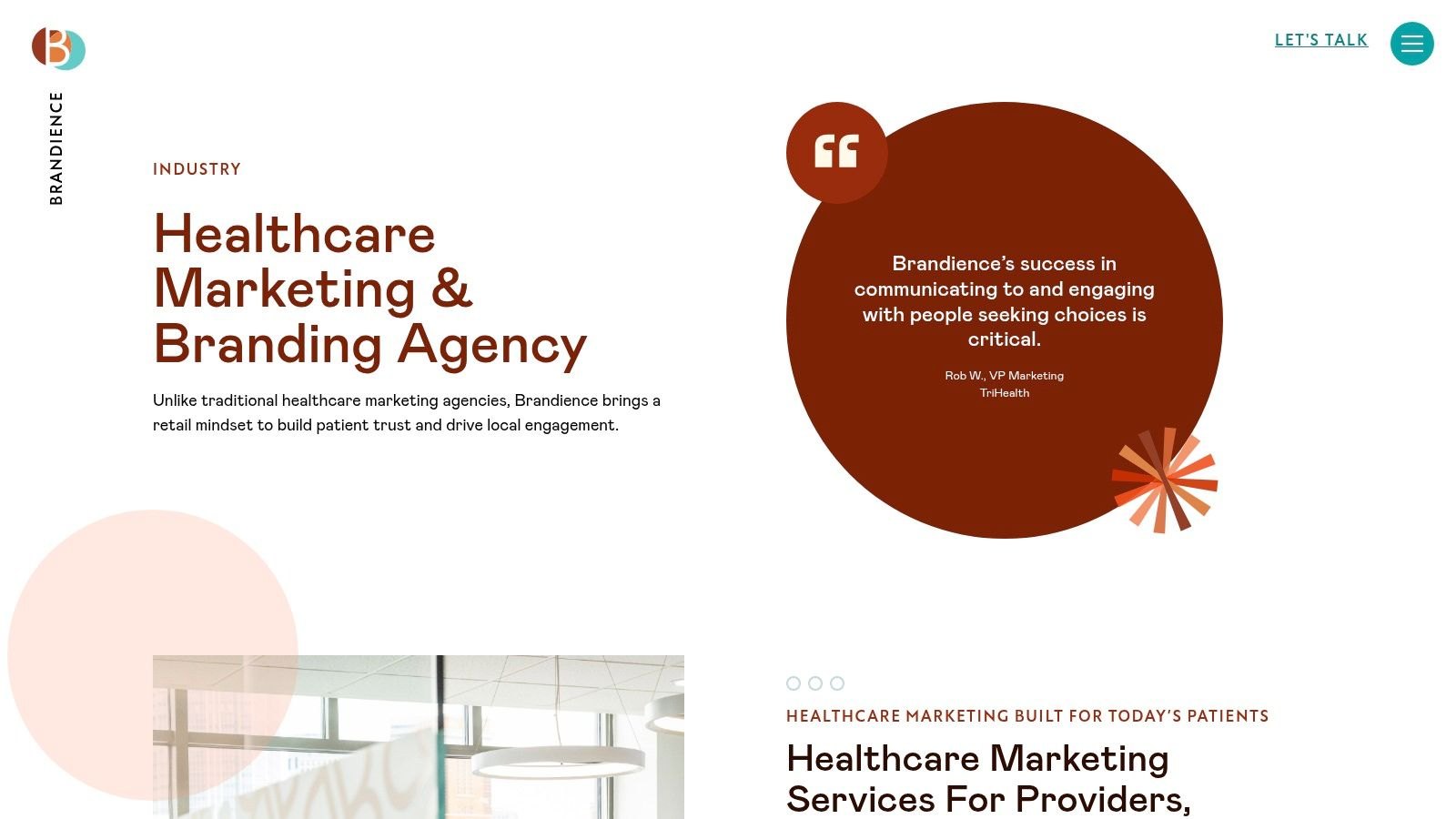
Brandience pitches itself to hospitals, health systems and multi-location provider groups, with goals like service line growth, a consistent brand across locations and a smoother path for patients from awareness to care. The healthcare page mentions the regulatory scrutiny around healthcare communications, HIPAA included. Its TriHealth case covers the "Unbeatable Heart Care" campaign that launched TriHealth's alliance with a national heart care system.
The question for Brandience is how a service-line campaign stays accurate when only four of your twelve locations offer that service.
11. CG Life
More on CG Life
CG Life describes itself as an AI-native agency with commercialization expertise and a remote-first, global team. Its capability list runs to nine items: AI innovation, brand strategy, public relations and social, medical strategy, creative, omnichannel strategy, scientific communications, media planning, and analytics. The brand strategy work is described as immersive research leading to a brand foundation, an identity, a value proposition and key claims.
For a first rare-disease launch I’d want that depth of science in the room, mostly because advocates in a small patient community tend to read every word you publish.
12. SCORR Marketing
More on SCORR Marketing
SCORR calls itself a global life sciences strategic marketing agency. Its branding page argues that in life sciences "differentiation is often elusive," and that acronyms and generic names crowd the field. The site backs that with a webinar on how it created a new company name, Univo IRB, and a case study on a rebrand meant to put Sitzmarks back on physicians' radar.
Fit and price at a glance
| # | Firm | Best for | Pricing signal | Worth knowing |
|---|---|---|---|---|
| 1 | Moonb | Identity plus the videos, decks and animation that use it | One set monthly rate, or a per-project quote | Drug names and hospital sub-brand architecture need a specialist; custom typefaces too |
| 2 | Monigle | Health systems where brand touches culture and experience | Not published | Scope can exceed a small practice's needs |
| 3 | Siegel+Gale | Insurers, pharma and spin-offs with naming or clarity problems | Not published | Global scale; ask who staffs the account |
| 4 | Prophet | Brand decisions tied to growth or acquisitions | Not published | Identity is one piece of a wider engagement |
| 5 | AW | Pharma product naming and regulatory screening | Not published | Weaker match for hospital projects |
| 6 | Fingerpaint Branding | Names, logos and packaging for pharma and medtech | Not published | Provider brands sit outside its core |
| 7 | Ten Adams | Hospitals wanting brand, web and campaigns from one team | Not published | Separate the brand fee from web and media |
| 8 | Atomicdust | B2B health tech and service companies | Not published; free audit | Consumer pharma is outside its focus |
| 9 | Healthcare Success | Providers wanting brand plus ongoing marketing | Four packaged scopes, no prices | Confirm who leads the brand work |
| 10 | Brandience | Multi-location providers and local campaigns | Not published | Media-led; not a naming shop |
| 11 | CG Life | Rare and specialty disease launches | Not published | Combining with The Considered |
| 12 | SCORR Marketing | Life science brands and company names | Not published | Hospitals are outside its niche |
I couldn’t find a branding price on any of the other eleven sites, and in healthcare that’s normal. On the first call, ask each firm for a range split into research, strategy, naming, identity, rollout and ongoing production, then hold those lines up against the ranges in Lorenzo’s branding cost guide.
How I’d run the shortlist
Start from the problem, because these firms split cleanly by it: product naming (AW, Fingerpaint, Siegel+Gale), a system-wide rebrand (Monigle, Prophet, Siegel+Gale), B2B health tech (Atomicdust), life science names (SCORR) or provider growth (Ten Adams, Healthcare Success, Brandience). Pick three from your row. Before anyone calls, write one page on the audiences, what has to stay, who reviews claims internally and which assets you need in the first ninety days.
My first question is always about a piece of work their client’s medical or legal reviewers changed, and what the firm did about it; you find out fast whether review shaped the work early or showed up as a fire drill. Next, how they check contrast, type size and the logo at small sizes against WCAG 2.1 AA. Given the HHS dates above, I want that in the proposal.
Ask what patients will see and what clinicians will see; if the answer is the same deck for both, push back. Our breakdown of 22 healthcare explainer videos is a decent look at how others have explained medical topics on screen.
Last, ask who applies the guidelines week to week once the launch team has moved on. My guide to creating brand guidelines covers what the document needs before a busy service line manager will bother to open it.
A single practice is a different case. If what you really need is patients finding you through search and your website, MD Tech Team’s guide to choosing a digital marketing agency for doctors has an interview checklist I’d print before talking to anyone. CustomMark’s guide to promotional products for healthcare covers something nobody thinks about until the logo is on staff scrubs, which is what branded apparel survives hospital laundering. And when the brand is set and the ads start, my roundup of healthcare and product advertisements has campaigns worth studying.
Frequently asked questions
Mostly, it expects pushback. A general firm can design a lovely identity and then lose half of it to a medical reviewer who reads the tagline as a promise the evidence can't support. A healthcare specialist gets those reviewers involved before anything is locked. The good ones also settle contrast and type size inside the identity, usually against WCAG 2.1 AA, so the web team doesn't inherit the problem.
Usually, yes. A product name has to clear trademark screening and a safety assessment for medication error risk, and one that fails late can push back a launch. AW and Fingerpaint Branding both keep naming, trademark work and regulatory review under one roof. Naming a clinic or a health tech company is lighter work, and a general brand strategist can often handle it.
Read the team pages before the price, and check that the senior people from the pitch are named in the proposal. After that the schedule tells you more than the fee. If medical and legal review only appears in the last weeks, expect rework. I'd also ask who makes new assets after launch and how contrast and legibility get tested against WCAG 2.1 AA, because vague answers there tend to cost you later.