Web Design
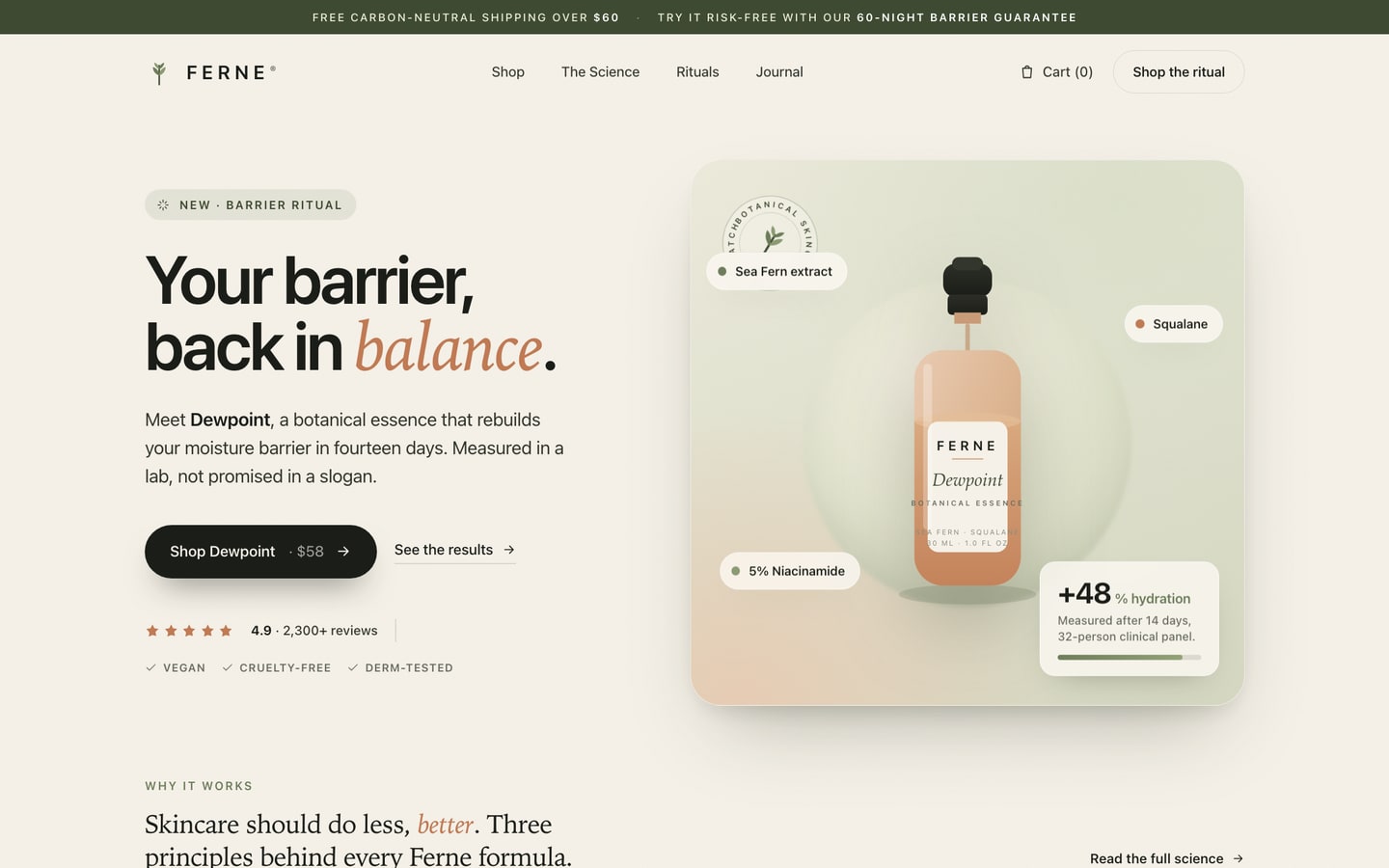
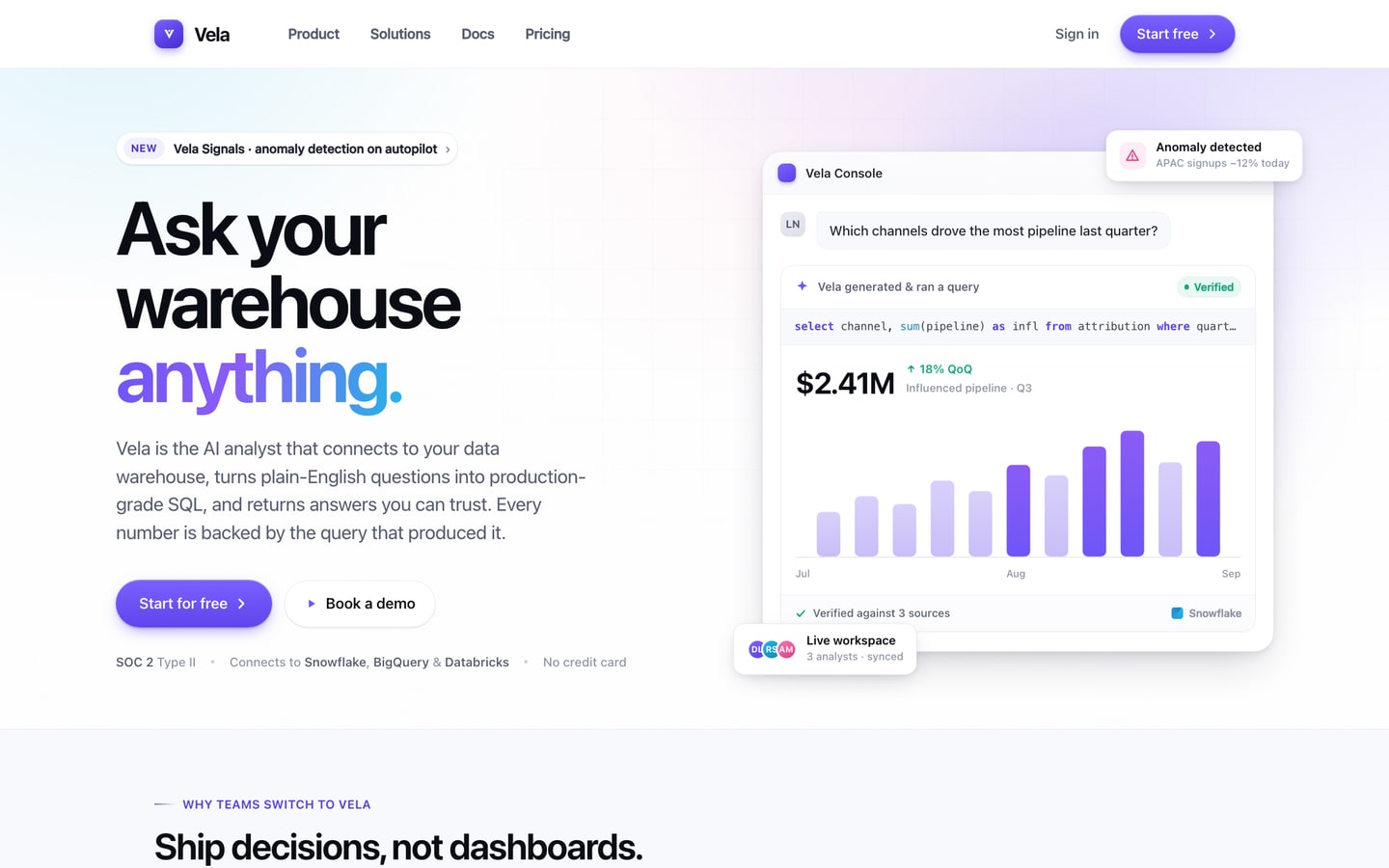
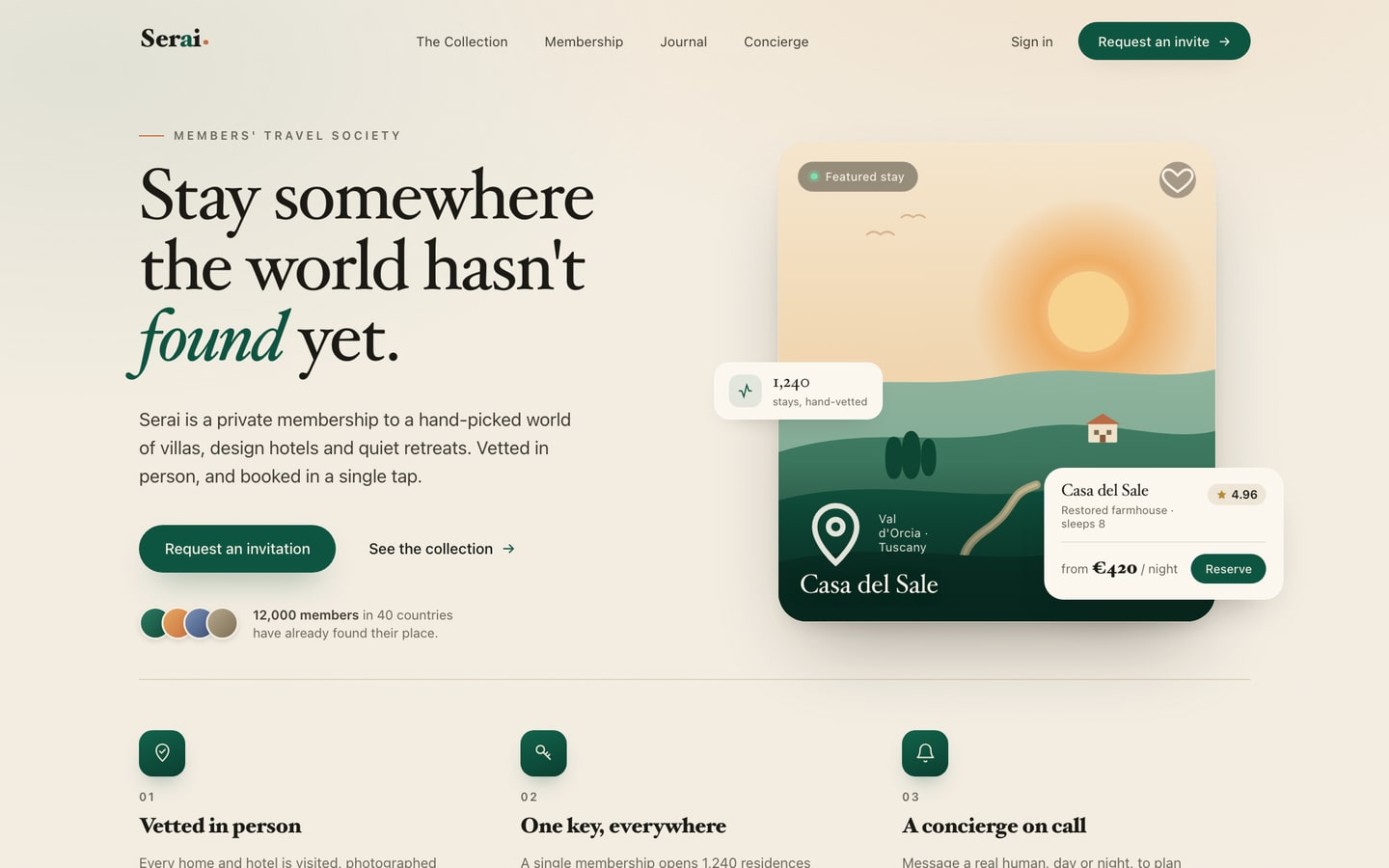
Marketing sites, landing pages, and design systems, drawn for every screen and ready to build. The same team learns your brand and stays on it, so page twelve looks as sharp as the homepage that opened the site. New pages arrive every week, not once a quarter.
See our approach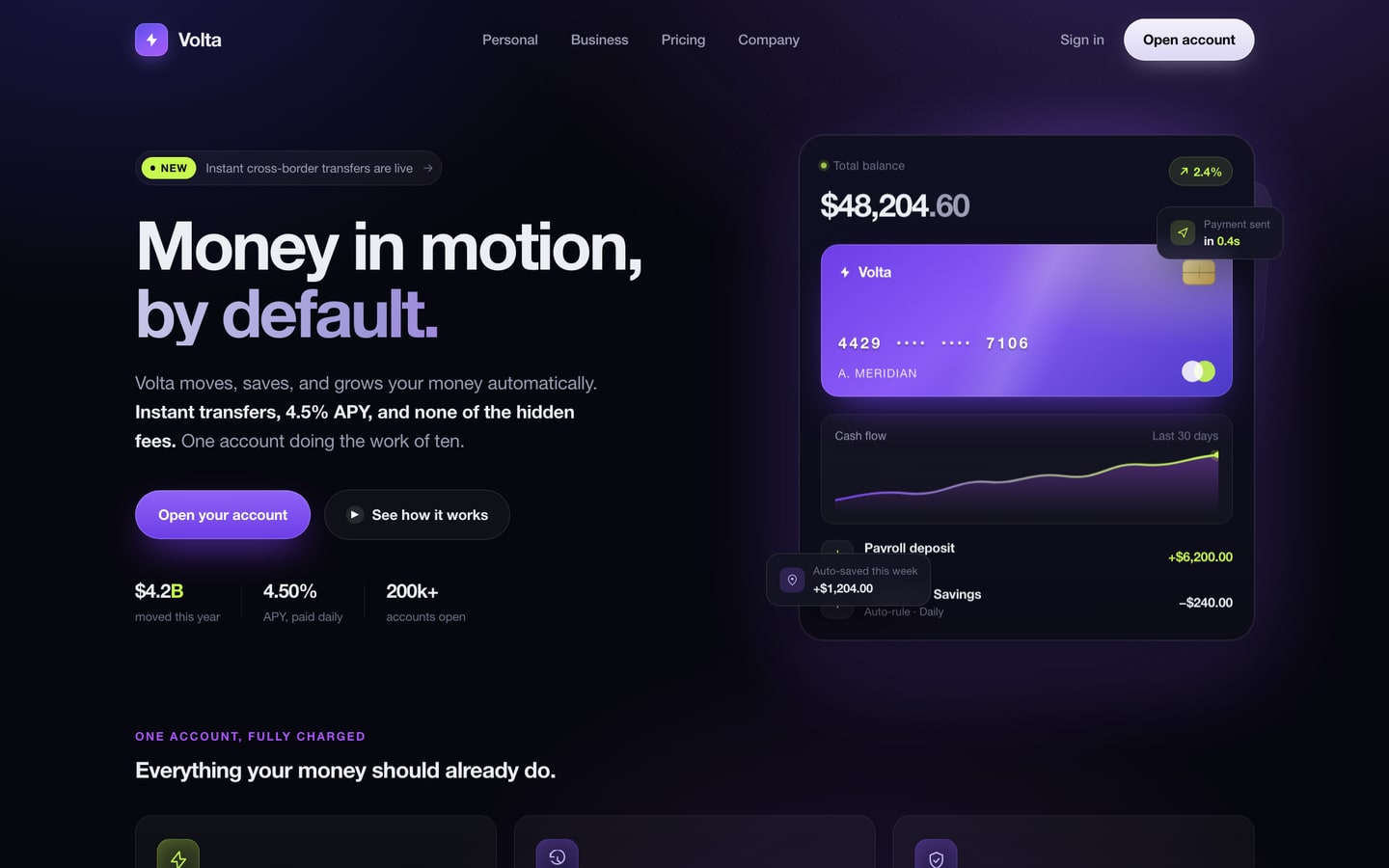




What we produce
Every page your site needs, from one team that already knows your brand.
Marketing Website Design
Your full site, built page by page. The homepage sets the tone, but we sweat the pricing and product pages hardest, because those are the ones that sell.
Landing Pages
One page, one action, everything that competes for the click stripped out. Built to turn a campaign or product push into signups.
Design Systems & Component Libraries
Type, spacing, colour, and every button state defined once and reused everywhere. The tenth page pulls from the same library as the first, so nothing drifts.
Page Redesigns
Fix the one page that's letting you down without betting the quarter on a full relaunch. We rebuild your worst screens one at a time.
Responsive & Mobile Design
Drawn phone first, where most people actually read it, then tablet and desktop. The page holds its shape on a small screen instead of breaking below the fold.
Figma to Handoff
Files your developers can build from on day one: named layers, spacing tokens, and every hover, empty, and error state drawn out. No back and forth to decode what you meant.
And more, from a single landing page to a full rebuild.
The same hands on every page.
Most teams hand you one big build, a single handoff, then go quiet the moment you need the next page. But your site never stops changing, a new offer, a new campaign, a page that quit converting. So we keep the same people on your brand, page after page, and page twelve looks as sharp as the homepage they started with.
Most redesigns fix the wrong thing.
Plenty of redesigns start with a mood board and end with a site that looks new and converts worse. The look was rarely the problem. The page was slow, the hierarchy was mush, and the one button that mattered sat three scrolls down where nobody found it.
Great web design is mostly restraint. The hard part isn't adding, it's cutting until the one thing that matters is impossible to miss. Beautiful doesn't help if the page buries its own point under everything you were afraid to leave out.
How the pages actually get built.
You brief a page like you'd brief someone down the hall, and it's moving that week. Watch it come together in Figma, drop comments right on the frame, and the next round answers them instead of guessing. When it's right, take the design on its own or the dev-ready files your developers build from. A full site or one broken landing page runs the same way. Same people, same rhythm.
Why a site needs a team, not a project
A website is the one asset that is never finished. The offer changes, a campaign lands, a page that converted all spring quietly stops. Teams that treat the site as a one-off build end up living with last year's decisions. Keeping the same designers on it flips that: there is always someone who knows why the pricing page looks the way it does, and the next page ships in days because nobody starts from a blank file.
What web design costs
These are the published 2026 starting prices for the four ways companies buy ongoing design, read on each provider's own site. A design queue is inexpensive and rigid; a directed team costs more and holds your brand memory from week to week. A dedicated Moonb team sits in that last group at one set monthly rate, or on a per-project quote when that suits the work, with a Creative Director included and no annual term.
| How you buy it | Published starting price | What you actually get |
|---|---|---|
| Design queue | $449 to $1,490 a month | one designer working your requests one or two at a time |
| Hours or slots | $500 to $1,699 a month | daily hours or parallel slots, an art director on request |
| Managed team | $1,199 to $8,995 a month | a fixed team with a project manager or creative lead |
| Directed enterprise team | about $15,000 a month, annual term | a Creative Director leading a team across design, motion and video, plus a platform fee |
| Dedicated Moonb team | one set monthly rate, or a per-project quote | the same senior designers every week, a Creative Director included, no annual term |
Every figure was read on the provider's own site on 2 September 2026; the full comparison with names is in our guide to creative as a service.
Pages We Design
One team covers the whole site, so page twelve looks like it was designed the same week as the homepage.
- Marketing sites and homepages
- Landing and campaign pages
- Product and feature pages
- Pricing pages that convert
- E-commerce storefronts
- Blogs and content hubs
- Design systems and components
- Dev-ready handoff files
The compounding site
The first page takes the longest, because the team is settling type, spacing, and how your product should feel on a screen. Every page after inherits those decisions. By the tenth, the site assembles instead of being drawn, and a landing page for Friday's campaign is a quick brief instead of a project.
By page ten, the site assembles instead of being drawn.
How it works
From signup to first delivery in under 2 days.
Meet your team
You get a Creative Director and specialists who learn your brand, your assets, and how you work.
About 30 minutesSend the work
Brief them like colleagues. Your Creative Director runs the queue and keeps everything on-brand.
As much as you needGet it back fast
Polished work comes back on a steady weekly rhythm, revisions included until it is right.
No change-order feesMoonb delivered very high-quality work.
Ready to start your website?
Book a CallFrequently Asked Questions
Published 2026 starting prices run from $449 to $1,490 a month for a design queue, $500 to $1,699 for hours or slots, $1,199 to $8,995 for a managed team, and about $15,000 a month on an annual term for a directed enterprise team. A dedicated Moonb team is one set monthly rate, or a per-project quote, with a Creative Director included and no annual term.
Either. Some teams want the design only and hand the Figma to developers they already have. Others want it drawn all the way to dev-ready, every spec and state labelled so nothing gets lost in translation. We do both, and we settle which one before the first page so timing matches what you need.
Both. If you have a component library, we design inside it so nothing drifts and your engineers keep reusing what they built. If you don't, we build one as we go, starting with what the first pages need, so by page ten you're assembling instead of drawing from scratch.
Most single pages come back in a few days, depending how much is packed onto them. A full site gets broken into stages, so you see real screens early instead of one big reveal months out. We set the pace up front and flag the moment anything's at risk, instead of going quiet.
Figma, almost always. You get tidy files: named layers, spacing and colour tokens, and responsive frames for every breakpoint. A developer can open them and know what to build without a call to decode them, and you can comment right on the artwork.
Yes. The same team that handles your brand and your motion draws the site, so it reads like the rest of your work, not a one-off someone bolted on later. If a page needs an animation or a short product demo, that's the same people, not a handoff to strangers.
Less than you'd think. A rough idea of the one action the page should drive, whatever brand assets you have, and any copy that's already written. If the words aren't ready, we'll draft a first pass and shape it with you. The clearer the goal, the fewer rounds it takes.
You comment straight on the frame in Figma, and the next round answers those notes instead of reopening everything. Most pages settle in two or three passes. If a direction isn't working, we'd rather show you two options early than polish the wrong one for a week.
We keep going. A live site always needs the next page, a new campaign, a fresh landing page, a section that stopped converting. The same people stay on your brand and ship those as they come, so the site keeps improving instead of freezing the day it launched.
Ready to level up your creative?
Tell us what you're working on and we'll take it from there.
Book a Call