17 Brand Voice Examples and How to Build Your Own
Seventeen brand voice examples, from Mailchimp to Aesop, with a simple framework for what makes each one work and how to build your own.

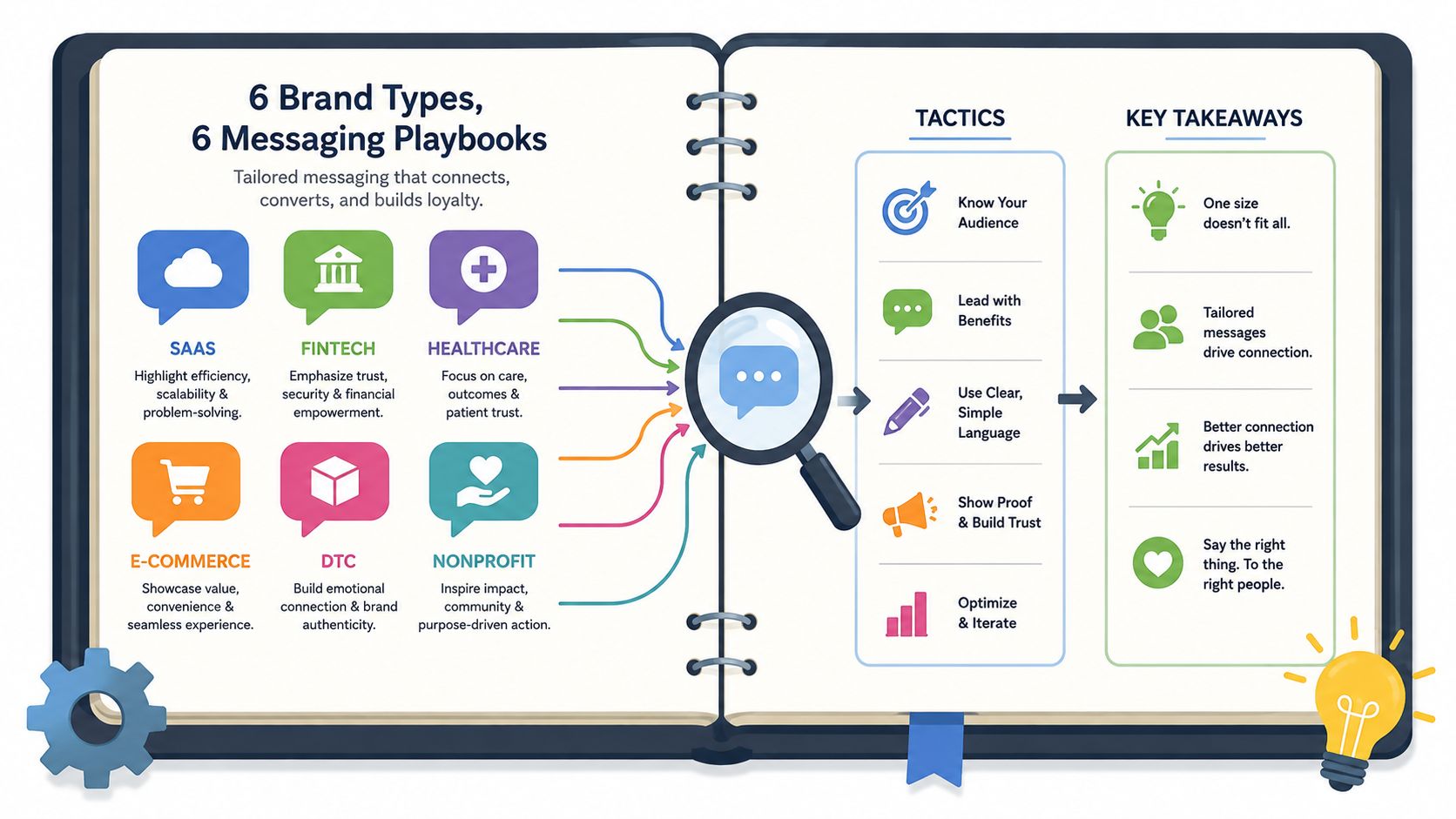
A brand voice is the consistent personality your writing carries across every surface: the word choices, sentence rhythm, and attitude that make a homepage, a support reply, and a social post read as the same company. The examples worth studying are the ones you can reverse-engineer, and there are seventeen of them below: Mailchimp, Oatly, Apple, Wendy’s, Duolingo, Patagonia, Slack, Nike, Innocent Drinks, Harley-Davidson, Dollar Shave Club, Old Spice, Cards Against Humanity, Ryanair, Notion, Monzo, and Aesop. Each one is legible enough that you can copy the mechanics without copying the words.
I co-founded Moonb, a creative studio that makes video, design, and motion for in-house marketing teams, so I sit in a lot of brand workshops where someone says they want to sound “authentic” or “premium” and then cannot say what that would look like in an error message. That gap is the whole problem. A voice that only lives in adjectives falls apart the moment a writer has to apply it to a refund notice. The brands here are useful because their voice survives the boring surfaces, not just the campaign lines. What I want you to take from each one is the reason the voice fits the audience and the product, because the fit is the part you can actually reuse.
A simple way to read these examples
Before the list, one lens that makes all seventeen easier to use. Every voice here is doing its work through one of three signals.
The first group treats restraint as the signal. Apple, Aesop, Notion, Monzo, Slack, and Mailchimp earn trust by getting out of the way, using short lines and plain words and refusing to perform. They win when the product is the argument and any extra personality would read as noise.
The second group treats personality as the signal. Oatly, Wendy’s, Duolingo, Old Spice, Dollar Shave Club, Innocent Drinks, Ryanair, and Cards Against Humanity earn attention by having an opinion out loud. They work in crowded or low-interest categories where a flat voice would disappear, and they share one discipline that is easy to miss: the humor has hard limits.
The third group treats conviction as the signal. Patagonia, Nike, and Harley-Davidson earn belief by matching the voice to an identity the company actually lives. Borrow their vocabulary without the action or the culture underneath, and it reads as costume.
Two questions place any of your own copy on the same map. Where does the voice do its heaviest lifting, in the product or in culture? And how much personality can the category carry before the voice starts working against trust? Keep those two answers in mind as you read. If your voice mostly lives on social, this brand voice guide for Instagram growth is a useful companion.
1. Mailchimp treats competence and kindness as the same thing
Mailchimp reads like a capable teammate who is patient with beginners. The sentences are short, the words are everyday, and the copy leans on “you” and “we” so it feels like partnership instead of a lecture. That choice does real work in onboarding, help content, and error states, where a small business owner needs guidance without being made to feel slow. When a campaign setup fails, the strong version of this voice explains what happened and what to do next; when a user launches a campaign, it marks the win without turning into a pitch. I read this kind of copy aloud to test it, because if a support line sounds written rather than spoken, it is usually too stiff. Mailchimp is a good model for any product that wants to feel approachable without going soft: helpful first, polished second.
2. Oatly proves an opinion needs guardrails
Oatly starts from a point of view. The copy is self-aware and a little contrarian, and it never pretends oat milk is more serious than it is, which fits an audience already wary of corporate language and open to a brand with a position. The lesson most people miss is that the style works because it has limits. Oatly can poke at its own category, but it still has to sound like Oatly every time, and if it slipped into random sarcasm it would lose shape fast. The humor is not decoration; it signals that the brand knows the category and the audience well enough to say something slightly odd without losing its footing. A voice like this also has to survive constrained surfaces, not just polished campaign lines, a point this guide to brand tone examples makes well. For a team building it, the useful move is to decide in writing what you will joke about and where the joke stops.
3. Apple shows minimal copy has nowhere to hide
Apple uses short declarative lines and lets the product carry the weight. It does not argue for attention; it states what something is, then what it does, and that restraint reads as control. Chapman University’s brand voice checklist tells writers to root headlines in concrete facts and back claims with proof points, because vague language feels slippery, and Apple’s strongest copy follows exactly that logic Chapman University’s brand voice checklist. The risk with minimal copy is that it exposes itself: if the wording is vague, the weakness shows immediately, and if it tries too hard to be clever, the composure breaks. This only works because the product and the brand already carry trust. A smaller company usually needs more warmth or context to avoid sounding cold, which is why the goal is to learn the level of control rather than to copy the tone word for word. There is a clean link here to brand personality: when the personality is clear, minimal copy stays intentional instead of empty.
4. Wendy’s works because the sass has a channel boundary
Wendy’s social account is quick on its feet and reacts to culture without sounding rehearsed, but the reason it holds up is a boundary most brands skip. It can jab at competitors or trends in a public feed, then drop straight into a normal, helpful register the moment a customer needs support. That separation is the whole game. SurveyMonkey makes the point that a voice has to carry across website copy, social, ads, packaging, and customer service, held together by guidelines and team training SurveyMonkey on brand voice and tone, and Wendy’s is convincing precisely because the persona is sustained rather than occasional. The safe rule I would hand a social team is to aim the joke at the trend or the situation, never at the customer, and to ask whether a line would still feel fair to someone reading it after a bad day. A bank running this tone would sound reckless; fast food carries it because quick wit suits the category.
5. Duolingo is controlled chaos, not improvisation
Duolingo runs two registers. Inside the app the tone stays light and encouraging, and on social it gets strange on purpose, because each channel does a different job: one needs reassurance, the other can carry absurdity. A habit product has to stay in people’s heads between lessons, and the owl gives the team a permission structure so the weirdness feels owned rather than random. The mistake is reading that chaos as improvisation. It is more controlled than it looks, because Duolingo is consistent in its randomness, which is what makes the voice easy to recognize even when the specific joke changes. The discipline underneath is context: a line that kills in a TikTok reply would fail in a billing email, so the voice stays constant while the tone shifts with the stakes. It fits a young audience and a habit app, and it would miss badly for a private bank.
6. Patagonia earns its voice with action
Patagonia sounds direct and values-first, and it does not try to be neutral. The voice carries weight because the business makes choices that match what it says, which matters more than any single word choice. A values-led voice collapses the moment the words outrun the actions, and in this category customers spot the gap immediately. The copy stays plain rather than theatrical, and it draws its force from the company’s willingness to say no to some opportunities and speak publicly about issues it cares about. For most teams this is the hardest voice to borrow, because vocabulary is easy and credibility is not. The work is to write from what the brand actually does and the trade-offs it accepts, and to keep the mission visible in product and support copy rather than parking it on an About page. A real brand mission statement example helps, but only when the language lines up with operations.
7. Slack puts the answer before the charm
Slack reads like a coworker who knows the product and answers the question before you have to ask it. The copy stays plain, and any wit stays in service of the answer, which fits a tool people open to work rather than to be impressed. What most brands miss is consistency: Slack does not run one voice for marketing and another for help content, so the product feels easier to learn because the wording matches the way the tool behaves. When the product is complex, the voice system has to cover onboarding, support replies, error states, and policy language, not just campaign copy. DigitalPolo’s guidance on voice documentation points the same way, with separate tone levels for marketing, onboarding, support, error states, and legal copy DigitalPolo on brand voice. A practical brand guidelines guide should spell out where the voice stays warm and where it stays strictly direct.
8. Nike sounds like the thing it sells
Nike moves in short bursts, pushing effort and forward motion, and the rhythm is doing as much work as the words. The voice centers the athlete and the act of sport, then lets the gear support the message, so it reads as motivating without turning soft. An imperative voice can feel pushy when the audience does not want to be urged, but Nike’s audience usually shows up looking for exactly that push, so the motivation feels earned rather than imposed. The language changes campaign to campaign while the underlying promise, effort and progress, stays fixed, and that constancy is what gives short lines their force. Moonb’s guide to brand archetypes maps this well, since Nike commits to a clear position and keeps every line aligned to it. The failure mode to avoid is noise. A motivational line carries on clean rhythm and concrete verbs, and extra adjectives only slow it down.
9. Innocent Drinks keeps the humor light enough to stay clear
Innocent trades on a quick, relaxed conversation, informal but not sloppy, and that balance is why the tone has lasted. A smoothie could be anonymous, so the packaging and social copy use small bits of humor to make the brand feel close without asking you to decode a joke. The lesson is restraint: the humor stays light enough to stay welcoming, and it sits on top of clarity rather than replacing it, so the product is always still legible. Plenty of brands try to borrow this register and overshoot into cute, which is where it stops communicating. Innocent keeps working because the personality is a short nudge, not a long performance, which is a good fit for consumer and lifestyle brands that want warmth without sounding childish.
10. Harley-Davidson sells identity, not motorcycles
Harley-Davidson sounds rooted in lived experience rather than marketing polish, direct and emotionally loaded, with a tough confidence that does not ask permission. That fits a brand built around a lifestyle as much as a product, so the language leans on independence and identity while technical detail takes a back seat. The voice would feel out of place in most categories, and that is part of why it works here, because the audience expects attitude and wants a brand that belongs to a specific culture rather than to everyone. The caution is obvious. A company cannot borrow this tone just because it sounds strong; without a real reason to be defiant, the copy reads as costume. It works for Harley because the voice and the product point to the same identity, earned over decades.
11. Dollar Shave Club uses plain talk to cut category clutter
Dollar Shave Club cuts straight through a category that was full of overblown masculine posturing, and the casual, slightly rude tone is why it grabbed attention so fast. The contrast was the point: the brand sounded like it knew razors were overcomplicated and refused to play along, which made the product feel obvious instead of a special occasion. It is a clean example of how directness lowers resistance when a category is stuffed with fluff. The line is thin, though, because tone that tips into needless snark alienates people who just want the product to work. The takeaway for other brands is a standard worth keeping: be clear enough that the joke lands because the message underneath is true. That beats trying to be funny on command.
12. Old Spice commits fully to the absurd
Old Spice is theatrical and intentionally over the top, leaning into exaggeration and then pushing past it, which turns an ordinary grooming category into entertainment. What makes it hold together is commitment and timing: the brand goes all in on the bit, and that full commitment gives the voice momentum and keeps it from sounding timid. The risk is fatigue, because a loud voice wears thin if it never shifts, so this style needs guardrails that keep the joke recognizable without letting it curdle into noise. Old Spice is also proof that reinvention is possible, since the brand moved from traditional to absurd while staying tied to confidence and product benefit. If every line is loud, nothing stands out, so the discipline is to keep the brand promise visible underneath the exaggeration.
13. Cards Against Humanity makes discomfort part of the product
Cards Against Humanity runs dry, provocative, and deliberately uncomfortable, and the voice is inseparable from the product because the game itself trades on social risk. It works because the audience expects transgression, so the copy has to feel like it understands the joke and the boundary it is crossing. This is one of the easiest voices to misuse: a writer can copy the bluntness and miss that the provocation only works inside a clearly defined product context, where outside it the same lines read as juvenile or hostile. The voice is effective because it is coherent, not merely because it is shocking, which makes it a sharp warning for teams that confuse boldness with clarity. Boldness without fit is just noise, and the practical move is to write the boundaries before writing the punchline.
14. Ryanair says the quiet part out loud
Ryanair’s social voice knows exactly how people feel about budget flying and is happy to admit it, and that candor cuts through airline sameness. The brand has chosen a clear role: it does not try to sound luxurious or soothing, it sounds practical and a little sarcastic, aware of the low-expectation relationship customers have with the category. The joke lands because the audience already shares the context. The risk is tone tipping into smug, which reinforces frustration instead of defusing it, so the account needs a hard boundary where humor stops and service begins. Ryanair is useful because it shows a brand can own a blunt style without pretending to be universally loved. The voice is sharp because the positioning is sharp.
15. Notion makes calm feel like a personality
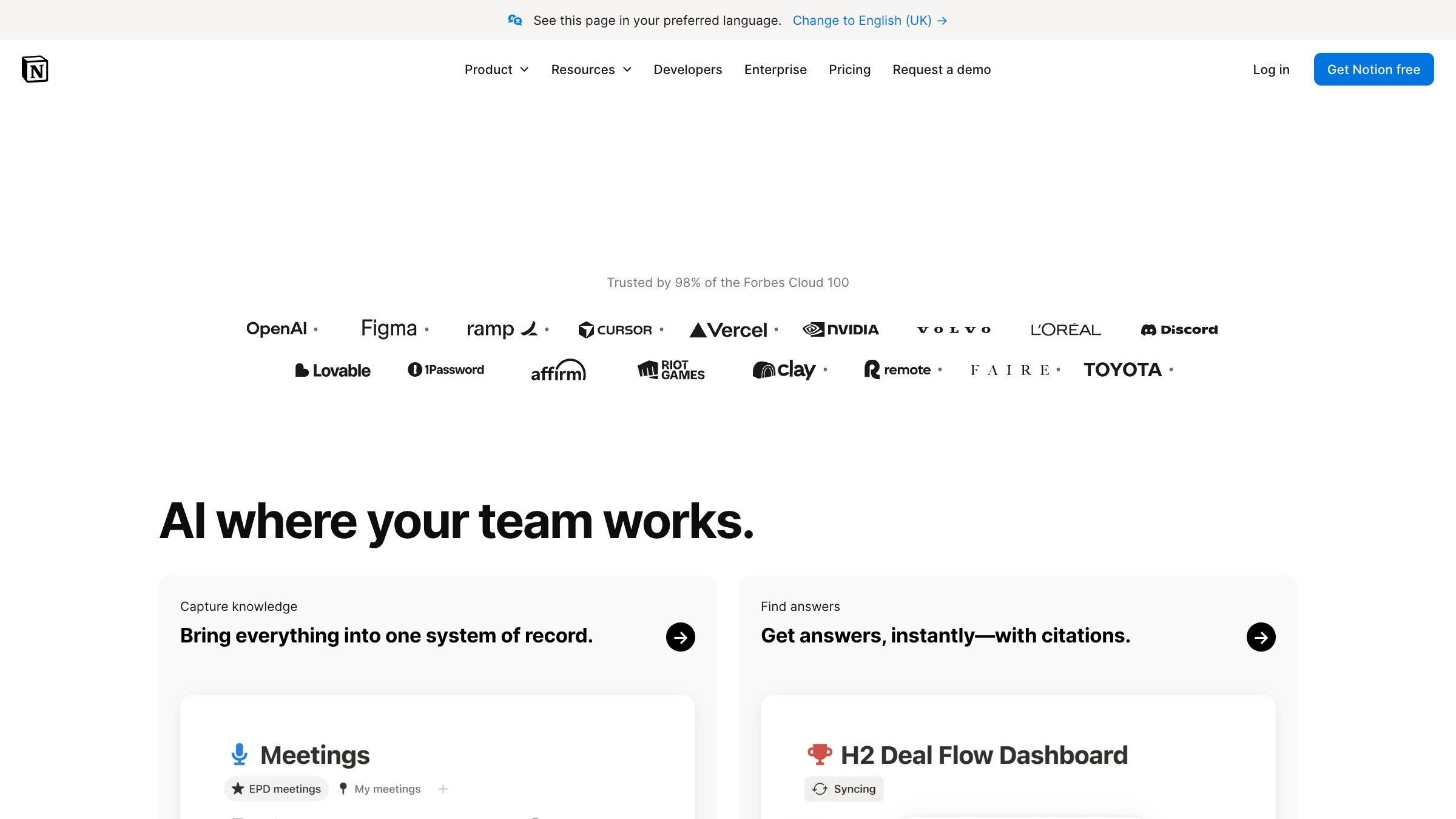
Notion leads with organization before cleverness, and that tidy, reassuring register fits a product built around notes, docs, and systems. The audience wants structure and a tool that stays out of the way, and the voice mirrors that by staying clean and setting the user up to move rather than over-explaining. This kind of voice is easy to underestimate because it is not flashy, but a calm voice can be powerful when the product is complex, since the brand is trying to make the tool feel navigable rather than trying to impress you with attitude. The deeper point is that restraint can still have personality: Notion reads as modern because it is uncluttered. For productivity products, a voice that helps the user think usually beats a voice that performs.
16. Monzo shows warmth and seriousness can coexist
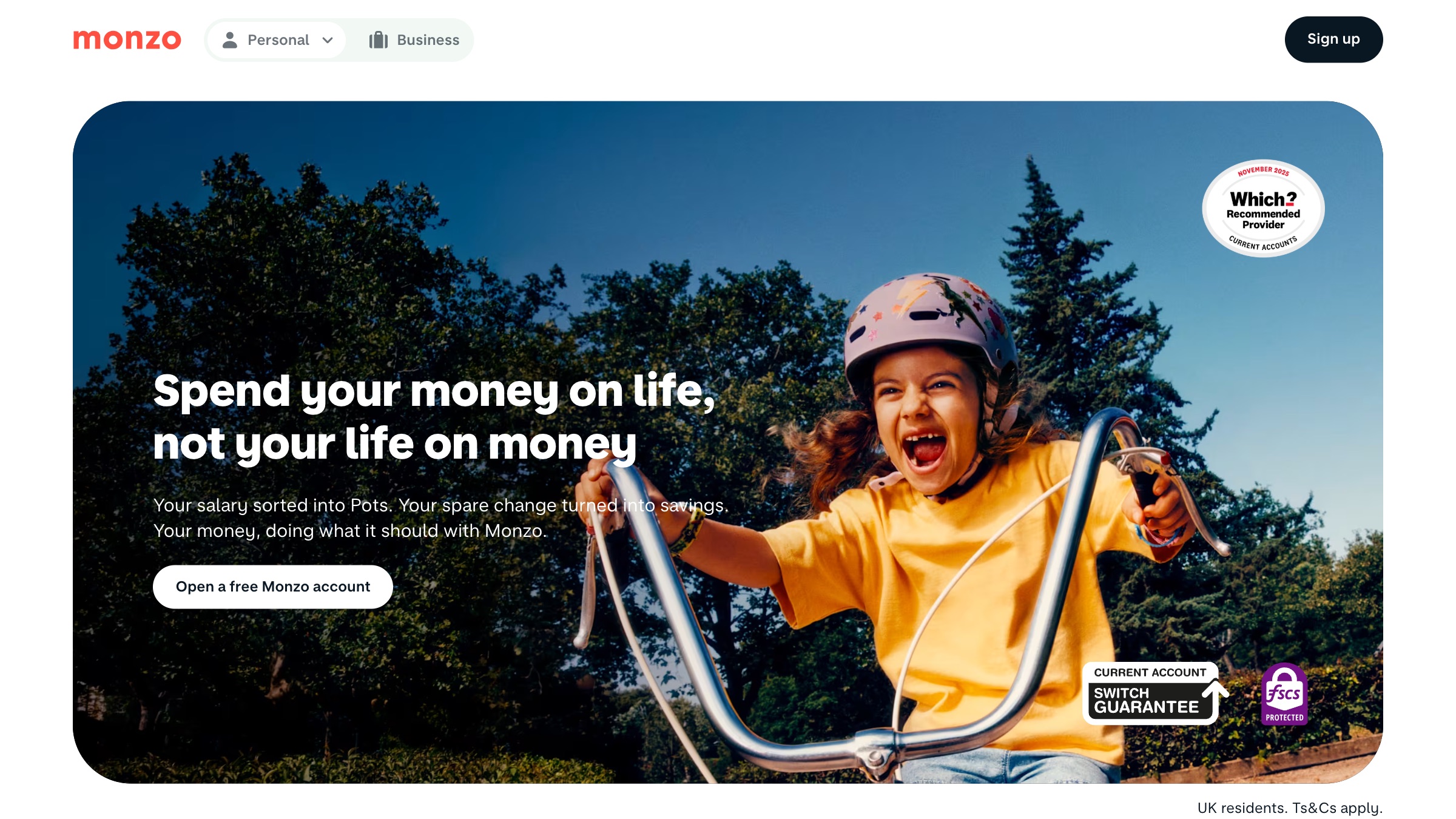
Monzo writes like a financial product that knows trust is earned through plain language. It avoids unnecessary complexity and works to make money feel less intimidating, which matters in banking, where vague wording creates anxiety fast. Users need to understand what is happening with their money without decoding jargon, and Monzo sounds human and precise at the same time: friendly, but not so casual that it undercuts confidence. It is one of the best examples of why humor has limits, because a jokey voice in finance can read as not taking the stakes seriously. The practical value is consistency, since a reassuring voice has to show up in product copy, alerts, and support, not only in marketing, or the gap is obvious to the user the first time something goes wrong.
17. Aesop proves restraint can carry meaning
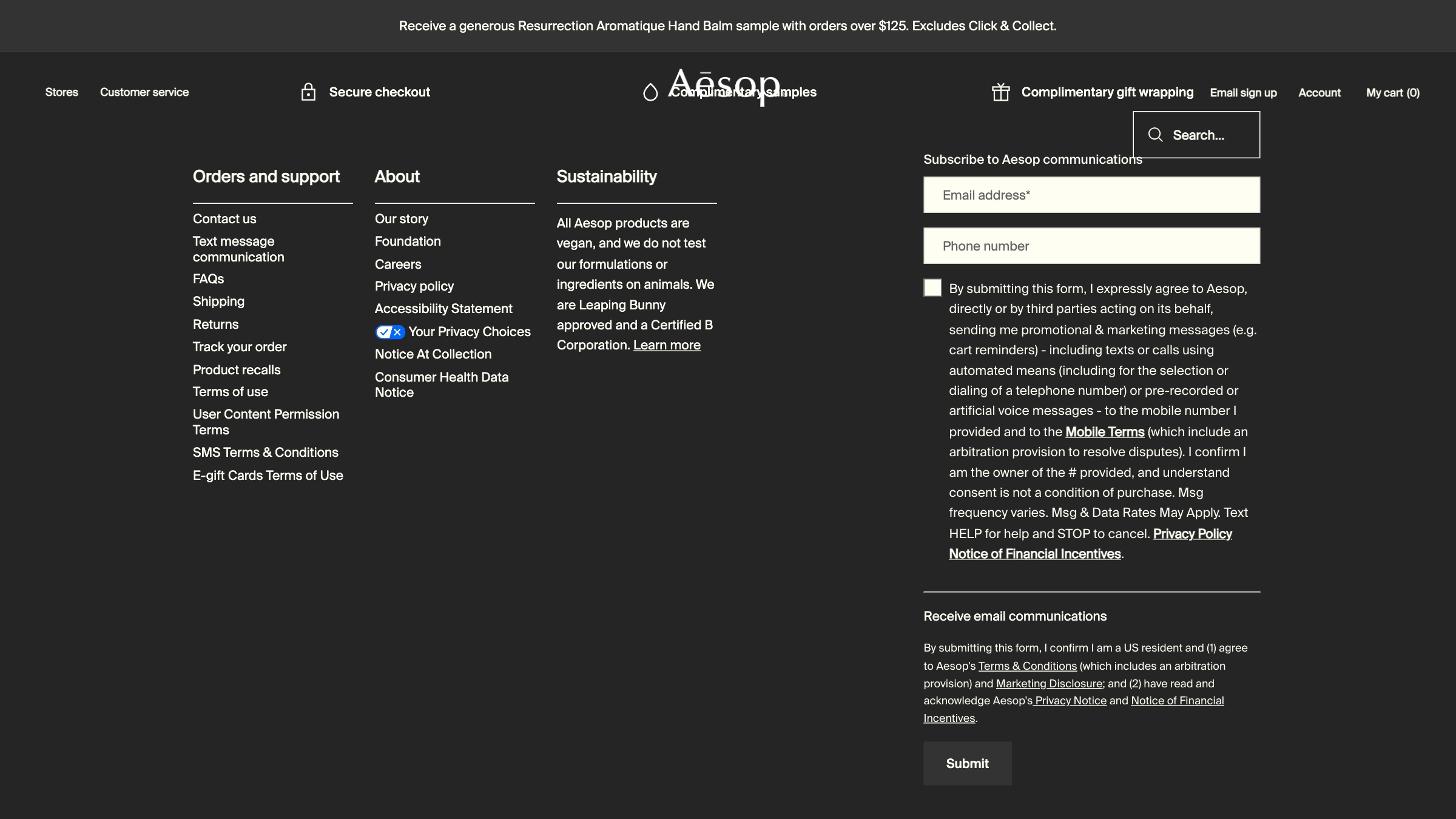
Aesop’s voice is literary and restrained, premium without being showy, and it feels considered rather than assembled. The sentences carry more texture than Apple’s, but the tone stays controlled, and that control is what makes it read as expensive. The brand is selling an experience as much as a product, so the language suggests care and a slower pace, and it invites rather than shouts, because overexplaining would cheapen the mood. It also shows why fit beats cleverness: a mass-market brand copying this style without the product experience behind it would sound borrowed, while Aesop works because the words, packaging, and store environment all reinforce the same calm signal. If Apple is minimal confidence, Aesop is restrained sophistication, and both hold up because they understand what their audiences are willing to accept.
The seventeen voices at a glance
| Brand | Voice in a phrase | Signal | Best for | Watch out for |
|---|---|---|---|---|
| Mailchimp | Warm, plain, teammate-like | Restraint | Onboarding, help docs, transactional copy | Warmth tipping into vague reassurance |
| Oatly | Self-aware and opinionated | Personality | Packaging, social, low-interest categories | Sarcasm with no real opinion under it |
| Apple | Minimal and declarative | Restraint | Product pages, launches, global campaigns | Vague wording exposes itself instantly |
| Wendy’s | Playful and quick on social | Personality | Social-first, youth-focused brands | Jokes aimed at the customer, not the trend |
| Duolingo | Controlled chaos on social | Personality | Habit apps, awareness with young users | Chaos leaking into billing or support copy |
| Patagonia | Earnest and values-first | Conviction | Mission-led comms, advocacy | Values the company cannot back with action |
| Slack | Helpful, answer-first | Restraint | Daily-use SaaS, support, onboarding | Wit that gets in front of the answer |
| Nike | Bold and imperative | Conviction | Sport and performance marketing, slogans | Urging an audience that did not ask for it |
| Innocent Drinks | Chatty and light | Personality | FMCG and lifestyle brands | Cute overtaking clarity |
| Harley-Davidson | Rugged and identity-led | Conviction | Lifestyle and culture-driven brands | Borrowed defiance with no culture behind it |
| Dollar Shave Club | Plainspoken and irreverent | Personality | Challenger brands entering a crowded space | Snark that alienates practical buyers |
| Old Spice | Absurd and theatrical | Personality | Commodity categories needing attention | Loudness with no promise underneath |
| Cards Against Humanity | Dry and provocative | Personality | Products where edge is the point | Provocation lifted out of its context |
| Ryanair | Blunt and self-aware | Personality | Low-expectation, no-frills categories | Smugness that deepens customer frustration |
| Notion | Calm and structured | Restraint | Productivity and systems tools | Reading as neutral by accident, not choice |
| Monzo | Reassuring and precise | Restraint | Fintech, banking, sensitive moments | Cute phrasing when the stakes are high |
| Aesop | Literary and restrained | Restraint | Premium and experience-led brands | Restraint with no product experience to back it |
How to turn these examples into your own voice
Seeing strong examples is the easy part; the work starts when you turn them into a system a team can apply without guessing. Most voices fail because they are too broad, too clever, or too inconsistent, and the fix is smaller than people expect. Start with three to five core traits. HubSpot recommends building a voice around that range because a team can actually remember and apply it, whereas a longer list turns into a document nobody consults HubSpot on brand voice.
Then pressure-test those traits on the surfaces that actually break a voice: an error message, a welcome email, a support reply. That is where a voice stops being a list of adjectives and becomes usable. The most portable way to document it is with do-and-don’t pairs. For each trait, write one line that shows the right move and one that shows the wrong one, add sample lines the brand would and would never say, then rewrite one real piece of operational copy in the voice. If a support message still reads naturally after the rewrite, the voice is probably ready. AtomWriter’s write-up on voice documentation lands in the same place, since structured rules and good-versus-bad examples tend to outperform guides that only list traits AtomWriter’s guide to brand voice docs.
Keep tone separate from voice while you do it. The voice stays stable; the tone shifts with context, so a playful social account can go calm and precise in an outage notice or a policy explanation. That flexibility is what keeps a brand from sounding tone-deaf when something breaks. Chicago Brandstarters’ playbook is a good next read if you are building this from scratch Chicago Brandstarters’ playbook. And if the voice is defined but the team needs motion, design, or brand content to carry it into production, an embedded creative team like Moonb can extend an in-house group on a steady weekly rhythm rather than replacing it.
The through-line across all seventeen is fit. Mailchimp feels supportive, Oatly opinionated, Apple exact, Wendy’s sharp, and Aesop restrained, and none of those voices would survive in each other’s categories. So start with fit before flair. Pick a few traits, write the do-and-don’t examples, and test the voice where it matters most, in onboarding, support, and one short message your team sends often. A strong voice is a pattern people can repeat without guessing, not a slogan. Pick one message today, a welcome email or an error page, rewrite it in three clear traits, then compare it against one example above and cut anything that sounds borrowed. Keep the Moonb rebrand guide open beside your draft as you go.
Frequently asked questions
Brand voice is the stable personality of your writing; tone is how that personality flexes by situation. The voice stays the same across a homepage, a support reply, and a social post, while the tone shifts, staying playful in a launch announcement and turning calm and precise in an outage notice. A useful test is that you should be able to describe your voice in three to five traits that never change, and describe tone as the dial you turn per context.
Three to five. HubSpot recommends building a voice around that range because a team can actually remember and apply it, whereas a longer list becomes a document nobody consults. Give each trait a short definition plus a do-and-don't example so writers know how it behaves in real copy, not just as an adjective on a slide.
Rewrite a piece of operational copy in it, like an error message, a welcome email, or a support reply, then read it aloud. If it still sounds natural and unmistakably like your brand on those unglamorous surfaces, the voice is usable. Most voices that fail only ever get applied to campaign headlines, so they collapse the first time someone has to write a refund notice.