Brand Personality: 12 Examples and How to Build Your Own
A practitioner's guide to brand personality: 12 real brand examples mapped to Jennifer Aaker's five dimensions, plus a simple method for defining your own.

Brand personality is the set of human traits a brand shows the same way every time it appears, in how it writes and how it acts when something goes wrong. It is the reason one company reads like a person you would trust and another reads like a template someone filled in. I co-founded Moonb, an embedded creative team, and the clients who are easy to work with are the ones who already know their character before we start. The hard ones ask us to invent it halfway through a project, and you can feel the seams later.
The most useful map for this is still Jennifer Aaker’s. She is a Stanford professor who sorted brand personality into five dimensions: sincerity, excitement, competence, sophistication, and ruggedness (her original 1997 paper). Most strong brands lean hard on one or two of those and let the rest sit in the background.
There is a real payoff for getting this right. An 18-year panel study in the Journal of the Academy of Marketing Science found that the dimensions do not carry equal weight. Excitement and competence move brand equity the most, and their pull has grown over the years, while sophistication and ruggedness do less of the lifting (the study). Personality is part of what makes people choose you a second and third time.
If you want a process instead of theory, Amazon’s advertising team published a sensible one, from knowing your audience to naming a few core traits and writing the rules down so people actually use them (Amazon’s guide). The rest of this piece is the part I find more useful in practice: twelve real brands, the trait set each one protects, and what you can take from them.
1. Apple, the innovator
Apple sits in competence and sophistication, and its character is purposeful and precise. The launches usually put one idea on screen at a time, and that restraint is the personality doing its job. You see it in the white space and in packaging that stops selling the moment the box is in your hands.
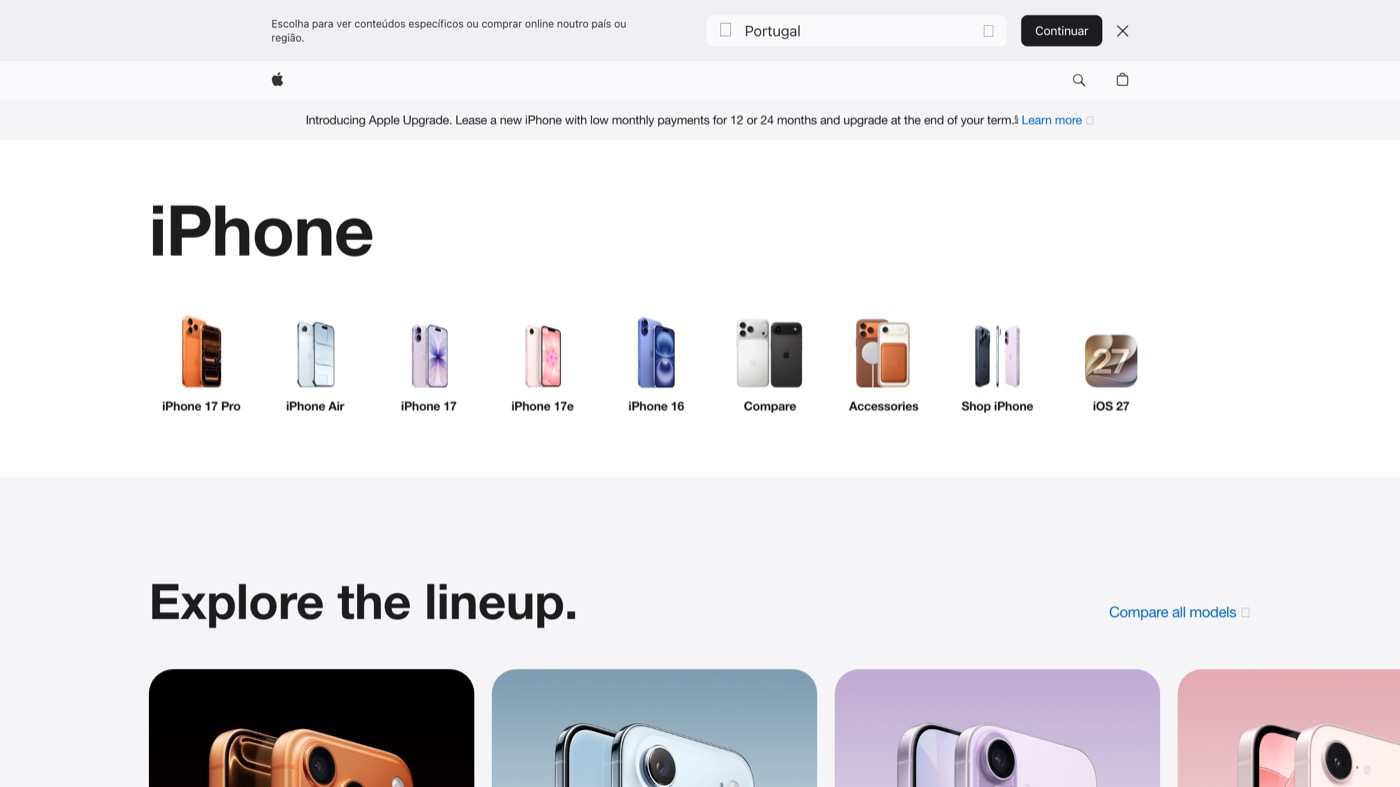
What I take from Apple is the discipline of subtraction. Write down three to five traits, then hold every layout and headline against them. If a feature page needs three extra adjectives to sound important, the personality underneath is too weak to carry it. That is the same discipline that makes a brand positioning statement hold up under pressure.
2. Nike, the motivator
Nike lives in excitement and competence at once, which is why it can sound like a coach and a teammate in the same breath. “Just Do It” has lasted because it points at a real belief about effort, not a line that ran for one season. Nike also keeps widening who counts as an athlete, so the story fits a beginner on a first run as easily as a professional.
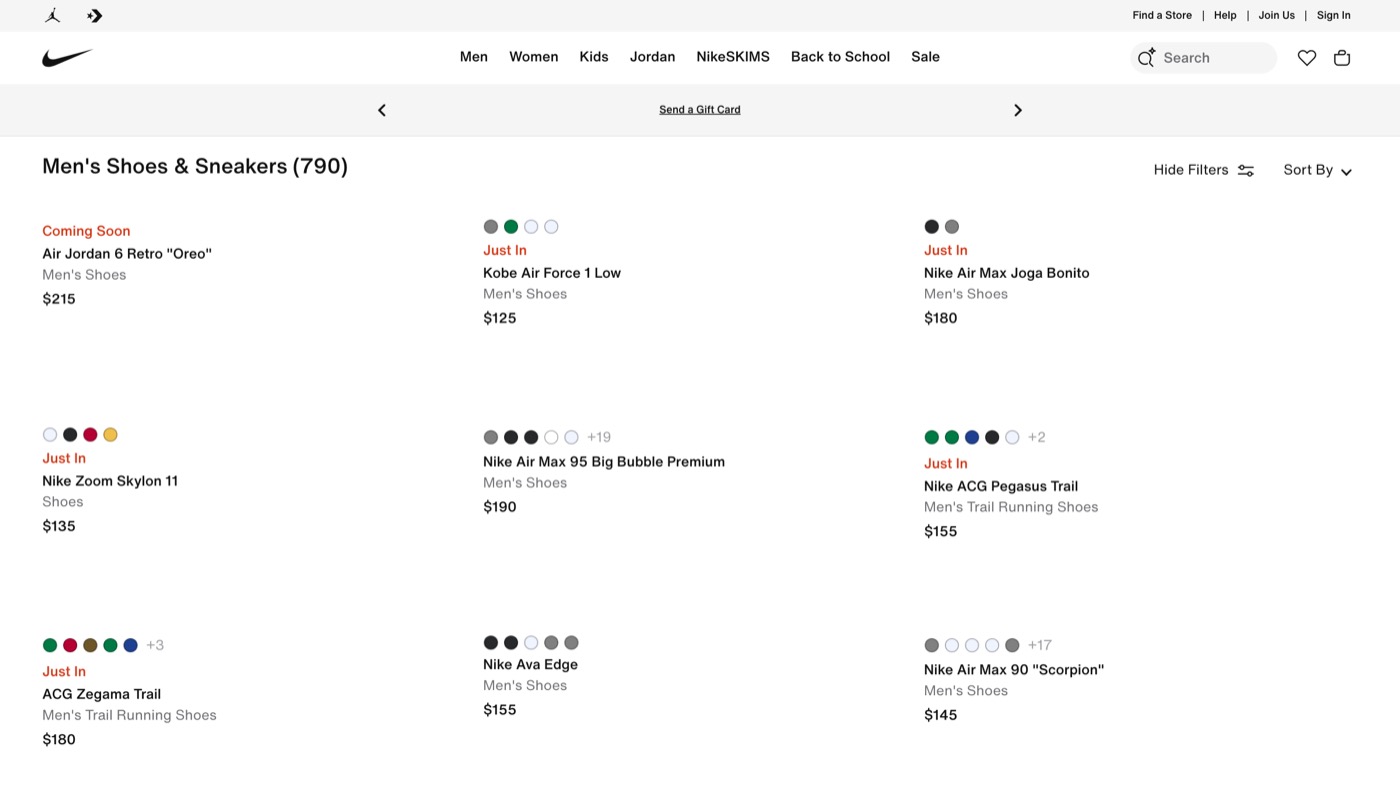
The part worth stealing is the respect for the work. Nike never says effort is easy. It says effort is worth it, and that small difference keeps motivation from turning into empty hype. Beliefs like this are the thread running through strong mission statement examples, where the words mean something because the company acts on them.
3. Innocent Drinks, the warm confidant
Innocent Drinks sits in sincerity with a comic streak, and it reads like a friend who makes you laugh without straining for it. The hand-drawn labels and the offbeat posts all sound like one person wrote them. When the brand owns a mistake with a joke or explains the people behind the drink in plain words, the character holds.
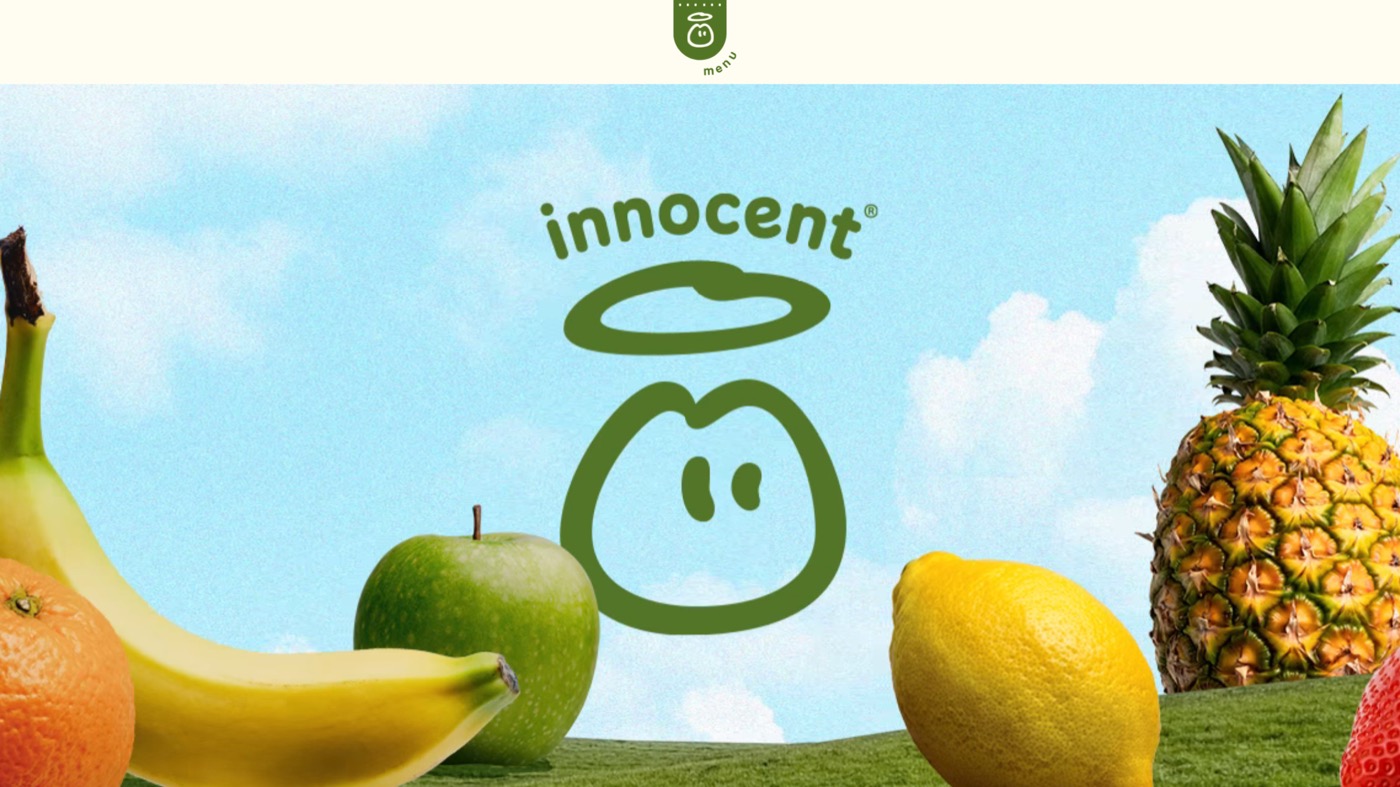
The test I use here is simple. If a stranger cannot tell it is the same brand across a label and a support reply, the personality is too loose to matter. Funny is not a license to be careless, and Innocent knows the difference between self-aware and mean.
4. Harley-Davidson, the rebel
Harley-Davidson is the textbook ruggedness brand, but the deeper idea is freedom through identity. It sells membership in a culture built on independence more than it sells a motorcycle. The heavy, customizable machines back that up, and so do the owner events that feel like real gatherings rather than staged photo ops.
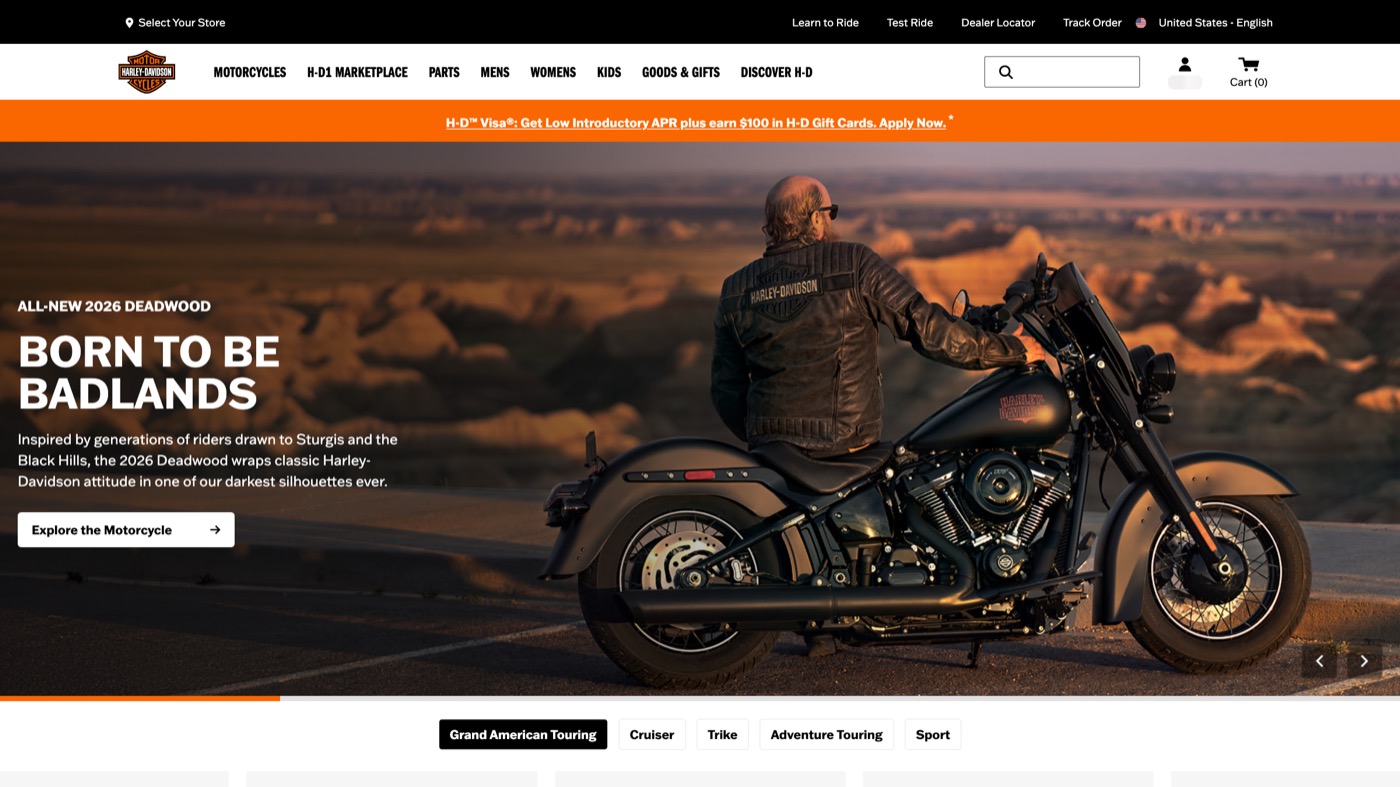
Harley teaches the hardest lesson in this work. When the business model and the story contradict each other, the personality collapses. A brand cannot preach independence while controlling every choice a customer makes, because that gap shows fast.
5. Rolex, the prestige icon
Rolex is sophistication kept under tight control. Its character is reserved and understated, and it lets craft and scarcity do the talking. Luxury slides into snobbery easily, so Rolex keeps the communication minimal and the settings closer to a private gallery than a crowded shop.
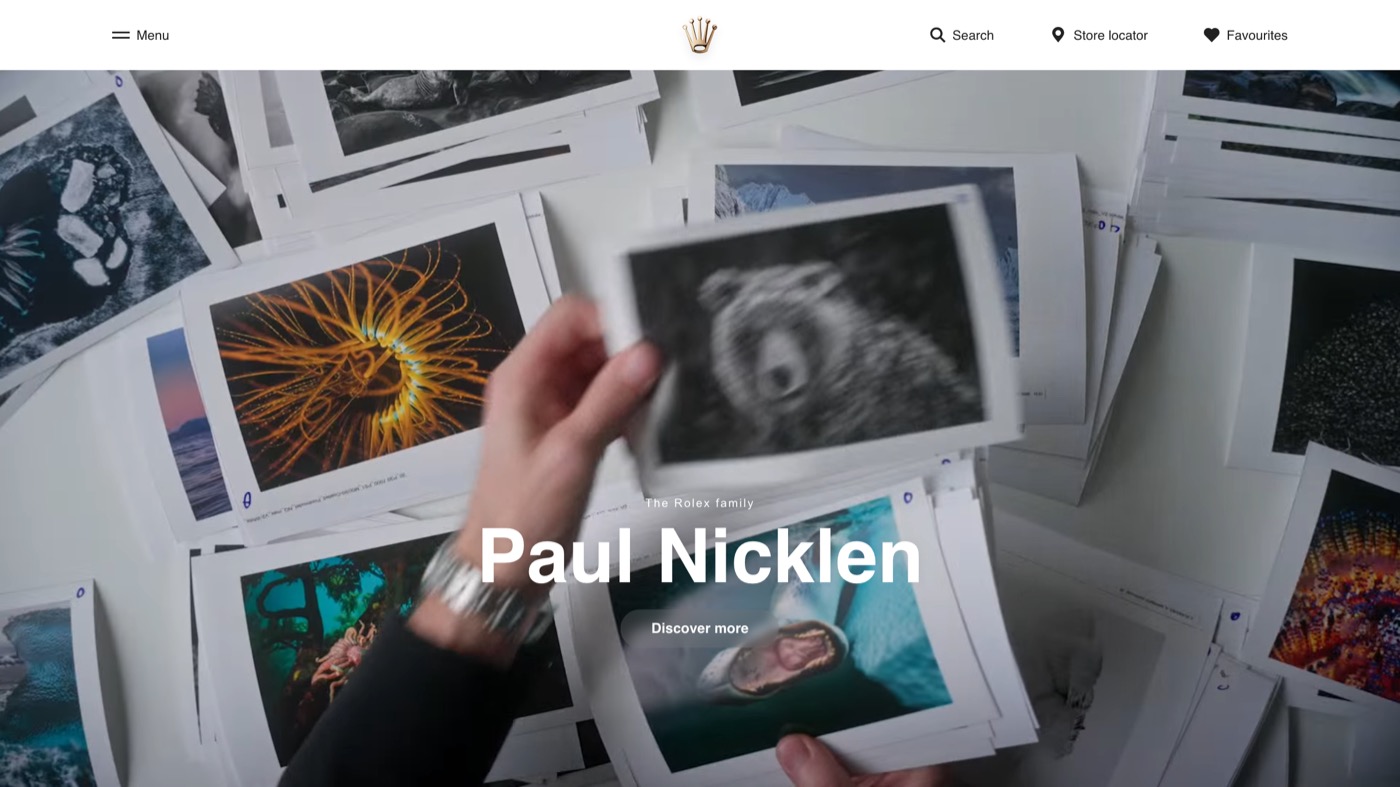
If you are building something more refined, the useful move is to write down what the brand will not do. No mass distribution, no chasing whatever is fashionable this quarter. Those limits are the personality itself.
6. Patagonia, the principled activist
Patagonia combines ruggedness with sincerity, and the result reads as principled and willing to act. It puts environmental values at the center of the business rather than the edge of the marketing plan, and the behavior backs the words. The brand talks about supply chains and overconsumption in plain terms, and it has funded environmental groups and gone to court over public land.
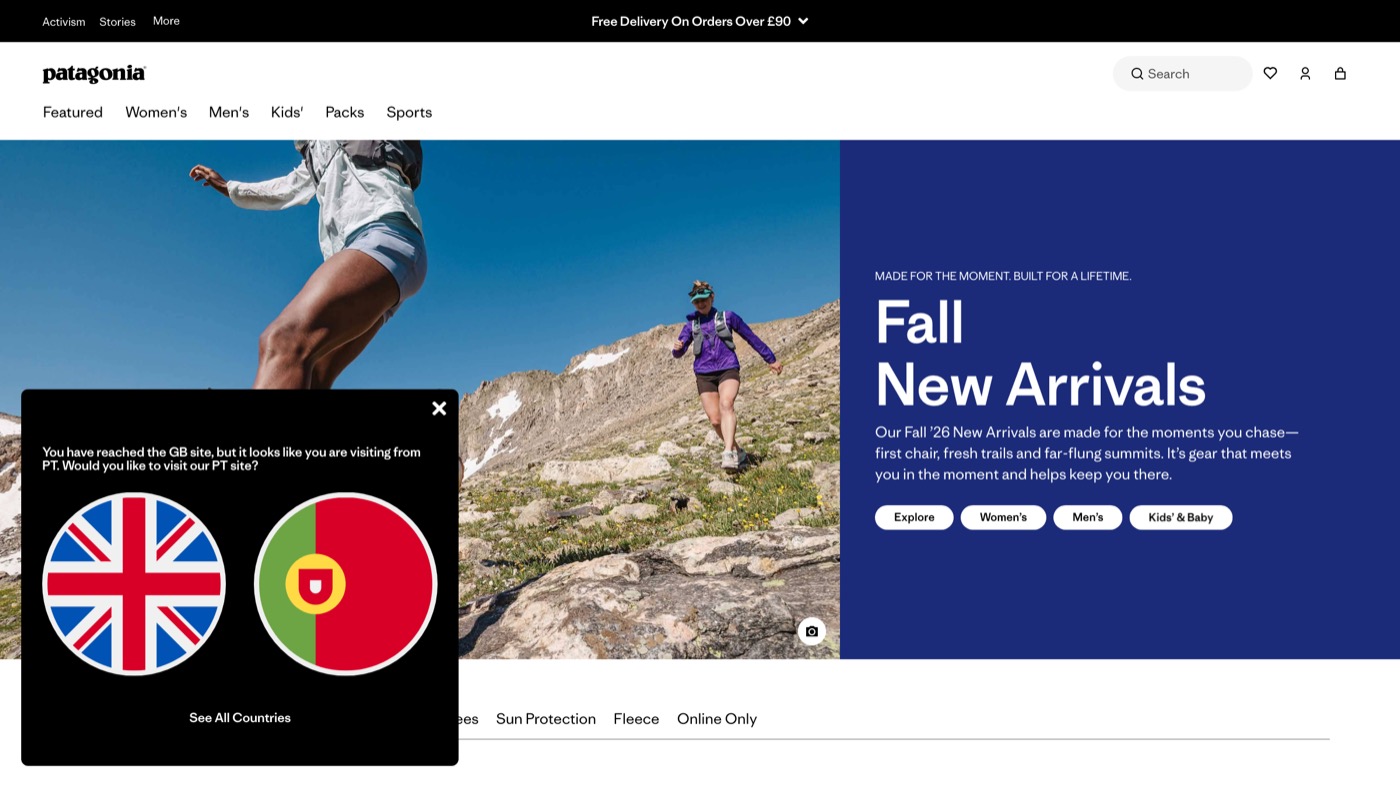
This is the brand that proves personality has to survive hard questions. Claim values and customers will look for proof, and one hollow move can undo a year of polish. Before committing to a principled personality, I would ask one thing. Would your operations still tell the same story if the campaign money vanished? That is what a real brand audit is for.
7. Mailchimp, the approachable expert
Mailchimp mixes competence with excitement, which matters in a category that could easily read as cold and technical. Freddie the chimp and the illustrated style make a complex tool feel approachable, and the voice still walks people through real work. That balance is what makes it an approachable expert instead of a mascot with nothing behind it.

Friendly still has to be useful. Simple language and encouraging microcopy only work if the help center sounds like the same company. When the interface is warm and the support docs read like a legal contract, the brand splits in two and users notice.
8. Wendy’s, the witty conversationalist
Wendy’s built its reputation on being witty and current, leaning on excitement with enough sincerity that the jokes do not feel hollow. The social voice is fast and sharp, and it works because the brand replies like it is part of the conversation instead of watching from a distance.
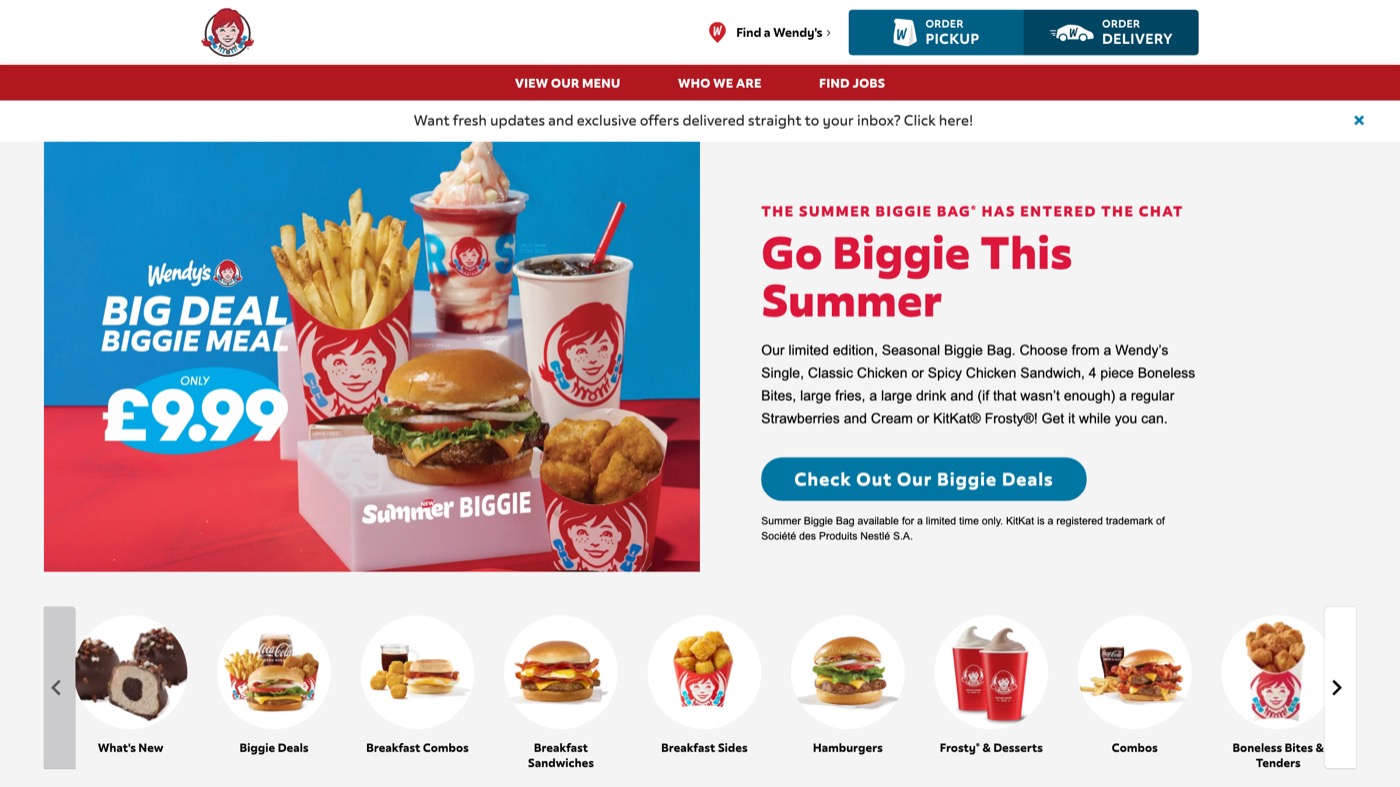
A witty personality is expensive, not in money but in attention. The team has to move quickly and stay aligned, because a late joke loses its shape and a mean one loses the audience. Wendy’s also shows why support cannot be an afterthought, since a funny feed still has to handle a real complaint like a company that cares.
9. Dove, the inclusive caretaker
Dove is grounded in sincerity and competence, and it reads as inclusive and reassuring. The move away from supermodel imagery toward everyday people became part of the identity because it matched both the message and the product. Inclusion only works as personality when it shows up in the casting and the product, well beyond the campaign art.
A personality like Dove’s works because brands carry meaning people take on as their own. Debbie Millman has spent a career on that idea, and this talk on how symbols and brands shape us is a good watch.
Dove is a good reminder that caring is too vague to be useful on its own. A trait like inclusive confidence tells a writer and a designer what to actually do. Customers can tell when a brand means it, because the proof is in who gets featured and what the company funds.
10. Red Bull, the energy catalyst
Red Bull is excitement in its purest form, and the deeper idea is that the brand enables performance rather than just talking about energy. It builds experiences and content around the feeling, from the media house to the Stratos space jump, so it stays active by doing active things.
The trap most brands fall into is mistaking volume for personality. Red Bull ties its energy to events and athletes people can actually see, which is why it reads as vivid instead of loud. Pick a high-energy character and the whole operation has to keep proving it, not just one campaign.
11. Lego, the creative enabler
Lego is playful and built on the belief that making things is part of being human. It blends excitement with sincerity, which is how it speaks to a six-year-old and a forty-year-old without losing its center. The product carries the story, because a box that leads to only one outcome cannot claim creativity. Lego Ideas shows the same logic, letting fans submit and vote on builds that can become real sets.
The best trait sets help the customer do more. Lego’s real trait is closer to creative enabler than fun, and that distinction changes how you judge a campaign. After someone touches the brand, do they feel more able to make something, or more boxed in? The answer tells you plenty.
12. Volvo, the dependable protector
Volvo is built on competence and sincerity, and it reads as safe and dependable. The identity has been tied to engineering and safety for so long that the personality feels earned rather than invented. Volvo sells peace of mind before it sells status, and the product design and the language point the same way.
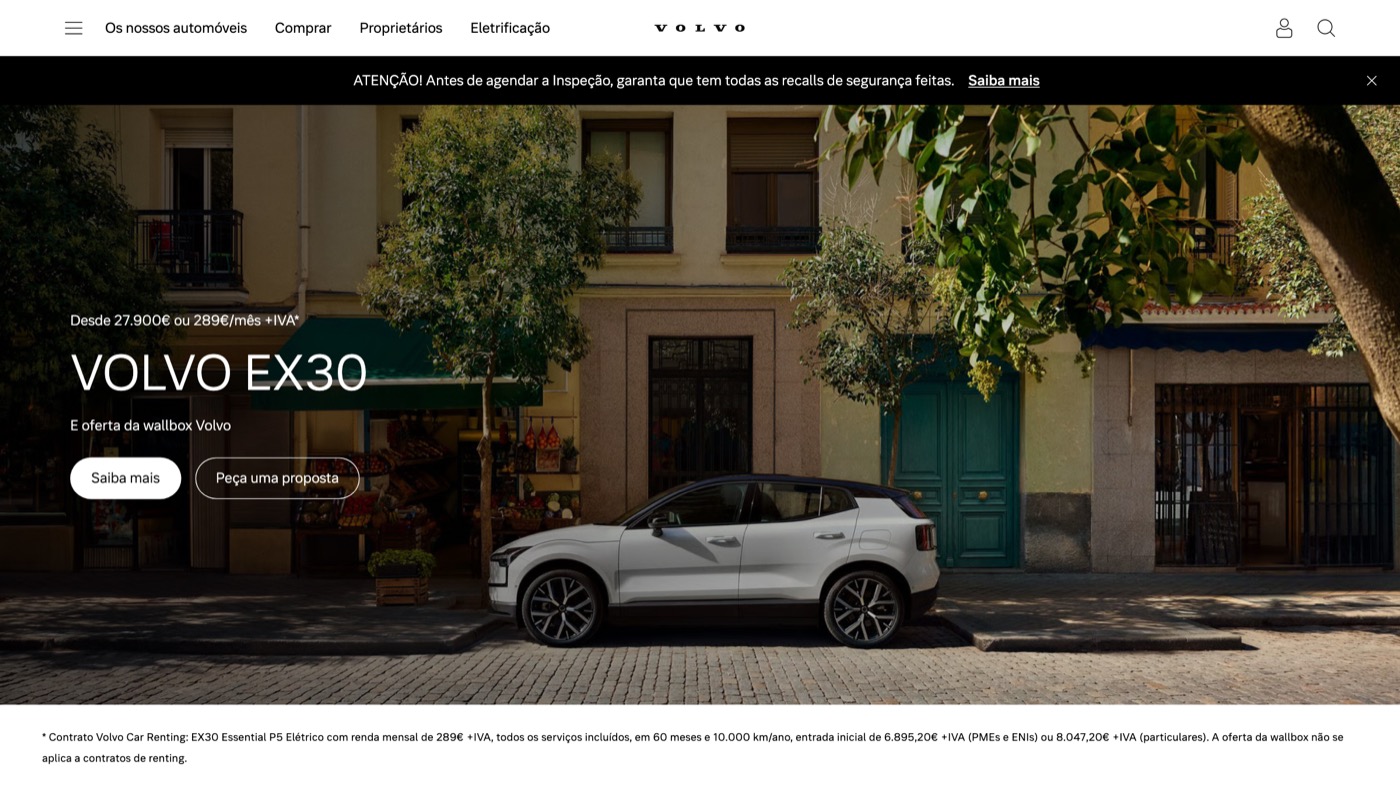
Reliability only works when the claims and the product match. If a brand talks about safety but hides the testing, trust drops fast. Volvo leans into the engineering detail instead, and its constraints, the safety-first calls and the careful communication, are part of the character rather than a limit on it.
The 12 brands at a glance
| Brand | Aaker dimension | The personality in a line | What to steal |
|---|---|---|---|
| Apple | Competence, sophistication | Purposeful and precise | Say more with less and protect the white space |
| Nike | Excitement, competence | A coach who respects the work | Motivate without promising shortcuts |
| Innocent Drinks | Sincerity | A funny friend who is never careless | Sound like one person everywhere |
| Harley-Davidson | Ruggedness | Freedom through identity | Make the product back the story |
| Rolex | Sophistication | Reserved and understated | Define what the brand will not do |
| Patagonia | Ruggedness, sincerity | Principled and willing to act | Put values in operations, not only ads |
| Mailchimp | Competence, excitement | An approachable expert | Keep the docs in voice, not just the ads |
| Wendy’s | Excitement, sincerity | Witty and current | Move fast and still answer complaints |
| Dove | Sincerity, competence | Inclusive and reassuring | Show inclusion in casting and product |
| Red Bull | Excitement | An energy that acts | Back the feeling with real events |
| Lego | Excitement, sincerity | A creative enabler | Leave room for the customer to create |
| Volvo | Competence, sincerity | Safe and dependable | Let the engineering carry the promise |
How to define your own
Pick three to five core traits, then write a do and a do-not list for each one. That is the whole method, and the forcing function is the do-not side, because it makes you choose. A pile of adjectives on a slide does nothing on its own. What works is a short set of rules that a writer and a support rep can both act on.
A consistent personality compounds into brand equity over time. This short explainer covers how that equity actually builds.
Start with traits your competitors could not also claim. “Trustworthy” and “passionate” are too generic to guide anyone. They sound fine and tell your team nothing about what to do on a Tuesday morning. Sharper traits sound specific, like approachable expert or rebellious through customization. My rule is blunt: if a competitor could claim the same trait without sounding ridiculous, keep looking.
Then pressure-test the traits against real material. Read a landing page and a support reply back to back. If the same traits produce sensible decisions in both, you are close. If they do not, either the traits are too broad or the business is not ready to back them.
Keep the related ideas apart so the work stays clean. Brand personality is the character. Brand voice is how that character sounds in words. Brand identity is the visual and verbal system that carries it. If you want a wider lens for picking a role in the first place, brand archetypes give you twelve character templates to start from, and they pair well with the trait work here.
The last piece is keeping the character intact once the volume of work climbs. This is where most brands slip, because a new freelancer or a rushed campaign resets the voice without anyone deciding to. I run Moonb as an embedded creative team for this reason, a creative team you keep on call, so a brand keeps sounding like itself across video and design instead of getting rebuilt every quarter. Whether you use a standing team or a tight internal one, the goal is the same. The brand should feel like the same person every time it shows up.
Start with the three traits you would defend in a room full of skeptics. Turn them into do and do-not rules, back each with a real example from your own work, and share the set with everyone who writes or designs anything. Then check it against what you ship this week.
Further reading: AI UGC ads for creators.
Frequently asked questions
Brand personality is the character. Brand voice is how that character sounds once it turns into words. Personality decides that you are, say, a warm and plainspoken brand. Voice decides the exact vocabulary and the level of humor you use in an email or on a product label. You define the personality first, because the voice is downstream of it. A quick check is to read one paragraph aloud and ask whether it sounds like the character you wrote down. If it does not, the voice has slipped away from the personality.
Three to five is the range I use. Fewer than three tends to be so broad that it guides no real decisions, and more than five gets impossible to hold in your head while you write or design. The number matters because it forces you to choose, since you cannot be everything at once. Pick the traits you would defend to a skeptical colleague, then write a do and a do-not for each so the words turn into behavior.
No. Personality is a set of decisions before it is a set of assets, so a two-person company can have a sharper character than a corporation with a hundred marketers. Innocent Drinks and Wendy's both built recognizable personalities largely through consistency and a clear point of view rather than expensive production. What small teams need is discipline, one person who owns the trait set and checks new work against it. The usual failure mode is a rotating cast of freelancers, each setting a slightly different tone until the character blurs.