16 animation studios for brands, compared
The 16 animation studios I'd shortlist if you're hiring an animation agency this fall, with the catch I'd mention for each one before you sign anything.

If I were hiring an animation agency for a brand this fall, these are the 16 studios I’d shortlist, from Aardman’s stop-motion and Titmouse’s cartoon comedy to Tendril’s product CG and Breadnbeyond’s packaged explainers. Moonb is entry one and pays my salary, so read that card more skeptically than the rest.
A stop-motion holiday film, a cartoon campaign with jokes in it, a 3D launch film for a piece of hardware and a packaged software explainer all come out of very different shops, so work out which one you’re buying before you pick the studio. I see new briefs every week, and the ones that turn messy usually did it in the other order.
The entries go by what each studio published in October 2026, so where you see no price, there wasn’t one to see. For motion graphics, our motion graphics companies comparison is the better read; the list of animated video production companies has a few bigger names I left out on purpose.
1. Moonb
More on Moonb
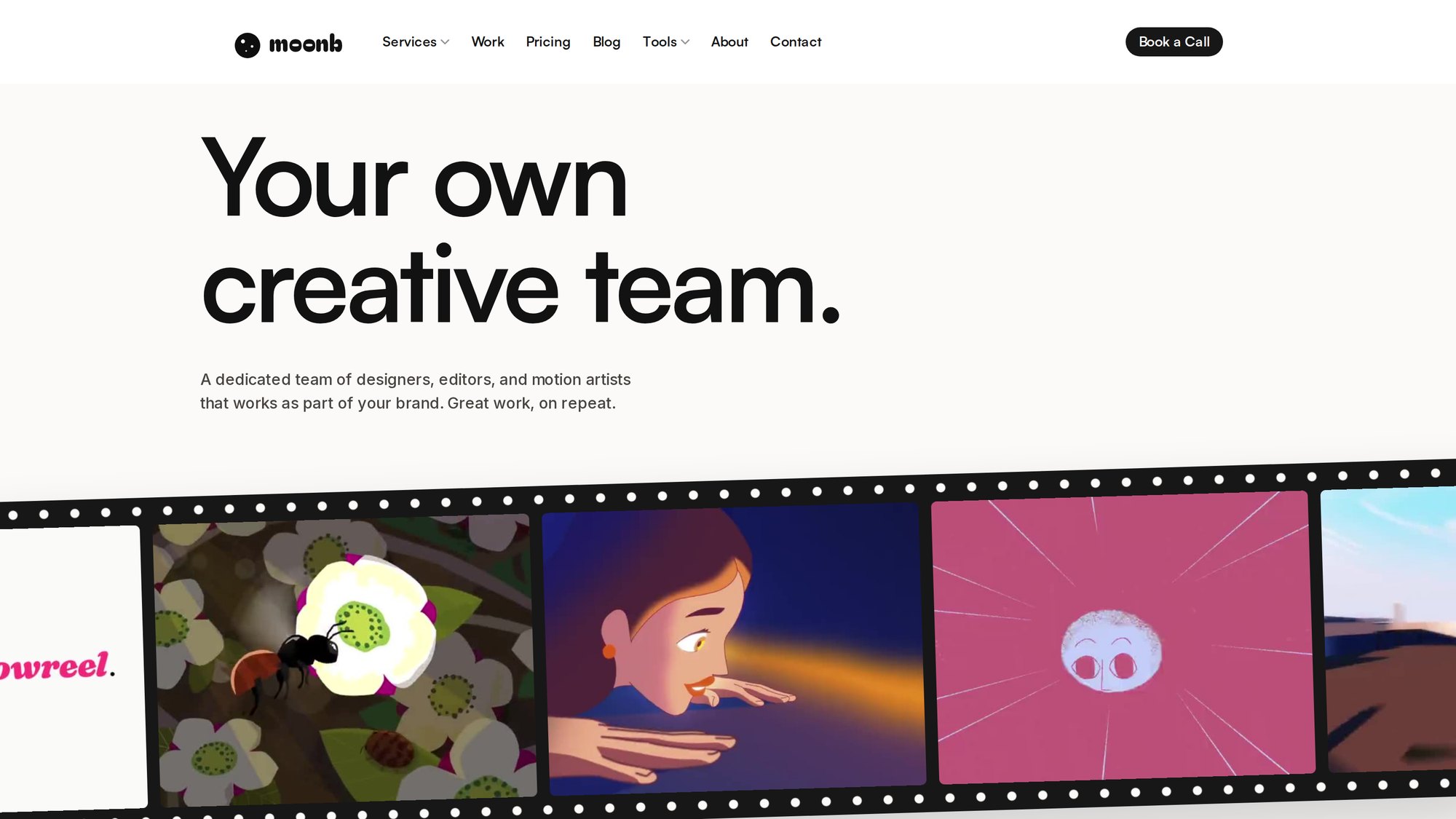
Our product renders show the 3D side best. When a product has to be shown from the inside, we model it from the real thing and cut it open or pull it apart on screen. The people who animate for you also design what goes around the film, so nothing gets handed to a second vendor.
2. Nexus Studios
More on Nexus Studios
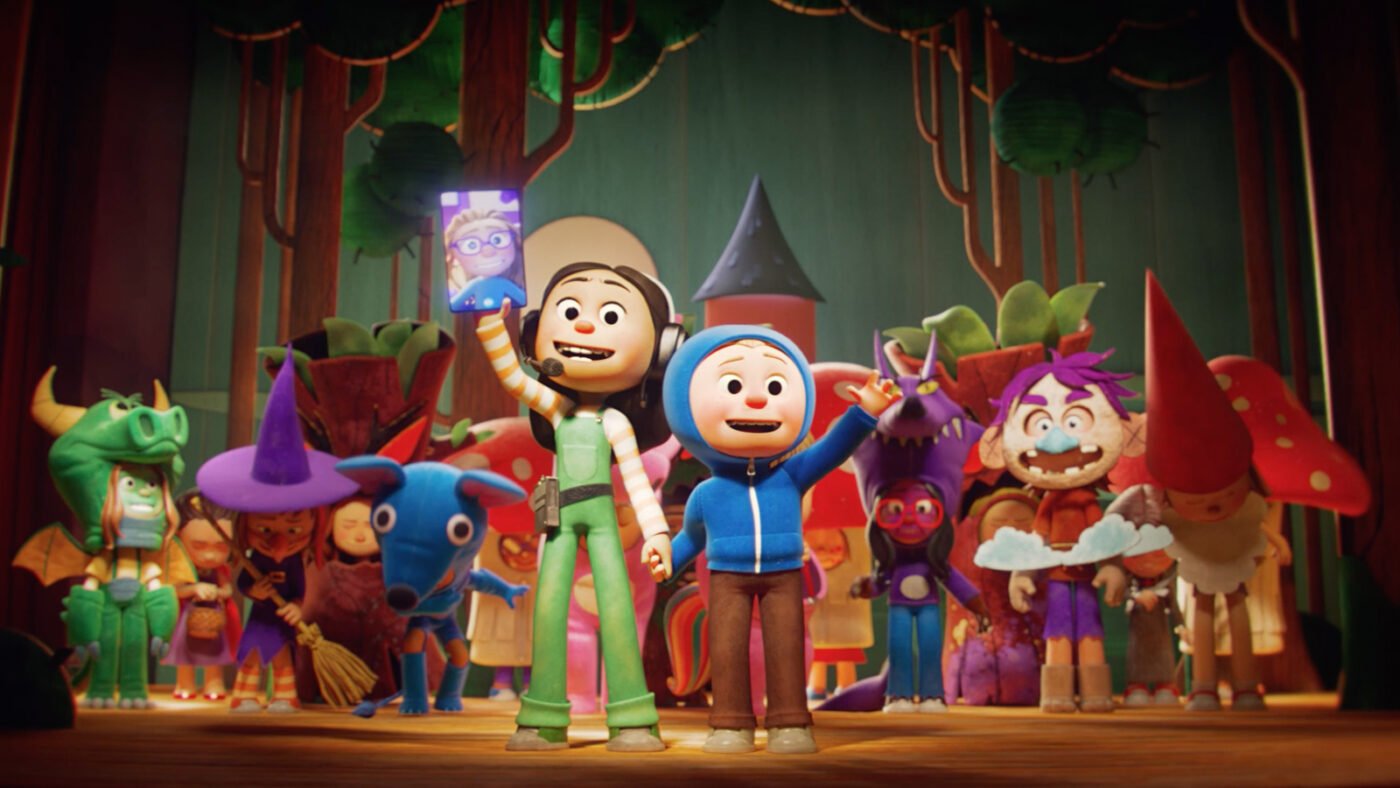
Brand films are one of three strands at Nexus; the others are entertainment and experience design, and the site also carries Emmy-winning features and BAFTA-winning shorts. I like how odd the brand list is. Progressive's pigeons are on it, and so are a Back Market film called The Monster and a Telstra piece called Google Pixel 10.
An idea that hasn’t picked its medium yet suits Nexus best, because one roster there can take it into puppets as easily as into 3D.
3. Aardman
More on Aardman
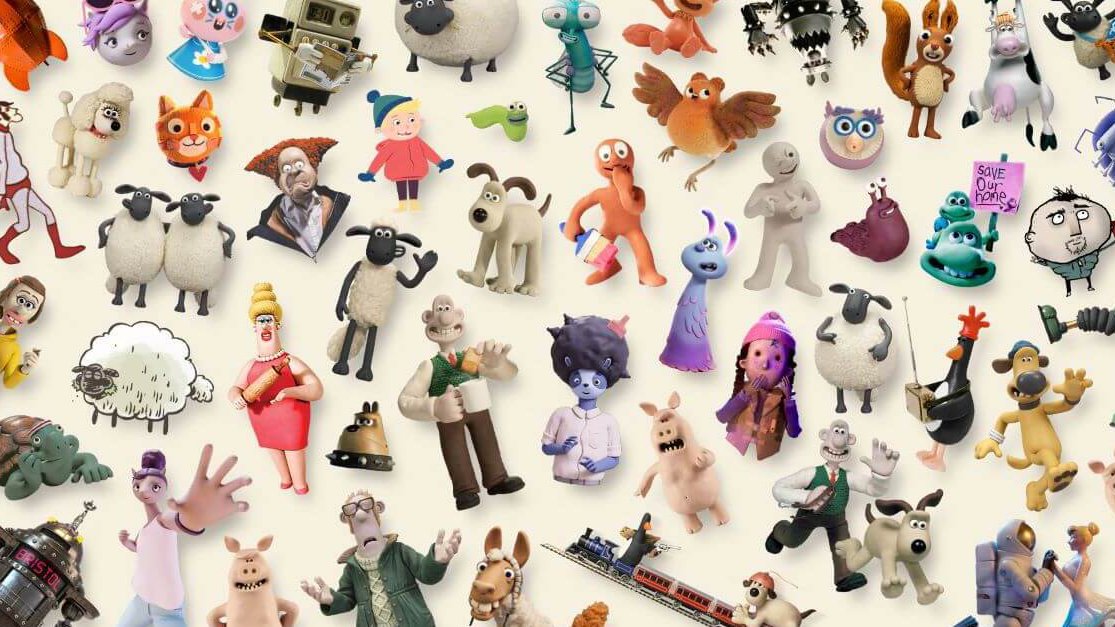
Most people know Aardman from Wallace & Gromit, Shaun the Sheep, Chicken Run and Morph, and it has four Oscars on the shelf. The commercials side gets less attention. It takes briefs from agencies and straight from brands, and Steve Harding-Hill has been its Creative Director since 2016. If you want Shaun in your ad, you'll also be talking to the separate Aardman business that handles character licensing.
Barbour’s 2024 Christmas ad, posted on its own channel, shows what licensing a famous character buys you. The description has Bitzer trying to conduct the flock’s carols on a very cold Mossy Bottom Farm while their baas start to freeze, and none of it needs explaining to anyone who grew up with Shaun.
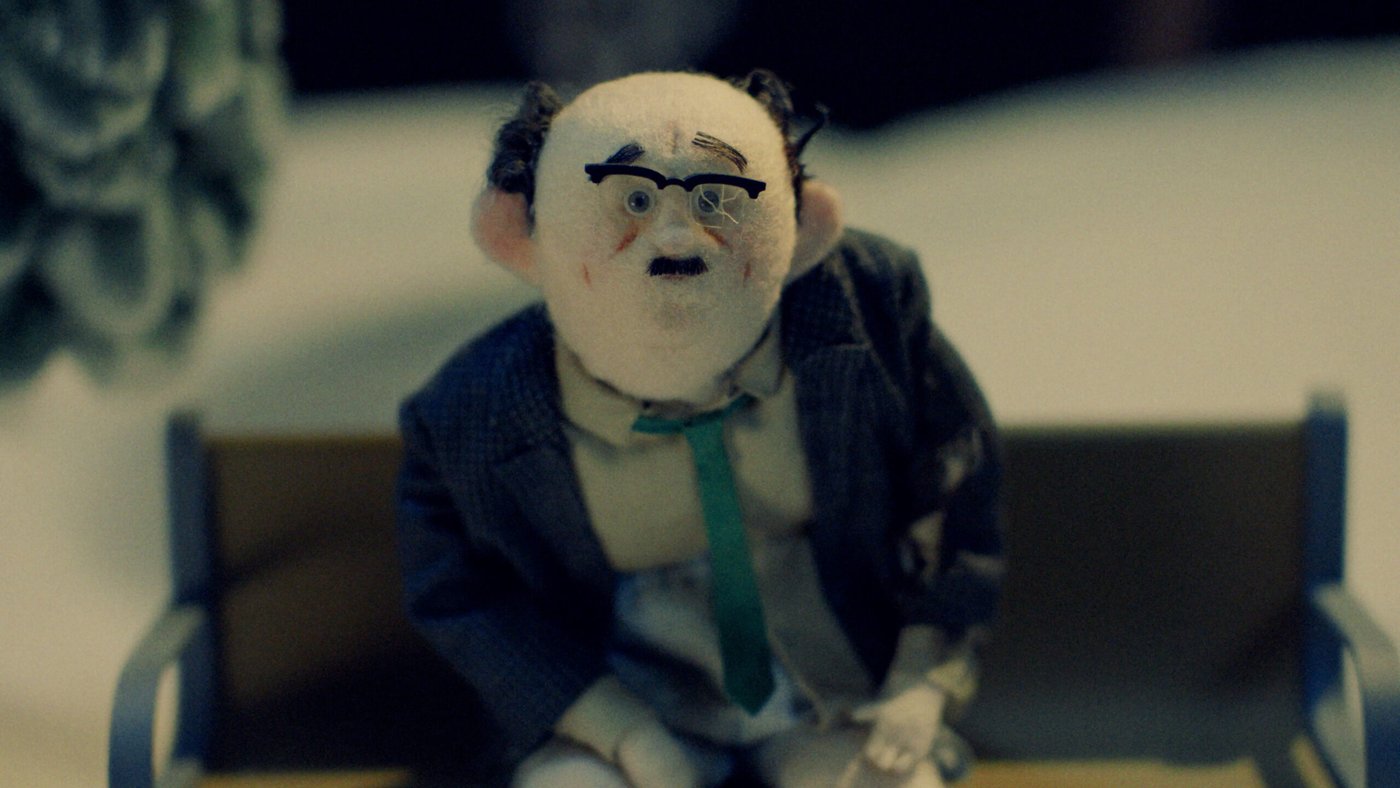
4. Passion Pictures
More on Passion Pictures
The homepage shows Apple's Fuzzy Feelings (directed by Anna Mantzaris), LEGO Friends work and a Life360 spot called I Think of You (Dying). American brands can start through its US rep, Free Agents. The trophy count (3 Academy Awards, 15 Emmys, 5 BAFTAs, 9 Sundance awards and 2 Cannes Golden Lions) is split between animation and documentary, and Super/Man: The Christopher Reeve Story won the BAFTA for Outstanding Documentary. If your brand film mixes interviews with animation, that documentary record is the reason to call Passion.
For anything handmade, Passion and Aardman are my two calls. Our stop-motion animation examples will help you pin down which of their looks you’re after before you ring either.
5. Blinkink

More on Blinkink
Blink Industries, its long-form arm, develops original TV, film and games. On the advertising side, nearly every film carries a director's name: Apple's Hello Neo and The Mighty Mac Mini, McDonald's Happy Meal Changeables, a Nike film called Give'em Nightmares, three Whiskas spots.
So I'd do the shortlisting on the directors page and treat Blinkink as the production team around whoever you pick.
6. Studio AKA

More on Studio AKA
Hey Duggee is the best argument for Studio AKA if you need a character held steady over a long series. The studio makes it fully in-house for CBeebies and BBC Studios, and the show has won seven BAFTAs and two international Emmys. Its official YouTube channel has passed 2.8 billion lifetime views. The brand work sits around the shows, from an Admiral ad campaign and a Fortnum & Mason Christmas campaign to documentary sequences for Lincoln's Dilemma, and new commercial work goes through Nikki Kefford.
7. Titmouse
More on Titmouse
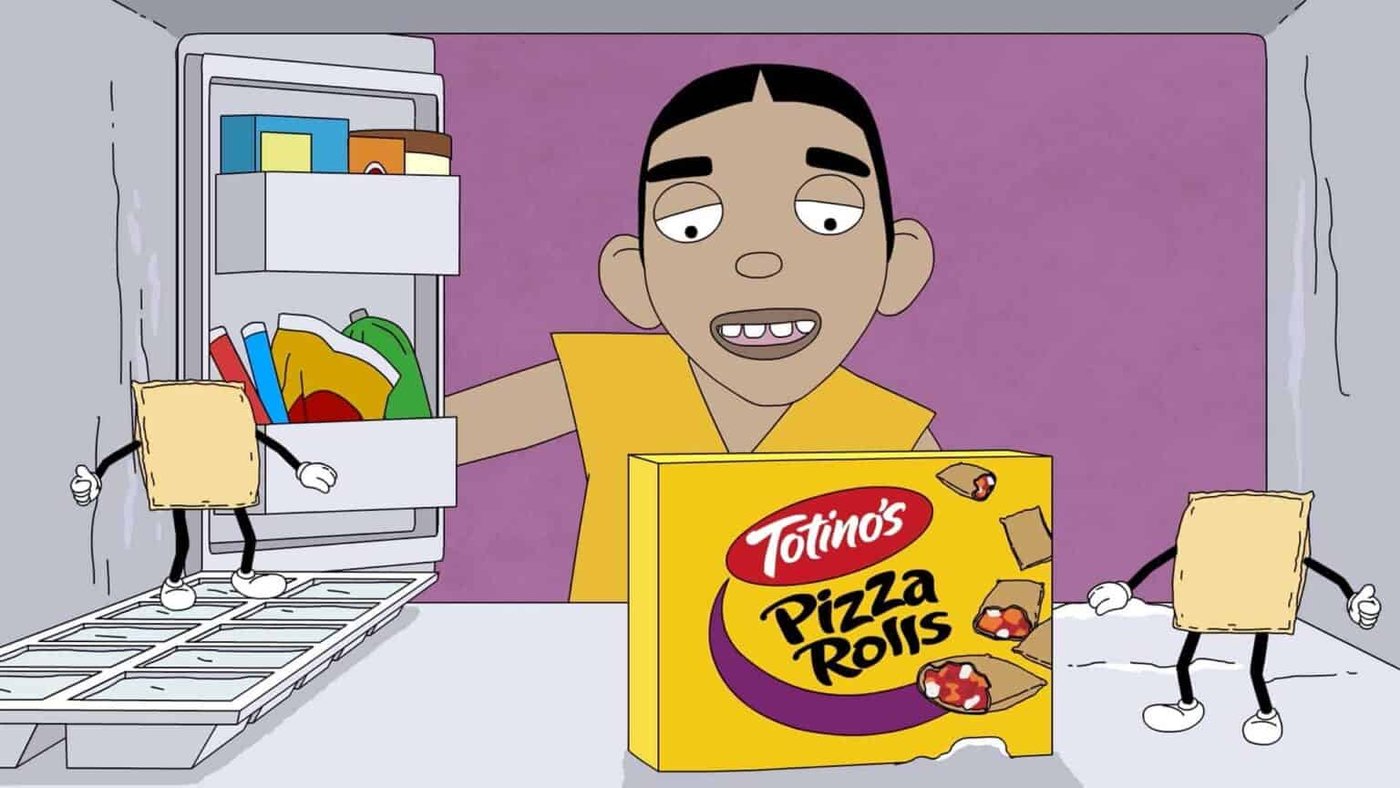
Titmouse has my favorite origin story here. Chris and Shannon Prynoski opened it as a T-shirt company in 2000, nobody bought the shirts, and TV and film studios kept paying them to make cartoons. The Legend of Vox Machina, Big Mouth and Spider-Man: Across the Spider-Verse are all on the work list. Filter to advertising and you get a Heinz No Sugar Added Ketchup anthem, Totino's Pizza Rolls and a Nissan Murano spot.
8. Blue Zoo
More on Blue Zoo
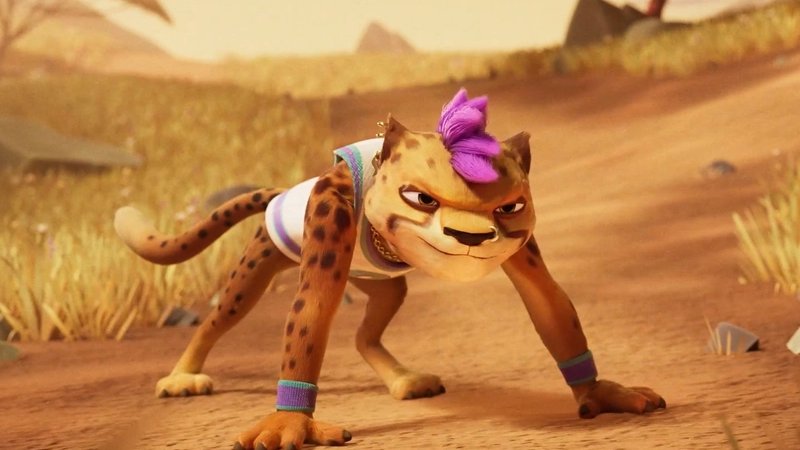
Blue Zoo is creator-owned and based in Camden, London. There's a 2025 impact report on the site, which helps if sustainability counts in your supplier scoring. The 2D work has its own collection; look at that as well as the 3D before deciding what kind of character you want.
9. Psyop
More on Psyop
In 2000, five creatives left MTV and opened a studio in a converted bar on Manhattan's Lower East Side. The group has since brought in other studios, Golden Wolf and Take Your Medicine among them. The studio page lists Google Maps, Jordan, Dream Games, Converse and Expedia, plus a Chick-fil-A film called The Snow Globe and a Coca-Cola film called Man and Dog.
If you sell games, start with GODS. It’s stylized character animation, and in one shot a character in a gaming chair throws both fists up under arena lights.
10. LOBO
More on LOBO
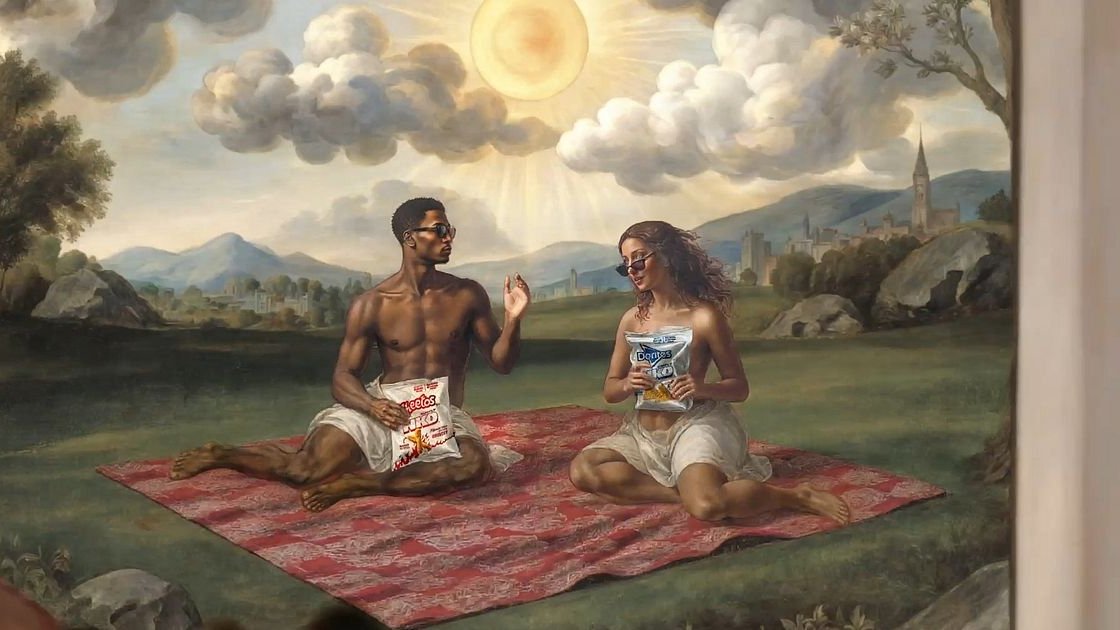
Scroll LOBO's animation page and the look changes with almost every project: Frito-Lay's Simply NKD "Renaissance of Snacking", UPS "Coco vs the Doubters", a Mastercard spot called Number 10, then Leica, Sonos, Walmart and a Hublot and Ferrari piece. The US team works out of 53 Elizabeth Street in New York, with sales reps on both coasts and in the Midwest and an executive producer for Europe and Asia. Nearly every project on the site credits the artists who made it, so you can ask for the people and not just the studio.
11. Scholar
More on Scholar
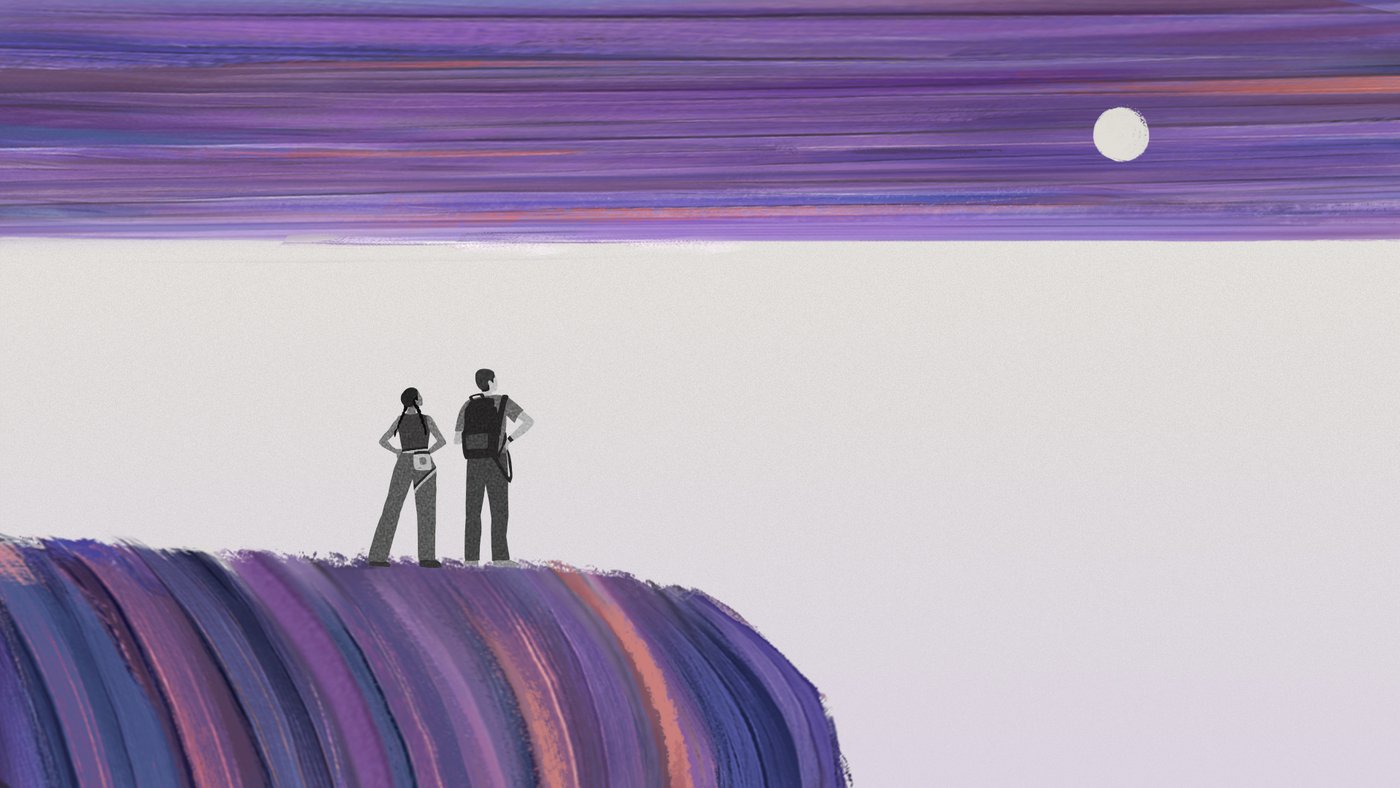
You might know Scholar by its longer old name, since gentlemanscholar.com now redirects to helloscholar.com. One scroll of the project list takes you past Olipop's "Raspberry Sherbet", Chevron's 2026 Cars campaign, an Okta project and a planetarium film for the U.S. Space Force. It says it likes to jump in early, at strategy and concept, and if you arrive without a settled look I'd take it up on that.
12. Brand New School
More on Brand New School
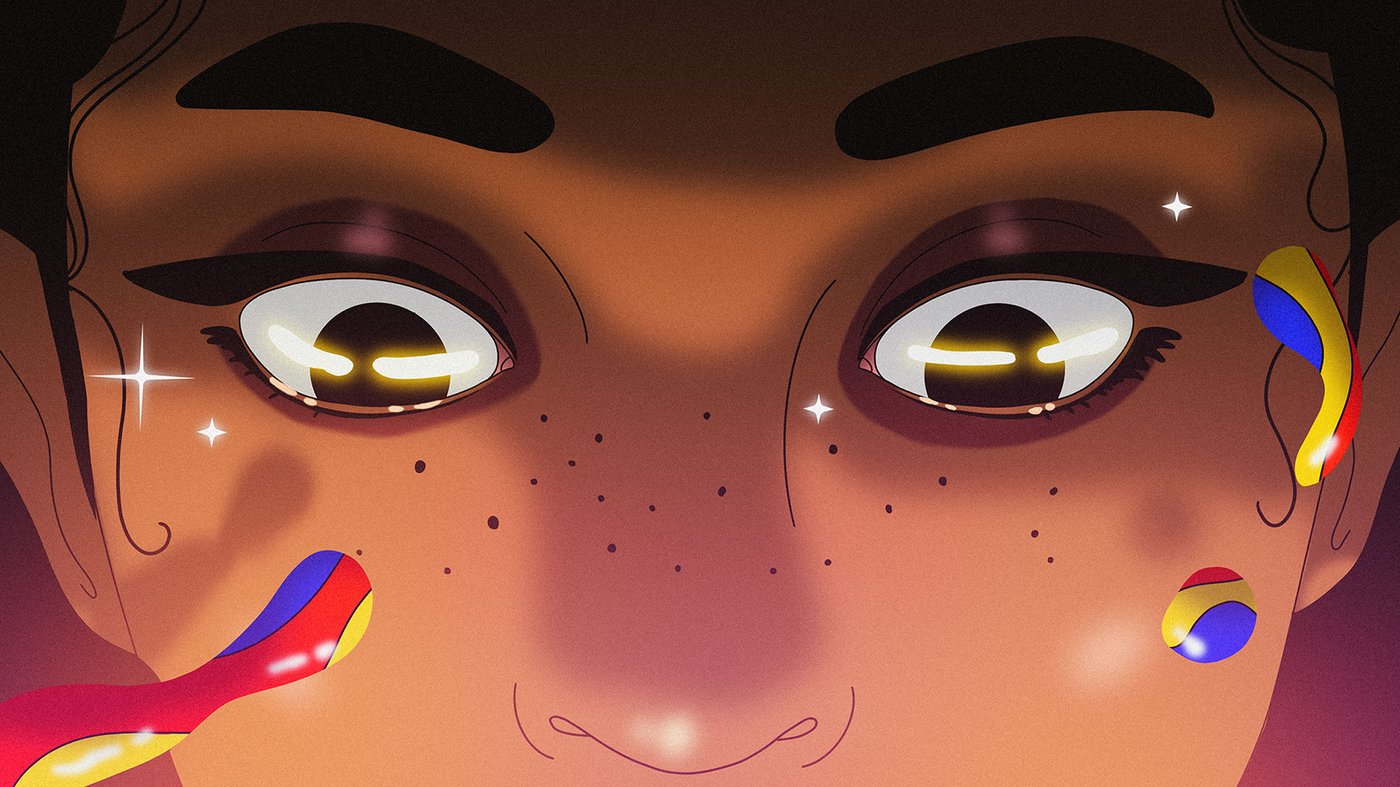
Brand New School has been going for nearly two decades. Its testimonials come from Slack, Brooks Running and Block's Bitkey, but I'd spend more time in the work index, where Adobe, Coinbase, Dolby and DoorDash turn up. The fourth division, Creative Technology, sells AI pipelines and AI consulting.
13. Tendril

More on Tendril
Tendril's homepage says most innovation goes unseen because it lives where the eye can't reach, and that its job is making it impossible to miss. I like that as a description of product CG in general (our 3D video production companies roundup has more studios doing it). The work behind it includes an IBM LinuxONE launch, Meta's AI glasses with Builders Club and opening graphics for an Emmy-awarded NBA on NBC campaign, and Tendril also made Gestation, the promo film inside FX's Clio Award-winning campaign for Alien: Earth. Its R&D runs in Unreal Engine, AR and VR, and Houdini.
14. Aixsponza

More on Aixsponza
The industry page could pass for a trade fair, with Infineon XENSIV sensors, Fendt product visualization, Dornbracht, Woolmark merino processing and a Nike UltraBreathe piece, and a separate medical section covers science animation.
15. Platige Image
More on Platige Image
The Witcher 4 trailer premiered at The Game Awards in December 2024, and Platige's write-up of the job mentions Unreal Engine 5 with Epic Games involved, a 14-day motion capture shoot and a complex creature called the Bauk. The studio has also launched Platige Film Project for scripted content.
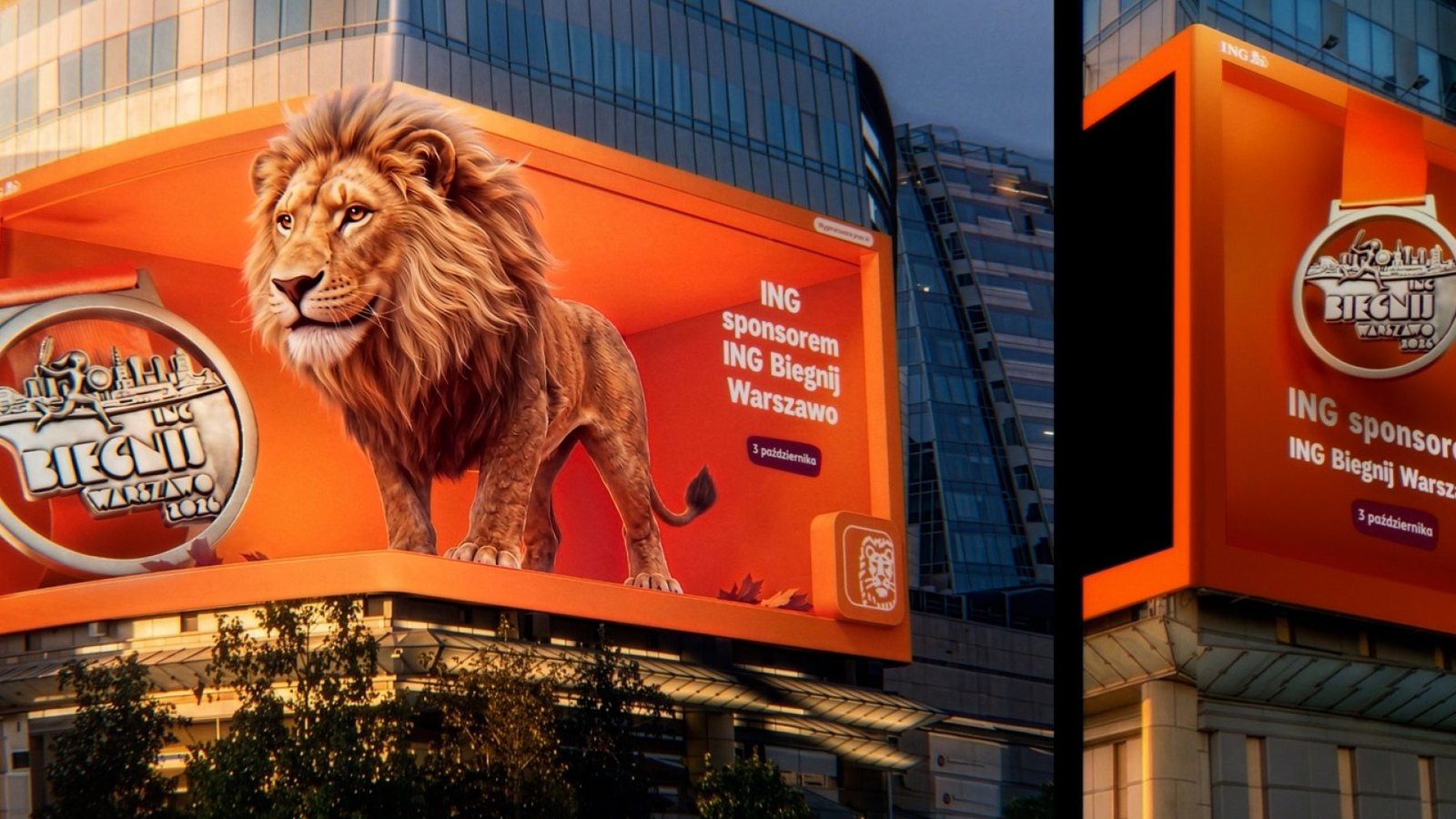
Don't file it as games-only, though. A 3D ING lion and a Żubr spot called Animals are on the homepage too.
16. Breadnbeyond
More on Breadnbeyond
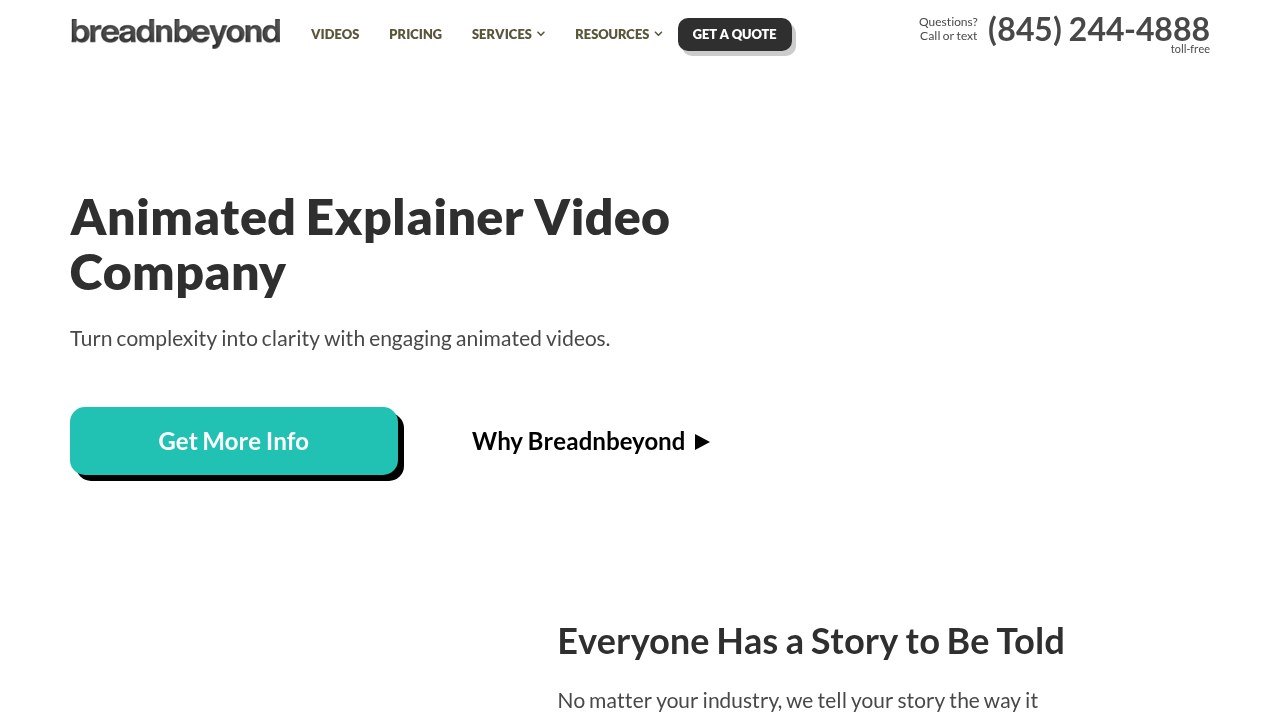
The three packages differ on how many concepts you see, whether a Creative Director joins a hands-on session, how many animators work on the video, and whether source files and 4K are included. You can pick 2D, 3D, motion graphics or whiteboard. Its FAQ says most short animations are finished in 25 business days. The homepage claims 15+ years and 4,000+ stories told.
For a startup that needs one explainer and nothing else, that’s a perfectly sensible buy. Shops in the same mold are in our top explainer video companies roundup.
Craft, price and catch for each studio
| # | Studio | Best for | Main craft | Pricing signal | Limitation |
|---|---|---|---|---|---|
| 1 | Moonb | Weekly animation next to design and video | 2D, 3D, character, motion | One set monthly rate, or a per-project quote | No stop-motion or puppets |
| 2 | Nexus Studios | Director-led campaign films | 2D, 3D, stop-motion, puppetry, mixed media | No published prices | A pitch usually comes before a price |
| 3 | Aardman | Stop-motion warmth, licensed characters | Stop frame, 2D, CGI | No published prices | Late changes are costly once sets exist |
| 4 | Passion Pictures | Emotional character and handmade films | Stop-motion, 2D, CG | No published prices | Director-led process, less hands-on art direction |
| 5 | Blinkink | Sport, music, gaming and fashion spots | Hand-crafted, mixed media | No published prices | No software or training work shown |
| 6 | Studio AKA | Illustrated character work and titles | 2D, illustration, title design | No published prices | Strong focus on its own IP |
| 7 | Titmouse | Cartoon comedy ads and game trailers | Cartoon character animation | No published prices | Series outnumber ads on its slate |
| 8 | Blue Zoo | Characters for toy, game and family brands | 3D and 2D characters | No published prices | Reel leans kids and family |
| 9 | Psyop | Cinematic launches, games, music tie-ins | Mixed media, character, VFX | No published prices | Unclear which group studio makes your film |
| 10 | LOBO | Design-driven illustrative campaigns | 2D, 3D, mixed media | No published prices | Ask what is drawn versus generated |
| 11 | Scholar | Mixed animation and live-action campaigns | 2D, 3D, cel, live action | No published prices | No house style to lean on |
| 12 | Brand New School | Strategy-to-film integrated campaigns | Motion design, CGI, live action | No published prices | Heavy scoping for a single spot |
| 13 | Tendril | 3D product launch films | Product CG, motion design | No published prices | Needs a long lead time before launch |
| 14 | Aixsponza | Technical, industrial and medical 3D | 3D motion design | No published prices | Munich time zone for US reviews |
| 15 | Platige Image | Photoreal cinematics and game trailers | CG, Unreal Engine, mocap | No published prices | Overbuilt for a simple 2D brief |
| 16 | Breadnbeyond | Packaged explainers at a published price | 2D, 3D, whiteboard explainers | From $1,000 for a one-minute package | Explainer format only; 5 to 7 weeks |
Freelancer, in-house or a template
One short animation with a locked script and a single person signing off is usually freelancer work, and our guide to hiring a freelance animator covers finding and briefing one. What you give up is backup. If your one animator is booked or ill, the job waits, and a single person rarely covers script, design, animation and the sound mix equally well.
An in-house motion designer starts to make sense once animation is a weekly need and the style has settled. It’s rare to find one person who’s as strong in 3D as in character work, though. Template tools are fine for internal updates and quick social posts. I wouldn’t put one in front of a customer.
Before you send the brief
Say in the brief whether this is one launch film or animation every week, because the two get planned very differently. A single film needs time for concept, boards, design, animation, sound and finishing. In stop-motion, photoreal 3D or frame-by-frame character work, each second of screen time takes longer still, because every frame is made separately. With a weekly program I’d worry less about any one piece and more about whether the team still knows your brand next month and keeps reusing what it already built. For a weekly program, ask how the studio reuses rigs and assets between episodes; the answer tells you whether month six will cost what month one did.
First-time buyers can get the stages straight from our walkthrough of the animation process, and our animation cost breakdown is worth having open when the quote arrives.
Put everything on the deliverables list: the main film, cutdowns, aspect ratios, versions, captions, voice-over, music, source files and dates. Social versions are easy to forget and hard to bolt on later, even though HubSpot’s visual content statistics find social media videos are the most common thing video marketers make (71%), just ahead of explainers (70%). Once you’re tracking a dozen cuts, notes scattered across email threads get lost, and Fluidwave’s guide to project management software for creative teams covers the tools teams use to keep them in one place.
Revision terms are where I’d push hardest. Get the number of rounds in writing, and whether a round means one consolidated document of notes. Name the stages that need sign-off (script, boards, design, animatic, animation) and what happens if an approved script changes once animation has started. Then settle ownership: the final files, the editable project files and the character designs.
If the animation will autoplay on a website or inside a product, accessibility goes in the brief too, and I’d paste in two rules from WCAG 2.1. Nothing on the page should flash more than three times in any one second, unless the flash stays below set thresholds. And if something moves on its own for longer than five seconds while other content is on screen, it needs a pause, stop or hide control (movement essential to an activity is exempt).
Reading a reel
I don’t trust a reel on its own. Ask for two or three full pieces close to your brief, and for a straight answer on which parts of each one the studio made, because some reels include films where it only did design or compositing.
With a full piece in front of you, follow one character for longer than a single cut. It should stay on model through a head turn, with the hands and mouth holding together in a close-up. Weak timing shows first when a character sits down or picks something heavy up. A loud music bed can hide a weak mix, so listen on decent headphones. And watch it in the crop you’ll actually run, vertical if that’s where it will live.
My favorite request is the boards or animatic behind one finished piece, so I can see what changed between the rough frames and the final film. Boards are easier to read once you know what composition and color are doing in a frame, and Gainsty’s piece on visual storytelling techniques covers that quickly. Then check whether the director and lead animators from the reel would be on your project, and if not, who would.
If you can’t name the look you want yet, our guide to animation styles has the words for it, and a name makes it much easier to point a studio at the right reel piece.
Frequently asked questions
Most studios quote per project from your brief, so there is usually no price to look up. Breadnbeyond is the only one of the 16 studios in this comparison that prints a rate, with packages from $1,000 for one minute of explainer and an extra charge for every 10 seconds past that. At director-led studios the same 30 seconds can come back at very different numbers depending on whether it's vector motion, rigged 2D, stop-motion or photoreal 3D, and on how much concept work the idea needs. I'd ask each studio to price the concept stage separately from production, because that's the only way the quotes line up.
A freelancer is usually the better hire for one short piece when you already know the look you want. Once the job needs writing, design, animation, sound and cutdowns together, or comes back every month, a studio makes more sense; it can also cover the sick days and busy weeks a solo animator can't. I'd start either one on a small paid test, such as a style frame or a short animatic.
Whoever the contract says. For a mascot you plan to use for years, get full ownership in writing before production starts: the finished film, the working project files and the character designs, plus the right to take the character to another studio later. A licensed character is different. Shaun the Sheep and Wallace & Gromit star in Barbour's Christmas films, but Aardman still owns them and licenses them through a separate business.