Ad Creatives: 15 High-Converting Patterns
Fifteen ad creative patterns that convert in 2026, with real examples and the practitioner logic behind why each one works and where it breaks.

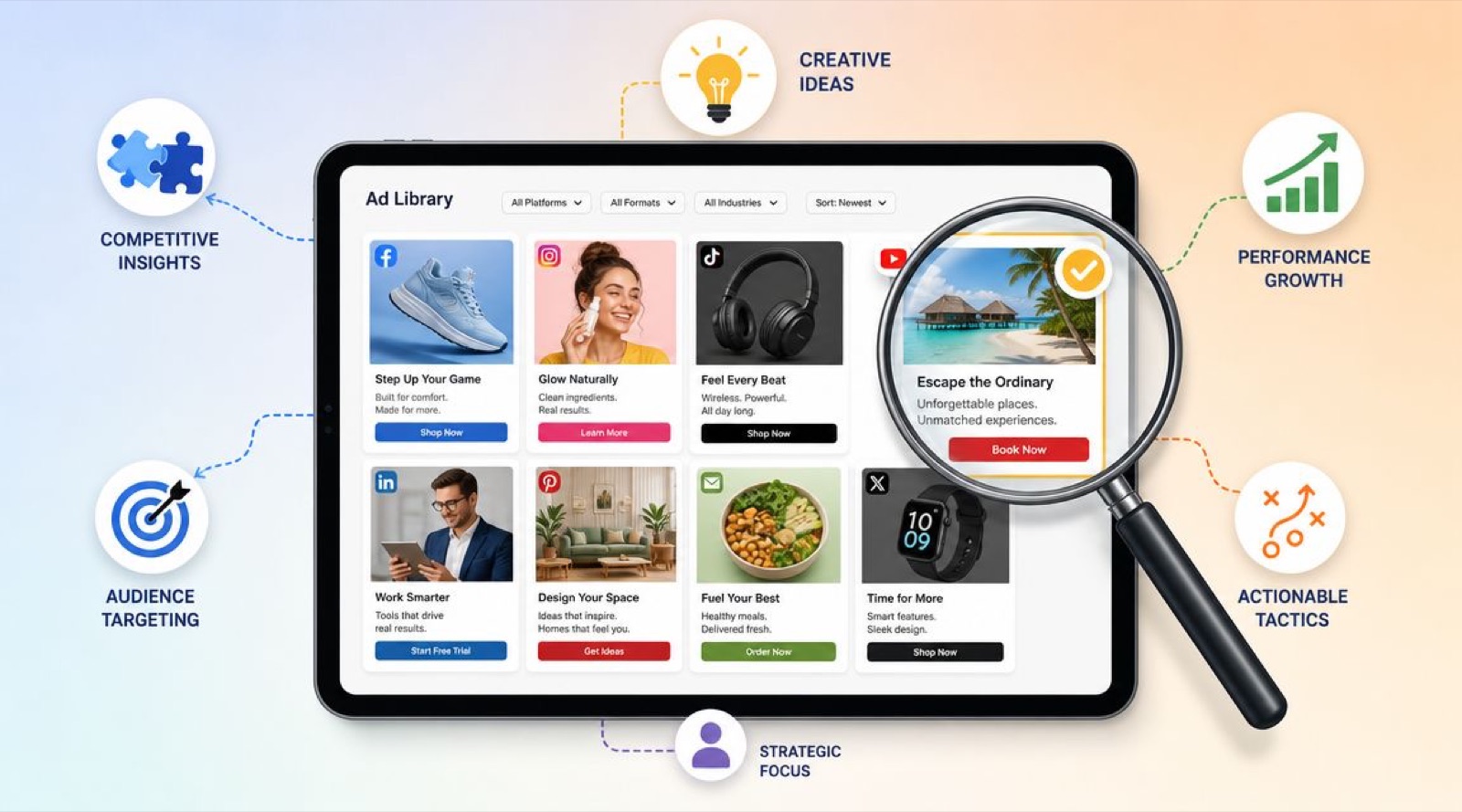
You’re likely in the same spot as most performance teams right now. You’ve got offers to push, channels to feed, and a backlog of briefs that all say some version of “make it convert.” Then the campaign launches, one ad gets clicks but weak downstream quality, another looks great but nobody stops for it, and the one rough draft that almost got cut ends up carrying the account.
That’s why ad creatives feel harder in 2026. The gap between “good-looking” and “commercially useful” has gotten wider. The teams I see winning aren’t just producing more assets. They’re spotting the patterns that repeat, building variants quickly, and refreshing before fatigue eats their efficiency. That’s the whole game now: more shots on goal with the hooks, formats, and angles that already show signs of working, then scaling the ones that land.
This guide is built for that reality. You’ll get 15 high-converting creative patterns with real examples, plus the tactical logic behind why they work and where they break.
1. User-Generated Content Testimonial Videos
The strongest UGC testimonial ads don’t feel like testimonials. They feel like someone pausing mid-scroll to say, “I didn’t expect this to work, but here’s what happened.” That tone matters more than polish.
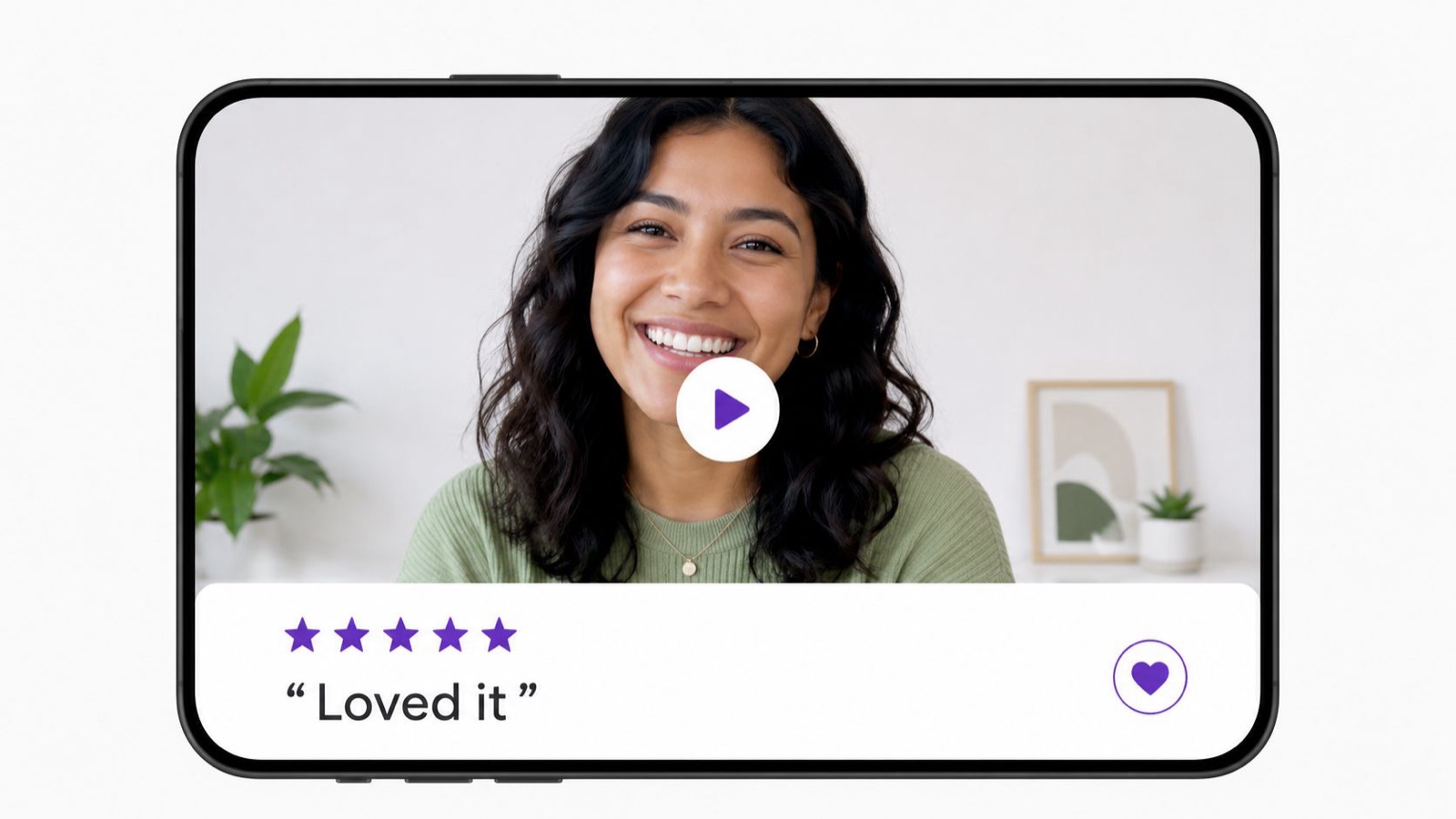
A good 2026 example is a skincare brand using a front-facing phone camera, natural bathroom lighting, and one specific claim about a routine change. A travel brand can do the same by showing a host or guest explaining the moment the booking experience felt easier. Airbnb-style host stories, Glossier-style tutorial clips, and early Dollar Shave Club customer reactions all fit this pattern because they reduce the distance between brand promise and lived experience.
What made the best ones convert
The winning version usually followed a simple rhythm. First line: skepticism or frustration. Middle: one visible or emotional change. End: a low-pressure next step.
- Lead with a believable opening: “I almost returned this” outperforms generic praise because it sounds earned.
- Keep one transformation in focus: Better sleep, simpler meal prep, clearer skin, fewer work headaches. One point lands harder than five.
- Preserve the native look: Slightly imperfect framing, handheld movement, and real environments often help more than they hurt.
Practical rule: If the ad looks like a brand approved every pixel, it may lose the trust advantage that makes UGC work.
The trade-off is brand consistency. Lo-fi trust can tip into visual chaos fast. The fix isn’t overproducing it. It’s setting light guardrails around framing, captions, product visibility, and call to action.
2. Problem-Agitation-Solution Framework Videos
PAS works because most buyers don’t start from desire. They start from irritation. The ad earns attention by naming the annoyance they already feel.
A classic SaaS version opens on inbox overload, missed messages, or scattered approvals. A fintech version opens on clunky reconciliation. A consumer product version opens on a tiny recurring hassle, like messy cables or a morning routine that takes too long. Slack, Grammarly, and Stripe have all leaned on this shape in different ways.
Where PAS wins and where it falls apart
The strongest PAS creative doesn’t overdramatize. It sharpens the pain just enough that the product entrance feels relieving. Weak versions turn into melodrama, where the viewer agrees the problem exists but resists the tone.
For structure, I like this sequence:
- Problem: Show the friction immediately. Don’t explain it abstractly.
- Agitation: Add consequences the audience recognizes. Delay, confusion, wasted motion, embarrassment.
- Solution: Demonstrate the fix in action, not as a slogan.
The common mistake is spending too long on the problem and rushing the product. If viewers don’t see the mechanism, they remember the frustration but not the answer.
For campaign planning, the PAS structure fits well alongside other campaign frameworks that help teams map message to funnel stage.
3. Before-and-After Visual Transformations
Before-and-after creative works when the “after” is instantly legible. If the viewer has to study the frame to understand the outcome, the ad has already lost speed.
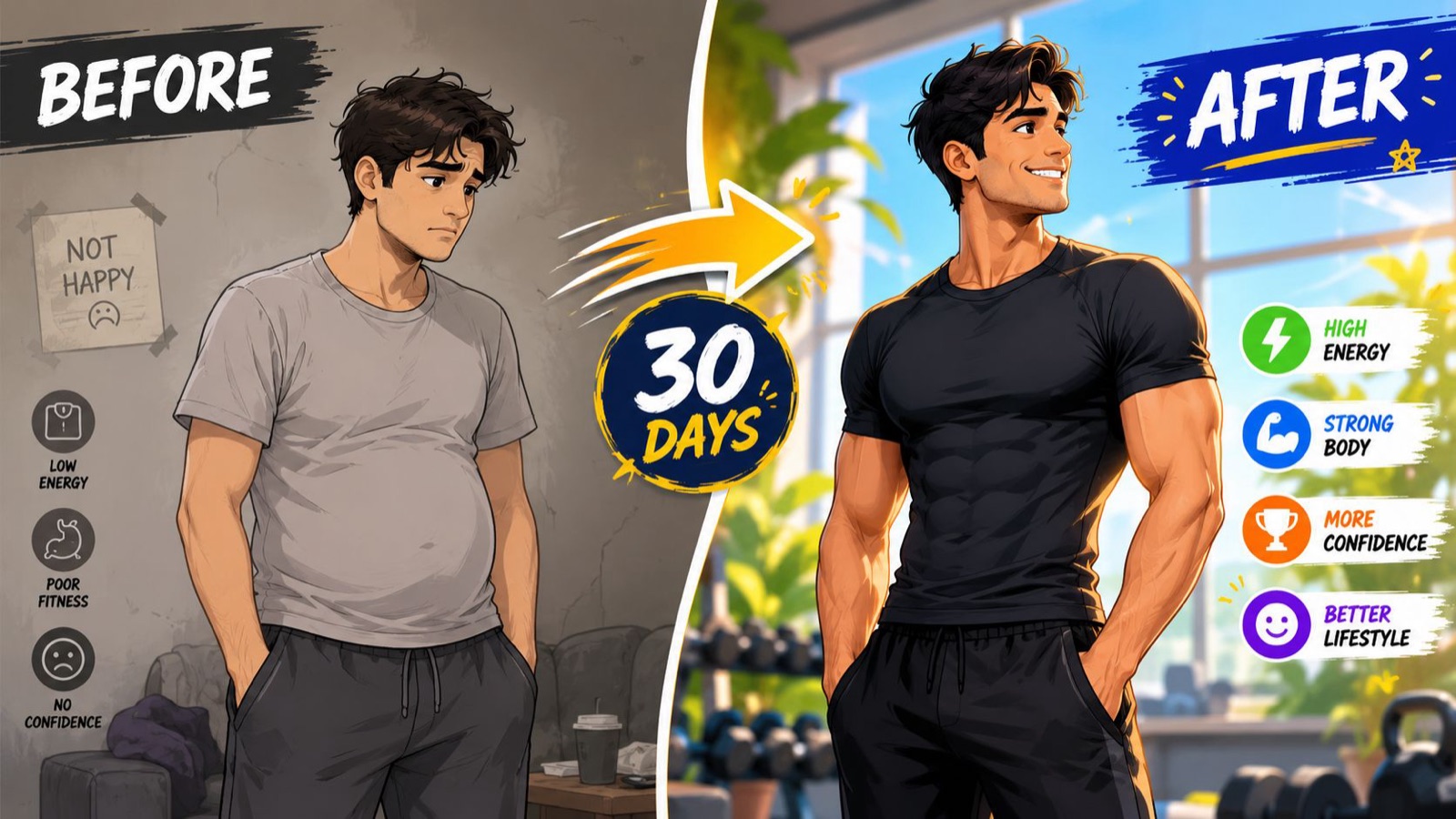
This pattern shows up everywhere. Fitness brands use physique or mobility changes. Meal kits show raw ingredients turning into plated dinners. Home services show dull, damaged, or cluttered spaces becoming clean and finished. The best examples don’t rely on hype. The contrast does the work.
The key is proof density
Great transformation ads stack credibility inside the visual. Same angle. Similar lighting. Clear timeline language if appropriate. Sometimes a voiceover or caption adds context, but the image has to carry the claim even with sound off.
A few practical standards matter:
- Match the framing: Different camera distance can make the transformation look manipulated.
- Highlight one obvious shift: Better fit, cleaner surface, organized workflow, finished room.
- Use real customer material carefully: Authenticity helps, but poor visual consistency weakens the comparison.
The strongest before-and-after ads behave like evidence, not hype.
This format also adapts well to motion. Swipe reveals, split-screen transitions, and quick timeline builds can make the transformation easier to process. When I’m producing this style at scale, the goal is always to prototype a handful of variants fast, then let the cleanest contrast win.
4. Scarcity and Urgency Countdown Timers
Countdown creative can still convert hard in 2026, but only when the urgency is real. Audiences have seen too many fake “ending soon” ads. They know the difference.
The examples that still work tend to be attached to events with built-in logic. Flash sales. Enrollment deadlines. Product drops. Seasonal cutoffs. Limited seat webinars. Amazon-style lightning deal mechanics and course-launch windows are familiar for a reason. They create a deadline the buyer can understand without reading a paragraph.
How to use urgency without looking desperate
The timer should support the offer, not replace it. If the product isn’t appealing, a clock only makes the ad louder.
Use urgency well by keeping three elements aligned:
- Visible timer: Make the countdown easy to read on mobile.
- Reason for the limit: Inventory, launch window, enrollment close, or event date.
- Specific payoff: What the buyer gets by acting now.
Weak urgency ads usually fail on trust. The timer resets, the “last chance” repeats all week, or the landing page says something different from the creative. That mismatch hurts more than no urgency at all.
A simple rule: if your sales team or support team can’t explain why the deadline exists, the ad probably shouldn’t use one.
5. Carousel Ads with Multiple Product Angles
Carousel ads convert when each card answers a different buying question. Too many brands treat carousel as a slideshow. The better ones treat it like a guided sales conversation.
A direct-to-consumer brand might open with the hero shot, move to use case, then material detail, then social proof, then offer. A SaaS carousel might go from pain point to feature one, feature two, result, then CTA. Travel brands do this well by moving from destination image to itinerary feel to accommodation proof to booking trigger.
Why swiping helps the sale
Swipe behavior is a form of micro-commitment. People who advance through cards are self-qualifying. That’s why sequencing matters so much.
The most reliable card flow looks like this:
- Card one hooks: Strongest visual or sharpest pain point.
- Middle cards deepen belief: Features, outcomes, use cases, objections.
- Final card closes: CTA, offer, or next step.
The mistake I see most is trying to say everything on every card. That creates repetition, not persuasion. Let each frame do one job. If one card can stand alone in-feed and the full sequence still tells a better story, you’ve likely got the structure right.
6. Celebrity Influencer Partnership Testimonials
Influencer creative converts when the creator’s audience can plausibly believe they’d use the product without the deal. That sounds obvious, but it’s where most partnership ads fail.
A fitness creator reviewing Gymshark gear makes sense. A finance creator walking through a fintech workflow makes sense. A founder appearing with a niche B2B creator can make sense if they’re speaking to a shared operator audience. The issue isn’t fame. It’s fit.
Trust comes from alignment, not recognition
The best partnership ads feel like borrowed context. The creator already has a communication style, an audience expectation, and a tone of recommendation. Good brands step into that format instead of forcing the creator into a studio script.
A few rules keep these ads from collapsing:
- Choose audience match over raw follower size: Relevance beats reach in most conversion campaigns.
- Let the creator keep their voice: Overwritten scripts flatten credibility.
- Build usage rights into the deal: Many of the best influencer assets perform even better once edited into paid variants.
What doesn’t work is “celebrity veneer.” If the endorsement only adds visibility and not trust, performance usually stalls after curiosity clicks.
7. Educational Content How-To Format
Educational ads work because they trade pitch pressure for usefulness. Instead of asking for attention, they earn it.
A strong example is a B2B tool explaining one workflow shortcut in under a minute. Another is a wellness brand showing how to use a product correctly instead of just saying it’s effective. HubSpot, Buffer, and Skillshare-style teaching formats all point to the same truth. People will watch branded content if it helps them solve something small, right now.
Teaching sells when it stays narrow
The best educational ads don’t try to become a full course. They solve one problem clearly, then make the next step feel natural.
Here’s the pattern that keeps these ads sharp:
- Hook with the outcome: Start with what the viewer will learn.
- Show the method visually: Screens, hands, product use, or simple graphics.
- Close softly: A download, a demo, a template, or a deeper guide.
The trap is making the ad too generous in the wrong way. If it becomes broad and abstract, it feels like content marketing with no commercial edge. If it becomes too product-led too early, it stops feeling educational.
If you’re producing this format regularly, these principles for how to make educational videos are directly applicable to paid creative.
8. Personalized Dynamic Ads with Audience Segmentation
Dynamic ads work best when personalization feels helpful, not invasive. Showing someone the category, product set, or message that matches their recent behavior is useful. Mirroring too much detail back to them can feel creepy.
Retail brands have used this pattern for years with viewed-product reminders and recommendation sets. Membership brands use it with tier-specific messaging. Streaming and marketplace products use it with preference-led suggestions. The same underlying strategy applies across industries, so match the creative to what the audience already signaled.
Segmentation should change the message, not just the thumbnail
A lot of teams personalize visuals but keep the copy generic. That leaves performance on the table. Browsers, cart abandoners, recent trial users, and repeat buyers need different prompts.
The strongest segmented dynamic ads usually change:
- The opening line: Reminder, reassurance, or renewed incentive.
- The product frame: Exact item, related bundle, or use-case cluster.
- The CTA: Return, complete, compare, or upgrade.
Where these ads go wrong is overcomplication. If your audience structure is messy, your creative matrix becomes impossible to maintain. Start with simple lifecycle segments, prove the messaging gaps, then add nuance.
9. Animated Product Demo Videos
Animated demos are excellent when the product is hard to understand from a static frame. Software, apps, dashboards, and feature-heavy tools benefit most because movement explains interaction.
Slack, Figma, Notion, and mobile app walkthroughs all use this style in some form. The ad shows a cursor move, a panel open, a workflow resolve, or a result appear. That motion turns abstract capability into visible utility.
Demo ads need clarity more than flair
Teams often overanimate these pieces. Fancy transitions, fast zooms, and overdesigned motion can make the product feel less trustworthy because viewers can’t tell what’s real.
The strongest animated product demos share a few traits:
- One use case per ad: Don’t explain the whole platform at once.
- Readable motion: Let users see where to look.
- Visible payoff: The action should produce a clear outcome.
If the viewer understands the interface but not the benefit, the demo is unfinished.
For anyone building motion-led product ads, this walkthrough on how to make a product demo video is a practical foundation.
10. Authentic Documentary-Style Brand Stories
Documentary-style ads aren’t for every campaign. They’re slower, more expensive, and harder to test in large batches. But when trust is the bottleneck, few formats build depth better.
Brands like Patagonia, TOMS, Warby Parker, and Allbirds have all benefited from origin stories, mission-driven narratives, or customer-centered mini-documentaries. The point isn’t cinematic polish alone. It’s showing people, trade-offs, decisions, and belief systems in a way that broad ad copy can’t.
Story earns the sale later
This format usually isn’t your first-click closer. It does its best work when buyers need conviction, not just awareness. It gives context to premium pricing, niche positioning, ethical sourcing, or a founder-led point of view.
Good documentary ads usually include:
- A human center: Founder, customer, employee, maker, or community member.
- A real tension: Why the brand exists, what problem they rejected, what standard they chose.
- A subtle bridge to product: The offer appears as proof of the story, not a hard pivot.
The risk is self-importance. If the brand myth gets larger than the customer problem, people tune out. Keep the human stakes real and the product consequences visible.
If you want reference points for this style, these brand story examples are useful starting material.
11. Interactive Polls Quizzes and Clickable CTAs
Interactive formats did especially well in 2026 because they asked the audience to do something small before asking them to buy. That tiny action changes the psychology. Passive scrolling becomes participation.
In my own tests, the interactive units that pull ahead are the ones that hand something back fast: quizzes, calculators, sliders, and micro-surveys that turn a passive viewer into an active participant and then reward that effort with a relevant answer.
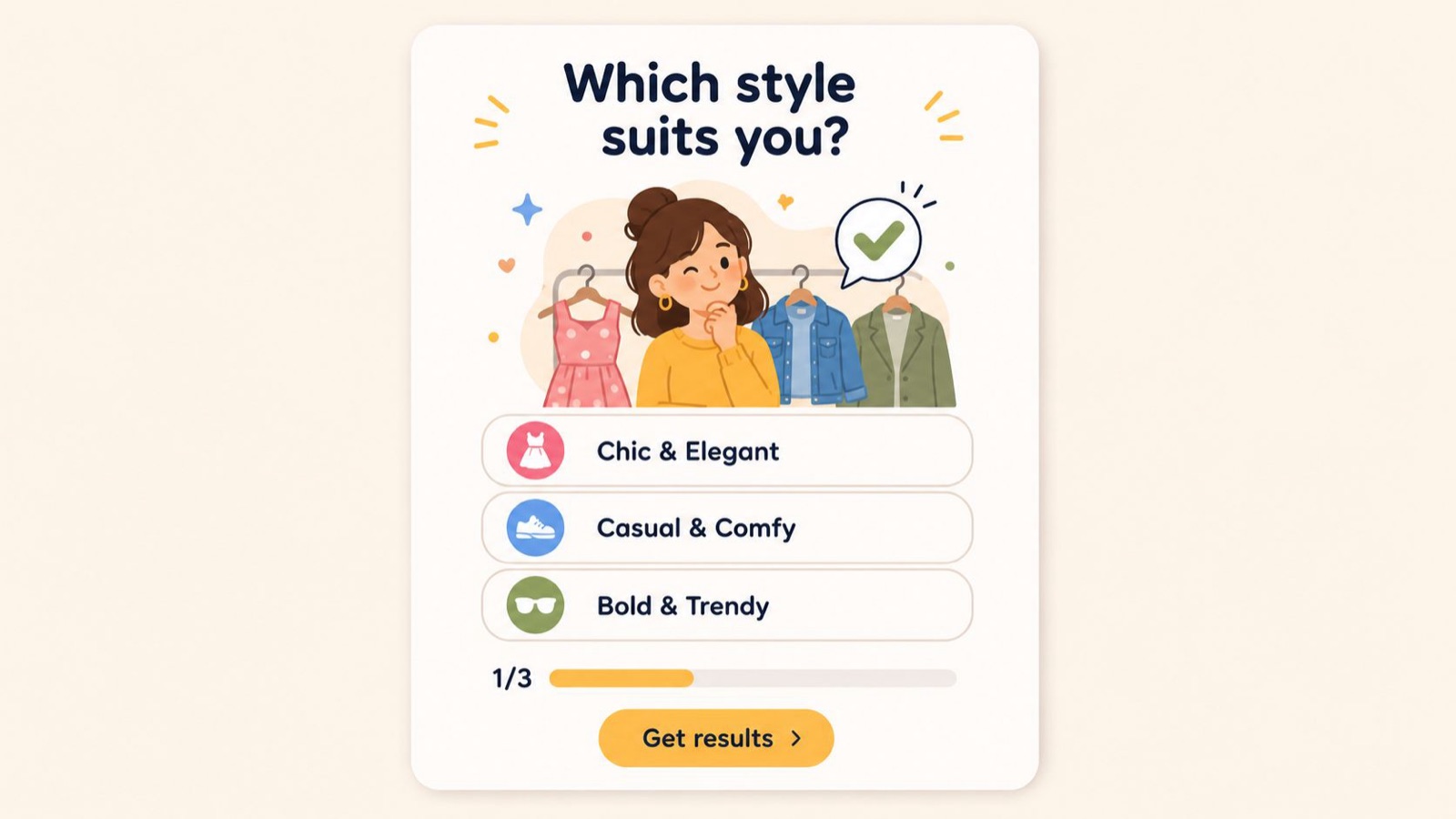
Sephora-style try-ons, Warby Parker-style quizzes, and simple “pick your type” flows all work because they make the user feel understood before the recommendation appears.
Interactivity works when the reward is immediate
Nobody wants a five-step quiz that ends in a vague result. Good interactive ads return value fast.
What separates strong interactive creative from gimmicks:
- Short path to completion: Minimal friction on mobile.
- Relevant result: The answer should shape the recommendation clearly.
- Follow-through: The landing page or next screen should continue the same logic.
If the poll or quiz is just engagement bait, conversion quality drops. If it helps users self-identify, it can become one of the most efficient bridges between creative and landing page.
12. Comparison Competitive Positioning Ads
Comparison ads work because buyers are already comparing. The ad just does the sorting faster.
This pattern is common in B2B, where teams evaluate categories through alternatives. Slack versus email. Stripe versus manual payment complexity. Project management tool versus spreadsheet chaos. It also works in consumer categories when the alternative is a habit, not a direct competitor. Think “café coffee versus home machine” or “multiple skincare steps versus one routine.”
The trick is to compare cleanly
The strongest comparison ads don’t attack. They clarify. They show a buyer what changes if they switch.
To keep this format persuasive:
- Compare on buyer-relevant factors: Setup simplicity, visibility, collaboration, speed, maintenance.
- Limit the fields: Three to five differences are usually enough.
- Stay factual and legible: Dense grids and aggressive copy weaken trust.
A bad comparison ad feels defensive. A good one feels like a decision aid. That difference is often what moves a prospect from vague interest into active consideration.
13. Mobile-Optimized Vertical Video Ads
Vertical isn’t just a crop. It’s a different storytelling grammar. The best vertical ads are built for thumb-speed viewing, not adapted from horizontal footage at the end of production.
TikTok-native clips, Reels ads, Stories placements, and Shorts all reward immediacy. Faces read well. Text needs to be large. Framing has to survive interface overlays. Every second has to justify itself.
Full-screen attention has different rules
Good vertical ads usually open with motion, a face, a product in use, or a clear visual tension. They don’t wait for context.
A few production habits make a big difference:
- Compose for the center: UI elements can cover the edges.
- Use captions and overlays: Many views happen with sound off or low attention.
- Cut faster, but not blindly: Pace should create clarity, not chaos.
One of the easiest ways to weaken a campaign is to take a horizontal ad, crop it to 9:16, and hope for the best. The result usually feels inherited, not native.
For technical planning, this guide to vertical video dimensions helps teams avoid preventable layout mistakes.
14. Social Proof Ads with Ratings Reviews and User Counts
Social proof ads reduce hesitation by borrowing confidence from other buyers. But the best versions don’t just flash stars on-screen. They present proof in a way that feels current, specific, and connected to the buying decision.
Amazon-style review cues, Trustpilot badges, G2 validation, and customer quote overlays all fit here. In B2B, a reviewer’s role or company context matters. In consumer products, the strongest quote usually names a moment of doubt or surprise, then the reason it changed.
Proof needs context to feel credible
A review excerpt alone can look decorative. It gets stronger when it answers a real objection. Comfort, fit, ease of setup, product quality, support, or consistency.
What usually improves these ads:
- Use specific excerpts: “Fits better than my last three orders” is stronger than “Amazing product.”
- Show source cues when allowed: Platform badge, reviewer identity, or verified indicator.
- Match proof to audience stage: Warm audiences often respond better to objection-handling proof than broad brand praise.
Social proof shouldn’t act as wallpaper. It should resolve doubt.
The common failure mode is stale proof. If every ad uses the same old review snippet, the account starts to feel templated. Rotate quotes the same way you rotate hooks.
15. Retargeting Pixel-Based Ads with Personalized Follow-up
Retargeting works because intent has already been established. The creative doesn’t need to introduce the category. It needs to remove friction, renew urgency, or remind the viewer what mattered.
A product-view retargeting ad should look different from a cart-abandonment ad. A trial-user retargeting ad should sound different from a homepage visitor ad. The more the follow-up matches the stage, the less it feels like stalking and the more it feels like continuity.
The underused lever is sequence
Many still retarget with one ad repeated too often. Better retargeting uses progression. Reminder first. Benefit reinforcement second. Incentive or objection handling third.
The angle most format roundups skip is what happens after a creative wins once. Plenty of guides show you hooks and formats. Far fewer tell you whether a winner keeps working after fatigue sets in, how many variants you need to hold performance steady, or when a proven ad finally stops scaling. In my experience the answer is always the same: no single ad stays on top, so you plan the next batch while the current one is still winning.
For retargeting, that means two things:
- Build variants before fatigue hits: Don’t wait for performance collapse.
- Rotate by audience stage: Browsers, abandoners, and near-buyers need different reminders.
Retargeting is where sloppy creative discipline gets exposed fast. Repetition without sequence burns attention. Sequenced follow-up keeps the ad feeling relevant.
All 15 Patterns, Compared
Here is the whole set in one place, sorted by what each one takes to make and where it fits, so you can shortlist the two or three that match your next campaign.
| Creative Type | Implementation complexity | Resource requirements | Ideal use cases | Key advantages |
|---|---|---|---|---|
| User-Generated Content (UGC) Testimonial Videos | Medium, customer sourcing and editing coordination | Low to Medium, smartphone shoots, editing, legal releases | Social ads, DTC, trust-building campaigns | High trust and relatability with low production cost |
| Problem-Agitation-Solution (PAS) Framework Videos | High, requires skilled scriptwriting and pacing | Medium to High, writers, production, editing | B2B SaaS, fintech, e-commerce for emotional hooks | Strong emotional resonance and higher CTRs |
| Before-and-After Visual Transformations | Medium, needs authentic transformations and consistency | Medium to High, photography/videography, staging | Fitness, skincare, home improvement, financial results | Immediate visual proof that communicates value quickly |
| Scarcity & Urgency Countdown Timers | Low, design & motion but must match availability | Low to Medium, motion design, accurate inventory sync | Flash sales, limited-time offers, enrollment deadlines | Rapid conversion uplift via FOMO when used ethically |
| Carousel Ads with Multiple Product Angles | Medium, asset sequencing and card strategy | Medium, multiple images/videos (3 to 5 cards) | E-commerce catalogs, multi-feature products, storytelling | Multiple touchpoints and higher time-on-ad per unit |
| Celebrity/Influencer Partnership Testimonials | Medium to High, talent coordination and contracts | High, talent fees, production, rights management | Launches, lifestyle brands, cold audience reach | Immediate credibility and extended audience reach |
| Educational Content / How-To Format | Medium, expert scripting and clear pedagogy | Medium, subject matter experts, production | Thought leadership, SaaS onboarding, lead generation | Builds authority and long-term audience trust |
| Personalized Dynamic Ads with Segmentation | High, data integration and automation | High, CRM/data infrastructure, creative variations | CRM-driven campaigns, retargeting, personalized e-comm | Highest relevance and scalable performance gains |
| Animated Product Demo Videos | High, animation and UX visualization skills | High, animators, motion designers, product access | Software, apps, feature-heavy products | Explains complex features clearly and attracts clicks |
| Documentary-Style Brand Stories | High, long-form production and narrative work | High, production crew, time, post-production | Brand building, mission-driven campaigns | Deep emotional connection and strengthened loyalty |
| Interactive Polls, Quizzes & Clickable CTAs | High, technical implementation and UX design | High, dev, interactive assets, analytics | Data capture, product recommendations, retargeting | Highest interaction and first-party data collection |
| Comparison / Competitive Positioning Ads | Medium, research and compliant messaging | Medium, competitive data, clear design | Consideration stage, B2B SaaS, category switching | Reduces perceived risk and clarifies differentiation |
| Mobile-Optimized Vertical Video Ads | Medium, mobile-first framing and editing | Medium, vertical shoots, captions, editors | TikTok/Reels/Shorts, mobile-first consumer campaigns | Immersive full-screen format with superior mobile engagement |
| Social Proof Ads (Ratings, Reviews, Counts) | Low, aggregate and display verified proof | Low to Medium, review aggregation, design | All categories where trust matters, e-commerce, SaaS | Fast credibility boost using existing customer proof |
| Retargeting Pixel-Based Ads with Personalized Follow-up | Medium to High, pixel setup and segmentation | Medium, ad ops, dynamic creative, audience lists | Cart abandoners, high-intent site visitors, trial upgrades | Highest ROAS by recapturing high-intent audiences |
From Patterns to Performance Your Action Plan for High-Converting Creatives
The main lesson from these 15 patterns isn’t that one format won the year. It’s that high-converting teams built systems around creative behavior. They understood why UGC builds trust, why PAS sharpens relevance, why before-and-after visuals create instant comprehension, and why interactive formats turn attention into commitment.
That distinction matters. Copying a format without understanding the mechanism usually produces a weaker imitation. You can film a testimonial and still miss trust if it sounds scripted. You can launch a carousel and still lose people if every card repeats the same claim. You can run retargeting and still waste spend if the follow-up ignores where the buyer stalled. Pattern recognition is what makes creative scalable.
If I were setting the next quarter’s testing roadmap, I wouldn’t start by asking, “What should we make?” I’d start with, “What decision is the buyer trying to make, and what proof would make that decision easier?” Once that’s clear, the right pattern usually appears. Need trust fast for cold traffic? UGC or social proof. Need to explain a complex workflow? Demo or educational creative. Need to move warm traffic across the line? Retargeting, urgency, or comparison usually earns the next shot.
There’s also a production reality behind all of this. Good creative strategy now depends on volume, iteration, and refresh discipline. One winning concept isn’t enough, especially in crowded paid social environments. Teams need multiple hooks, multiple visual treatments, and a plan for what happens after the first winner starts fading. That’s where many brands get stuck. Not because they lack ideas, but because they can’t turn the strategy into enough usable assets, fast enough.
A practical workflow looks like this:
- Pick one campaign goal: Trust, education, urgency, consideration, or conversion recovery.
- Choose one fitting pattern: Don’t stack five ideas into one ad.
- Build variants around the same core message: Change hook, visual treatment, speaker, or format.
- Watch for fatigue early: A winner is rarely permanent.
- Refresh with intent: Keep the underlying pattern if it’s working. Swap the expression.
This is also where outside creative help earns its place. If you need steady ad production but don’t want to stand up a full internal department, a dedicated creative team is the usual answer: strategists, designers, animators, and editors who learn your brand once and keep the variants coming. That’s the exact kind of ongoing output these patterns assume you can produce.
The biggest mistake is waiting for a perfect campaign concept before testing. You don’t need certainty. You need a sharp hypothesis and enough creative range to learn quickly. Start with one pattern that matches your next campaign objective. Make a few strong variants. Study what the audience responds to. Then build your refresh cycle before the first winner wears out.
That’s how strong ad creative works in 2026. Not as isolated hits, but as a repeatable operating system.
If a steady pipeline of ad creative is what you’re missing, Moonb turns patterns like these into campaign-ready assets across paid social, product demos, commercials, and brand storytelling.
Frequently asked questions
Clicks are easy to buy; conversions come from matching the creative to the decision the buyer is trying to make. Lead with a believable hook, keep one clear transformation or benefit in focus, and make the next step low-pressure. If the ad earns attention with something true instead of something loud, the downstream quality holds up.
Start with one pattern that fits your campaign goal, then build a few strong variants around the same core message, changing the hook, the visual treatment, the speaker, or the format. You're looking for signal, not certainty. Once one variant pulls ahead, scale it and start building its replacement before fatigue sets in.
Watch the metrics, not the calendar. Rising frequency with falling click-through and climbing cost per result is the usual sign that a winner is wearing out. The mistake is waiting for a full performance collapse. Keep the underlying pattern that's working and swap the expression: new hook, new visual, same idea.