Video marketing examples: 7 recent campaigns worth studying
Eight verified video marketing examples from 2021 to 2026, from CeraVe's seeded reveal to Shopify's launch films, each with the funnel job it was built to do.

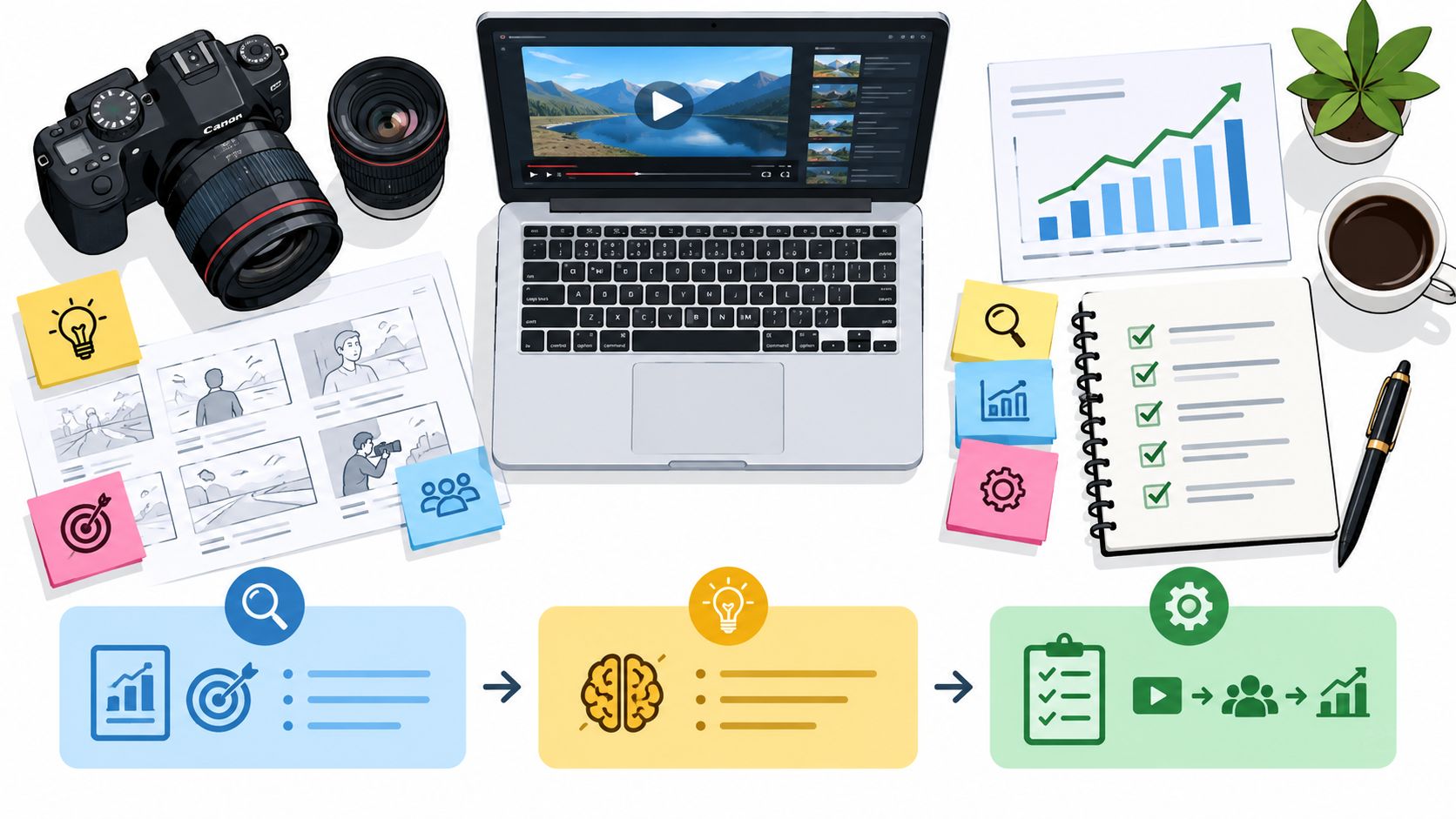
The strongest video marketing examples of the last few years are CeraVe’s seeded Kevin Durant reveal, Hilton’s ten minute TikTok, and Shopify’s Editions launches: each one was built for a specific channel, a specific audience behavior, and a specific job in the funnel, and each has a paper trail proving it worked.
I run Moonb, and when a client asks for “a marketing video” my first question is never about the video. It is about distribution. Where will this play, who is scrolling past it, and what should happen after they watch? Most example lists dodge that question by reciting the same museum pieces: Airbnb’s Belong Anywhere from 2014, the early Slack and Dropbox films, work that was great and has been dissected for a decade. So this list is different in two ways. Every example is recent, 2021 to 2026, verified against the brand’s own channel and a named, dated source. And every entry names the distribution job the video was hired to do, because that choice, more than the footage, is what made these campaigns commercial successes. If you want films about who a company is rather than how it sells, that is a different craft, and we cover it separately in our brand video examples roundup.
1. HubSpot builds a media engine instead of an ad budget (2021 to now)
Funnel job: audience ownership. HubSpot decided that renting attention with ads was more expensive than owning it, so it bought and built media. In February 2021 it acquired The Hustle, a business newsletter with more than 1.5 million daily readers plus the My First Million podcast, and folded them into a growing content network. Kieran Flanagan, then HubSpot’s SVP of marketing, framed the logic plainly: the company wanted to reach scaling businesses “in their preferred formats.”
Video is the visible edge of that engine. HubSpot’s marketing channel publishes walkthroughs and teardown-style lessons that answer the exact questions its buyers search for, years before those viewers ever see a demo.
Here is a typical piece from that machine, a practical tutorial rather than an ad.
The lesson for smaller teams is not “buy a newsletter.” It is that recurring, useful video compounds while one-off campaign video depreciates. The adjacent move is sponsorship: HubSpot also puts its name on creator shows it does not own, and you can research that side of any brand’s strategy yourself. Tools that track sponsorship activity list what HubSpot sponsors across shows and channels, which is a fast way to see where a company thinks its buyers actually spend attention. Study that map before you copy the content.
2. Oatly, The New Norm&Al Show (2022)
Funnel job: category conversion through owned entertainment. Instead of another ad explaining oat drink, Oatly launched a five-part puppet series on YouTube and its own site in January 2022. Norm and Al are two oat drink carton puppets awkwardly trying to switch to a plant-based diet, in episodes of two to five minutes, produced with Nexus Studios and director Conor Finnegan. Trade press at launch called it the brand’s biggest campaign to date, first in the UK and later rolled into other European markets and Australia (vegconomist, January 19, 2022).
Watch one episode and notice how it never argues; it just makes the switcher the sympathetic character.
The craft choice worth stealing is the target. The show is not aimed at vegans; it is aimed at dairy drinkers who feel judged, and the humor lowers the social cost of trying the product. That is video doing mid-funnel persuasion that a price promotion cannot do. The commercial logic follows: a series format gave Oatly repeat touchpoints from one production investment, and the episodes kept working on YouTube long after the launch window.
3. Shopify, the Editions launch films (2022 to now)
Funnel job: recurring product launch as a broadcast moment. Since June 2022, Shopify has bundled its releases into Editions, a showcase that ships twice a year with 100 or more product updates at once. The company’s own announcement spelled out the cadence: “Twice a year, we’ll celebrate Shopify Editions with new and improved tools to create, customize, and scale businesses of all sizes” (Shopify news, June 22, 2022). Each Edition arrives with a trailer, cut like a film release: fast montage of real product UI under big typographic title cards, tuned for a developer and merchant audience that hates fluff.
This is the Summer ‘25 trailer; count how many seconds pass before you see actual product.
Why it works commercially: a predictable rhythm trains the market to expect a moment, the way game studios and phone makers do. Press, partners and merchants now anticipate Editions, which means Shopify earns coverage on a schedule it controls. For a B2B team, this beats announcing twelve features in twelve forgettable posts. Batch the news, cut one confident film, and let the trailer set the tone for the whole cycle. We go deeper on release cadences like this in our b2b video marketing guide.
4. Hilton, the ten minute TikTok (2023)
Funnel job: paid social awareness, won by breaking the platform’s core convention. On February 15, 2023, Hilton posted a single ten minute video to TikTok, fronted by Paris Hilton and a cast of creators, built around the campaign line that it matters where you stay. On a platform engineered for seconds of attention, asking for ten minutes was the joke, the hook and the brand argument all at once, and a Hilton Honors points giveaway rewarded people who actually stayed to the end.
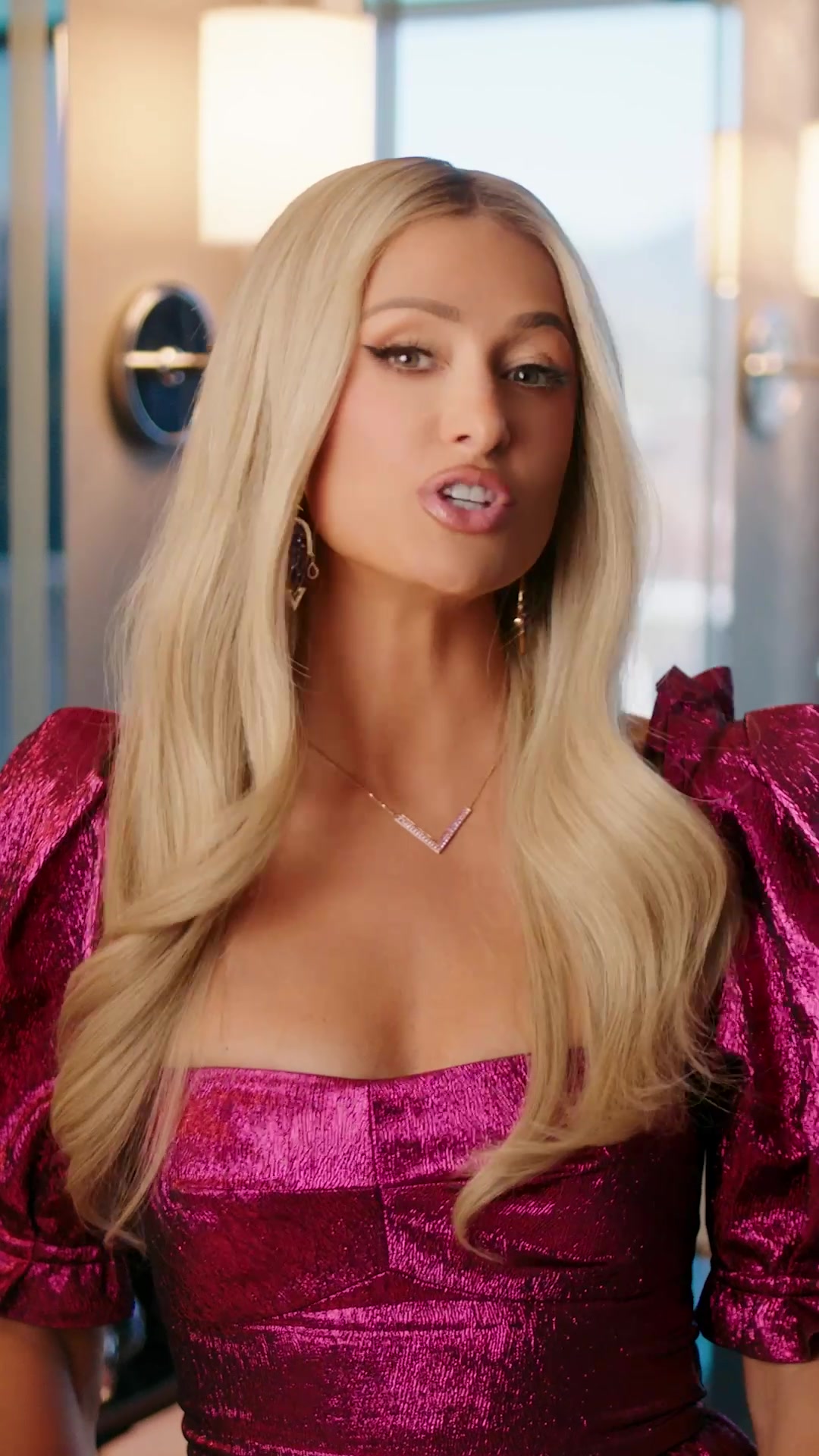
The numbers were unusual enough that measurement firms wrote them up. Comscore reported the video drove 86 times more views than the average US brand video on TikTok that quarter, reaching 35.6 million views and 517,000 likes by March 23, 2023, and noted that only 1% of the top 5,000 US brand TikToks that year came near those numbers.
The transferable lesson is that format subversion is a strategy, not a stunt, when it restates the value proposition. A hotel brand asking you to stay longer is the product promise performed. If your team pitches a “pattern interrupt,” make sure the interruption argues for the product and not just for itself.
5. Stanley turns a customer’s car fire into the year’s best brand video (2023)
Funnel job: community response, converting user-generated content into trust at scale. In November 2023, a TikTok user named Danielle posted a video of her burned-out car; her Stanley Quencher sat in the cupholder intact, ice still rattling inside. The clip passed 60 million views within days (ABC7, November 19, 2023) and kept going, past 84 million. Two days later Stanley’s president, Terence Reilly, stitched it on the brand’s account: more cups on the way, and “we’d love to replace your vehicle.” That reply drew over 32 million views of its own (HubSpot).
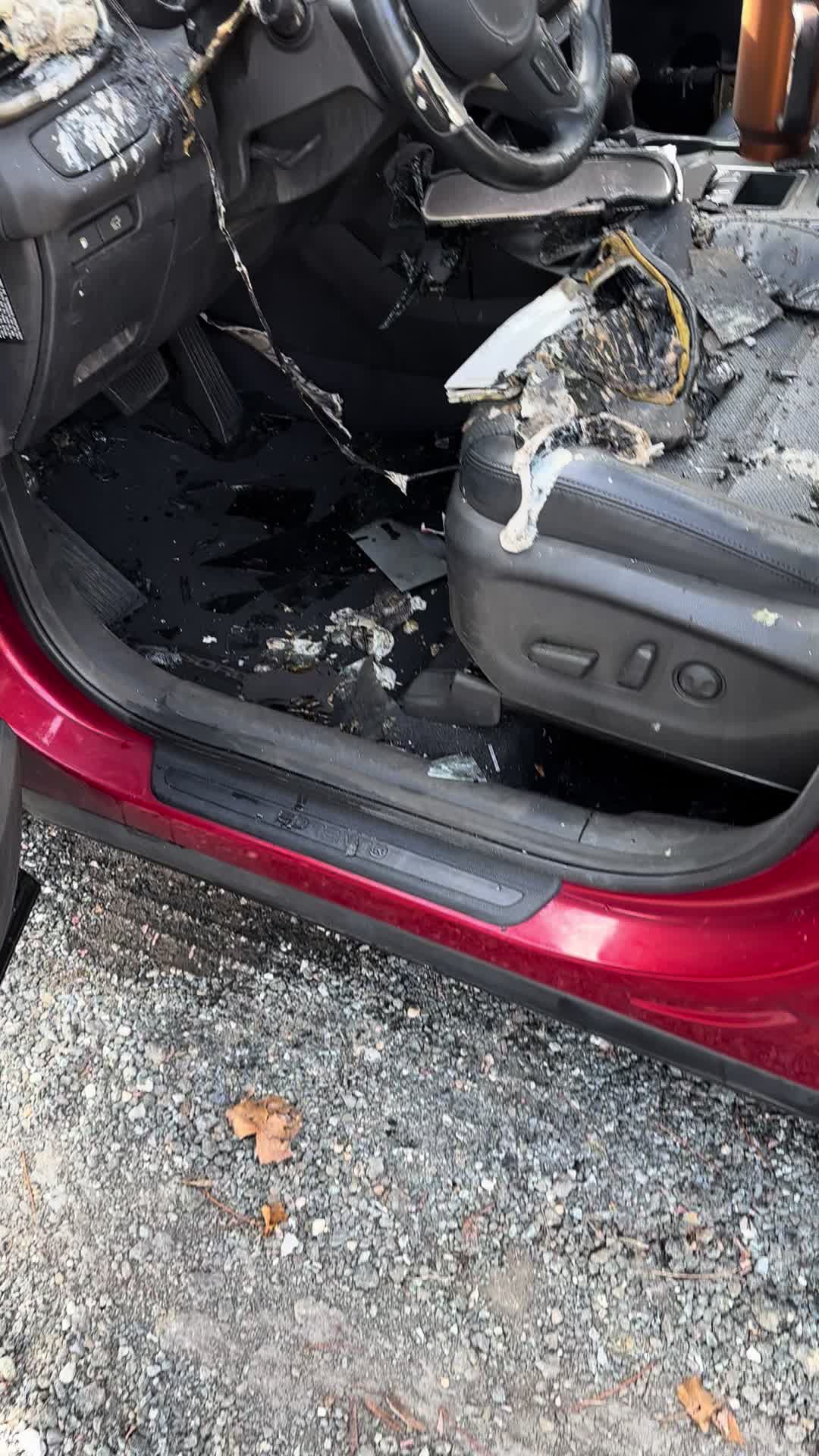
The response cost Stanley a car and a day of production. What it bought was the most credible product demo imaginable, witnessed by tens of millions, plus a demonstration of how the brand treats customers. It landed on fertile ground: CNBC reported the next month that Stanley had grown from 73 million dollars in revenue in 2019 to a projected 750 million in 2023, largely on the Quencher’s social momentum. Reilly, who had run marketing at Crocs, credited exactly this kind of influencer and community play as “the magic that Stanley might need.”
The lesson is speed and generosity. Monitor what customers post, and when the internet hands you proof of your product promise, respond in video while it is still moving, in the same format and on the same platform where the moment happened.
6. Figma, Config as a marketing machine (2025)
Funnel job: event film feeding a year of product marketing. Figma’s Config conference has become the company’s single biggest marketing moment, and video is how it travels beyond the venue. At Config 2025, announced on Figma’s blog on May 7, 2025, the company shipped Figma Make, Sites, Draw, Buzz and Grid in one keynote, with CEO Dylan Field marking the shift: “In the ten years since launching Figma, our definition of design has expanded.” The keynote streams live, the sessions land on YouTube, and tight recap films compress the launches for people who will never watch a two hour keynote.
This is the launch recap, a fast tour through every announcement in a few minutes.
The structure to copy is the ladder: one live moment, then a recap for the interested, then session cuts for the specialized, each shorter and more targeted than the last. A mid-size company running a modest annual event can do the same with one camera crew and an edit calendar. The event pays for the footage; the footage then markets the product for twelve months. If you are weighing what that pipeline costs against what it returns, our piece on video marketing roi walks through the math.
7. CeraVe makes Kevin Durant the new face of legs (2026)
Funnel job: earned-social seeding that converts into a measurable sales lift. CeraVe, the brand that turned Michael Cera into a Super Bowl conspiracy in 2024, ran the playbook again in 2026 with a sharper target. Years of posts had mocked NBA star Kevin Durant’s dry ankles. Instead of ignoring the meme, CeraVe hired it: Durant read the roast posts on camera in late January, paparazzi-style photos then caught him moisturizing at the gym, and on February 10, 2026 the brand crowned him the New Face of Legs within its Moisturize Like a Derm campaign (Marketing Dive, February 10, 2026).
The hero film commits to the bit, shooting Durant’s legs the way beauty ads shoot faces.
The sequencing is the craft: tease as organic content, seed doubt through earned channels, and only then release the polished film, so the reveal lands on an audience already invested in the question. And it was not just noise. CeraVe told Marketing Brew in June 2026 that the campaign drove a 43% sales lift, over 4 billion PR impressions and 83 million organic video views. When a skincare brand’s best-performing asset is a video about an athlete’s legs, the brief clearly started with culture, not with the product shot.
The seven side by side
| Example | Year | Funnel job | Primary channel | Why it worked commercially |
|---|---|---|---|---|
| HubSpot media network | 2021 to now | Audience ownership | YouTube, podcasts, newsletter | Owned attention compounds; content reaches buyers before ads do |
| Oatly, The New Norm&Al Show | 2022 | Category conversion | YouTube and owned site | Humor lowered the social cost of switching for dairy drinkers |
| Shopify Editions | 2022 to now | Recurring launch broadcast | YouTube and owned site | A twice-yearly rhythm earns press and partner attention on schedule |
| Hilton, ten minute TikTok | 2023 | Paid social awareness | TikTok | Format subversion performed the product promise; 86x average brand views |
| Stanley, car fire response | 2023 | UGC response | TikTok | A fast public reply turned a customer video into mass proof of quality |
| Figma, Config films | 2025 | Event content ladder | Live stream and YouTube | One event feeds keynote, recap and session cuts for a full year |
| CeraVe, New Face of Legs | 2026 | Seeded reveal | Social, earned media, OOH | Tease-seed-reveal sequencing; brand-reported 43% sales lift |
How to actually use these
Do not pick the example you enjoyed most; pick the one whose funnel job matches your gap. If nobody knows you exist, the Hilton and CeraVe entries matter more than the HubSpot one. If you have attention but weak conversion, Oatly’s persuasion-by-entertainment or a Shopify-style launch rhythm will move more revenue than another awareness stunt. If your buyers are companies, the Figma and Shopify patterns translate almost directly, and most of what makes them work is calendar discipline rather than production spend. These examples skew consumer because that is where public numbers live; if your world is internal comms, training or investor-facing work, it is worth studying a set of corporate video examples alongside this list, since the craft rules shift when the audience is captive.
Two more honest notes from the production side. First, every campaign above sat inside a larger system: a channel strategy, a measurement setup, a team that could turn work around fast. A single video copied from this list without that system underneath will underperform, which is why I always push clients to settle their video marketing strategy before they brief a single script. Second, speed mattered in almost every case. Stanley answered within days. CeraVe’s seeding phases were weeks apart. If your current production setup cannot move at that pace, fix that first; our guide to choosing a video marketing agency covers what to look for when weekly output matters more than one-off projects.
Frequently asked questions
A repeatable mechanism, not a big budget. Look for the funnel job the video was hired to do (awareness, conversion, launch, community response), the channel behavior it was built around, and evidence it moved a commercial number. If you cannot name the mechanism in one sentence, you are copying the spectacle, and spectacle rarely transfers to a smaller brand.
For anything social, CTV or platform-led, stay within the last three to four years. Feed algorithms, viewing habits and formats change fast enough that a 2014 case teaches history, not tactics. Older classics are still useful for storytelling craft, but base your distribution decisions on campaigns that ran under current platform conditions.
Yes, and the closest fits are the ones built on cadence rather than celebrity. A twice-yearly launch film rhythm, an event content ladder (keynote, recap, session cuts), and an owned education channel all translate directly to B2B. The main adjustment is patience: B2B video compounds over quarters through repeat exposure to a smaller audience, so measure pipeline influence, not view counts.