15 Instagram Video Ad Examples to Learn From
Fifteen of the best Instagram and social video ad examples, each embedded and broken down for the native-feed move that made it work in the scroll.

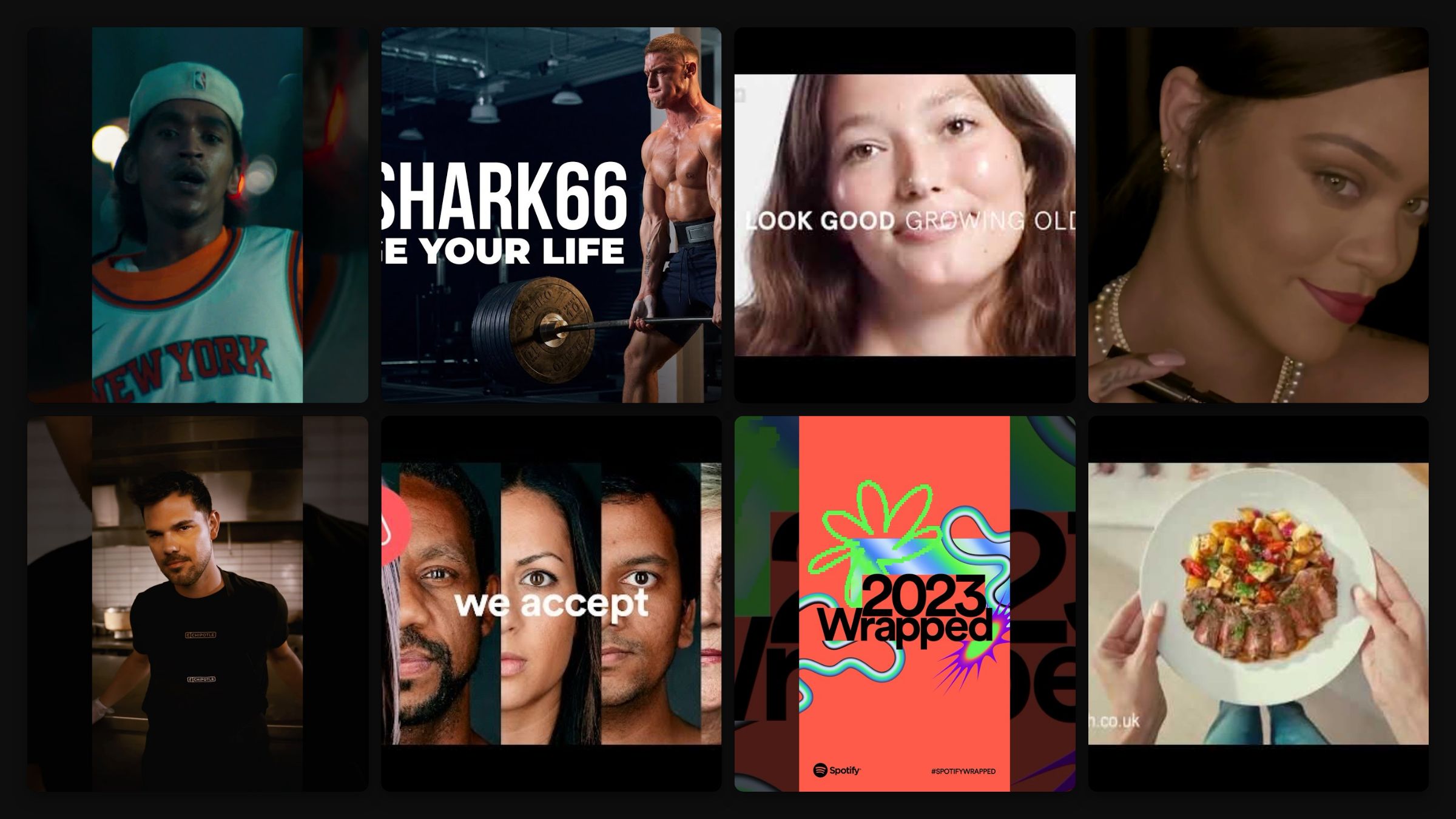
I run a creative studio, and the single biggest mistake I watch brands make with social video is bringing a TV ad to a feed fight. Instagram, Reels, and TikTok reward a different grammar: vertical, fast, native, made to be met with the sound off and the thumb already moving. The fifteen below get that grammar right, and each is the brand’s own upload so you are watching the real thing.
None of these needs a huge budget. What they need is a hook in the first second and a reason to stop, which is the only currency that matters in the feed.
The fifteen, and the feed-native move behind each
Nike, “Sleep Well, NY”
A native vertical spot built for the exact 9:16 frame it runs in on Reels and Stories, not a landscape ad cropped down. Nike composes for the phone from the first frame. The move: shoot vertical on purpose. A feed ad framed for the feed feels like content; a letterboxed TV spot feels like an interruption.
Gymshark, “How to Change Your Life in 66 Days”
The flagship film for the Gymshark66 challenge tied the brand to a habit-building idea people could actually join, which is how it drew tens of millions of views and became a recurring social campaign. The move: attach the ad to a participatory challenge. When the audience can take part, the ad becomes a movement they promote for you.
Glossier, “You Look Good”
Lo-fi intimacy, dewy close-ups, and a simple compliment: the whole thing looks like a friend’s Story, not a polished campaign. That deliberate roughness is the Glossier aesthetic. The move: match the platform’s texture. On Instagram, slightly imperfect and intimate outperforms glossy and produced, because it reads as real.
Fenty Beauty, “Tutorial Tuesday with Rihanna”
The founder herself demos the product in a joke-filled, selfie-style video that reads as native content rather than an ad. Rihanna using her own line is proof and personality in one. The move: put a real person, ideally the founder, on camera doing the thing. Authentic demonstration beats a produced spokesperson in a feed built on faces.
Chipotle, “It’s Gettin Kinda Hot in Here”
A real product launch shot and written in pure TikTok grammar: lowercase meme caption, emoji, lo-fi close-ups. A billion-dollar brand ads in the exact voice of the platform. The move: speak the platform’s language completely, down to the caption style. Scale does not excuse you from sounding native; it makes sounding corporate more jarring.
Airbnb, “We Accept”
Thirty-one seconds of slow portrait close-ups and one scrolling statement of belief. It works muted, it works fast, and it says something the brand actually stands for. The move: for a value-led social spot, let faces and a single line of text carry it. It reads perfectly with the sound off, which is how most people will see it.
Spotify, “2023 Wrapped”
The launch spot for the most-copied personalization campaign going, built entirely around turning each user’s own data into a shareable identity card. The move: make the ad about the viewer, literally. When the campaign hands people something personal to post, your audience produces most of the social reach for free.
HelloFresh, “Enjoy Delicious Moments”
The entire value prop compressed into a fast, benefit-led sequence: box arrives, fresh ingredients, easy cards, happy dinner. No story, just the promise shown quickly and clearly. The move: when you are direct-response, front-load the benefit and show the whole loop fast. In a performance feed, clarity converts better than mood.
Duolingo, “Duo the Owl”
Duolingo turned its owl mascot into a chronically online character who shows up in absurd, meme-literate vertical clips that react to whatever the feed is talking about that week, not to the app’s features. The move: let a mascot behave like an unhinged internet person. When the brand’s avatar acts like someone who is very online, the videos read as content people follow, not ads they skip.
Ryanair, “plane version”
Ryanair sticks a cartoon face on a 737 and lets the plane roast itself for being a no-frills, low-cost airline, in the exact format and tone of the platform it posts to. The move: give the product a face and a bad attitude. Self-deprecation in the feed’s own grammar reads as one of us, not as a brand buying attention.
CeraVe, “Michael CeraVe”
Before its first Super Bowl spot, CeraVe seeded a strange rumor across social that the actor Michael Cera had secretly made the brand, teased through staged paparazzi photos, influencer unboxings, and a dedicated site, then paid it off in the ad. The move: plant an unanswered question in the feed for weeks and let the audience investigate. People who dig into the mystery before the ad even airs arrive already invested.
GoPro, “Million Dollar Challenge”
GoPro builds its yearly highlight reel entirely from customer-submitted clips, then splits a million dollars among the creators whose footage makes the cut; one recent edition drew more than 42,000 submissions. The move: make the customers’ own footage the entire ad. When the people who own the product shoot it, the demo is real and the audience becomes the production crew.
Heinz, “Draw Ketchup”
Heinz asked people across five continents to draw the first ketchup that came to mind, and almost everyone, without being told the brand, drew a Heinz bottle. The move: prove you own the category by crowdsourcing it. Letting strangers’ instinct do the bragging is far more convincing than a brand claiming to be the default.
Dollar Shave Club, “Our Blades Are Great”
The launch film is one deadpan take of the founder walking through a warehouse, shot in a day for a few thousand dollars, and it crashed the company’s website within about an hour and a half of going live. The move: sell with one person, one take, and comic timing, not production value. A founder talking straight to camera is the most native format the feed has, and it still converts.
Oatly, “Wow No Cow”
Oatly’s Super Bowl debut is its CEO alone in a field, playing a keyboard and singing an off-key jingle on purpose, a spot engineered to be loved and hated in equal measure. The move: make it bad on purpose. A deliberately awkward, divisive piece earns more organic talk than a slick one, because people share what makes them react, not what looks expensive.
What separates a feed ad from a TV ad
The same handful of instincts run through all eight.
- Vertical and native by design. The winners are composed for the phone, not cropped to fit it, and they borrow the platform’s own texture and captions.
- A hook in the first second. Every one of these earns the second second. In a feed, the opening frame is the entire battle.
- Sound-off legible. They read muted, because most of the feed is muted, then reward anyone who turns the sound on.
- A reason to participate or share. Challenges, personalization, and belief statements all give the audience something to do beyond watching.
One from us, and a straight note
At Moonb we make social and brand video for companies who need it consistently, not once.
I co-founded Moonb, so read this as the house view: the brands above win the feed because a team decided, deliberately, to make something native instead of repurposing a spot that was built for a screen nobody watches on the couch anymore. Doing that well, every week, is what a dedicated creative team is for. If you want that, see how Moonb works, and our roundup of video marketing companies covers the wider field if you are still choosing.
Frequently asked questions
Shorter than most brands want it to be, and it depends on the placement. Reels and in-feed video reward six to fifteen seconds in most cases, because the opening frame does the real work and people bail fast. The Airbnb example runs thirty one seconds and holds, but only because every second earns attention with faces and one line of text. If you are running direct response, treat anything past fifteen seconds as a length you have to justify.
Yes, and it matters more than most brands act like. A 9:16 frame built for Reels leaves your logo or caption cropped when the same file runs in a 4:5 feed slot, and Stories has interface chrome eating the top and bottom. Shoot with safe zones in mind and export a version per placement. The Nike example lands partly because it was composed for the exact frame it runs in, not cropped after the fact.
Run at least three to five hook variations against the same edit, since the first second decides most of the outcome and you cannot guess which line stops the thumb. Change one thing at a time, usually the opening two seconds or the on-screen text, so you know what moved the result. Give each variant enough spend to clear the platform's learning phase before you call a winner, then kill the losers fast rather than nursing them.