13 Corporate Animation Examples to Learn From
Thirteen corporate animation examples that turned brand ideas into memorable films, each broken down for the move that made animation the right choice.

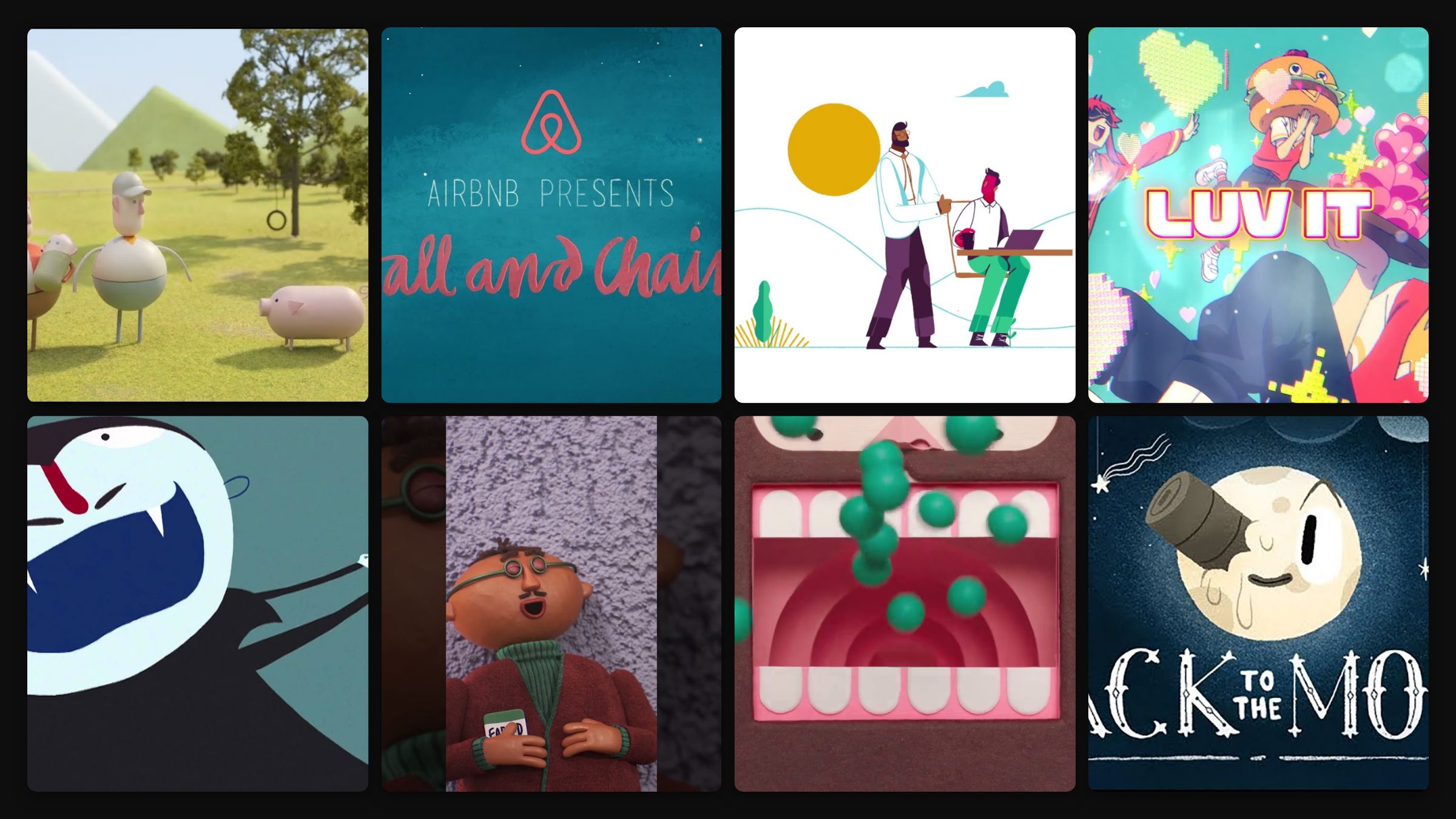
Animation is not a fallback for brands that cannot afford a film crew. It is a deliberate choice that does things live action cannot: it can make an abstract idea visible, soften a heavy subject, or carry a story with pure feeling and no dialogue at all. The thirteen corporate animations below use it on purpose, each embedded so you can watch it in full. After each, I have named the reason animation was the right call.
If there is a lesson threaded through them, it is that the best corporate animation is never decoration. The style is doing a job the story could not do any other way.
The thirteen, and why animation was the right call
Chipotle, “Back to the Start”
A wordless stop-motion parable takes a farmer from a family farm into an industrial factory and back again, carrying a heavy message about food systems with warmth instead of a lecture. The video above is Chipotle’s own behind-the-scenes film on how the short was made. Why animation: it made a potentially preachy subject charming. Stop-motion’s handmade softness let Chipotle argue a position without ever sounding like it was arguing.
Oreo, “Wonderfilled Anthem”
A ninety-second animated anthem imagines what would happen if you offered an Oreo to the Big Bad Wolf, Dracula, and a shark. It reframes a cookie from product shots to pure storytelling. Why animation: it let the impossible happen cheaply and charmingly. You cannot shoot a softened shark, but animation makes whimsy the whole point.
Slack, “Work, Simplified”
Hand-crafted character animation dramatises workplace chaos, email overload, meetings, alerts, then resolves it visually into Slack’s calm. The abstract mess of modern work becomes something you can see. Why animation: it visualised an intangible feeling. Overwhelm has no literal image, so animation invents one and then cures it on screen.
Airbnb, “Wall & Chain”
A true customer story, a former Berlin Wall guard hosted decades later by his counterpart from the other side, told as a painterly animated short. Why animation: it let a story with no surviving footage be told beautifully. Animation can reconstruct a memory that a camera could never have captured.
McDonald’s, “WcDonald’s”
A fully animated brand film made with Studio Pierrot, the anime studio behind Naruto and Bleach, leaning into the affectionate “WcDonald’s” spelling from decades of anime. Why animation: the style was the strategy. Adopting a beloved genre’s exact aesthetic bought instant credibility with the fandom the campaign was courting.
Mailchimp, “All in a Day’s Work”
A dialogue-free animated short from Mailchimp Presents uses character comedy about small-business life, no product pitch anywhere in sight. It is brand-building through pure entertainment. Why animation: it let a software company make a genuine short film. Animation gave Mailchimp a distinctive, ownable visual world that a live-action sketch would not have.
Headspace, “Headspace Guide to Meditation”
Headspace took the illustrated style its app is known for and stretched it into an eight-episode animated series on Netflix, where each episode teaches the basics of a technique and then closes with a guided meditation. Why animation: the look was already the brand. Soft, rounded characters make a slightly intimidating subject feel approachable, and animation carried that feeling from a phone screen to a TV without losing it.
Google, “Georges Méliès Doodle”
Google’s first VR animated Doodle honours filmmaker Georges Méliès, turning a logo gimmick into a genuine animated short with real craft and story. Why animation: it elevated a marketing unit into art. Animation let a throwaway brand moment become something people sought out and shared for its own sake.
Coca-Cola, “Happiness Factory”
Drop a coin into a Coke machine and the ad follows it inside, into a bustling fantasy world of little creatures who chill, cap, and bottle your drink by hand, the launch film for the Coke Side of Life campaign. Why animation: it built a world that does not exist. The whole premise is what happens inside the machine, a place no camera could ever reach, so animation was not a style choice, it was the only way to show the idea at all.
Honda, “Paper”
A two-minute film that flips through around three thousand hand-drawn paper illustrations to tell seventy years of Honda’s history, every frame made in camera by the artist PES. Why animation: it turned a corporate timeline into something you actually watch. Drawing the history as one unbroken, morphing line does what a montage of archive photos never could, and the fact that a person made every frame by hand is itself the point about craft.
Nike, “The Last Game”
A five-minute animated film where the world’s best footballers, drawn as cartoon versions of themselves, come out of retirement to beat a squad of risk-free clones built by a villain called the Scientist. Why animation: it put real stars in a story you could never shoot. Animation let Nike cast a dozen global players in a full plot with no schedules, no injuries, and no aging, and make them cartoon heroes at the same time.
Samsung, “Do What You Can’t”
A photoreal but entirely computer-generated ostrich stumbles onto a VR headset, dreams of flight, and teaches itself to fly, the spot that became the most awarded campaign at Cannes in 2017. Why animation: it let an ostrich carry a feeling. A bird that looks real but does something no real one can turns “reach past your limits” into a wordless story that stock footage or a person to camera could not.
John Lewis, “Excitable Edgar”
A small dragon keeps accidentally torching the village’s Christmas until a friend finds him a way to be useful, in John Lewis’s first joint festive film with Waitrose. Why animation: it made a destructive character lovable. You cannot cast a real dragon, and a photoreal one would have been frightening, so drawn animation let Edgar be both a fire hazard and adorable at once, which is the entire joke.
What the best corporate animation shares
Across all eight, animation is never chosen by default.
- The style does a job. Each film uses animation to show something live action could not: an abstract feeling, an impossible scene, a lost memory, a specific fandom’s aesthetic.
- Story over product. The strongest corporate animation builds brand through pure storytelling and lets the product stay almost entirely off screen.
- A distinctive, ownable world. Animation gives a company a visual identity competitors cannot easily copy, which compounds over a campaign.
- Feeling carries it. With no need for dialogue or real footage, the best of these run on emotion alone, which travels across languages and platforms.
One from us, and a straight note
At Moonb we make animation and motion as part of our creative work.
I work at Moonb, so treat this as the house view: the corporate animations that land are the ones where a team chose the style to solve a specific storytelling problem, not to decorate a script. That judgment is what a dedicated creative team brings. If you want it, see how Moonb works, and our roundups of motion graphics companies and animated advertisements are good next reads.
Frequently asked questions
These are not weekend projects. A stop-motion piece like Chipotle's can run several months from board to final frame, since every second is shot physically. Flatter 2D or mixed-media work moves faster, often a few weeks for a 60 to 90 second film once the script and style are locked. The variable that stretches the timeline most is rarely the animation itself. It is how many rounds it takes to agree on the idea and the look before production starts.
Work backward from the job the film has to do, not from a style you admired elsewhere. Oreo needed whimsy, so a bright anthem fit. Airbnb needed to reconstruct a memory with no surviving footage, so a painterly short fit. Name the one thing live action cannot do for your story, and the style usually narrows itself. If no such thing exists, animation may be the wrong call, and a shot film is the simpler one to justify.
Most of these keep the product almost entirely off screen, so a direct-response metric will miss the point. Watch completion rate first, then rewatch and share behaviour, because a film that holds attention to the end and gets passed on is already doing the brand job. Over a longer window, look at branded search and how people describe you unprompted. Google's Méliès Doodle succeeded because people sought it out on their own, and that pull is the signal to track, not clicks in week one.