Best TikTok Ads: 7 Real Examples to Study
Seven verified TikTok ad examples from 2024 and 2025, from Duolingo killing its own mascot to Chili's Triple Dipper engine, with sourced results and the mechanic worth stealing from each.

The best TikTok ads behave like TikToks: Duolingo killing its own mascot, Nutter Butter’s analog-horror Nutterverse, and Chili’s putting media weight behind cheese-pull creators all won because they were built inside the platform’s grammar instead of adapted to it after the fact.
I run a creative studio, and TikTok briefs are where I see the most money wasted. A team spends six weeks polishing a 30-second spot, ports it to vertical, and wonders why it dies at two seconds. So when a client asks me what actually works, I pull up real campaigns with public results, not moodboards. That is this list.
Every example below is publicly findable, either on the brand’s own TikTok account or in a named, dated source: the company’s own reporting, TikTok’s published case studies, or trade press. The list skews 2024 and 2025 on purpose, because formats and sounds age fast on this platform. Steal the mechanic, never the trend. The set covers organic brand accounts, creator handover strategies, influencer-led product pushes, TikTok Shop, and the paid formats that amplify all of it.
1. Duolingo kills Duo, 2025
Duolingo has been the reference brand account since 2021, when Digiday reported on the then 1.9 million follower account, with Zaria Parvez, a 23 year old in her first job out of college, among the brains behind it and a Duo-twerking post at 1.7 million likes. The enduring playbook was speed plus a fixed character. In February 2025 the team escalated it into the biggest brand stunt of the year: they killed Duo. A black memorial card, a coffin, a Cybertruck, a whodunit, then a community campaign to revive him by doing lessons. In its Q1 2025 shareholder letter, Duolingo called Dead Duo one of its most successful marketing campaigns ever, said it spent practically nothing on it, and reported 1.7 billion organic impressions plus a meaningful lift in new and resurrected users in a quarter where daily active users grew 49 percent year over year.
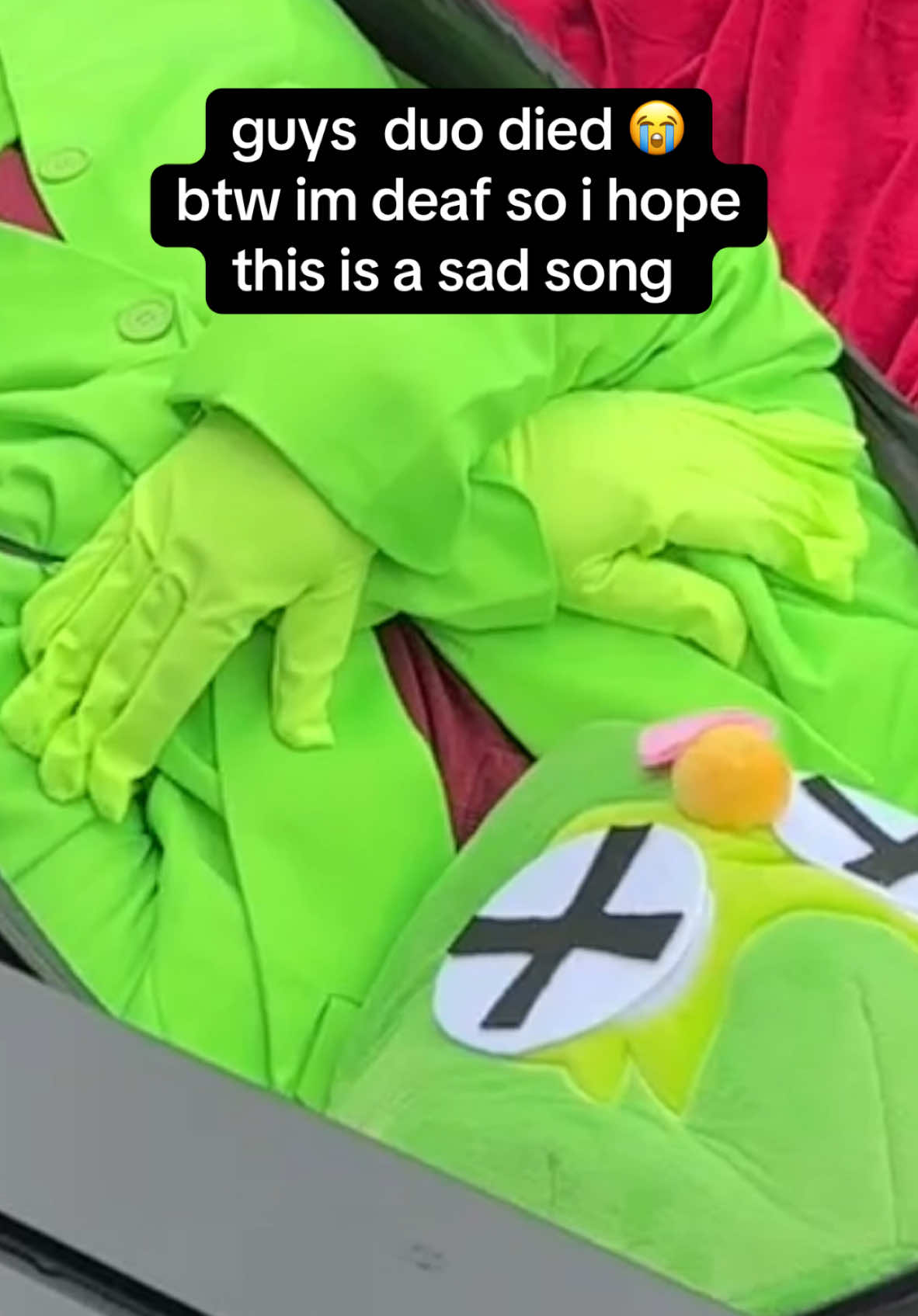
The company even ran the bit through its executives. Here is the deadpan statement Duolingo’s CEO posted on the brand’s own channel while the owl was still officially dead.
The mechanic to study is narrative, not shock. Duo’s death worked because four years of consistent character content made people care enough to mourn a cartoon owl, and because the story had chapters the audience could speculate about between posts. The mistake I see when teams copy this: they build the mascot but keep the approval chain. A story beat that clears legal in nine days is not a story beat. These video hook techniques cover the adjacent craft problem: the first frame has to do more than show a logo.
2. Nutter Butter’s Nutterverse, 2024
In 2024 a 55 year old cookie brand that had barely advertised in a decade became the most argued-about account on TikTok by going fully surreal: analog-horror visuals, deep-fried graphics, a recurring “Nutter Butter Man,” and lore built from fan comments, including a fan named Aidan whose name-only comments got written into the story. Per The Drum’s awards case study, the Nutterverse ran on zero media spend and earned 249 million views, 15 million engagements, 768,000 new TikTok followers, and 177 media placements generating over 3.3 billion impressions, while household penetration among Gen Z and millennial buyers grew 16.5 percent year over year.
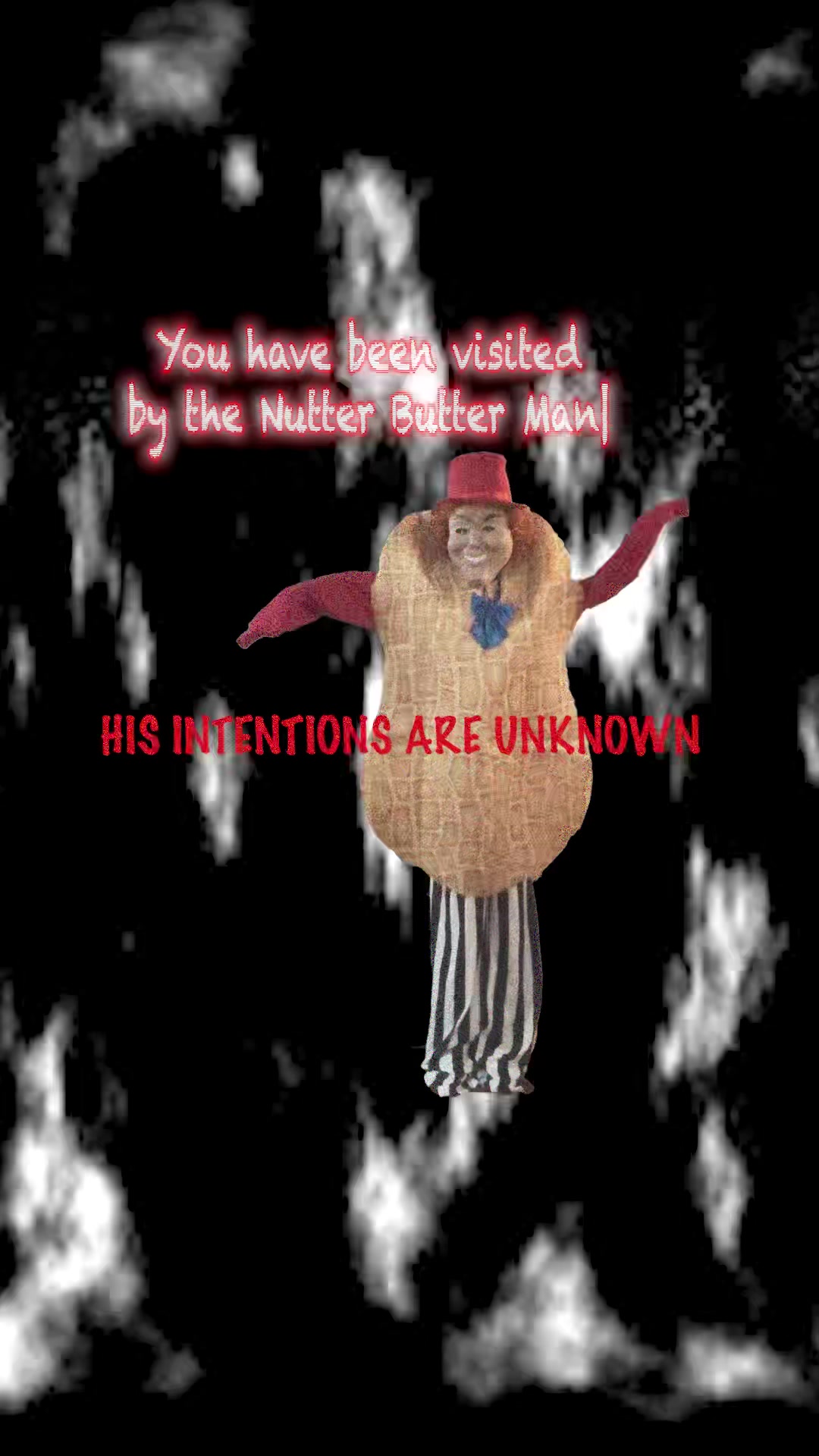
What makes this more than a weirdness contest is the co-creation loop. The team read community theories, then quietly confirmed or subverted them in the next post, which turned viewers into investigators. That only works with real comment-section attention, the kind covered in these social media content ideas. The honest caveat: this is the single hardest entry on the list to imitate. A brand with an active customer-service problem or a serious category cannot go analog-horror. Nutter Butter could, because the worst thing anyone could say about a peanut butter cookie is nothing.
3. Marc Jacobs hands the account to creators, 2024
Through 2024, Marc Jacobs ran a luxury TikTok strategy that looked nothing like luxury: it handed its brand account to small, strange, hyper-relevant creators and let them do their thing wearing the product. The post that made the industry pay attention was English actor Lewis Saunderson doing his crying-character bit in head-to-toe Marc Jacobs. The Drum’s analysis from October 2024 quotes agency leads calling it a masterclass in reactive brand engagement, and notes the contradiction is the point: $2,000 dresses sold through lo-fi absurdist skits, because the collision is what gets talked about.
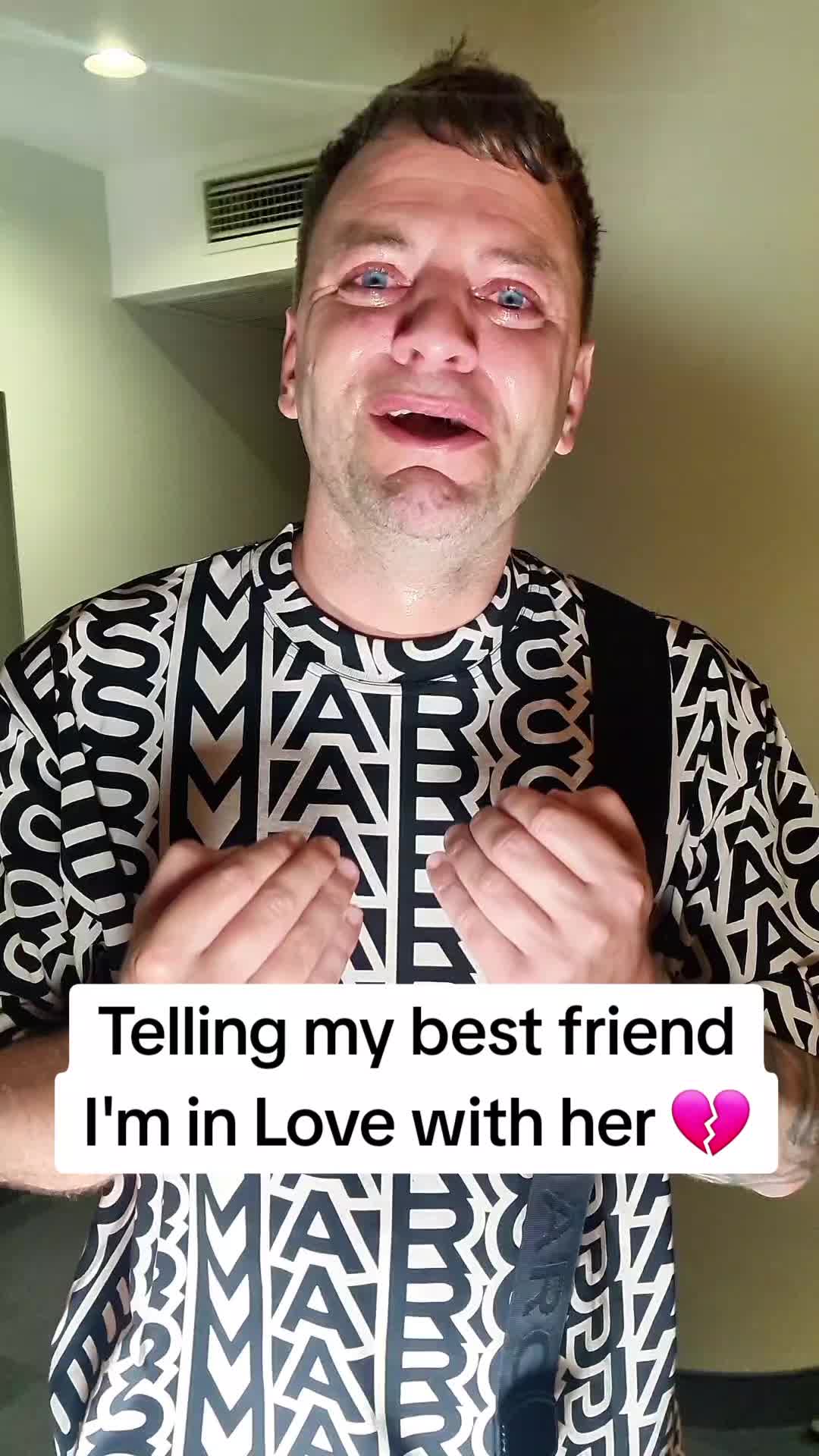
The move to steal is the handover itself. Most brands hire creators, then sand off everything that made the creator interesting with feedback rounds. Marc Jacobs posts the creator’s format intact on the brand’s own channel, so the brand borrows the creator’s fluency instead of diluting it. It is the same trust-transfer logic as UGC video, executed at the account level. The caveat from The Drum’s own experts: check your brand can absorb the joke before you try, because the same post from a heritage brand mid-crisis reads as panic.
4. Chili’s Triple Dipper engine, 2024 to 2025
Chili’s watched its Triple Dipper appetizer platter become organic TikTok material, mostly mozzarella-stick cheese pulls, and then did the unglamorous thing: it rebuilt its marketing around what the feed had already chosen. Creators who were booked to post about burgers were redirected to triple dipping, and the kitchen developed secret-menu items built for the format, like Nashville hot mozzarella sticks. Per Marketing Dive, comparable sales rose 31 percent in the quarter ending December 25, 2024, and the Triple Dipper doubled its share of the business to 14 percent of total sales, from 7 percent a year earlier. CMO George Felix later told Marketing Brew the lesson was letting fans keep some control of the things they love about the brand.
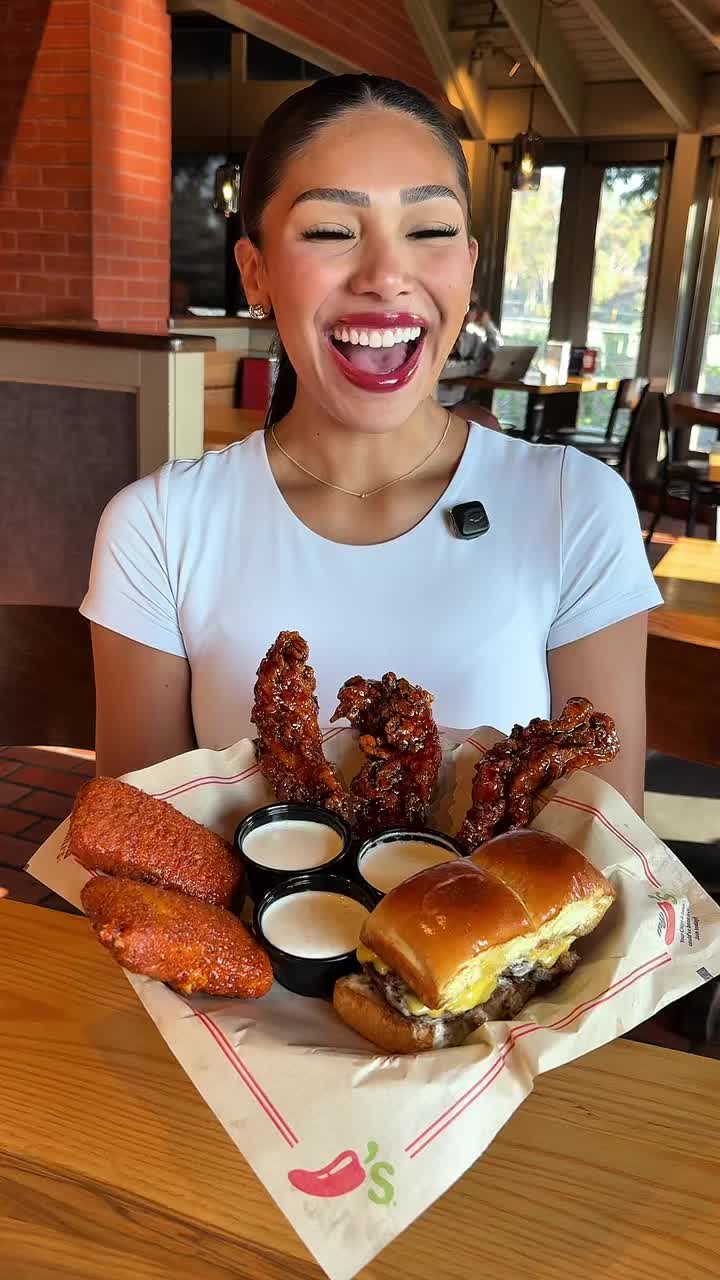
For the business side of the story, the Wall Street Journal sat down with Chili’s CEO on how the turnaround actually happened.
The mechanic: follow the camera. The cheese pull is a visual event that reads in under a second, on mute, at feed speed. Chili’s did not invent it; it noticed it, funded it, and built product around it. If your category has a moment like that, a texture, a transformation, an unboxing beat, your TikTok strategy should start there rather than with a brand message. More on engineering those moments in techniques that trigger virality.
5. Currys lets Gen Z write the script, 2024
On August 28, 2024, UK electronics retailer Currys posted a store tour in which George, a dry-witted store colleague, deadpan-delivered a script written entirely by the chain’s Gen Z staff, full of lines like “ate and left no crumbs” and “very demure”, landing right in the middle of the brat summer and rizz slang wave the script was tapping. Per The Drum’s case study, the hero video pulled 12 million organic views, the trend it started reached 73 million views across TikTok, Instagram, and X, earned coverage reached over 300 million monthly impressions, and Currys’ social following doubled within a year, with a wave of brands from Specsavers to the RNLI copying the format.
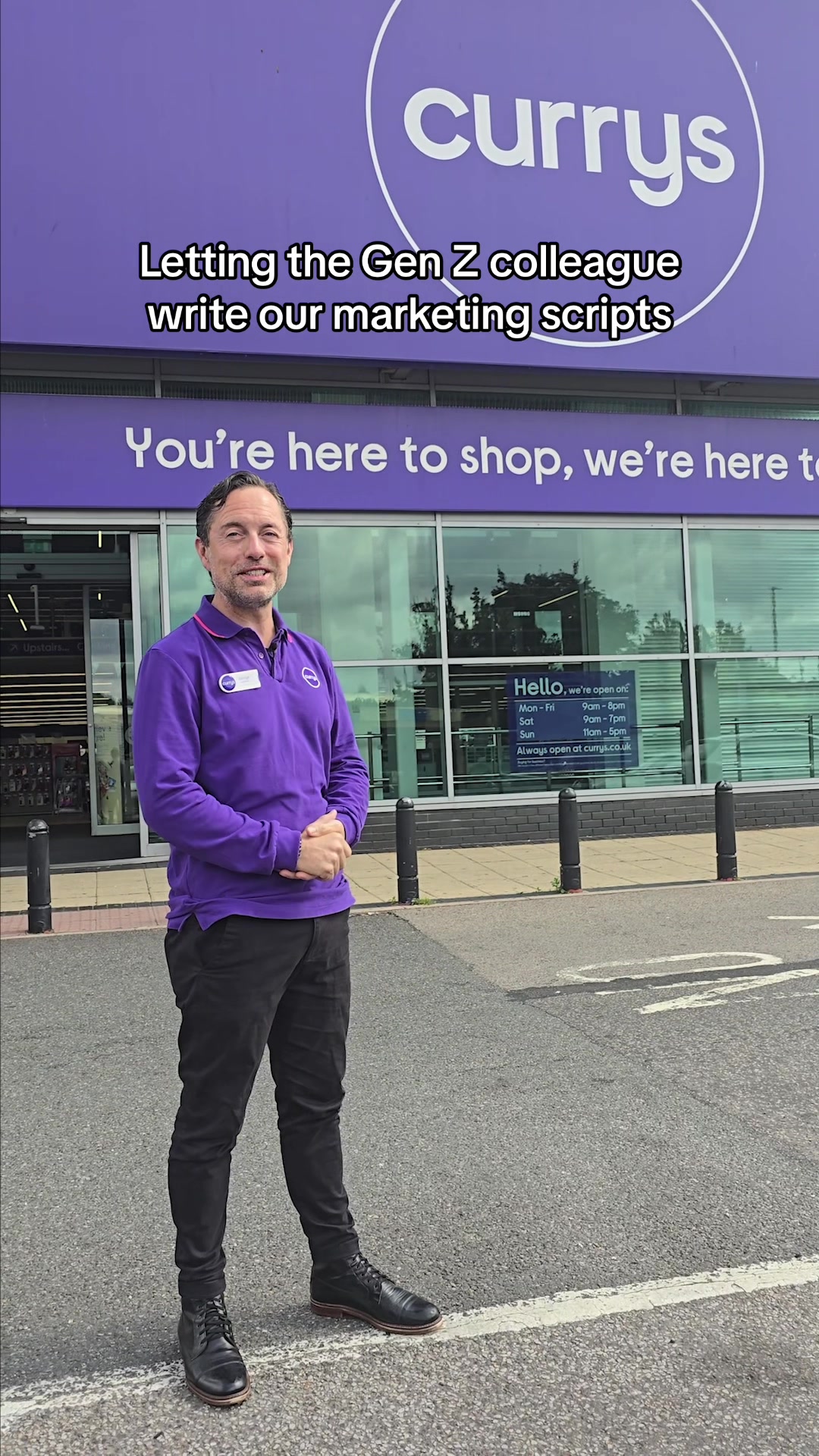
The reason it worked is the gap between speaker and script. Gen Z slang from a Gen Z presenter is wallpaper; the same words delivered flat by a man who clearly does not use them is comedy, and self-aware comedy at that. The brand admits what it is, which is exactly what young audiences reward. It is also the lightest entry on this list to attempt: one employee, one phone, one good script. The risk is casting. George works because he is real staff with real dryness, and a hired actor doing “confused older guy” would read as fake within three comments.
6. Fenty Beauty’s TikTok Shop engine, 2025
Fenty Beauty’s TikTok presence today is a steady stream of swatch demos and try-ons, wired directly to purchase through TikTok Shop and Shop Ads. In a five week measurement study, run as a 2025 geo-lift test and published as a TikTok case study, the brand found that TikTok Shop activity generated 6.7 times more sales beyond on-platform purchases, with its own online store capturing nearly twice the halo impact of all other channels combined, and over a third of incremental sales coming from new customers.
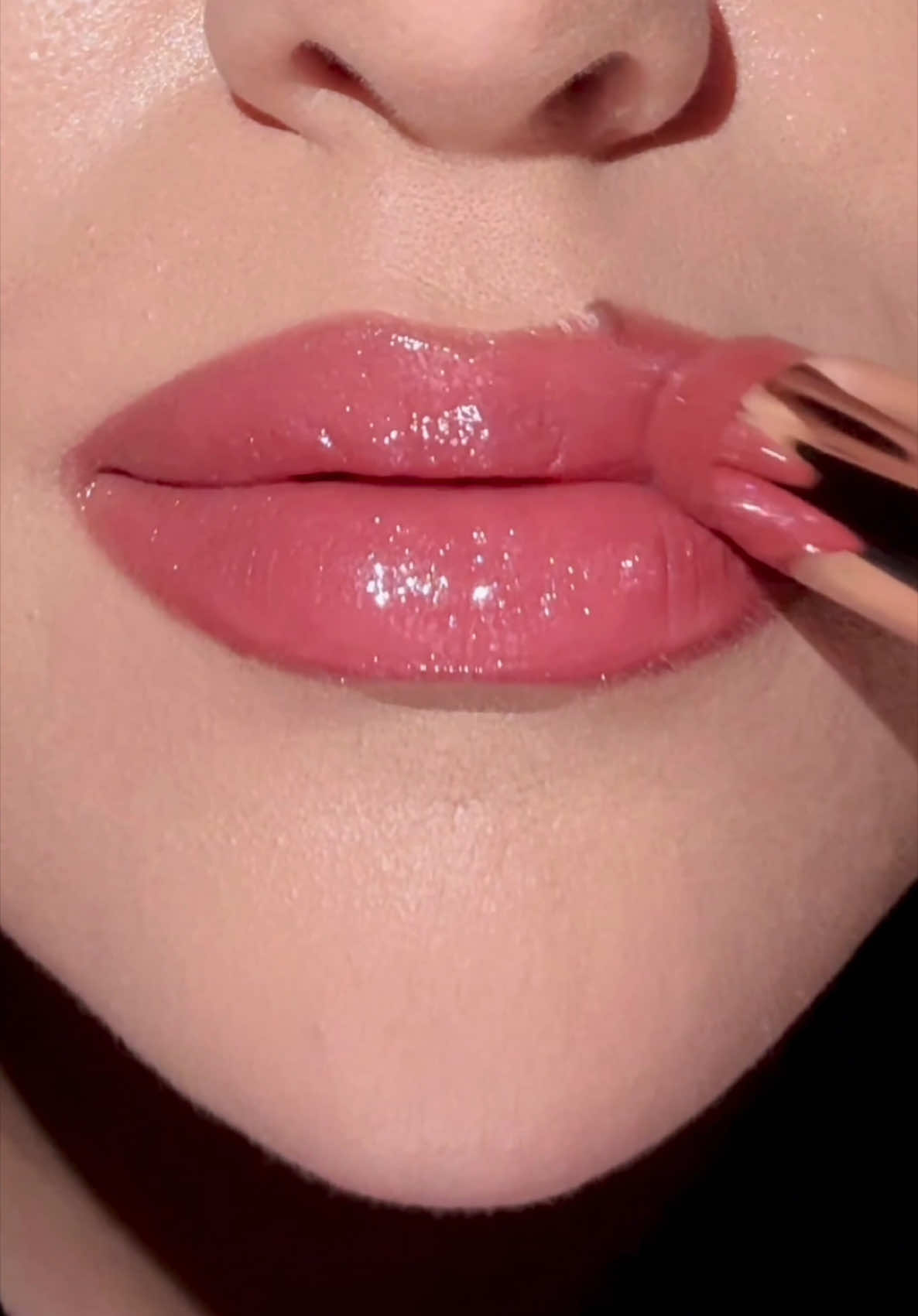
The creative pattern is consistent: product in frame immediately, application shown on a real person, result visible before any purchase prompt. The post above walks through four shades in one take. No studio, no script gymnastics, just proof. For beauty and any demo-friendly product, this is the most copyable entry on the list, because the production bar is a phone, good light, and a person who knows the product.
7. Ryanair’s self-deprecating plane
Ryanair built one of the most recognizable brand accounts on TikTok out of a face filter slapped on a 737 and a willingness to agree with its own critics. Complaints about fees and cramped seats get answered with snark rather than spin. Skift’s October 2025 interview with Ryanair marketing chief Dara Brady sums the approach up as turning memes into core messaging and social snark into earned attention, keeping the brand visible without heavy ad spend.
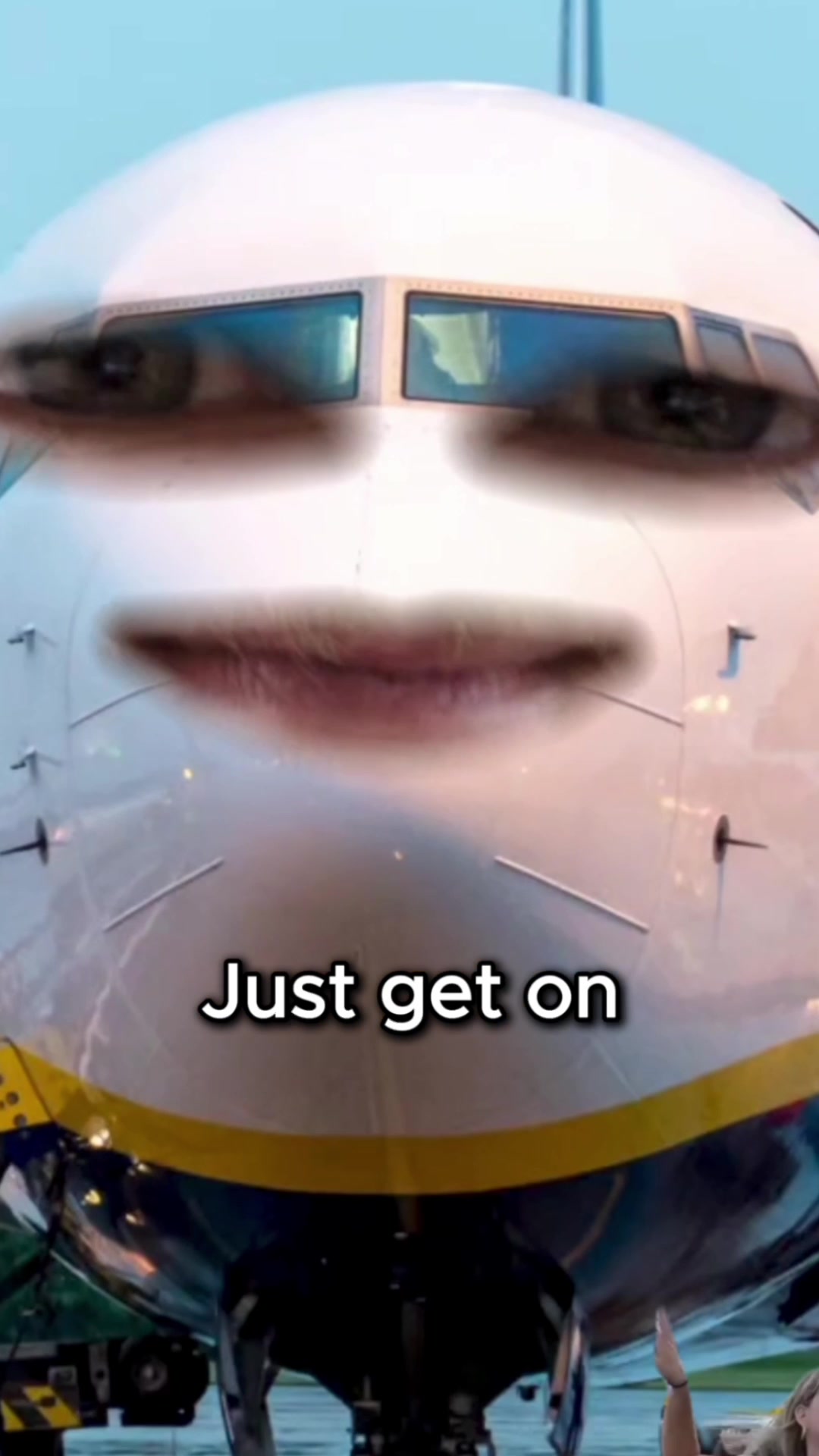
The honest caveat: this only works if your positioning can absorb the joke. Ryanair sells low fares, so joking about no-frills service reinforces the reason customers already chose it. A premium brand running the same playbook would torch its own price point. Before anyone on your team pitches “let’s be like Ryanair,” write down what the self-deprecation would admit, and check you can afford to admit it.
The seven ads side by side
Here is the whole list in one view, with the thing worth stealing and the way each approach goes wrong.
| Example | Year | Format | The move to steal | Watch out |
|---|---|---|---|---|
| Duolingo kills Duo | 2025 | Organic narrative campaign | A story with chapters people speculate about | Needs years of character equity first |
| Nutter Butter Nutterverse | 2024 | Organic brand posts, zero spend | Turn fan theories into the next post | Most categories cannot go this weird |
| Marc Jacobs creator handovers | 2024 | Creator posts on the brand account | Post the creator’s format intact | Sanding it down in feedback kills it |
| Chili’s Triple Dipper | 2024 to 2025 | Influencer partnerships on an organic trend | Fund the visual the feed already chose | Useless without product and stock behind it |
| Currys Gen Z script | 2024 | Employee-generated content | The gap between speaker and script | A hired actor reads as fake instantly |
| Fenty Beauty | 2025 | TikTok Shop and Shop Ads | Demo, result, then the purchase prompt | Thin without a real person showing proof |
| Ryanair | Ongoing, profiled 2025 | Organic brand posts | Agree with the joke about you first | Only safe if positioning absorbs the joke |
What the research says about the first six seconds
The examples share one habit: something happens immediately. TikTok’s creator ad research with CreatorIQ found that 90 percent of ad recall impact is captured within the first six seconds. The full report from CreatorIQ puts numbers on the specific openers: a creator directly addressing the audience from the start lifted brand recall 112 percent, saying “you” within the first five seconds lifted purchase intent 128 percent, and showing the product throughout lifted brand recall 89 percent and purchase intent 47 percent. Music mattered too, lifting recall 61 percent and purchase intent 177 percent.
Treat those as directional, not as a formula. A greeting fits Duolingo’s owl; it would feel absurd in Fenty’s swatch demos. The numbers tell you the opening seconds carry the weight. The examples tell you the opening has to fit the brand.
Build for wear, too. TikTok’s creative fatigue research with System1 found that entertaining ads fatigue less, so they can run longer, and that early branding helps rather than hurts. TikTok’s creative effectiveness guidance covers both findings.
Specs to check before you export
TikTok’s creative best practices ask for the basics: sound or music, vertical 9:16 orientation, at least 720p, and key content inside the UI safe zone. The In-Feed ad specifications accept vertical, horizontal, and square video up to 10 minutes, with files up to 500 MB and a bitrate of at least 516 kbps. For Spark Ads, TikTok’s help page sets no restrictions on ratio, resolution, bitrate, or file size for the organic videos being promoted, but keeps a 10 minute maximum on videos that can be sparked and caps an Ads Manager account at 10,000 Spark Ads. For broader production context on UGC-style formats, this guide to UGC ad templates and tips is useful, but the list itself stays focused on real, named brand work. Formats and buying options change, so confirm current pages before production. If you are still choosing between placements, this overview of video advertising formats and our comparison of YouTube Shorts vs TikTok give the wider context.
Pick one beat and build around it
None of these seven look alike. Duolingo is a serialized story, Nutter Butter is a fever dream, Chili’s is a cheese pull, Currys is one employee and a script. What they share is a single clear beat the viewer gets almost immediately, executed in the platform’s native grammar. So before your next brief goes to production: write the opening frame, name the sound, decide what proof appears before the call to action, and check the whole thing still works on mute.
A dedicated creative team such as Moonb can produce this kind of platform-native video on a steady weekly rhythm alongside your own marketing team. And if you want to compare approaches to creator-style creative first, this reference on UGC-style ad production is a useful starting point. Then come back to the test every example here passes: can a viewer understand the brand’s one useful action before their thumb moves?
Frequently asked questions
Yes. Most of the winning examples in this list were shot on phones or built from posts that already existed. Spark Ads let you put media spend behind an organic post from your own account or an authorized creator, so the production cost is whatever the post cost. The bar is not polish; it is a clear opening beat, sound that fits, and visible proof of the product. A phone, good light, and someone who knows the product beats a studio shoot that looks like a television commercial.
A Spark Ad promotes a real post from a real TikTok account, and the likes, comments, shares, and follows it earns stay attached to that original post. A regular In-Feed ad runs from creative uploaded straight to Ads Manager, with no profile behind it and stricter spec rules. Use Spark Ads when a post already has traction or a creator's credibility matters; use standard In-Feed when you need full control of the caption, landing page, and creative versioning.
Start from the behavior you need rather than the format list. If you sell a demo-friendly physical product, wire the creative to TikTok Shop with Shop Ads so the proof and the purchase sit in the same place; that is the pattern behind Fenty Beauty's results. If a post from your account or a partnered creator is already gaining traction, put Spark Ads behind it and let the engagement compound on the original post. If you need full control of caption, landing page, and versioning, standard In-Feed is the tool. Whichever you pick, test two or three creatives per format before judging the format itself.


