The 12 Best Synthesia Alternatives in 2026
The 12 best Synthesia alternatives in 2026, compared honestly on avatar quality, real pricing, and the job each one is actually built for, by a video founder.

Full disclosure before we start: I co-founded Moonb, a creative studio that makes video and motion with human teams rather than avatars, so I sit on the opposite side of this category from most of the tools below. I have kept the pricing and the trade-offs straight regardless, and where an AI tool genuinely does a job better than a studio would, I say so.
Synthesia earned its lead for a reason. If you need one person to talk to camera in forty languages, updated with a text edit and never a reshoot, few things touch it. People still go looking for an alternative, and usually for one of three honest reasons: the avatars can read a little cold for the story they are telling, the per-minute pricing stops making sense at volume, or the job was never really an avatar job in the first place. This guide sorts the field by that last question, because picking the wrong category is how most teams waste their first month.
I checked all twelve tools in July 2026, confirmed each is live and operating, read the pricing published on each site (and flagged the two that hide their tiers behind JavaScript rather than guess), and noted one real limitation for every one. If your search for an alternative is really a search for something made by people, I will come back to that at the end.
The 12 best AI alternatives to Synthesia
1. HeyGen
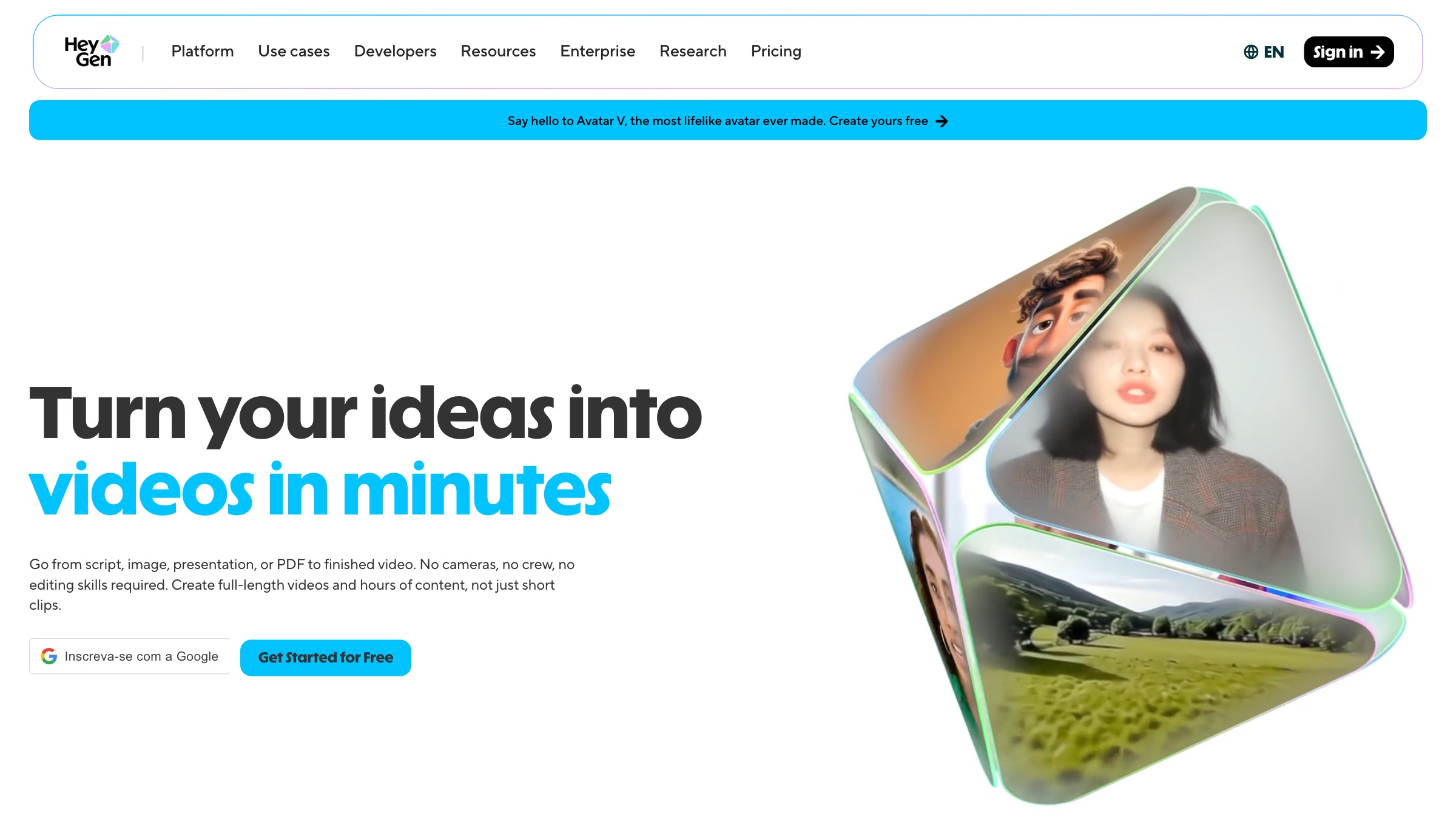
HeyGen is the closest head-to-head rival, and on raw avatar realism and multilingual lip-sync it arguably edges ahead. Miro publicly credited it with a tenfold jump in video output, which tells you where its strength sits.
- Best for: teams that want the most convincing talking-head avatar and fast multilingual dubbing
- Notable users: HubSpot, Workday, NVIDIA, Shopify
- Pricing: Free tier with three watermarked videos; Creator around $29/mo (about $24 billed annually); Business $149/mo plus $20 a seat for 4K, custom avatars and SSO
- Where it wins: avatar quality and dubbing that hold up next to anything in the category
- Worth knowing: the credit model gets expensive at real volume, since the Creator tier’s 200 credits only stretch to roughly ten minutes of finished video a month
2. DeepBrain AI (AI Studios)
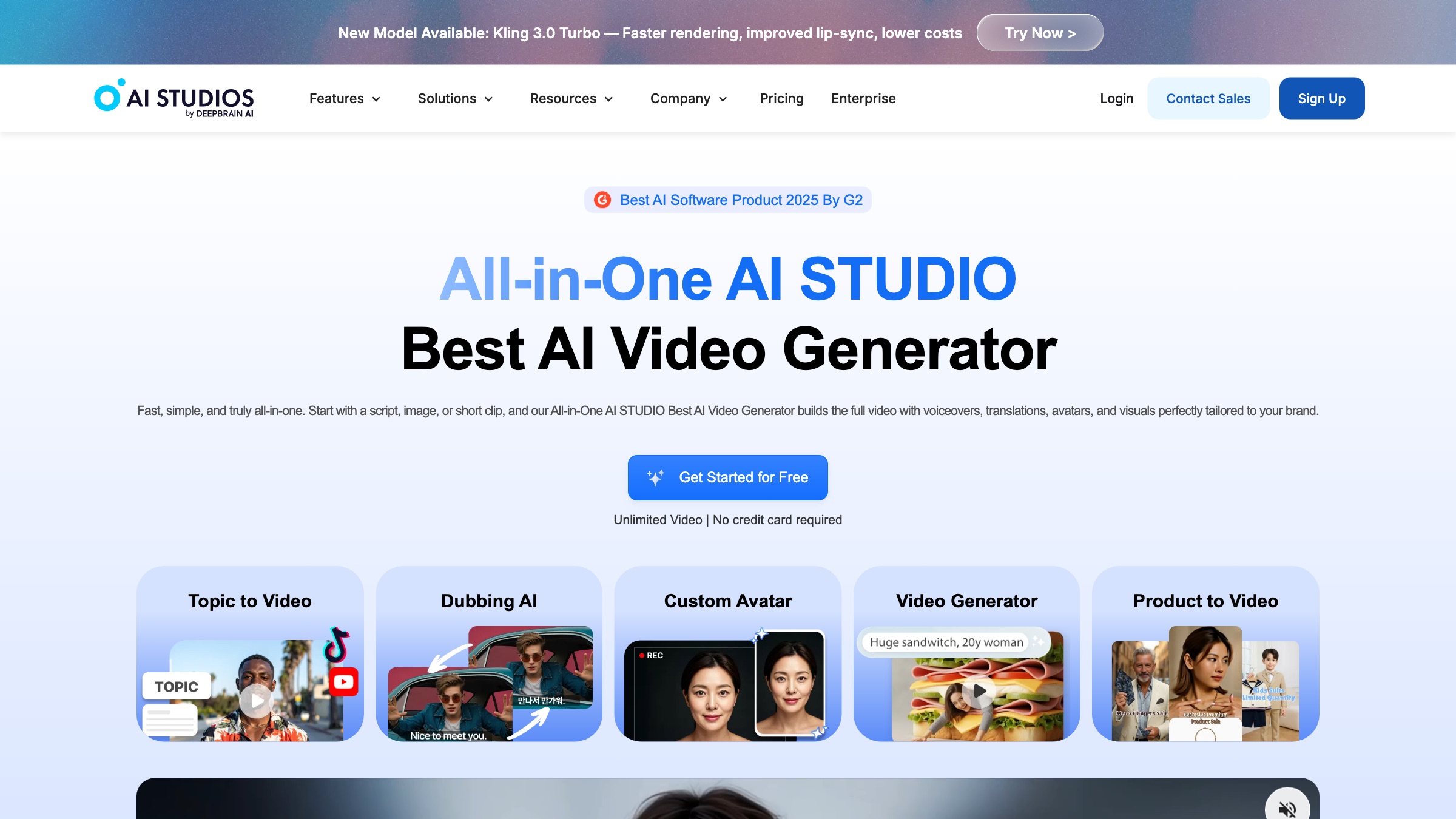
DeepBrain’s AI Studios undercuts Synthesia on price while offering a far bigger avatar library, more than two thousand of them, and it now pipes in outside generative models like Veo, Sora and Kling alongside the talking heads.
- Best for: high-volume avatar video on a lower entry price, with a genuinely usable free tier
- Notable users: AWS, BMW, Intel, Pfizer
- Pricing: Free $0/mo; Personal $24/mo; Team $55 a seat per month; Enterprise on quote, with roughly 20 percent off annual
- Where it wins: scale and value, with real-time interactive avatars few rivals match
- Worth knowing: the polish sits a notch below Synthesia, and the split between the avatar product and the interactive product makes the platform feel more fragmented than it should
3. Colossyan
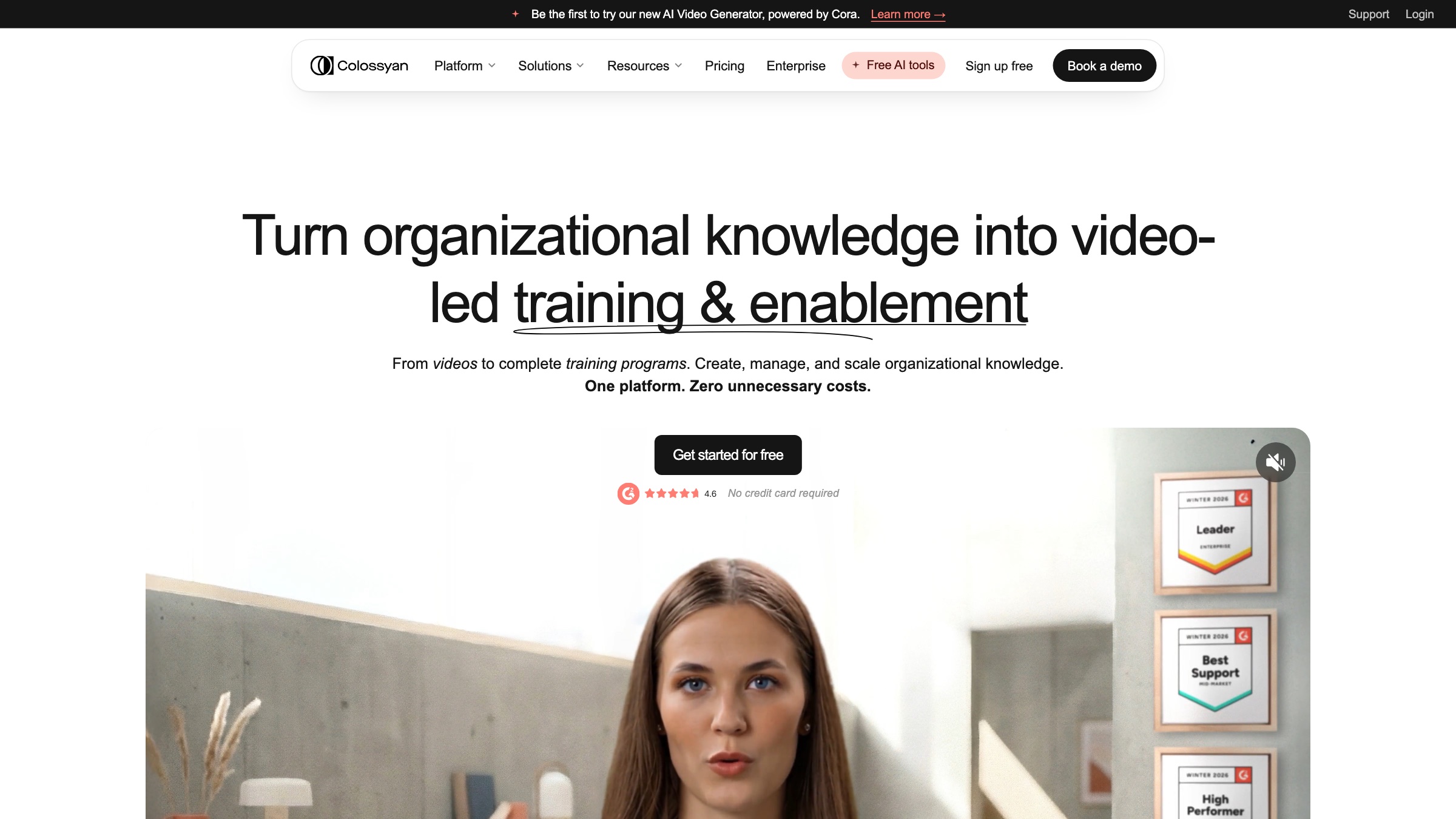
If your only real use is training, Colossyan is built for exactly that. It exports SCORM, branches into interactive scenarios, and layers quizzes straight into the video, which is more than Synthesia gives you out of the box for course work.
- Best for: learning and development teams building training that lives inside an LMS
- Notable users: Johnson & Johnson, Under Armour, Paramount, HPE, UPS
- Pricing: Free tier; Starter around $27/mo (about $19 annual) for 20 video minutes; Pro and Business roughly $59 to $88/mo; Enterprise on quote with SSO and SOC 2
- Where it wins: genuine L&D features, from SCORM export to branching, that general avatar tools skip
- Worth knowing: the avatar library is smaller (around 300) and the lower tiers cap monthly minutes tightly, so it rewards a narrow training focus rather than broad use
4. Synthesys
Synthesys bundles avatar video with a serious voice engine, over a thousand avatars alongside 140-plus languages of dubbing, and it ships full commercial rights on every tier, which matters more than people expect once a video goes public.
- Best for: creators who want avatar and strong voiceover in one place, with clean licensing
- Notable users: Coca-Cola, Yahoo, TCS, Jetex
- Pricing: Indie $29/mo ($20 annual); Studio $59/mo ($41 annual); Agency $119/mo ($83 annual); Enterprise on quote
- Where it wins: the voice and dubbing range paired with commercial rights at a low starting price
- Worth knowing: it lacks the enterprise training depth (no SCORM or SSO focus) and reads more like a broad creator toolkit than a governed corporate standard
5. D-ID
D-ID does one thing exceptionally: it takes a single photo or portrait and makes it talk, with lip-sync good enough that its real-time conversational avatars now power live agents. If your job is animating one face rather than staging a full scene, this is the sharper tool.
- Best for: turning a photo or portrait into a talking presenter, or embedding a live conversational avatar
- Notable users: Warner Bros., Coca-Cola, Microsoft, AWS, Shell
- Pricing: the Studio pricing renders through JavaScript rather than static text, so I will not quote exact figures; third-party trackers in mid-2026 put paid tiers from roughly $5/mo up to about $108/mo, plus custom Enterprise
- Where it wins: photo-to-avatar quality and a mature real-time avatar API
- Worth knowing: it is a face-animation engine, not a full studio for multi-scene, template-driven training video, and the credit meter charges even for a generation you end up discarding
6. Elai.io
Elai turns a script, a PDF, or even a slide deck into an avatar-led video, and it leans hard into learning content with quizzes and branching. It is one of the least expensive serious entry points in the whole list.
- Best for: low-cost e-learning, especially turning existing documents into narrated video
- Positioned for: training and course teams rather than named enterprise logos
- Pricing: Free $0/mo for one minute; Creator $29/mo ($23 annual) for 15 minutes; Team $125/mo for 50 minutes and 4K; Enterprise on quote
- Where it wins: a real free tier plus low starting price, with e-learning features Synthesia gates behind pricier plans
- Worth knowing: since Panopto acquired it in late 2024 it operates as a sub-brand, so its roadmap now sits behind Panopto’s LMS priorities and its avatar realism trails the newest engines
7. Vyond
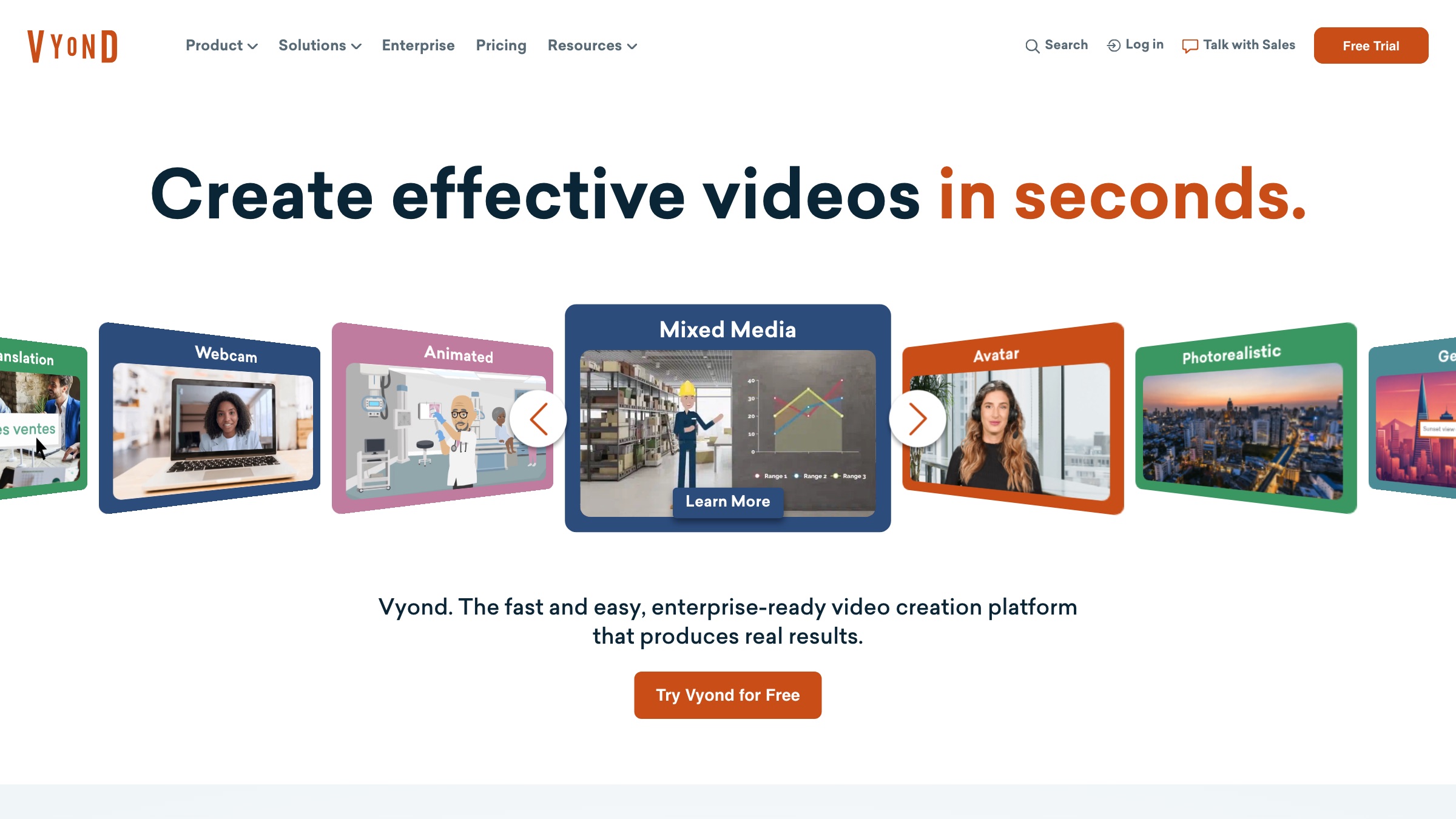
Vyond is the odd one out here in the best way. It is a character-animation studio, not an avatar tool, so when your story needs a little animated world with cast and props rather than a person reading a script, it goes places Synthesia structurally cannot.
- Best for: custom animated explainers and training built from characters and scenes
- Notable users: Whole Foods Market, Indeed, Michigan State University
- Pricing: annual per-seat plans, Starter $699/yr, Professional $1,199/yr, Enterprise $1,649/yr; monthly billing on the lower tiers runs about $99 to $199/mo
- Where it wins: character-driven animation and a huge asset library that talking-head formats simply do not offer
- Worth knowing: its own avatar and text-to-video features are a newer bolt-on and less polished, and the entry price sits higher than the avatar-first tools
8. Lumen5
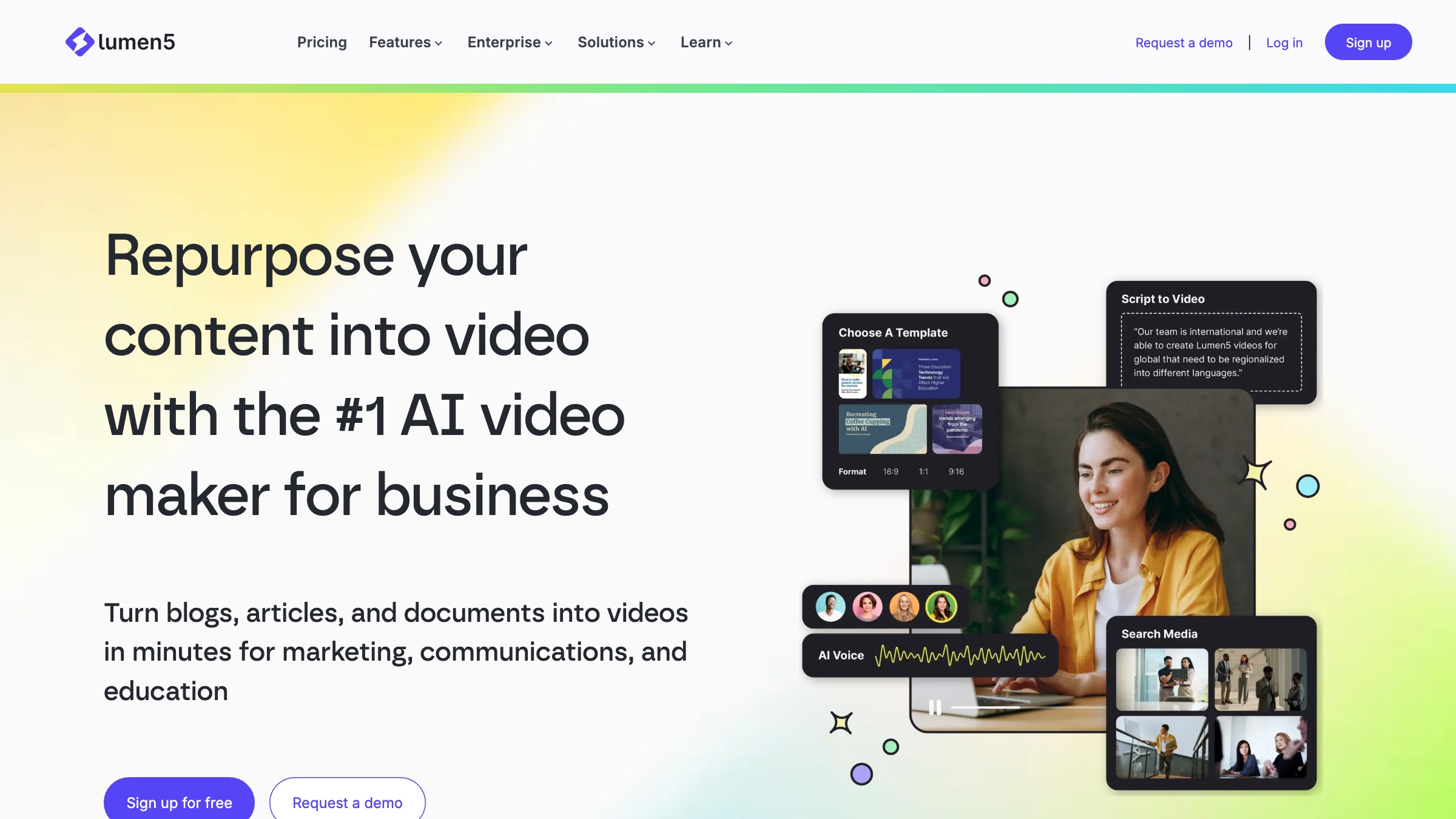
Lumen5 exists to turn writing into video. Paste a blog post or an article and it assembles stock footage, text and music into a social clip, which is a completely different job from generating a synthetic presenter.
- Best for: repurposing written content into on-brand social and marketing video, fast
- Positioned for: marketing and social teams working from an existing content library
- Pricing: Free tier with watermark; paid plans run roughly Basic $19/mo, Starter $29/mo, and Professional near $79/mo
- Where it wins: the quickest path from a finished article to a finished video, with a large built-in media library
- Worth knowing: there are no avatars or presenters at all, so if the whole point was a talking synthetic human, this is the wrong shelf entirely
9. Pictory
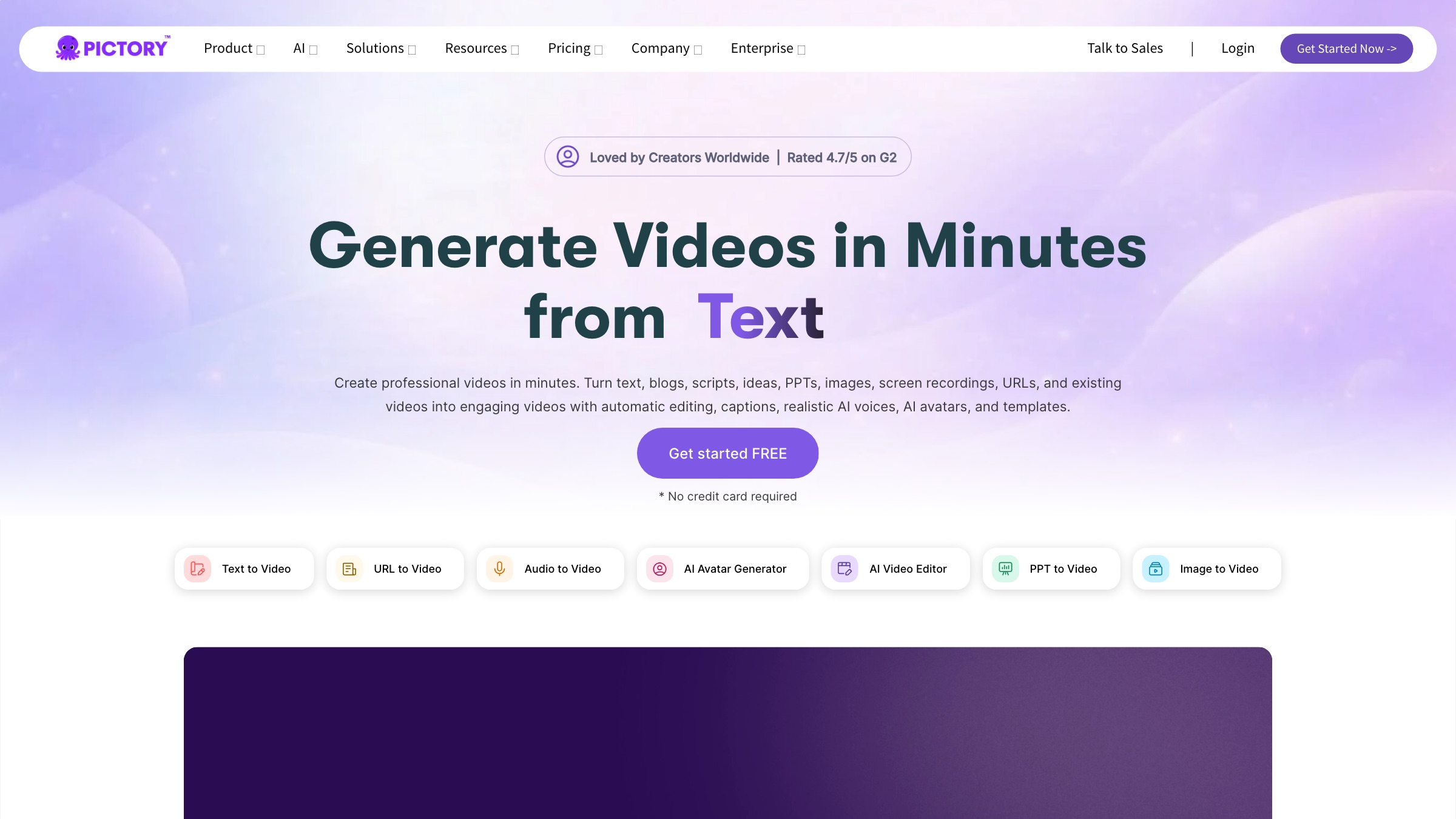
Pictory is Lumen5’s closest cousin, tuned for long-form content. Feed it a webinar, a script, or a lengthy PDF and it cuts short narrated clips with auto-captions, which makes it a favourite for turning one asset into a week of social posts.
- Best for: slicing long-form content and webinars into short captioned social video
- Positioned for: content marketers and educators repurposing at volume
- Pricing: Starter $29/mo for 200 minutes; Professional $59/mo for 600; Team $199/mo for 1,800; Enterprise on quote, with annual billing priced lower
- Where it wins: fast, low-cost repurposing of existing long content with generous stock footage
- Worth knowing: its avatar output is a secondary add-on and noticeably weaker than a purpose-built avatar engine
10. InVideo
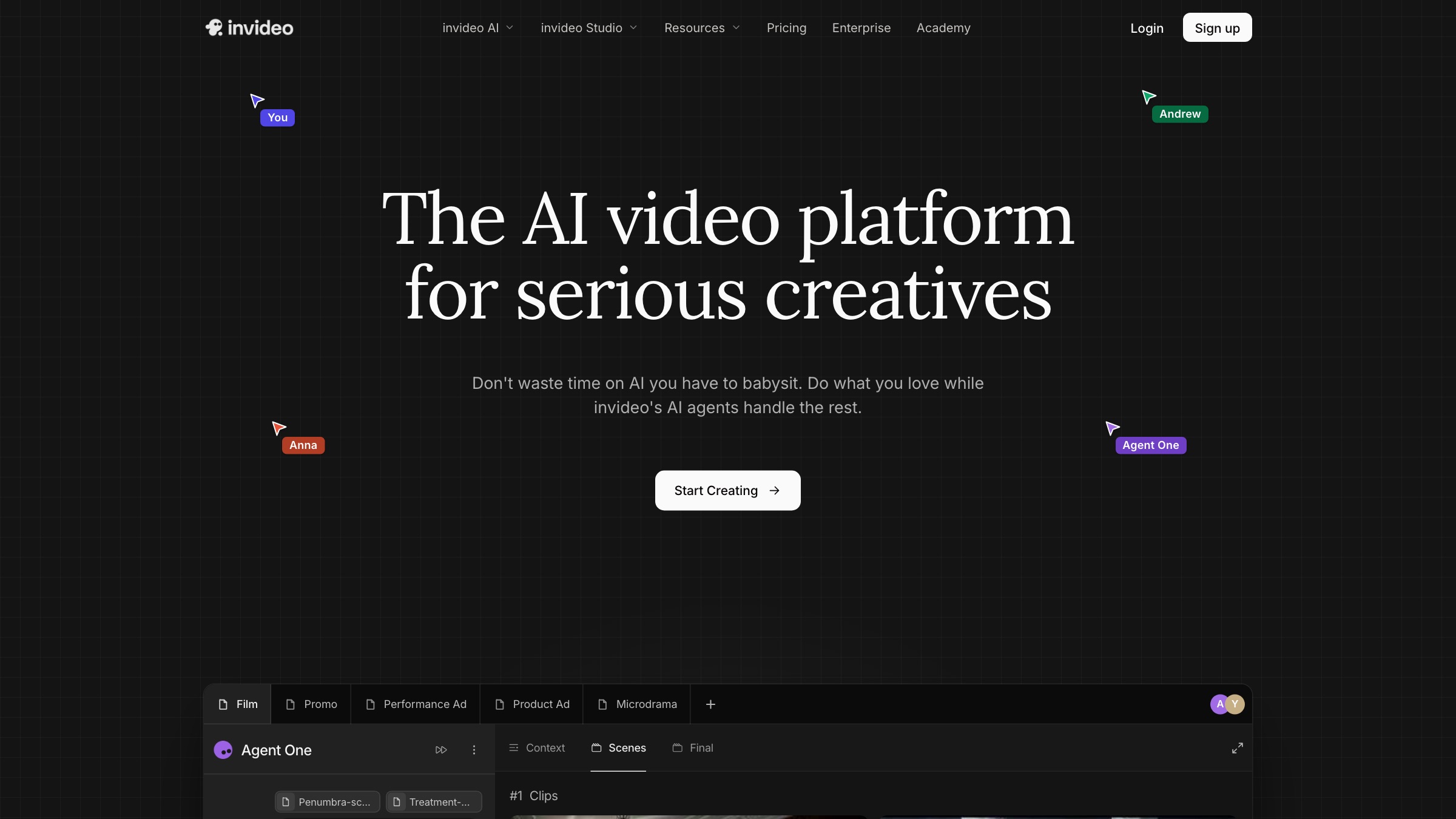
InVideo rebuilt itself around a prompt. Its Agent One assembles a full video from a single instruction, and it now bundles the heavyweight generative models, Sora 2, Google Veo 3.1 and a couple of hundred others, into one pipeline.
- Best for: prompt-to-video generation with access to the newest generative models in one place
- Notable users: Google, NVIDIA, Salesforce, Netflix, Meta
- Pricing: the tiers render through JavaScript, so I will not quote exact numbers; several 2026 sources put paid plans from roughly $20/mo billed annually upward, above a free watermarked tier
- Where it wins: the broadest generative model access of the category, so you can generate from a text prompt rather than assemble
- Worth knowing: it is not a purpose-built corporate avatar platform, so its presenters and brand controls are a bolt-on rather than the core
11. Fliki
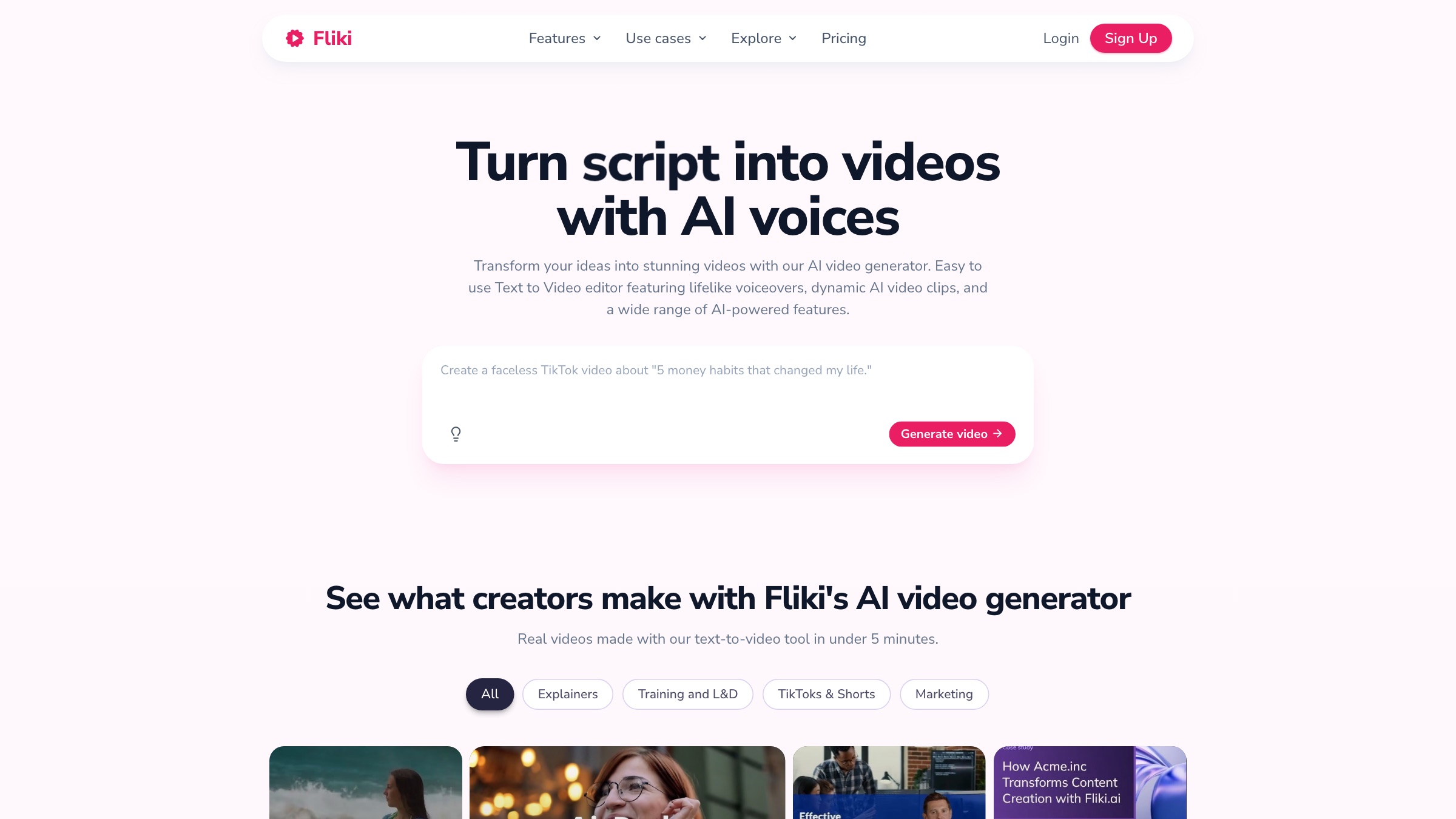
Fliki leads with voice. It carries more than two thousand voices across eighty-plus languages, then turns a script into faceless short-form video or an avatar-led one, at a lower price than the avatar specialists.
- Best for: multilingual voiceover-first video and faceless short-form content
- Positioned for: creators and marketers who need voice range more than a synthetic face
- Pricing: Free tier with 36 monthly credits at 720p and a watermark; third-party sources report Basic near $28/mo, Standard $66/mo, and Premium $99/mo, with roughly 25 percent off annual
- Where it wins: exceptional voice and language coverage paired with quick text-to-video
- Worth knowing: the avatars are gated to higher tiers and trail the specialists, so this is really a voice tool that also does video
12. Steve AI
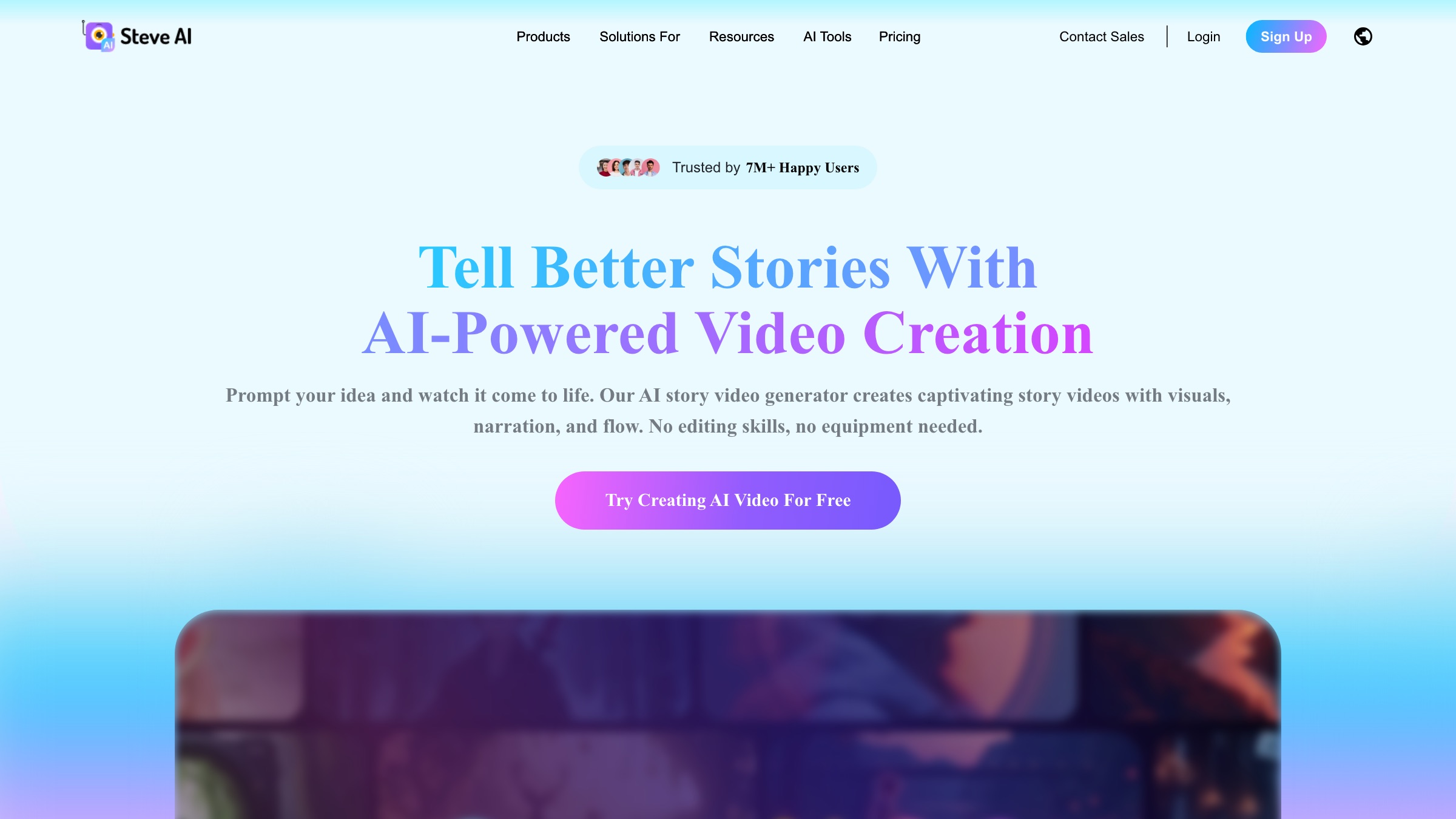
Steve AI, from the team behind Animaker, is the widest-format tool on the list. One prompt can produce cartoon animation, generative AI video, or live-action-style footage, which makes it the playground option when you are not sure what style fits yet.
- Best for: experimenting across animation, generative and live-action styles from one script
- Positioned for: creators and small teams who value format range over photoreal avatars
- Pricing: Free plan with limited AI-video minutes; Basic around $20/mo at 720p; Starter about $60/mo at 1080p; Pro and generative tiers above that
- Where it wins: the sheer breadth of output styles in a single, inexpensive tool
- Worth knowing: its avatars are cartoon-grade, so it cannot match Synthesia’s photoreal presenters or enterprise brand controls
If you want to understand what these tools are actually doing when they generate a face or a scene, this explainer on how AI image and video generation works is worth the time before you commit to one.
How to pick the right one
The list above splits cleanly into four jobs, and naming yours first saves a lot of wasted trial sign-ups.
- If the job is a person talking to camera, you are choosing an avatar tool, and the shortlist is HeyGen, DeepBrain, Synthesys and D-ID. Judge them on realism for your language and how the pricing behaves once you multiply by your real monthly minutes.
- If the job is training, Colossyan and Elai were built for it, so weigh SCORM export, branching and quizzes rather than avatar count.
- If the job is turning existing content into video, Lumen5 and Pictory do that and avatar tools do not, so do not pay for a synthetic presenter you will never use.
- If the job is animation or open-ended generation, Vyond, Steve AI and InVideo live there, and each solves a different flavour of it.
Two hidden costs catch people out. The first is the credit meter: a headline monthly price can hide the fact that finished minutes run out faster than you expect, so always convert a plan into real output before you commit. The second is revision friction. An AI tool regenerates in seconds, which sounds like a strength until you have regenerated the same forty-second clip fifteen times chasing a tone the model keeps missing, and the hours you thought you saved come straight back.
When a human team beats any of these
Here is the honest edge of the category, and it is where Moonb sits, so read it knowing my bias. Every tool above is exceptional at volume and speed for a defined format. What none of them sells is judgment: the read on why a line lands flat, the instinct to cut a scene that tests fine but feels hollow, the taste that keeps a brand recognisably itself across a year of work. When a video carries something that matters, a launch, a brand film, the piece a whole campaign leans on, that judgment is usually the difference between something people watch and something they scroll past.
That is the work an embedded team does, a group of people who learn your brand and make everything from video to motion with a Creative Director steering it, rather than a model generating in isolation. It is slower than a text prompt and it costs more than a monthly tool, and for the right project it returns both many times over. The genuinely useful move is to be clear-eyed about which projects are which. Use the AI tools for the hundred videos where speed is the whole point, and bring in people for the handful where being forgettable is the real risk.