12 Best AI Animation Software Tools (2026)
The 12 best AI animation software tools for 2026, compared by use case, price, and real limitations, from prompt-to-video generators to 2D character animation.

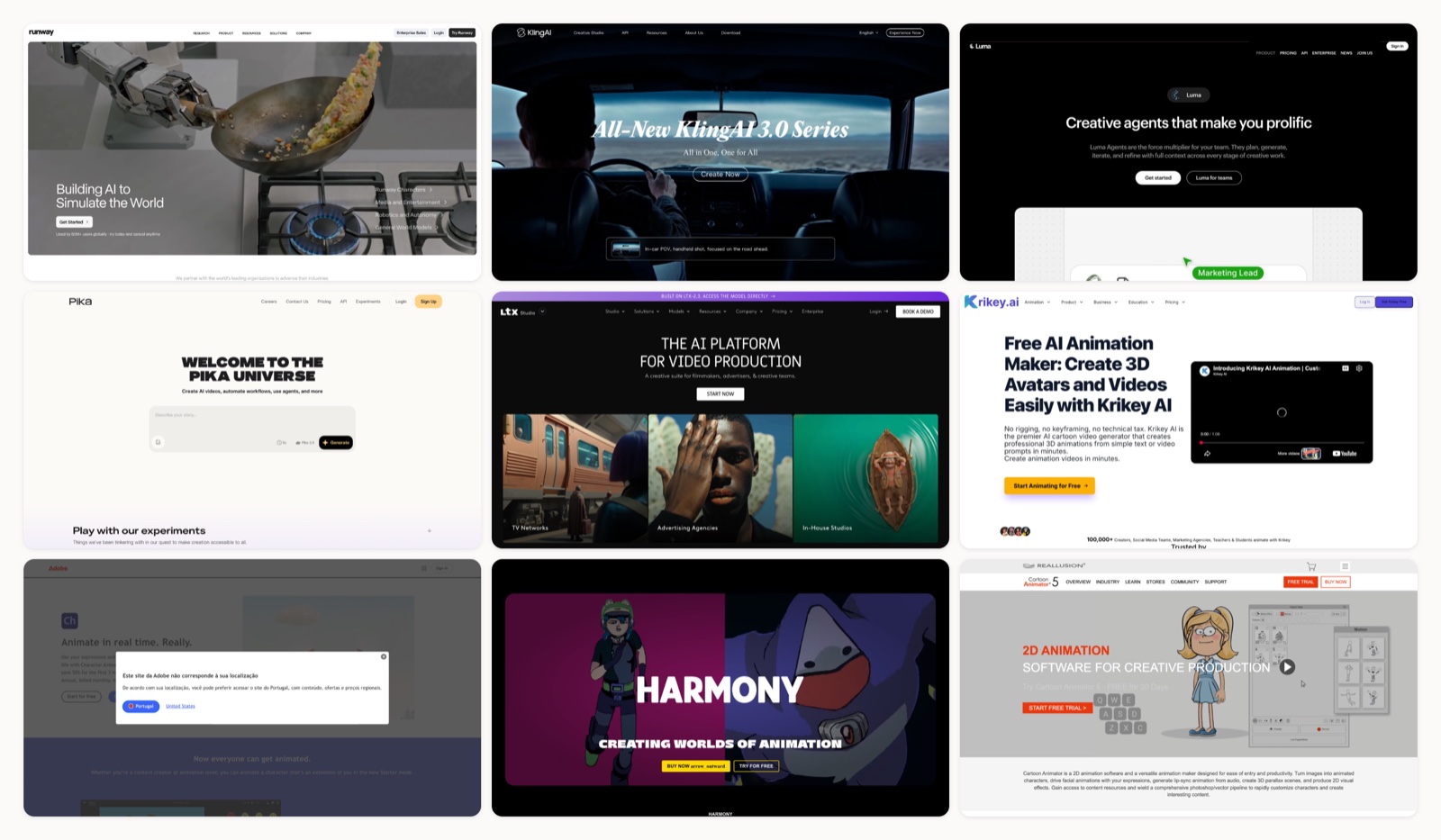
Type a sentence, get a moving image. That is roughly where animation tooling landed in 2026, and it changed which software belongs on a list like this. I tested the new AI tools against the studio programs I have leaned on for years, so I can tell you where the hype holds and where it breaks. Half the tools below did not exist as animation platforms three years ago. The other half are the studio programs animators have trusted for a decade, now with AI helpers wired into the workflow.
This guide sorts twelve of them by what you actually want to make. Prompt-to-video generators for ads and social. Story-first platforms for previs and pitch films. 2D character and puppet software for explainers and series. Every entry lists who it suits, what it costs, one reason to pick it, and one real limitation, so you can shortlist fast instead of opening six accounts.
One note on scope. If your job is cutting and polishing footage rather than generating it, the best AI video editors sit in a separate roundup. This one is about making the animation itself. For a broader primer on the craft these tools sit inside, Britannica’s overview of animation is a good starting point.
1. Runway
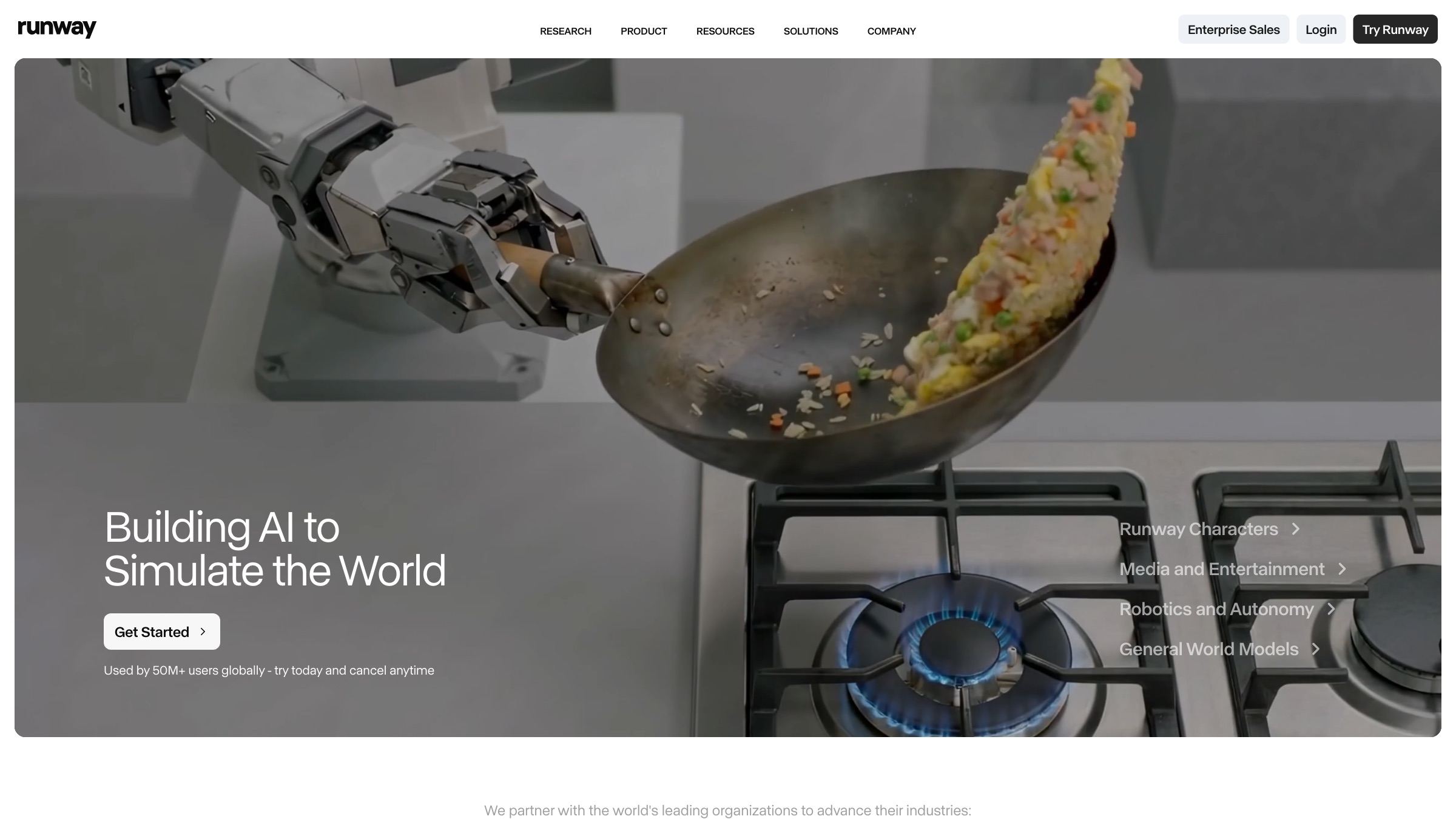
- Best for: Marketers and creative teams who want real control over motion for ads and short clips.
- Pricing: Free plan; paid tiers start at $12 a month (Standard, billed yearly).
- Why it stands out: Motion Brush and camera controls let you direct specific movement instead of accepting whatever the model hands back. It also runs several text-to-video models in one place, so you can compare outputs without switching apps.
- Worth knowing: Everything runs on credits. Long or high-resolution generations burn through them quickly, and individual clips stay short.
2. Kling AI
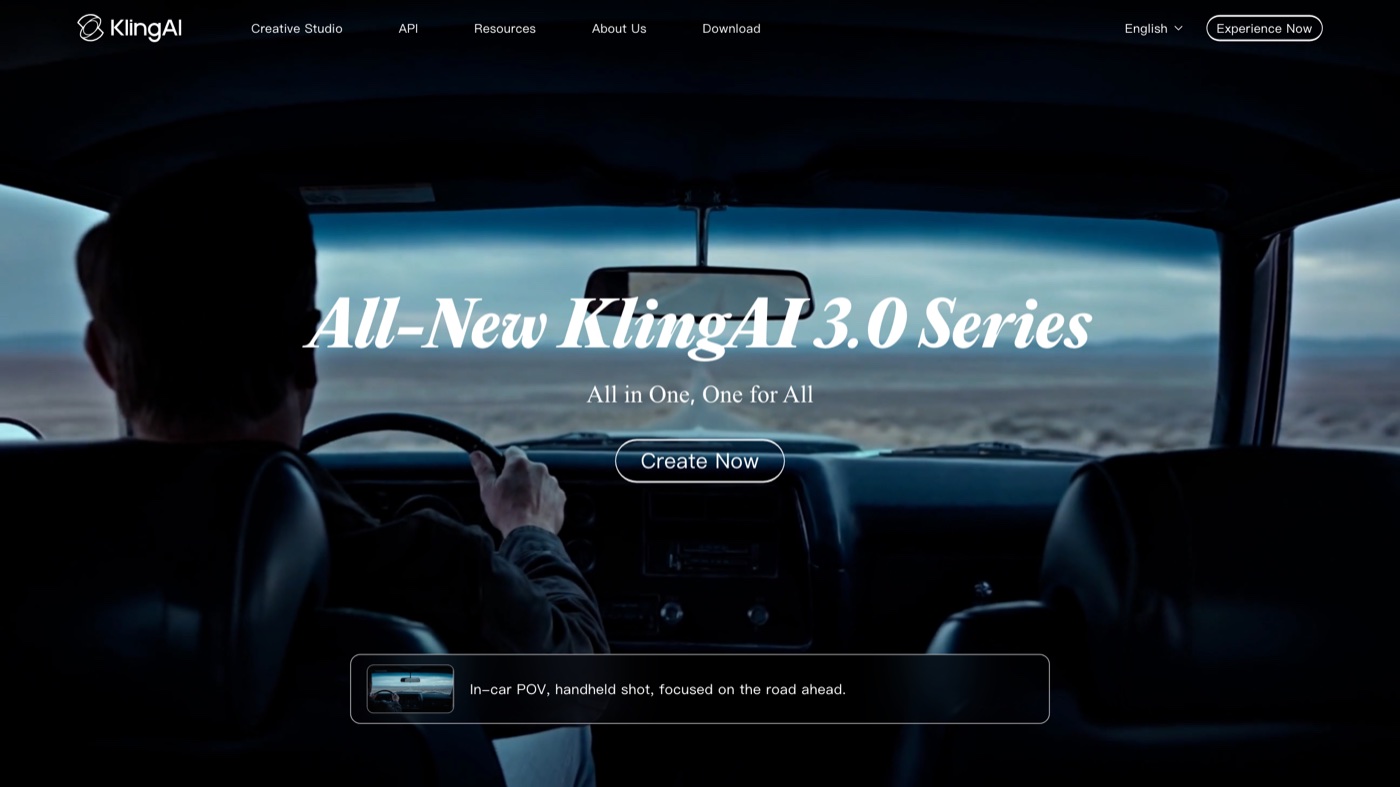
- Best for: Creators who want believable motion and consistent characters without paying premium rates.
- Pricing: Free daily credits; paid tiers start at $10 a month (Standard).
- Why it stands out: Its motion physics hold up well, and characters stay recognizable across separate shots. The cost per generation is among the lowest of the serious generators.
- Worth knowing: Credits reset every month, and the free tier can leave you waiting in a queue during busy hours.
3. Luma Dream Machine
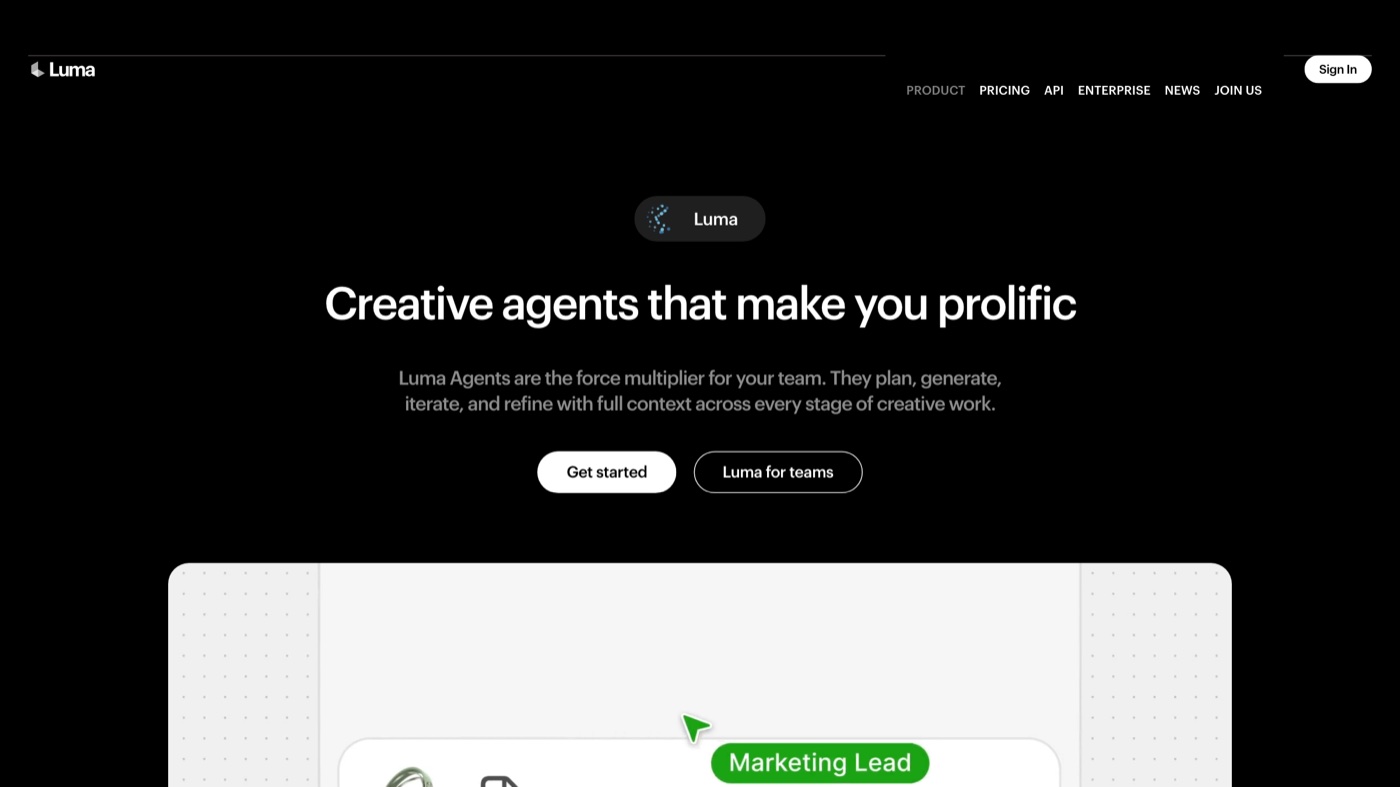
- Best for: Turning a single still image into cinematic, atmospheric motion.
- Pricing: Free tier; paid plans from $30 a month (Plus).
- Why it stands out: Image-to-video with camera moves produces smooth, filmic five-second shots in a couple of minutes. It is a favorite for mood pieces and quick concept reels.
- Worth knowing: It shines on short clips. Longer sequences mean stitching shots together, and fine-grained control lags behind Runway.
4. Pika
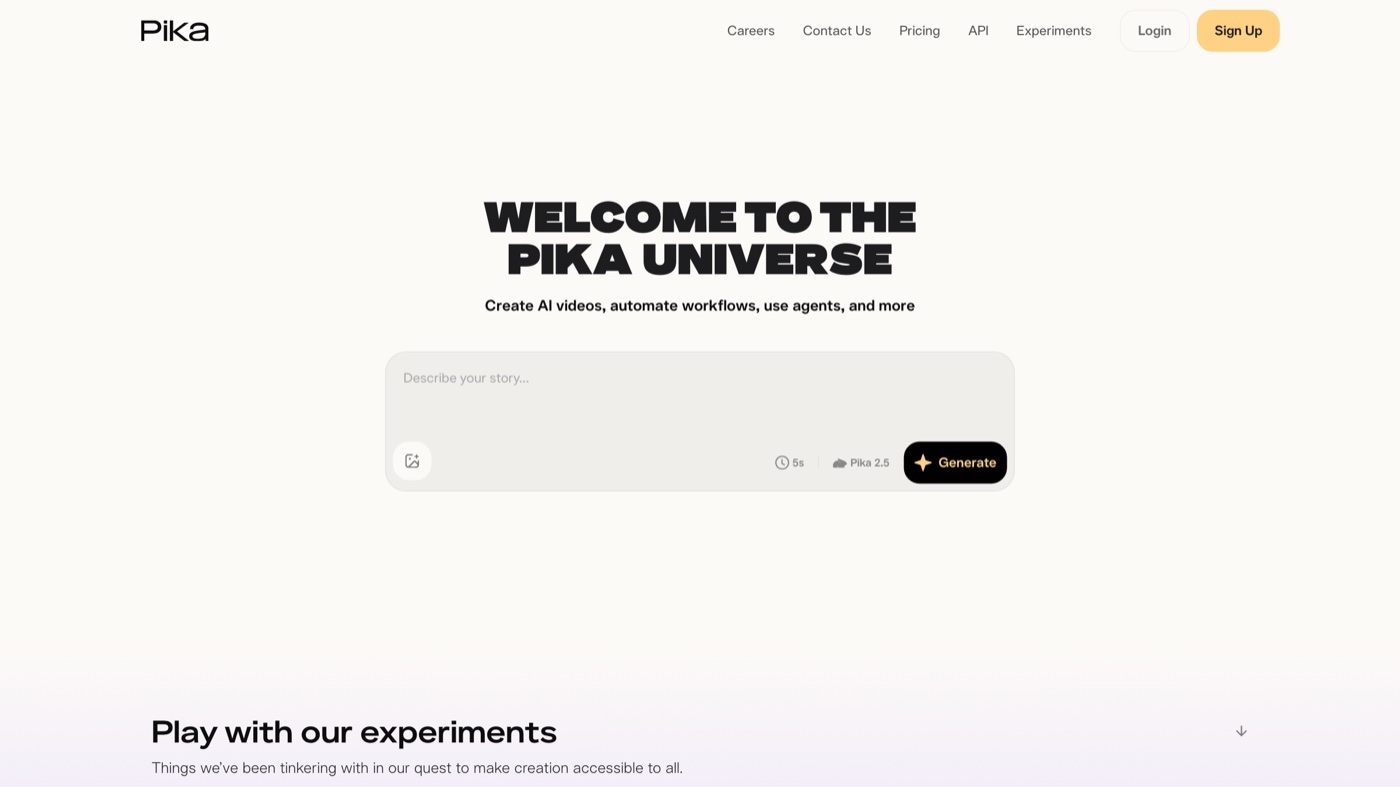
- Best for: Fast social clips and playful, effect-driven video.
- Pricing: Free plan; paid tiers start at $8 a month (Standard, billed yearly).
- Why it stands out: Generations are quick, and Pikaffects add one-click transformations like inflate, melt, and explode that are built for the scroll.
- Worth knowing: The output leans stylized and novelty-first, which makes it a weaker fit for tightly controlled brand work.
5. LTX Studio

- Best for: Storyboarding a whole animated piece from a script, shot by shot.
- Pricing: Free plan; paid tiers start at $15 a month (Lite).
- Why it stands out: It treats your idea as a production, with a script, characters, shots, and camera direction, rather than a pile of single clips. That makes it strong for previs and pitch films.
- Worth knowing: Keeping characters consistent from shot to shot still takes manual attention, and credit limits pinch on the entry tier.
6. Krikey AI
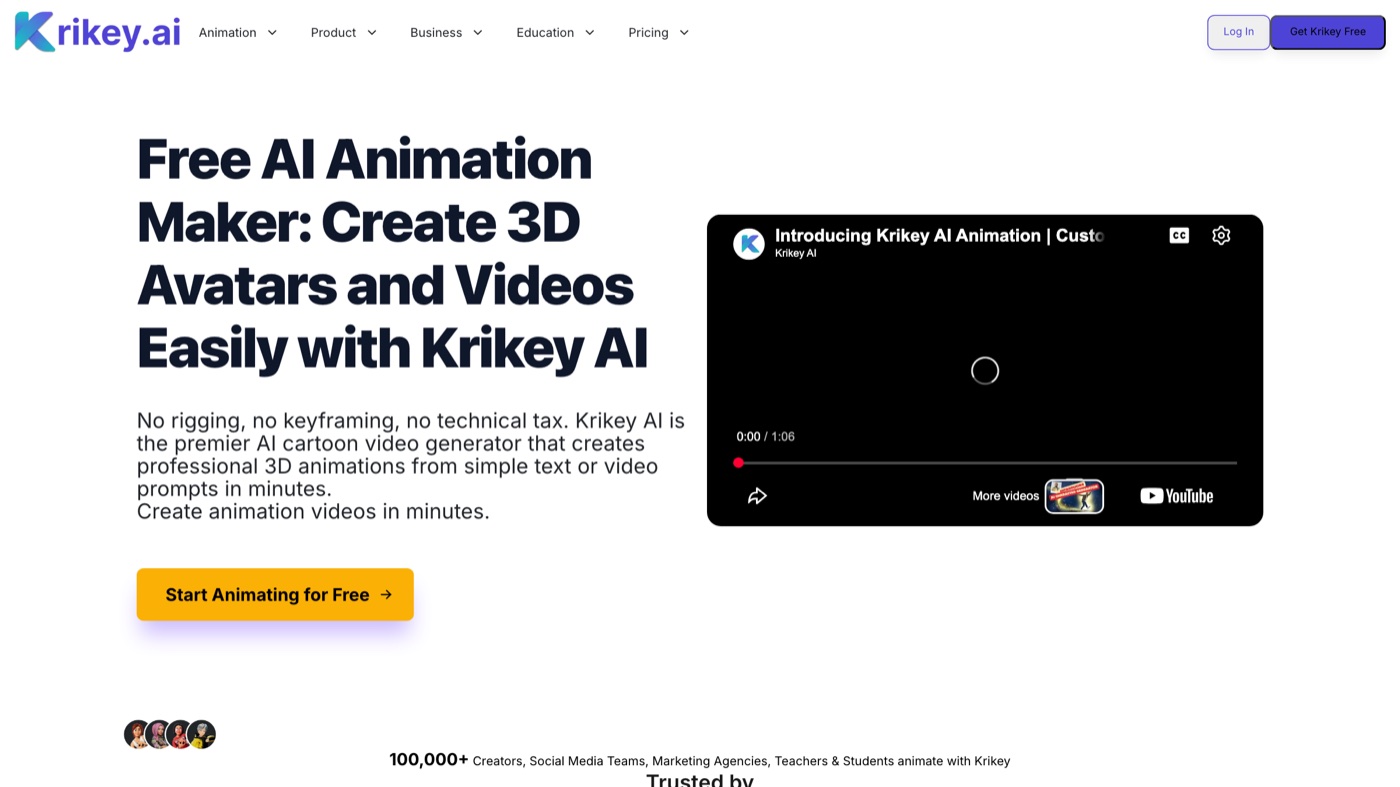
- Best for: 3D character animation without rigging or keyframing.
- Pricing: Free plan; Pro at $15 a month.
- Why it stands out: Text-to-animation and motion capture from a plain video both work in the browser, and it rigs characters automatically. Finished animations export to Unity and Unreal.
- Worth knowing: The character and style library is narrower than a full 3D suite, so it is better for quick scenes than for hero shots that need heavy polish.
Watch the generative tools go head to head
If your end goal is a 2D explainer video or an animated series, the next five tools are built for that world instead.
7. Adobe Character Animator
- Best for: Real-time 2D puppet performance driven by a webcam and mic.
- Pricing: Available through Creative Cloud; the single-app plan runs $22.99 a month (billed yearly).
- Why it stands out: Face and lip-sync capture animate a layered Photoshop or Illustrator puppet live, which is a gift for streams and dialogue-heavy content.
- Worth knowing: It handles 2D puppets only, and rigging a complex character properly takes real setup time before you record a single frame.
8. Toon Boom Harmony
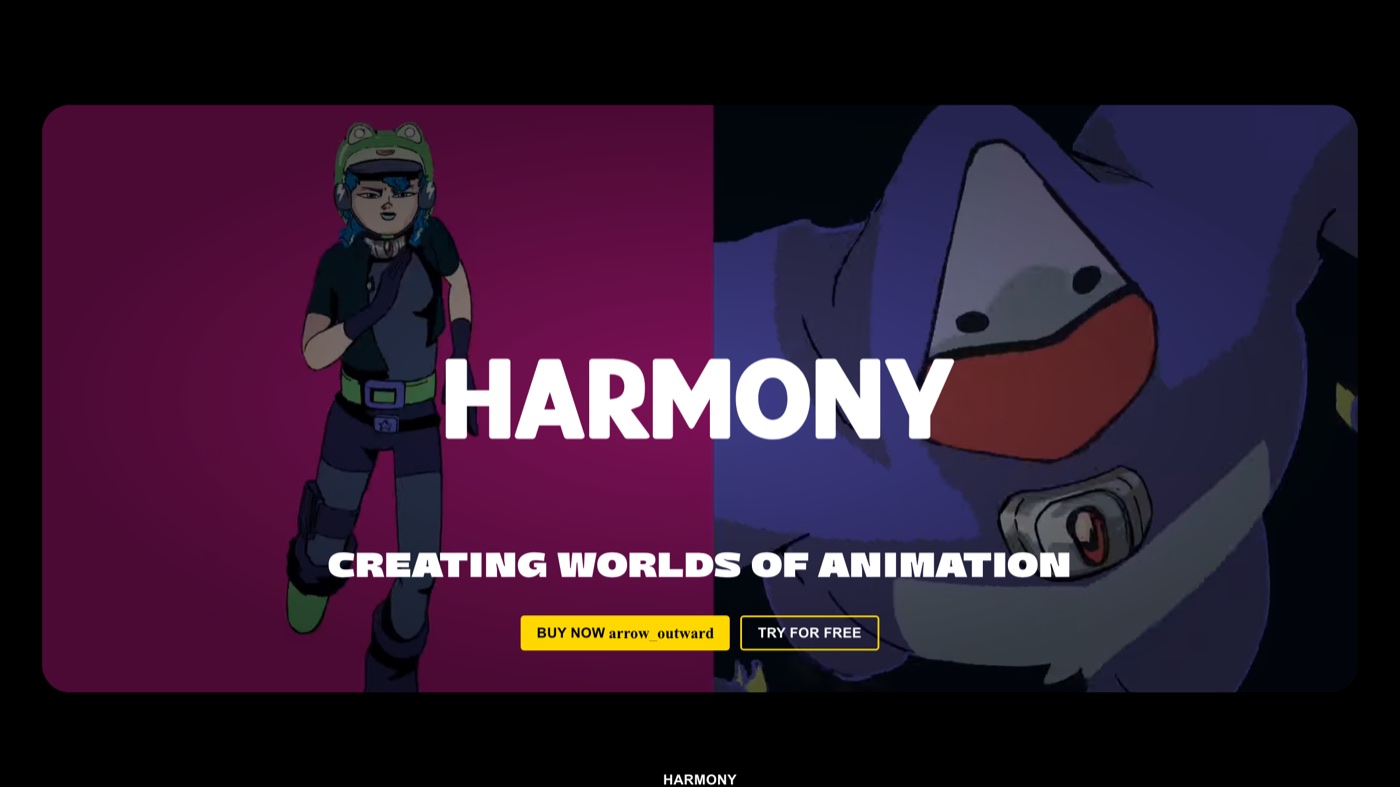
- Best for: Studios and career animators producing broadcast-grade 2D.
- Pricing: Harmony Essentials from $30 a month; Advanced and Premium cost more.
- Why it stands out: This is the program behind real television series and features. Deep rigging, drawing, and automatic inbetweening give you control that lighter tools cannot match.
- Worth knowing: The learning curve is long, and the AI assistance is a helper inside a pro workflow rather than the main attraction.
9. Cartoon Animator 5
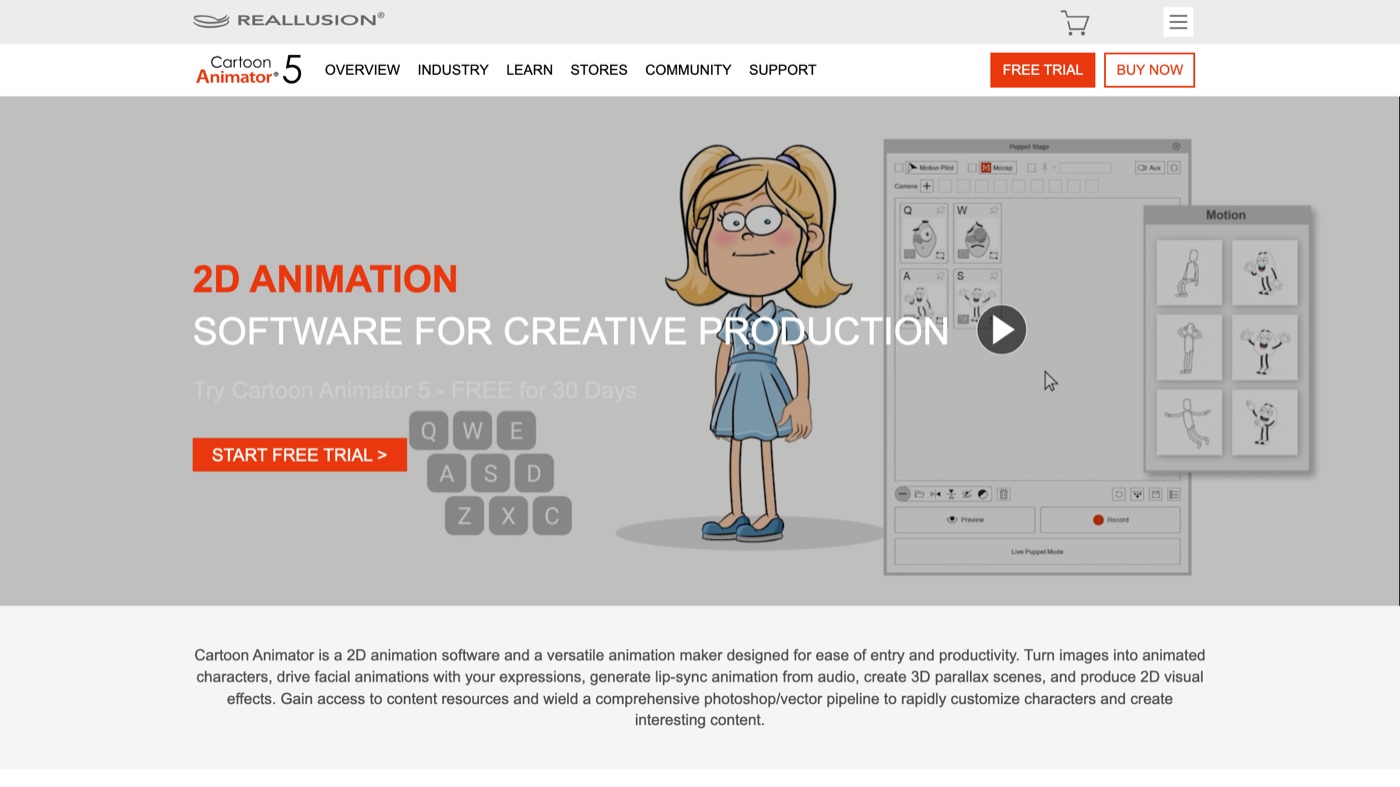
- Best for: Turning illustrations into animated characters with motion capture.
- Pricing: One-time purchase from about $99 (the Pipeline edition costs more); Reallusion added monthly options in 2026.
- Why it stands out: Facial capture and large motion libraries bring 2D characters to life quickly, and you own the license outright instead of paying every month.
- Worth knowing: It is built around characters, so environment work and effects-heavy scenes fall outside its comfort zone.
10. Vyond
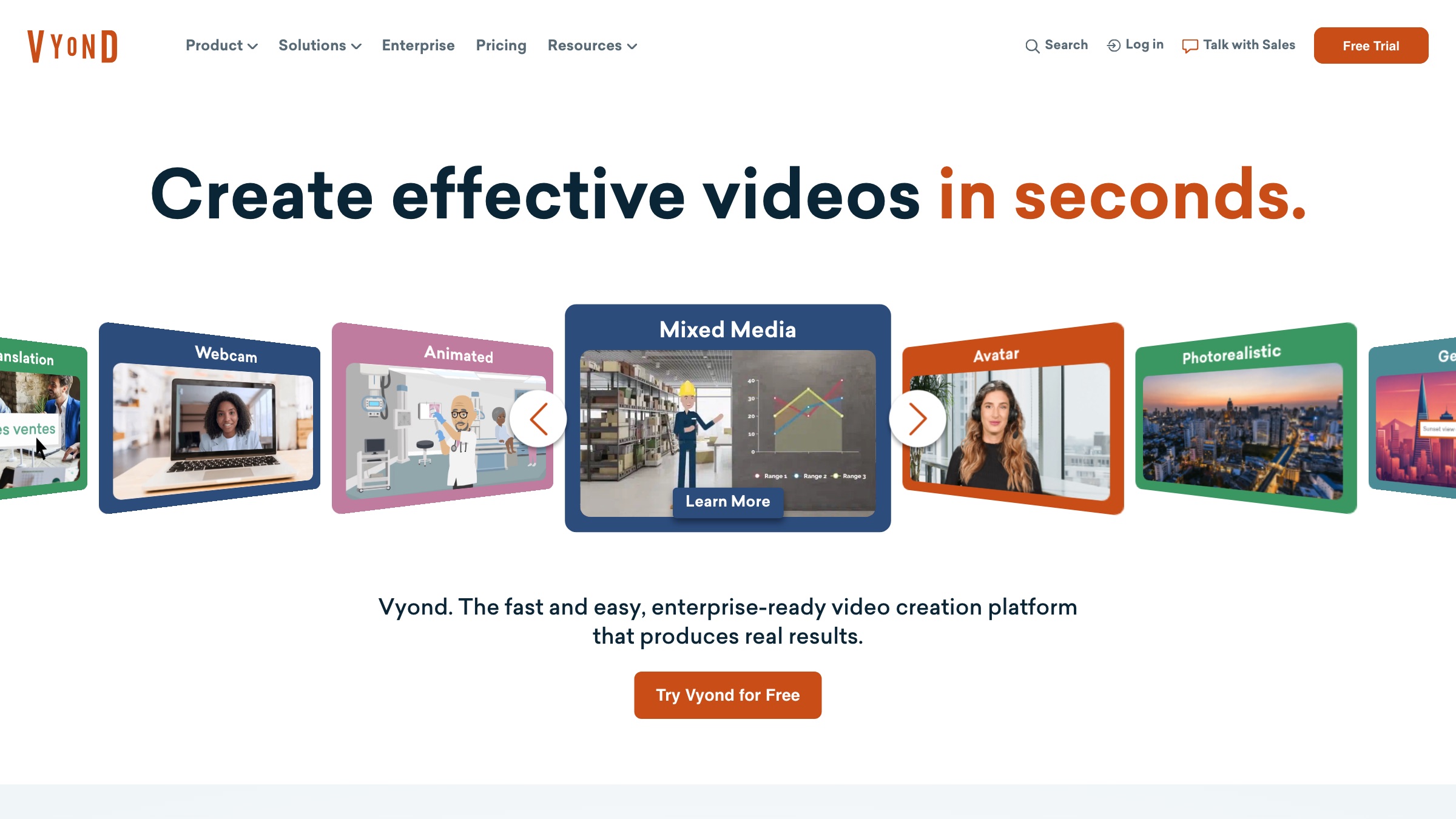
- Best for: Corporate training, explainers, and internal comms made by people who are not animators.
- Pricing: Starter from $58 a month (billed yearly).
- Why it stands out: Vyond Go turns a prompt or a script into a rough video you can refine, and the business-oriented asset library plus auto lip-sync keep output consistent across a team.
- Worth knowing: It is priced for organizations, and the house style can make different videos look like siblings.
11. Animaker
- Best for: Template-driven explainers and social animation on a smaller spend.
- Pricing: Basic from $15 a month.
- Why it stands out: A drag-and-drop editor, a big character and template library, AI voiceovers, and short generative clips make it one of the friendlier animation tools for non-designers.
- Worth knowing: Premium assets and AI credits are metered, and detailed custom work hits a ceiling the templates cannot push past.
12. Kaiber
- Best for: Audio-reactive, artistic animation and music videos.
- Pricing: Free plan; paid tiers start at $10 a month (Starter).
- Why it stands out: Its audio engine reads a track’s beat and frequencies and syncs the visuals to them, something the general video generators do not do on their own. It has been used on real, released music videos.
- Worth knowing: The look is stylized by design, so it is the wrong pick for a clean, literal corporate explainer.
The 12 tools compared
| # | Tool | Best for | Pricing | Limitation |
|---|---|---|---|---|
| 1 | Runway | Marketers and creative teams who want control over AI-generated motion for ads and short clips | Free plan; paid tiers start at $12 a month (Standard, billed yearly) | Everything runs on credits, so long or high-resolution generations burn through them fast and clips stay short |
| 2 | Kling AI | Creators who want believable motion and consistent characters without premium rates | Free daily credits; paid tiers start at $10 a month (Standard) | Credits reset every month and the free tier can leave you queuing during busy hours |
| 3 | Luma Dream Machine | Turning a single still image into cinematic, atmospheric motion | Free tier; paid plans from $30 a month (Plus) | It shines on short clips; longer sequences mean stitching shots and fine control lags behind Runway |
| 4 | Pika | Fast social clips and playful, effect-driven video | Free plan; paid tiers start at $8 a month (Standard, billed yearly) | Output leans stylized and novelty-first, a weaker fit for tightly controlled brand work |
| 5 | LTX Studio | Storyboarding a whole animated piece from a script, shot by shot | Free plan; paid tiers start at $15 a month (Lite) | Keeping characters consistent shot to shot still takes manual attention, and credit limits pinch on the entry tier |
| 6 | Krikey AI | 3D character animation without rigging or keyframing | Free plan; Pro at $15 a month | The character and style library is narrower than a full 3D suite, better for quick scenes than hero shots |
| 7 | Adobe Character Animator | Real-time 2D puppet performance driven by a webcam and mic | Through Creative Cloud; single-app plan runs $22.99 a month (billed yearly) | It handles 2D puppets only, and rigging a complex character properly takes real setup time |
| 8 | Toon Boom Harmony | Studios and career animators producing broadcast-grade 2D | Harmony Essentials from $30 a month; Advanced and Premium cost more | The learning curve is long, and the AI assistance is a helper inside a pro workflow, not the main event |
| 9 | Cartoon Animator 5 | Turning illustrations into animated characters with motion capture | One-time purchase from about $99 (Pipeline edition costs more); monthly options added in 2026 | Built around characters, so environment work and effects-heavy scenes fall outside its comfort zone |
| 10 | Vyond | Corporate training, explainers and internal comms made by non-animators | Starter from $58 a month (billed yearly) | Priced for organizations, and the house style can make different videos look like siblings |
| 11 | Animaker | Template-driven explainers and social animation on a smaller spend | Basic from $15 a month | Premium assets and AI credits are metered, and detailed custom work hits a ceiling the templates cannot push past |
| 12 | Kaiber | Audio-reactive, artistic animation and music videos | Free plan; paid tiers start at $10 a month (Starter) | The look is stylized by design, the wrong pick for a clean, literal corporate explainer |
When you need people, not just tools
Software like this is strong at speed, drafts, and one-off clips. It gets shaky when you need forty assets that all look on-brand, when a moment calls for taste rather than a prompt, or when a director has to make a call the model cannot. Producing animation at real volume, on brand, every time, is a hiring question more than a software one.
You have a few routes. Build an in-house team, work with freelancers per project, or bring in an embedded creative team like Moonb that runs your ongoing video and animation work with a dedicated creative director. None of these removes the need to understand the animation process itself, and the fundamentals studios still teach through resources like Pixar in a Box matter as much now as before AI arrived. I have run all three setups over the years, and the embedded route is the one I recommend once animation becomes a constant rather than a one-off. Whichever path you choose, the tools above are what your people will reach for.
Frequently asked questions
There is no single winner. Runway and Kling AI lead for prompt-to-video motion, Toon Boom Harmony remains the standard for professional 2D, and Vyond or Animaker are easiest for explainer content. Pick by the kind of animation you are making and how much control you need.
Not for work that has to stay on-brand and consistent across many assets. These tools speed up drafts, in-betweens, and one-off clips, but a person still handles art direction, story, and the final polish. They augment animators rather than replace them.
Several tools have free plans, including Runway, Kling AI, Pika, LTX Studio, Krikey AI, and Kaiber. Free tiers usually add a watermark and limited monthly credits. If you want fully free professional 2D software, OpenToonz is open-source and costs nothing.