12 Best Free Screen Recorders for 2026
Twelve free screen recorders tested for 2026 and ranked by watermarks, time limits, system audio, and sharing. Clear picks for Windows, Mac, Linux, and browser.

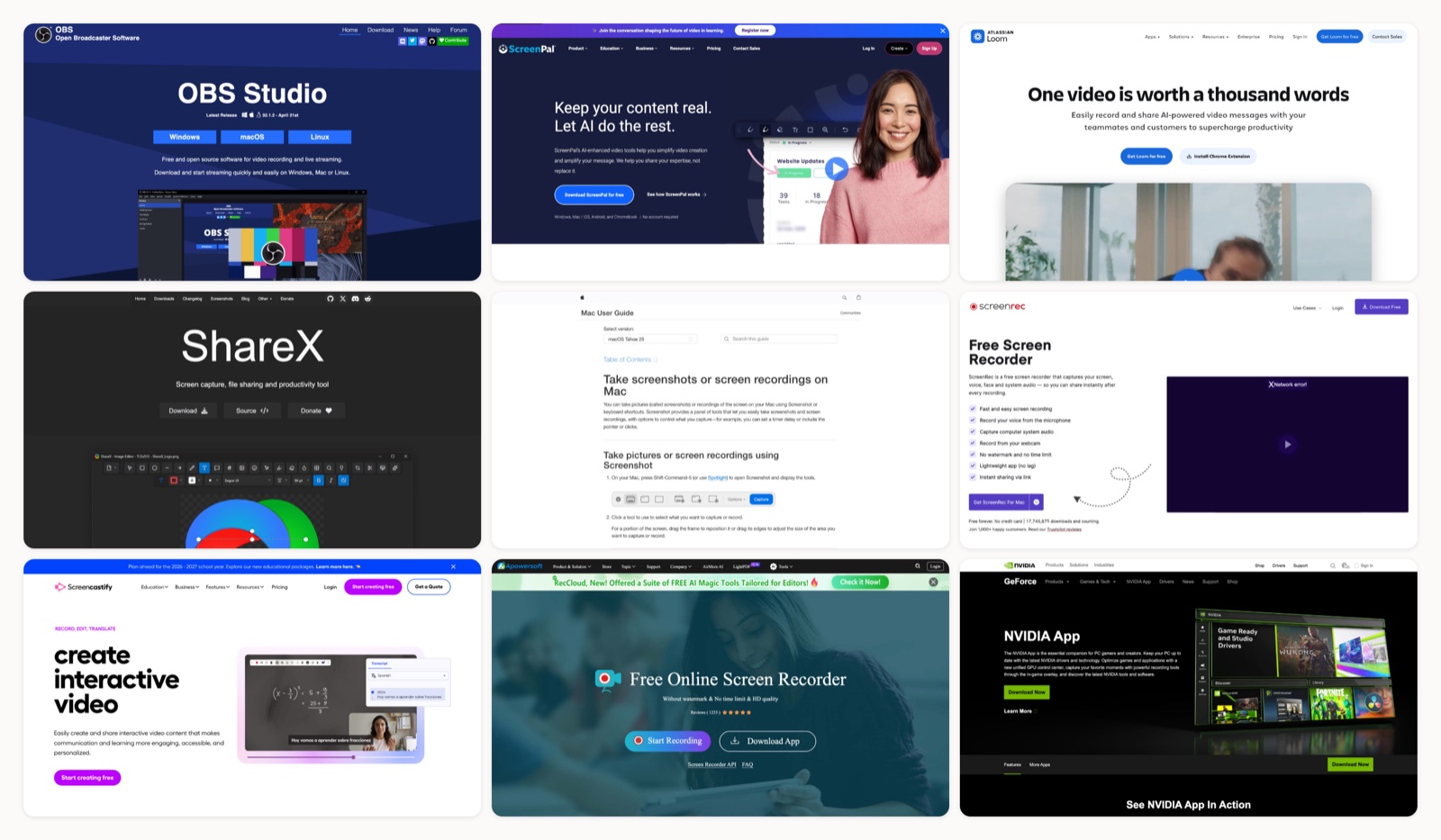
Every free screen recorder can capture a rectangle of your screen. The differences that actually cost you show up later: a watermark stamped across the corner, a five-minute wall you hit halfway through a demo, or a recording that has your voice but not the sound the app was making. I sorted these twelve by how they hold up once the recording matters, not by how the download page looks.
Two questions decide most of this. Do you need the file sitting on your machine to edit later, or a link you can paste into Slack the second you stop? And are you on Windows, a Mac, Linux, or just a browser tab on a locked-down work laptop? Answer those two and the list narrows fast. I have grouped it roughly from the most capable down to the most single-purpose.
One quick note before the list. If you already have a clip and just need it as a small looping GIF for a doc or a bug report, our free video-to-GIF tool does that in your browser with no upload and no account. For the recording itself, here are the twelve worth knowing.
1. OBS Studio
More on OBS Studio
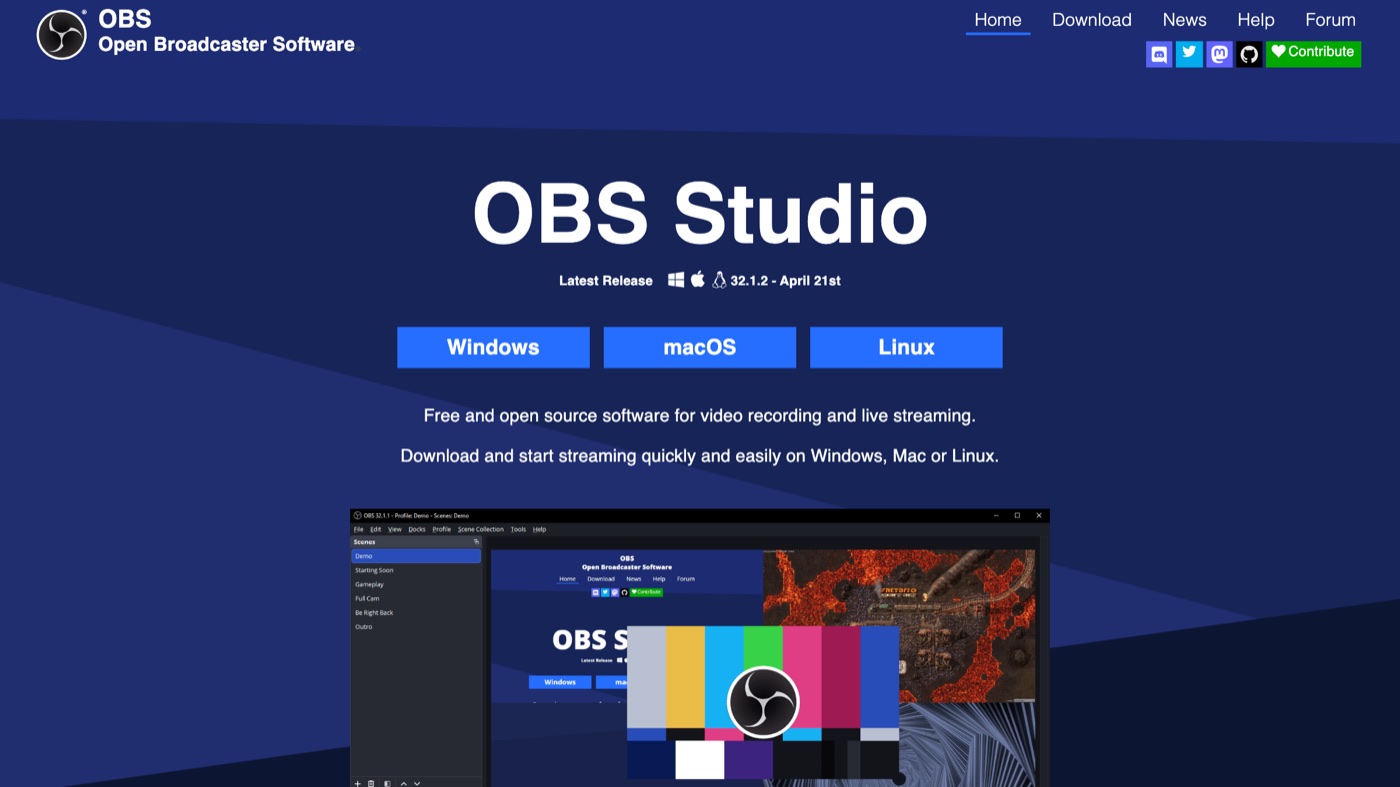
OBS Studio is the tool most serious recorders end up on, and there is no paid tier waiting to upsell you: no watermark, no time limit, no account. The scene-and-source model is its whole personality. You build named scenes ("intro", "screen plus cam", "full app"), populate each with layered sources, and cut between them while recording or streaming. It also does per-source audio with noise filters, which helps if your mic picks up a fan. The one cost is the learning curve; the encoder and bitrate settings are real, so beginners who just want a fast clip will find it heavy, but if you plan to edit afterwards its files are as clean as free gets.
2. ScreenPal
More on ScreenPal
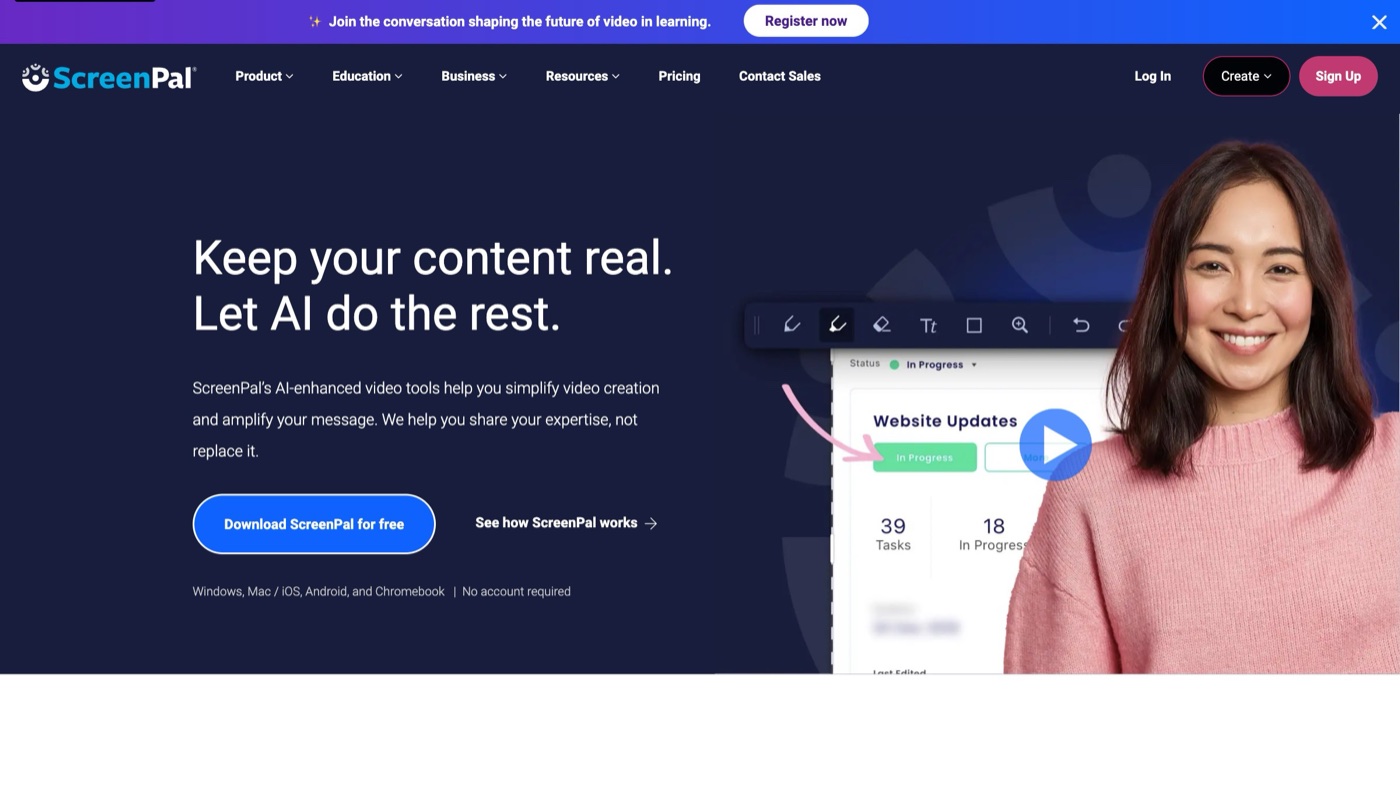
ScreenPal, which many people still call Screencast-O-Matic, has been a fixture in classrooms and support teams for years because it is approachable. You pick a region, choose your mic and camera, and record; when you stop, a small editor opens for trims, captions, and a music bed. The free tier caps recordings at fifteen minutes and, unlike a lot of "free" recorders, leaves no watermark, which is why it ranks so high here. It runs on Windows, Mac, Chromebook, iOS, and Android, so a teacher on a school device is covered. The limits to price in: system audio and the richer editor are paid, and there is no Linux version.
3. Loom
More on Loom
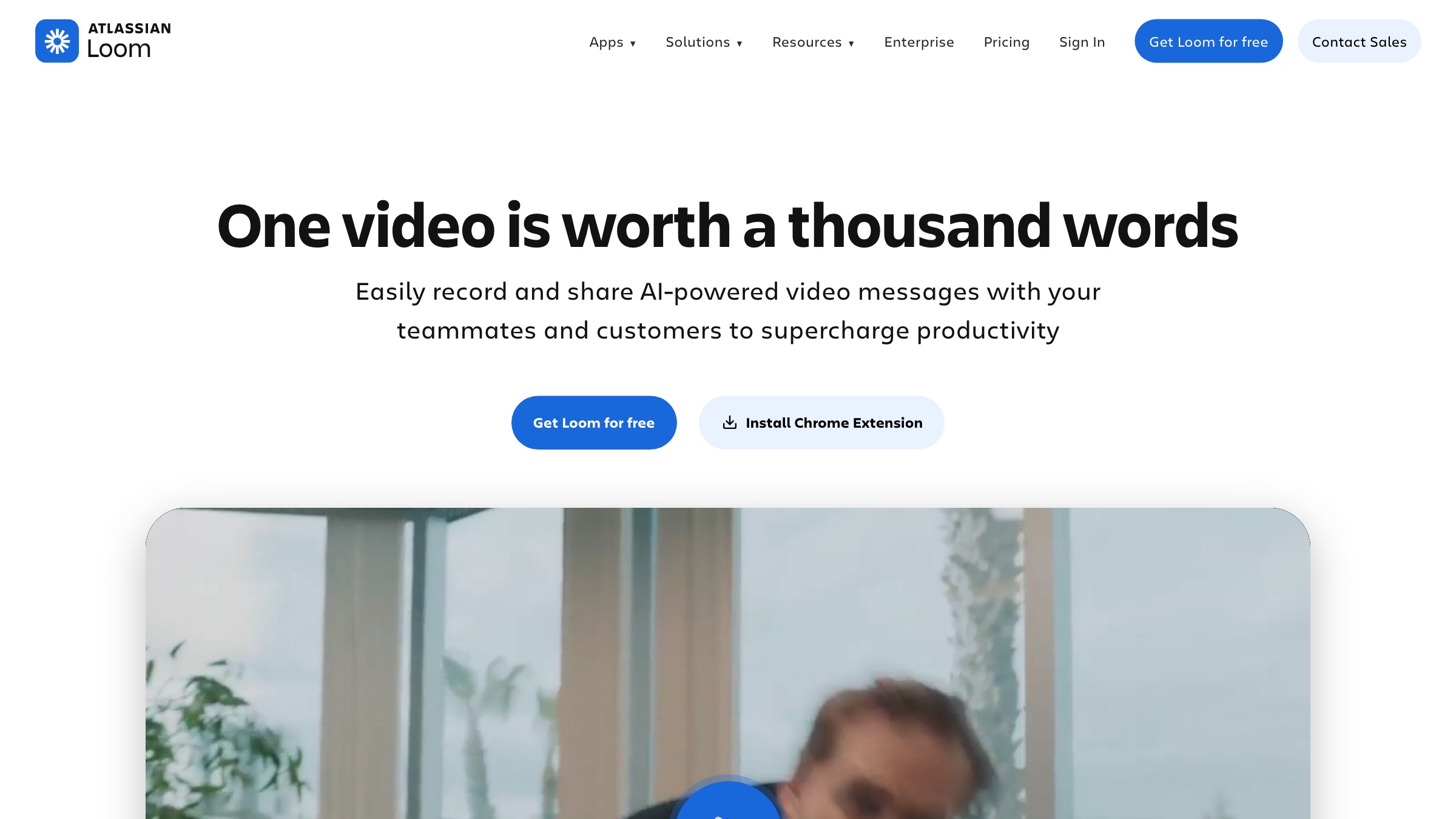
Loom built its name on speed of sharing, and that is still the reason to use it. It runs as a desktop app and a Chrome extension, records screen plus a camera bubble, and uploads to the cloud as you talk, so the shareable link exists before you have decided where to send it. Viewers react with emoji and leave comments pinned to a moment in the timeline, which turns a recording into a short back-and-forth instead of a one-way file. The free plan has tightened over the years and now caps you at 25 videos of five minutes each, so it fits standups, feedback, and "here is the bug" clips more than long training. Since the Atlassian acquisition it sits inside a larger enterprise suite, a plus if you live in Jira and a consideration if you are careful about where recordings are stored.
4. ShareX
More on ShareX
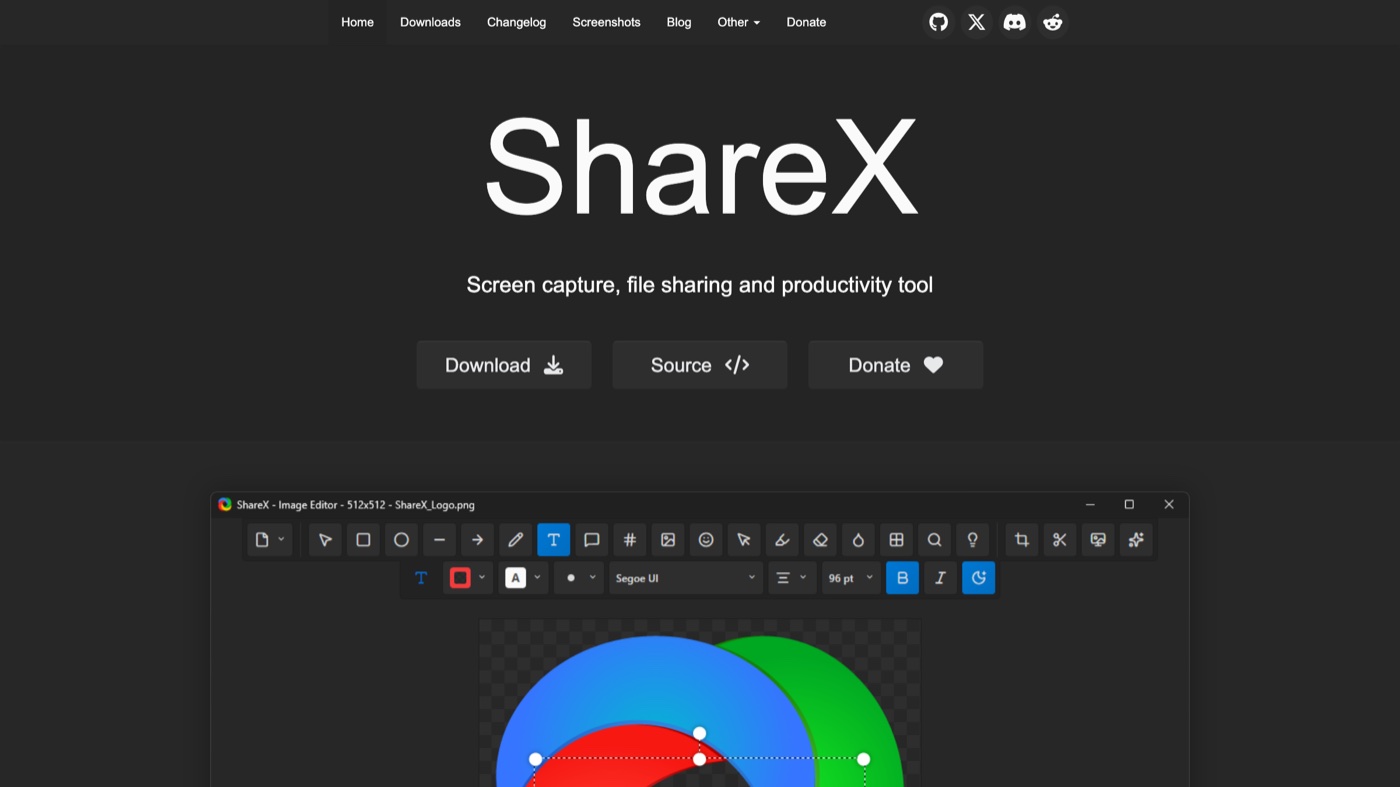
ShareX has been around for well over a decade and is beloved by developers and support staff for one reason: it automates the boring part. Beyond screen and window recording to MP4 or animated GIF, its real strength is the after-capture pipeline, where you chain steps like annotate, watermark, save, upload to Imgur or Google Drive or an S3 bucket, and copy the URL, all from one shortcut. The built-in editor handles arrows, blur for sensitive data, and text before anything leaves your machine. The trade-offs are simple: it is Windows only, and the sheer number of options can overwhelm a first-time user who wanted a two-button tool. If your day involves posting screen captures dozens of times, nothing free matches its efficiency.
5. Xbox Game Bar
More on Xbox Game Bar
Xbox Game Bar is Microsoft's built-in overlay for Windows 10 and 11, reached with Win plus G. Despite the gaming branding, it is a fine tool for capturing any single application: press Win plus Alt plus R and it records without even opening the overlay. Its neatest trick is background recording, which continuously buffers the last several seconds or minutes so you can save something you did not plan to capture. What it will not do is record the desktop or File Explorer, compose multiple sources, or edit beyond the basics; it targets one window at a time. For a fast clip of an app you are already using, it is the shortest path on Windows, and it costs nothing because it ships with the OS.
6. Apple Screen Recording (macOS)
More on Apple Screen Recording (macOS)
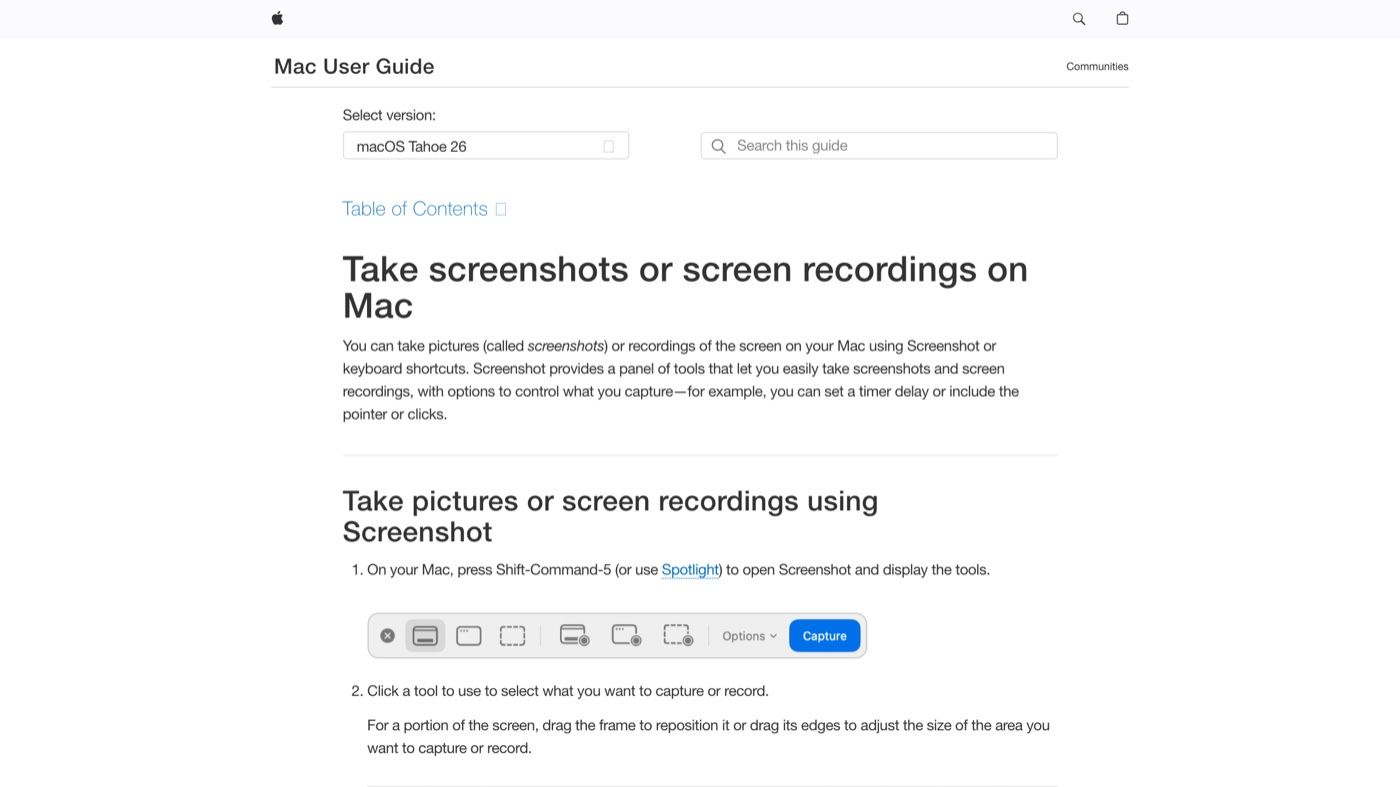
Every modern Mac can record its screen without a single download, through the Screenshot toolbar (Shift plus Command plus 5) or QuickTime Player. The toolbar gives you full-screen or region recording, microphone selection, a countdown timer, and an option to show mouse clicks for clearer tutorials, then saves a lightweight MOV you can trim on the spot in QuickTime. It is stable and instant, which is exactly what you want for a bug report or a quick walkthrough. The well-known gap is system audio: Apple's recorder captures your mic but not the sound the apps produce, so demoing something with audio means adding a utility like BlackHole. There is no annotation, webcam overlay, or scene composition, but for straightforward capture on macOS it simply works.
7. ScreenRec
More on ScreenRec
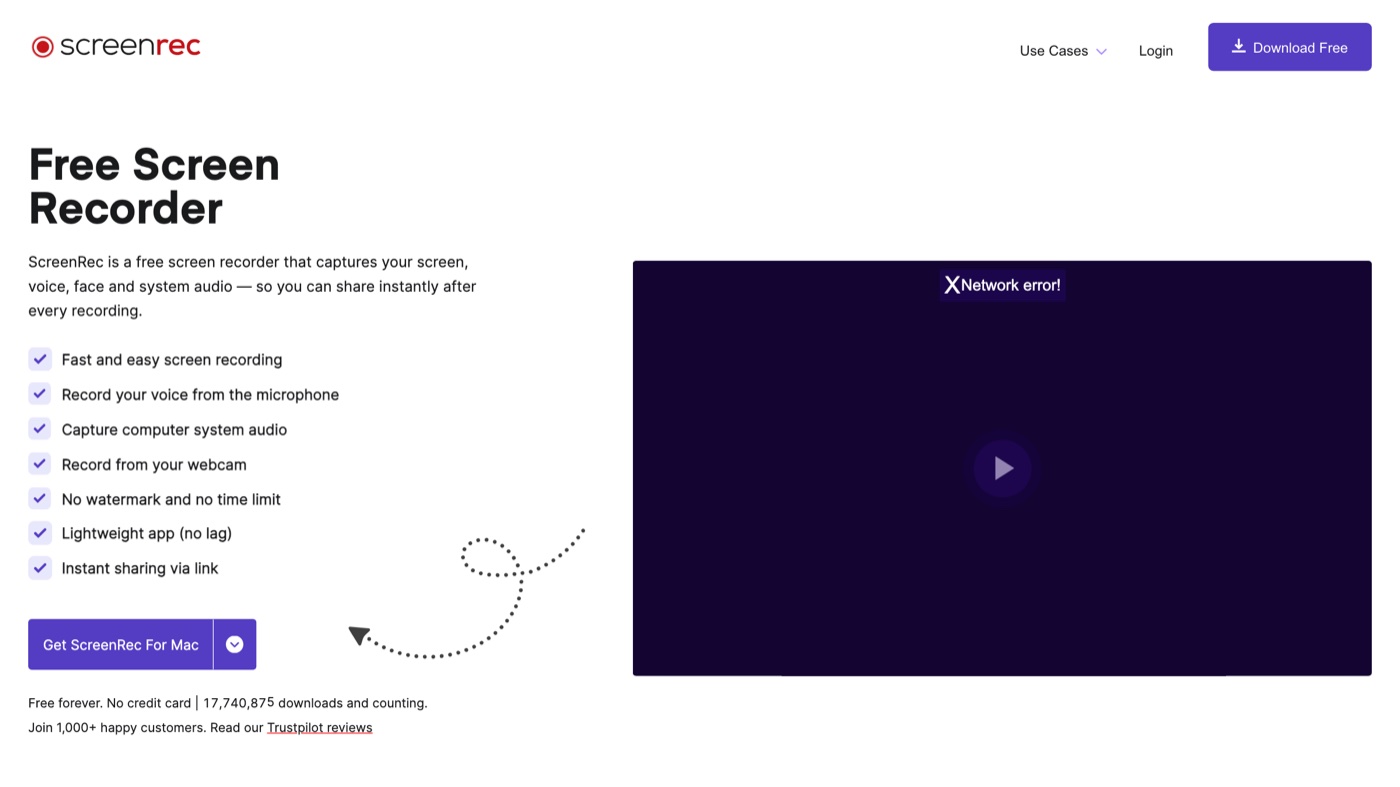
ScreenRec aims squarely at people who record something and need it in someone else's hands seconds later. A hotkey starts capture; stopping it uploads to encrypted cloud storage and copies a private, shareable link, which is ideal for support tickets, design feedback, and short how-tos. Signing up for the free account is worth it: it lifts the five-minute limit that applies to anonymous use and gives you 2GB of permanent storage, with recording up to 4K and no watermark anywhere. It runs on Windows, Mac, and Linux and stays light on system resources. The one gap is editing, of which there is essentially none, so ScreenRec is a capture-and-share tool and anything needing trims or titles goes to a separate editor first.
8. Screencastify
More on Screencastify
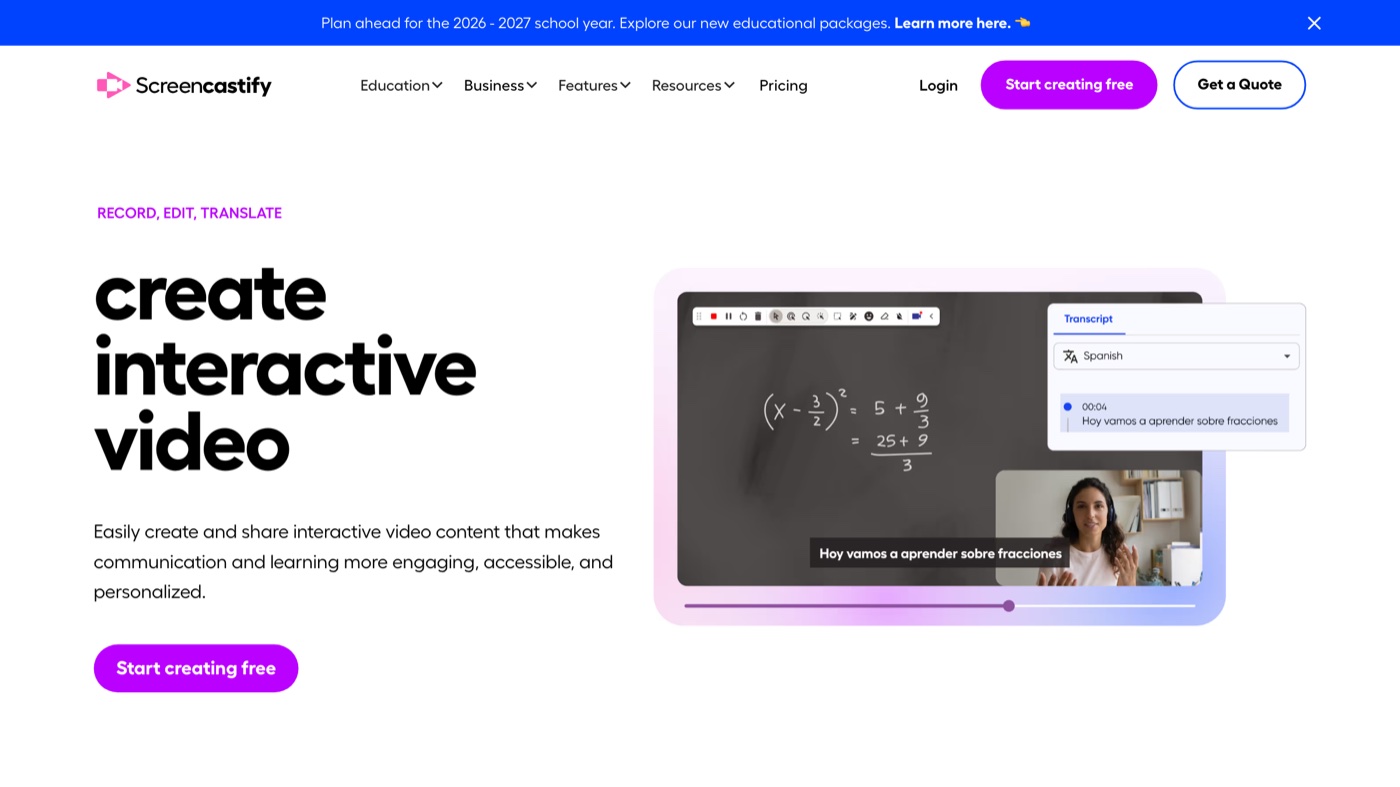
Screencastify earned its place in schools by being almost impossible to get wrong. It installs as a browser extension for Chrome and Edge, records a tab, the full screen, or just the webcam, and pipes recordings straight into Google Drive with an instant shareable link. For anyone standardized on Google Workspace, or teaching on Chromebooks where installing software is not an option, that tight integration is the selling point, and the free tier includes light annotation and in-browser trimming. The constraint is volume: the free plan caps you at 10 videos total, each up to 30 minutes, which frequent recorders exhaust fast, and paid plans start at $7 per user each month on annual billing. As a browser tool it is deliberately simple, so do not expect scene layering or advanced audio.
9. Apowersoft Free Online Screen Recorder
More on Apowersoft Free Online Screen Recorder
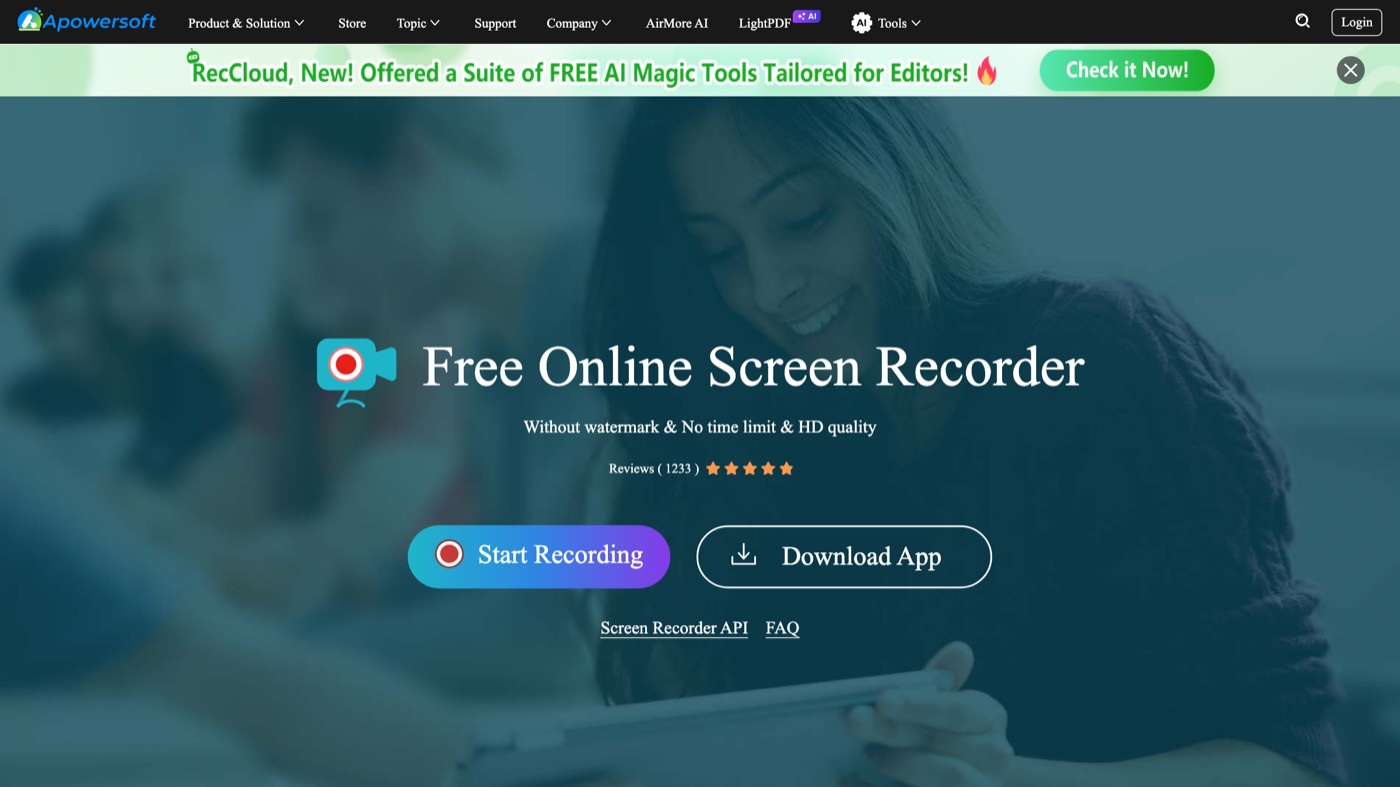
Apowersoft's Free Online Screen Recorder solves a specific problem: recording when you cannot install a desktop app. It runs from the browser after a one-time small launcher download, then captures the screen, a picture-in-picture webcam, and audio from both your microphone and the system, with simple draw-and-highlight annotation available mid-recording. That makes it handy for a quick capture on a shared or restricted machine, or a one-time task where a full install is overkill. The trade-offs are real for longer or more serious work: the browser-based approach can get unstable during extended sessions, macOS system-audio capture through the online tool is hit or miss, and there are watermark and 2GB cloud-storage considerations. For instant, install-free grabs it is convenient; for anything sustained, a desktop recorder is steadier.
10. NVIDIA ShadowPlay
More on NVIDIA ShadowPlay
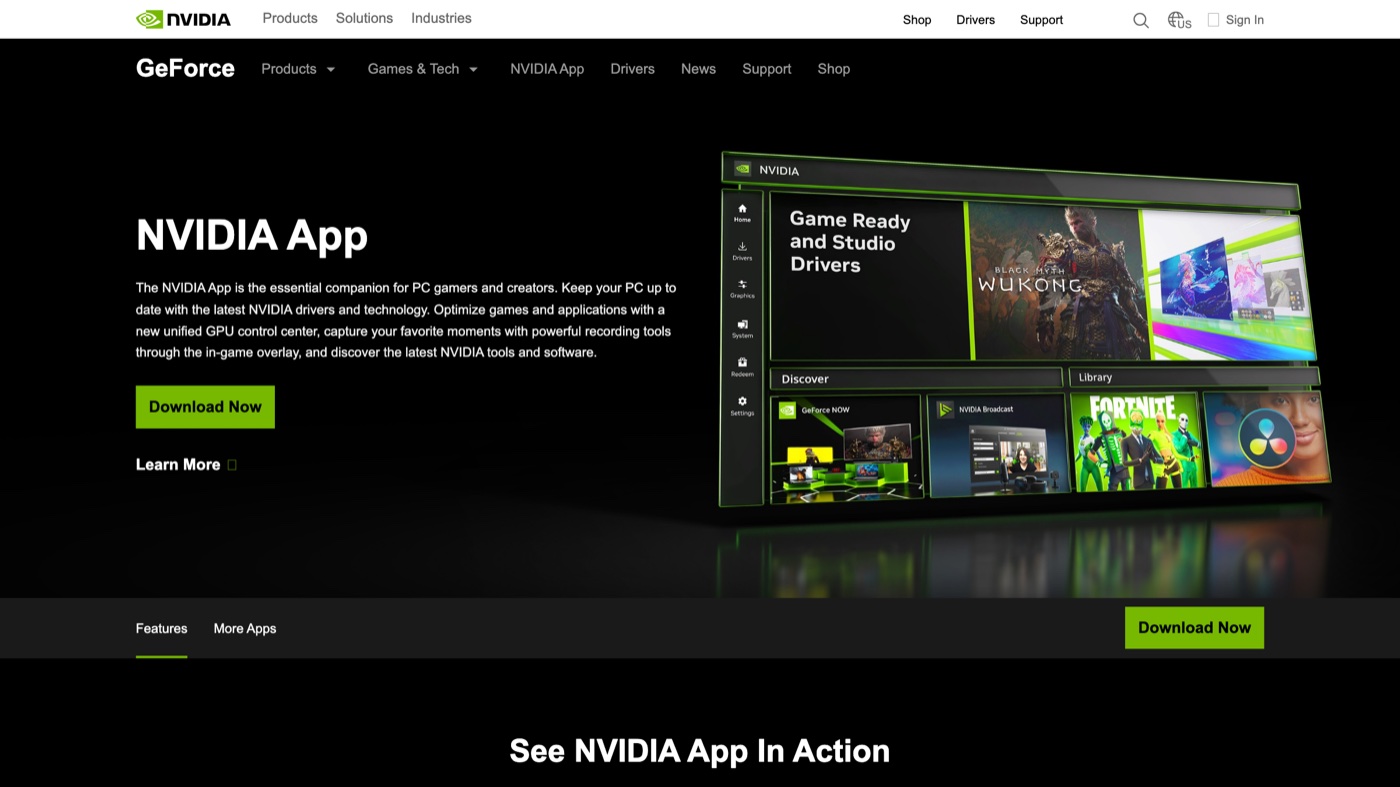
ShadowPlay lives inside the NVIDIA app (the successor to GeForce Experience) and is the go-to for anyone capturing gameplay on an NVIDIA rig. Because it records using the card's dedicated NVENC encoder, the performance cost is minimal even at very high resolutions and bitrates, up to 8K HDR on capable hardware. Its signature feature is Instant Replay, a DVR-style rolling buffer that lets you save the last several minutes after something worth keeping already happened. It is controlled through a clean in-game overlay, so you never alt-tab out. The boundaries are clear: you need a compatible NVIDIA GPU and Windows, and it is tuned for games rather than general desktop or app recording, so it is a specialist rather than an all-rounder.
11. Kap
More on Kap
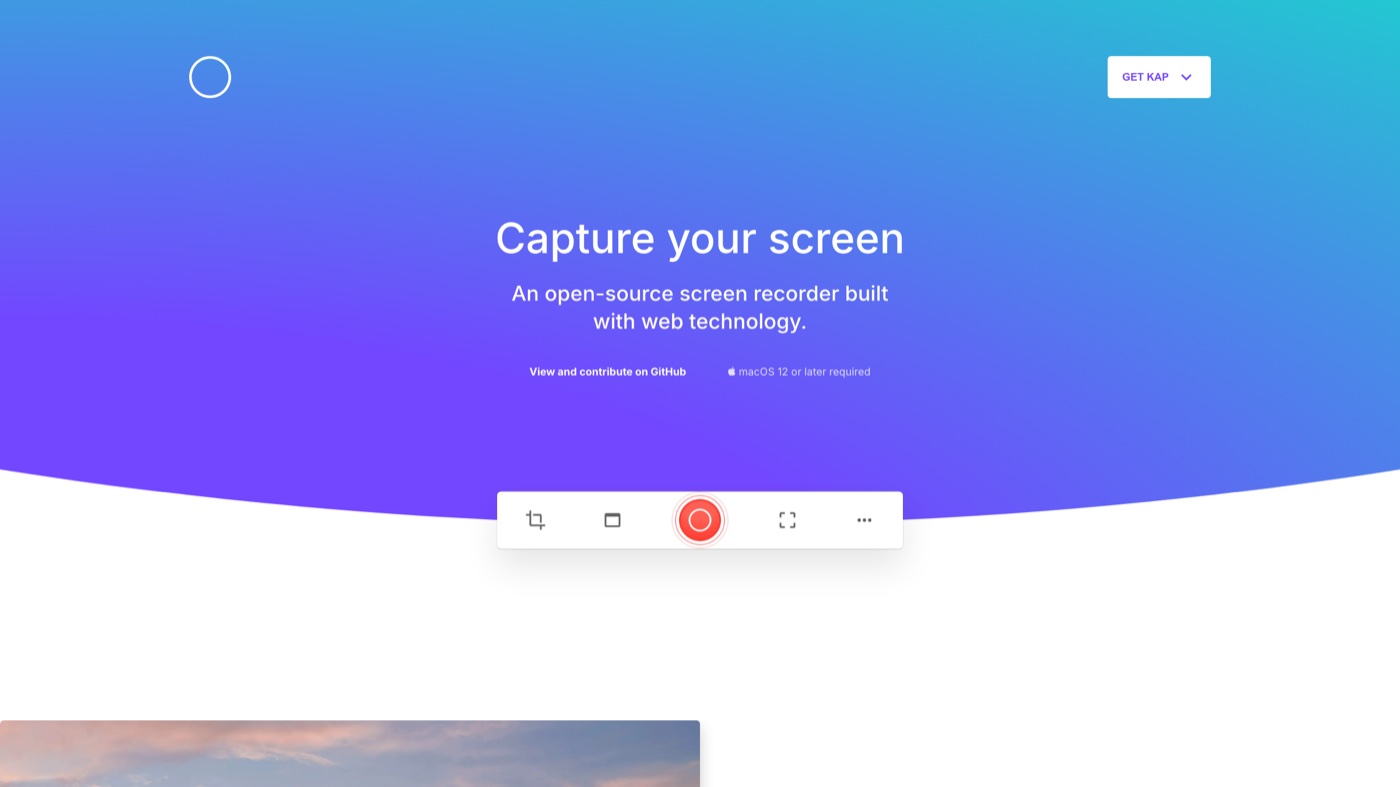
Kap is a small, open-source macOS recorder built for the web era, sitting in your menu bar a click away. Its focus is export: GIF, MP4, WebM, and APNG, each with frame-rate and quality controls, which makes it a favorite of designers recording UI interactions and developers filing bug reports with a looping clip attached. The whole flow, from capture to trimmed export, is meant to take seconds, and a plugin system lets you add destinations like Dropbox or extra export options. It runs on macOS 12 and later and asks nothing of you in setup. What it deliberately skips is the heavy stuff (no audio mixing, no scene layering, no long-form production), so treat it as the tool for short, polished clips rather than a full recording suite.
12. SimpleScreenRecorder
More on SimpleScreenRecorder
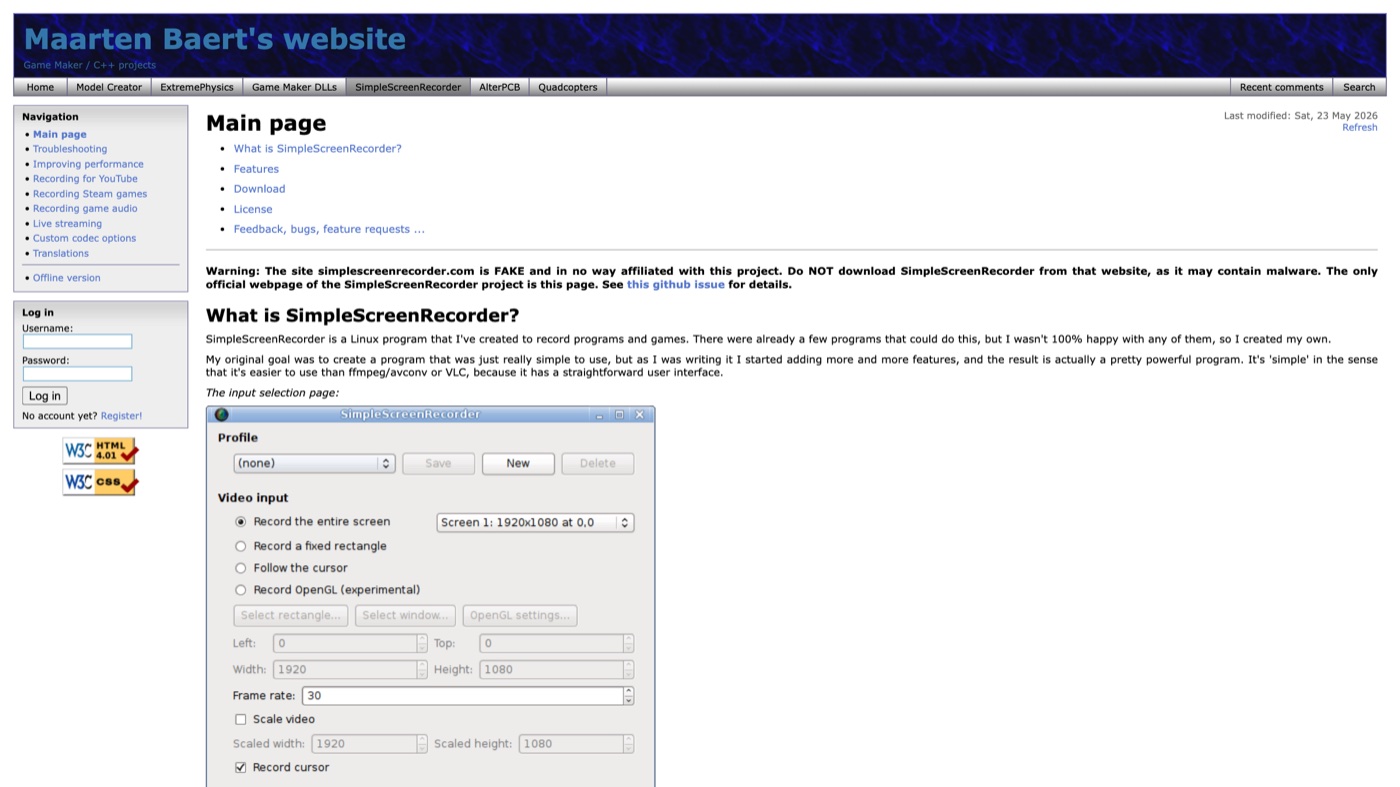
SimpleScreenRecorder has been the reliable default on Linux for years, and it is still actively maintained (the site was updated in 2026). Despite the name, it is capable: a guided setup walks you through input, output, and codec choices, and a multithreaded architecture keeps it from dropping frames on modest hardware, which many heavier recorders struggle with. It can record the whole desktop or hook OpenGL applications directly for low-overhead capture of native games, and it is careful about keeping audio and video in sync, a common failure point elsewhere. It installs from the standard repositories of most major distributions. The scope is deliberately narrow (no editor, no annotation, Linux only); it produces a clean file and hands off to whatever you edit with.
| # | Tool | Best for | Pricing | Limitation |
|---|---|---|---|---|
| 1 | OBS Studio | Full control of a multi-source recording with no watermark and no time limit, on any OS | Free and open source, with no paid tier | The interface is heavier than a one-click recorder; expect a learning curve on scenes and encoder settings. |
| 2 | ScreenPal | Record and lightly edit in one place across Windows, Mac, Chromebook, and phones, with no watermark | Free for 15-minute recordings with no watermark; paid tiers add the full editor and system audio | System audio and the deeper editor are paid, and there is no Linux build. |
| 3 | Loom | Teams that would rather send a short video than write a long message and want an instant shareable link | Free for 25 videos with a 5-minute cap; Business plan $18 per user each month | The free plan is tight now (25 videos, five minutes each), and Loom is owned by Atlassian. |
| 4 | ShareX | Windows power users who want capture, recording, GIF export, annotation, and automated uploads in one workflow | Free and open source, with no ads and no account | Windows only, and the dense settings can overwhelm anyone who just wants a plain record button. |
| 5 | Xbox Game Bar | Windows 10 and 11 users who want to record an app window or gameplay right now with no install | Free, built into Windows | Records one app window at a time (not the desktop or File Explorer) and has almost no editing. |
| 6 | Apple Screen Recording (macOS) | Mac users who want a reliable, no-install recording from the built-in Screenshot toolbar or QuickTime | Free, built into macOS | Capturing system audio needs a helper tool; the built-in recorder only grabs the microphone, and there is no annotation. |
| 7 | ScreenRec | Support and product teams that want to record and hand over a private link the moment they stop | Free with a free account (no time limit, 2GB encrypted cloud storage) | Anonymous use is capped at five-minute clips, and there is no built-in editor. |
| 8 | Screencastify | Educators and Google Workspace teams who want a browser-based recorder with a near-zero learning curve | Free for 10 videos up to 30 minutes; Starter from $7 per user each month billed annually | The free plan holds only 10 videos total, and being browser-based it skips multi-source depth. |
| 9 | Apowersoft Free Online Screen Recorder | One-off recordings on a machine where you cannot, or would rather not, install software | Free, browser-based with a small launcher and 2GB of cloud storage | The browser-plus-launcher setup can wobble on long sessions, and macOS system-audio capture is unreliable. |
| 10 | NVIDIA ShadowPlay | PC gamers with an NVIDIA graphics card who want high-quality capture with almost no performance hit | Free with a compatible NVIDIA GPU (part of the NVIDIA app) | Needs a supported NVIDIA card and Windows, and it is built for games, not desktop or productivity recording. |
| 11 | Kap | Mac users, especially designers and developers, who want quick, clean GIFs and web-ready clips | Free and open source (macOS 12 and later) | macOS only and intentionally minimal, with no audio mixing or multi-source composition. |
| 12 | SimpleScreenRecorder | Linux users who want a dependable, lightweight recorder for tutorials, demos, or native games | Free and open source (Linux only) | Linux only, with no built-in editor or annotation. |
Which free screen recorder should you use?
Match the tool to the moment. On Windows, Xbox Game Bar for a fast grab, ShareX or OBS Studio when you want control. On a Mac, the built-in Shift plus Command plus 5, with Kap when you need a GIF. For sending a quick update to your team, Loom or ScreenRec. On Linux, SimpleScreenRecorder. For gameplay, ShadowPlay. ScreenPal is the strongest free all-rounder if you also want light editing in the same window.
A recording is where a lot of good content starts, and most of these clips are meant to stay rough: a bug report, a standup update, a walkthrough for one colleague. That is fine, and free tools cover it well. The line to watch is when a recording is supposed to become something finished, a product launch video, an onboarding series, a demo that goes to prospects (the kind of thing our guide to product demos gets into). That is editing, motion, sound, and pacing, and it is a real craft. If you have that kind of work and no one in-house to own it, a dedicated creative team like Moonb can turn raw captures into something ready to ship. For everything short of that, pick from the twelve above and start recording.
See it in action
Frequently asked questions
OBS Studio is the strongest, since it is free and open source with no watermark, no length cap, and versions for Windows, macOS, and Linux. On Windows you also get Xbox Game Bar built in, and ScreenRec removes the time limit once you make a free account. If you want light editing in the same tool, ScreenPal records up to fifteen minutes with no watermark on its free tier.
Capturing system audio (the sound the app produces, not just your mic) varies by tool. OBS Studio and ShareX handle it on Windows out of the box. On a Mac, the built-in recorder captures only the microphone, so you need a free helper like BlackHole to route the system sound. Apowersoft and ScreenRec can capture system audio as well, though results on macOS can be inconsistent.
Loom and ScreenRec are built for it: you record, stop, and a shareable link is ready with no editing step in between. Loom's free plan allows 25 videos of up to five minutes, and ScreenRec removes the time limit with a free account and adds 2GB of cloud storage. For a browser-only option that saves to Google Drive, Screencastify is the easy pick.