12 Best Stock Video Sites for 2026 (Free and Paid)
The stock video sites I use for real client work, sorted into free and paid, with pricing, licensing notes, and what each one is best for in 2026.

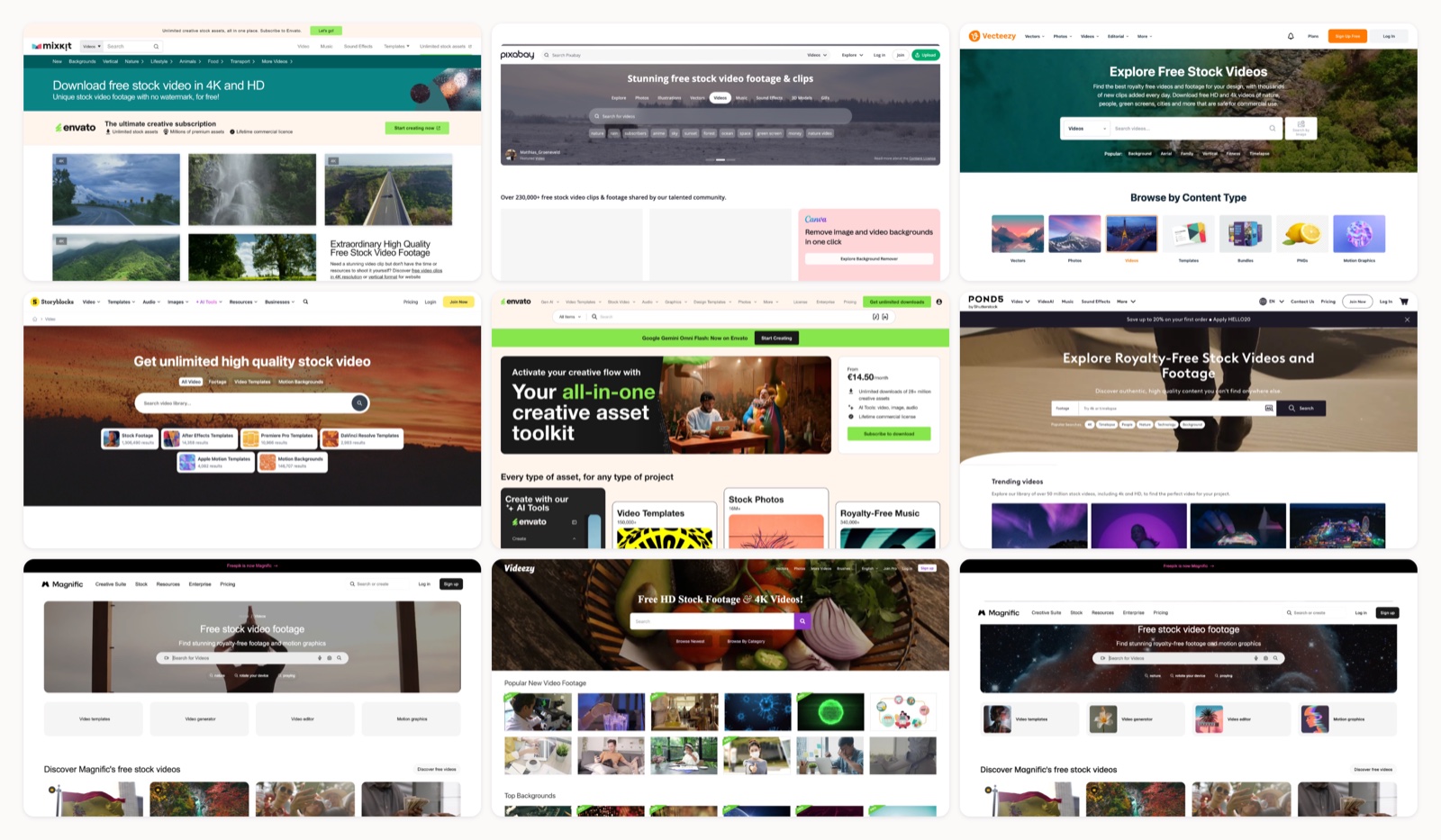
I pull stock footage for client projects most weeks, and the question I get more than any other is where the good clips come from without a licensing mess six months later. So here is the working list I actually use, split into two groups: sites where the video is free to use, and paid libraries where you get a wider, cleaner catalog and calmer rights. Both belong in a real workflow. Which one I open depends on what I am making and how many eyes will land on it.
A free clip is perfect for a website hero loop or a bit of b-roll behind a voiceover. For a paid ad that runs at scale, I want a library with proper model and property releases, so a face or a logo in the background cannot come back to bite the client. Every entry below tells you what the site is best for, what it costs, why I reach for it, and the thing people miss before they hit download.
Footage is only half the job. You still need music you can clear, which gets its own list in our roundup of non-copyright music sites, and once the clips are down, the edit decides whether they read as yours or as stock.
1. Pexels
More on Pexels
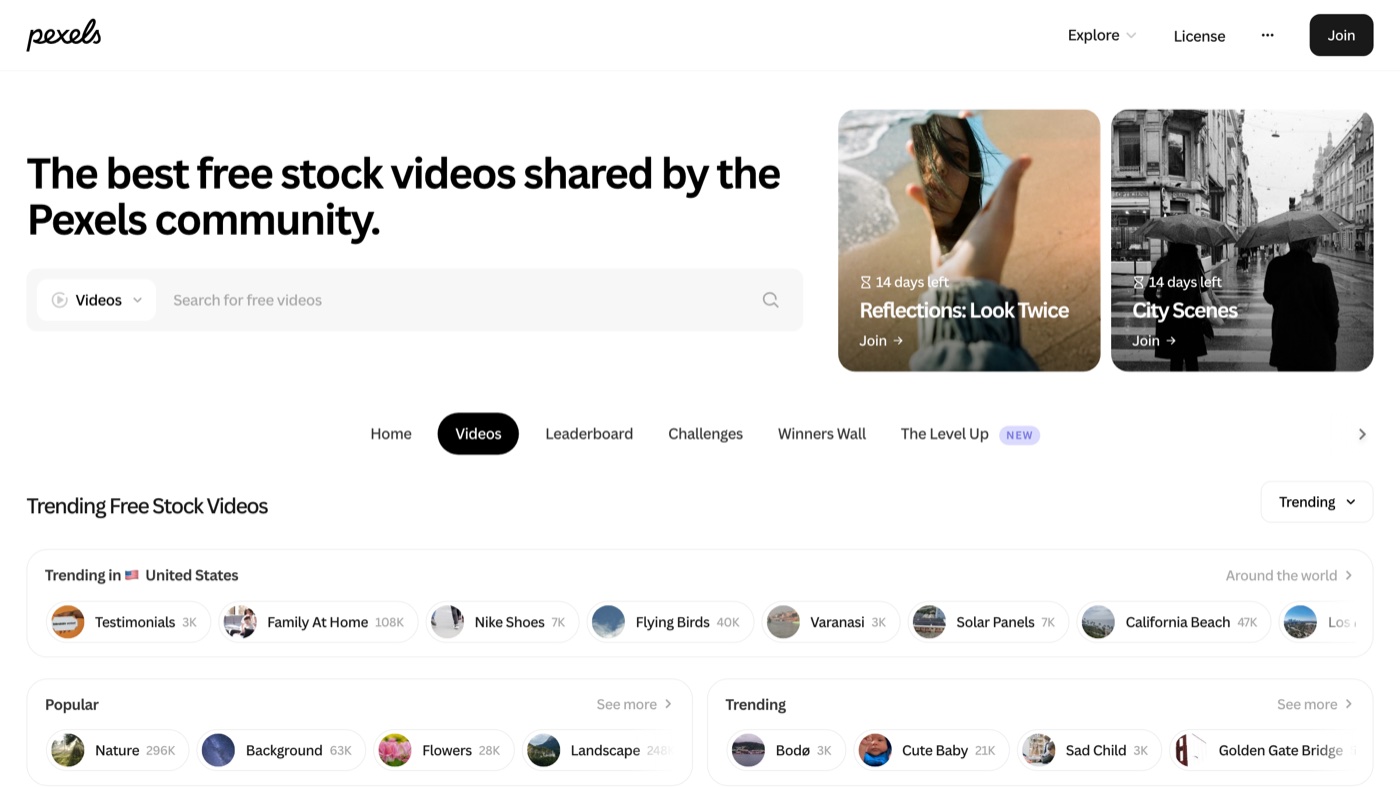
Pexels is the first place I open for free video, mostly because the quality bar has climbed while the license stayed refreshingly simple: use it commercially, no credit line, no download cap. The library leans toward lifestyle, nature, and city scenes that pass as real b-roll rather than obvious stock, and the vertical collection is deep enough to cut a full Reel from. You can download in HD or 4K straight away without an account, which matters when you are sourcing under deadline. The one real limit is exposure: because everyone uses it, the hero clips circulate widely, so I treat Pexels as a base layer and mix in something rarer for anything that needs to feel owned.
2. Mixkit
More on Mixkit
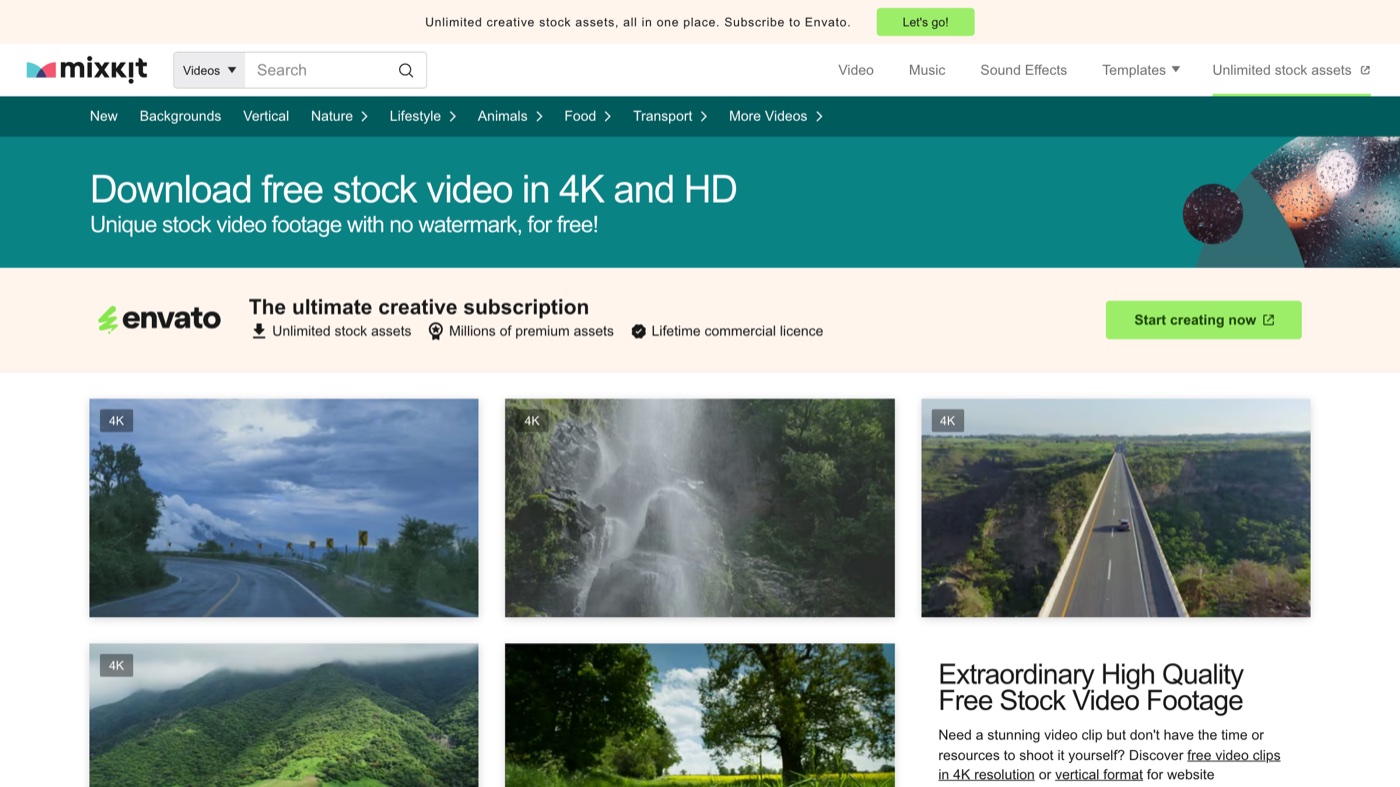
Mixkit is the free site I send people to when they care about polish over sheer count. Envato curates it, so the hit rate is high: I rarely scroll past ten clips of filler to find one keeper the way I do elsewhere. What makes it useful for a small team is that the same site hands you free music tracks, sound effects, and project templates for the main editors, so you can assemble a decent piece without leaving. The trade is size: the catalog is a fraction of Pexels or Pixabay, so if you need forty variations of one subject you will run dry fast. I use it for a strong opening shot and a clean track, then fill the gaps elsewhere.
3. Coverr
More on Coverr
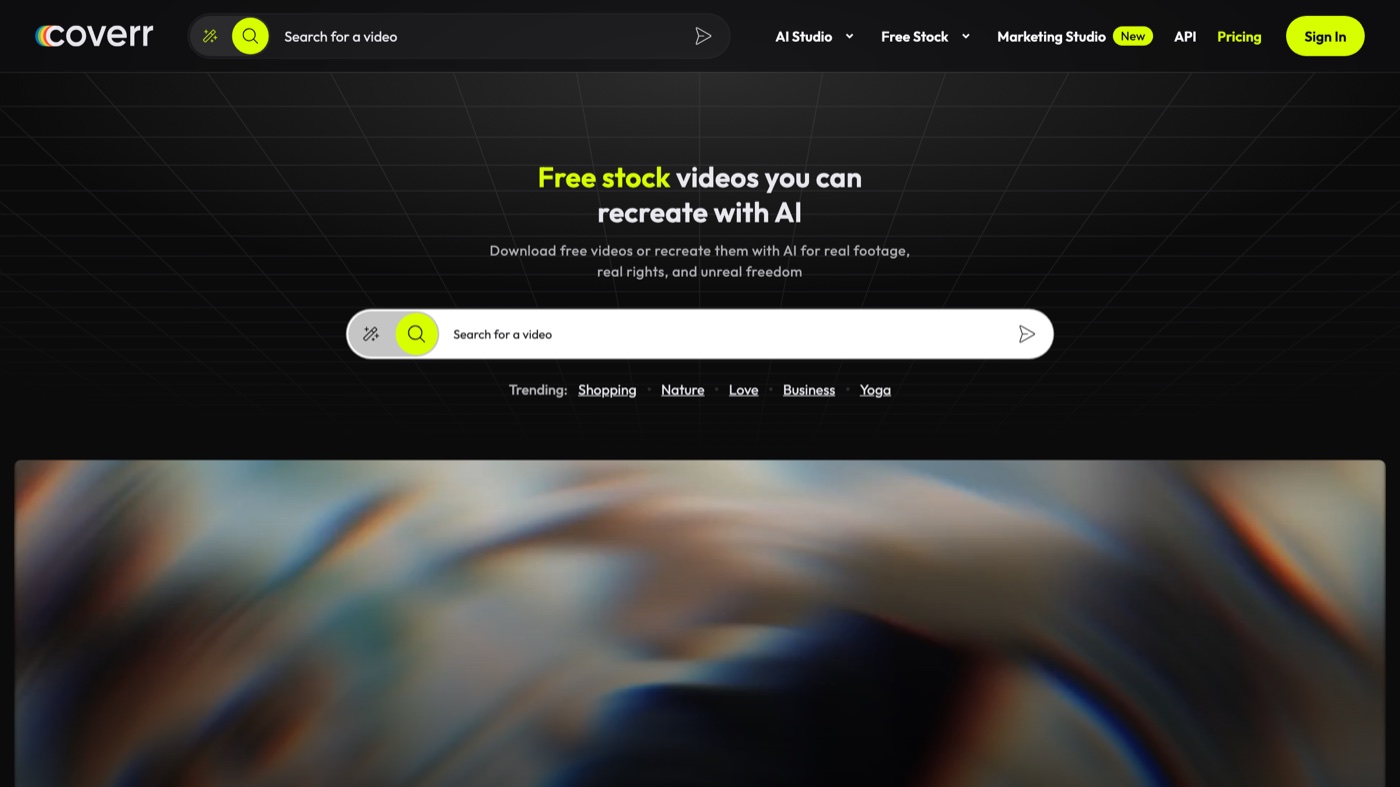
Coverr solved one specific problem well: video for the top of a web page. The clips are chosen to sit behind text, so they are calm, they loop without a visible seam, and they stay light enough not to wreck your load time. I like that it hands you HTML, CSS, and JavaScript snippets to drop a clip in as a background, which turns a design idea into a working hero in minutes. It also keeps a solid set of vertical clips for stories and a virtual-backgrounds collection for calls. The limit is focus: the catalog is smaller and the search lacks the color and detail filters the bigger sites have, so I go there for a mood, not for a specific subject on demand.
4. Pixabay
More on Pixabay
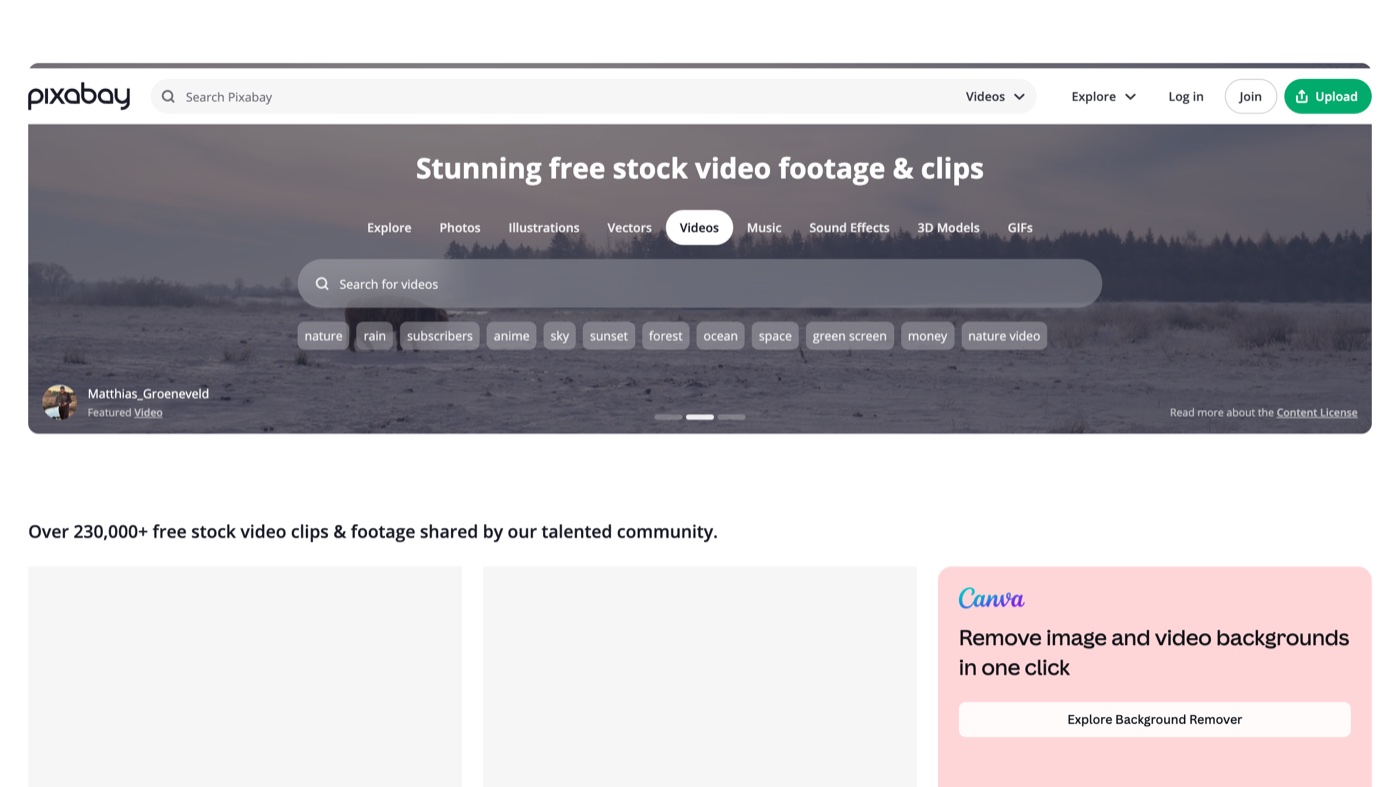
Pixabay is the volume play. With a catalog in the millions and a license that asks nothing of you, it is a reliable safety net for everyday subjects like traffic, offices, weather, and abstract loops. I reach for it when I need a specific ordinary shot fast and do not care whether it is a showpiece. The cost of that scale is consistency: a lot of the library is user-uploaded and it looks it, so I vet clips harder here than anywhere else. I am also careful about provenance on Pixabay after being burned once by a 'free' music track that later drew a content claim, so for anything that ships publicly I confirm the asset is actually clear before I use it. For video the risk is lower than music, but the habit is worth keeping.
5. Vecteezy
More on Vecteezy
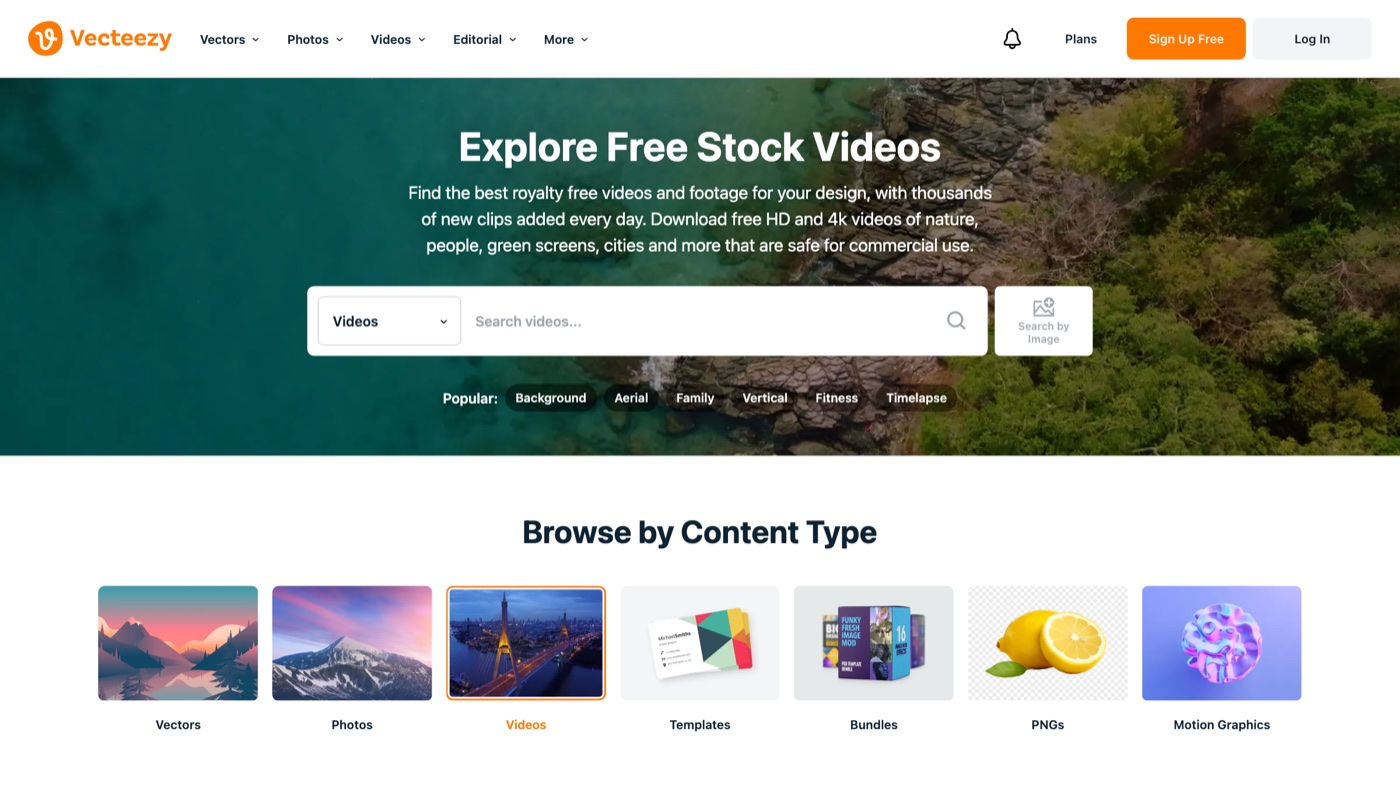
Vecteezy (run by Eezy, which also absorbed the old Videezy footage) is the site I point people to when they know they will outgrow free but are not ready to commit yet. The free tier is broad and covers aerials, motion graphics, and everyday b-roll, with the one condition that you credit the creator. When a project needs 4K or you would rather skip the attribution line, Pro is a modest step up inside the same library, so nothing about your workflow changes. The friction is the mixed results: free and Pro clips share the same search, so you learn to read the badges before you fall for a shot you would have to pay for. For a growing team that wants one home for footage, it is a sensible middle path.
6. Adobe Stock
More on Adobe Stock
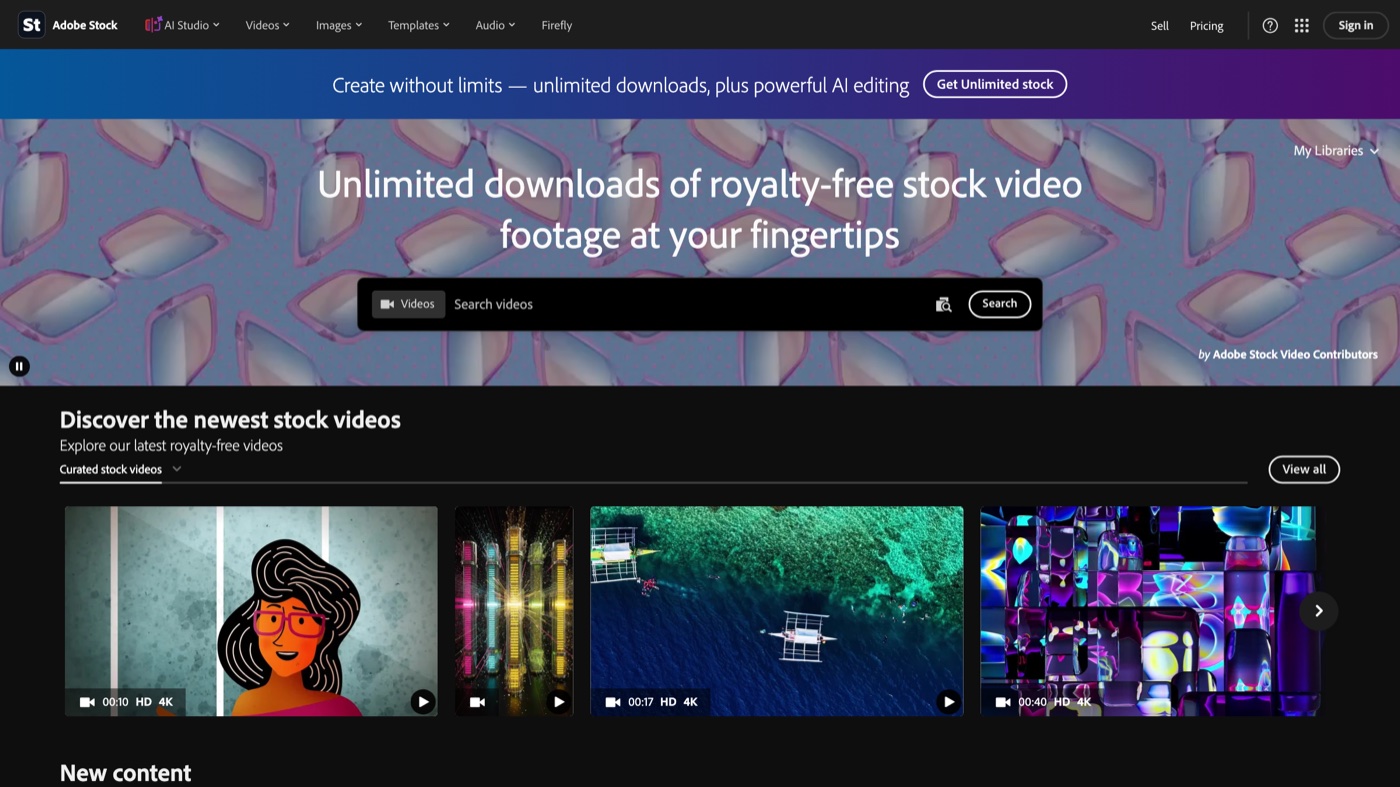
If your edit already lives in Adobe apps, Adobe Stock is the path of least resistance. You can search, watermark-preview, and license a clip from inside Premiere or After Effects, so a rough cut with placeholder footage becomes a licensed final without ever exporting and re-importing. The catalog is large and, more importantly, the model and property releases are in order, which is what I actually pay for on client work. The pricing needs a second look: the plan gives you a set number of credits, and a single video license can spend several of them, so the effective per-clip cost climbs quickly if motion is the bulk of your work. I keep an Adobe allowance for the shots that have to be release-clean and source everyday filler elsewhere for less.
7. Storyblocks
More on Storyblocks
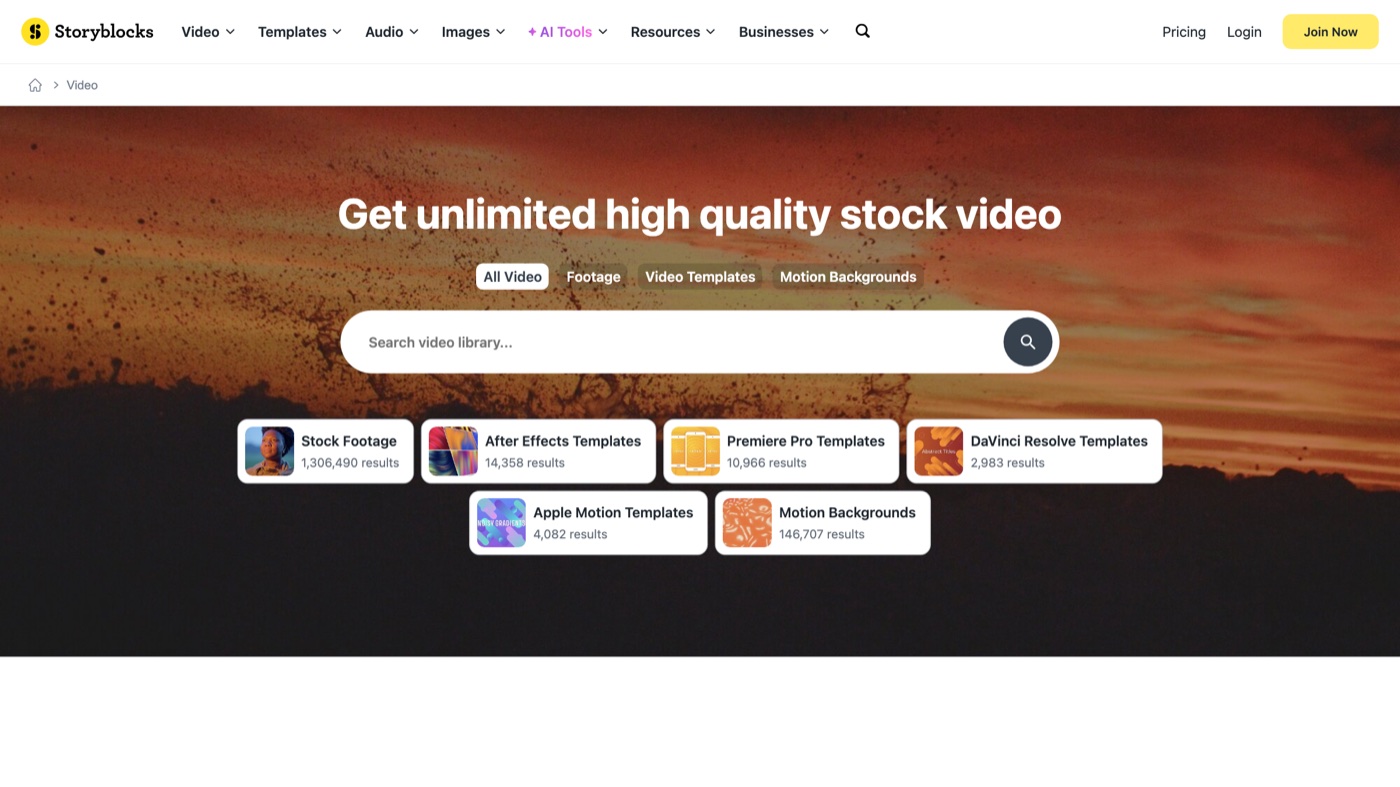
Storyblocks runs on a download-all model: pay for the year and pull as much video as your projects need without watching a credit meter. For a team that ships weekly, that removes the little hesitation before every download and makes b-roll-heavy work far calmer to price. The library spans stock video, motion backgrounds, and templates, so it doubles as a general asset shelf. Quality is the real limit here, uneven rather than bad, so you sift, and the truly cinematic hero shots usually sit on the curated houses like Artgrid. I treat Storyblocks as my everyday workhorse and save the premium sites for the one shot the whole piece hangs on.
8. Artgrid
More on Artgrid
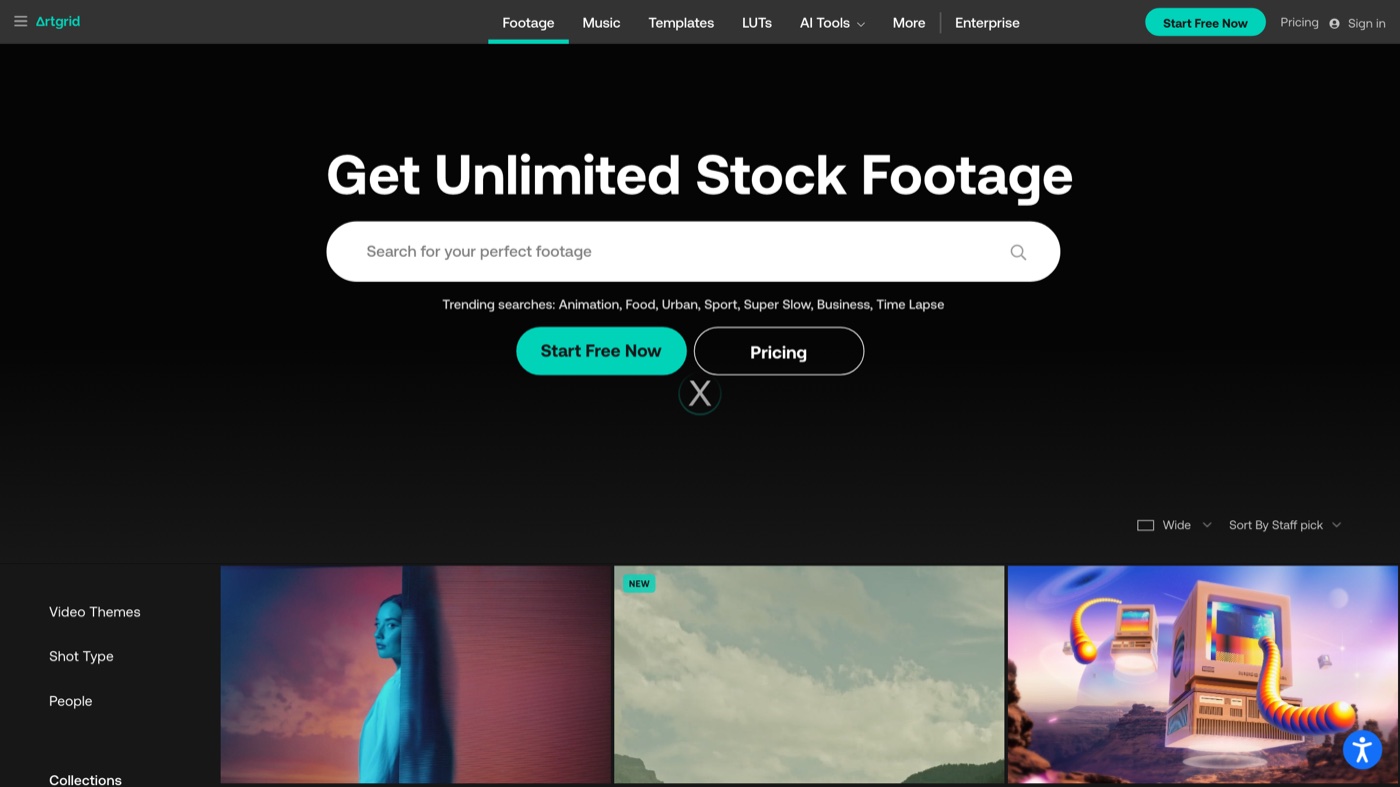
Artgrid, from the Artlist family, is where I go when a clip has to look directed rather than sourced. The footage is captured by real filmmakers, frequently as full story collections from a single production, so you can cut a coherent scene from clips that actually match in grade and lens. The license is one of the reasons I trust it on client work: it is broad, covers commercial use, and does not trip you up on paid ads the way some looser free sites can. The value only makes sense if you use it, since it is a yearly membership, so occasional users are better served by a per-clip marketplace. For anyone producing brand video regularly, the quality-to-price ratio is hard to beat.
9. Shutterstock
More on Shutterstock
Shutterstock is the library I search when I need a specific, hard-to-find shot and cannot afford to come up empty. The catalog is one of the biggest in the world and the tagging is good, so precise searches actually land. It also carries proper editorial footage and release-backed clips, which matters for subjects most free sites will not touch. Two things keep it from being a default: the cost of licensing video sits at the higher end, and because so many brands pull from the same well, its popular clips are widely seen. Shutterstock and Getty have moved closer together as businesses, so the two ecosystems increasingly overlap. I use it as a precision tool, not a browse-for-inspiration site.
10. Envato Elements
More on Envato Elements
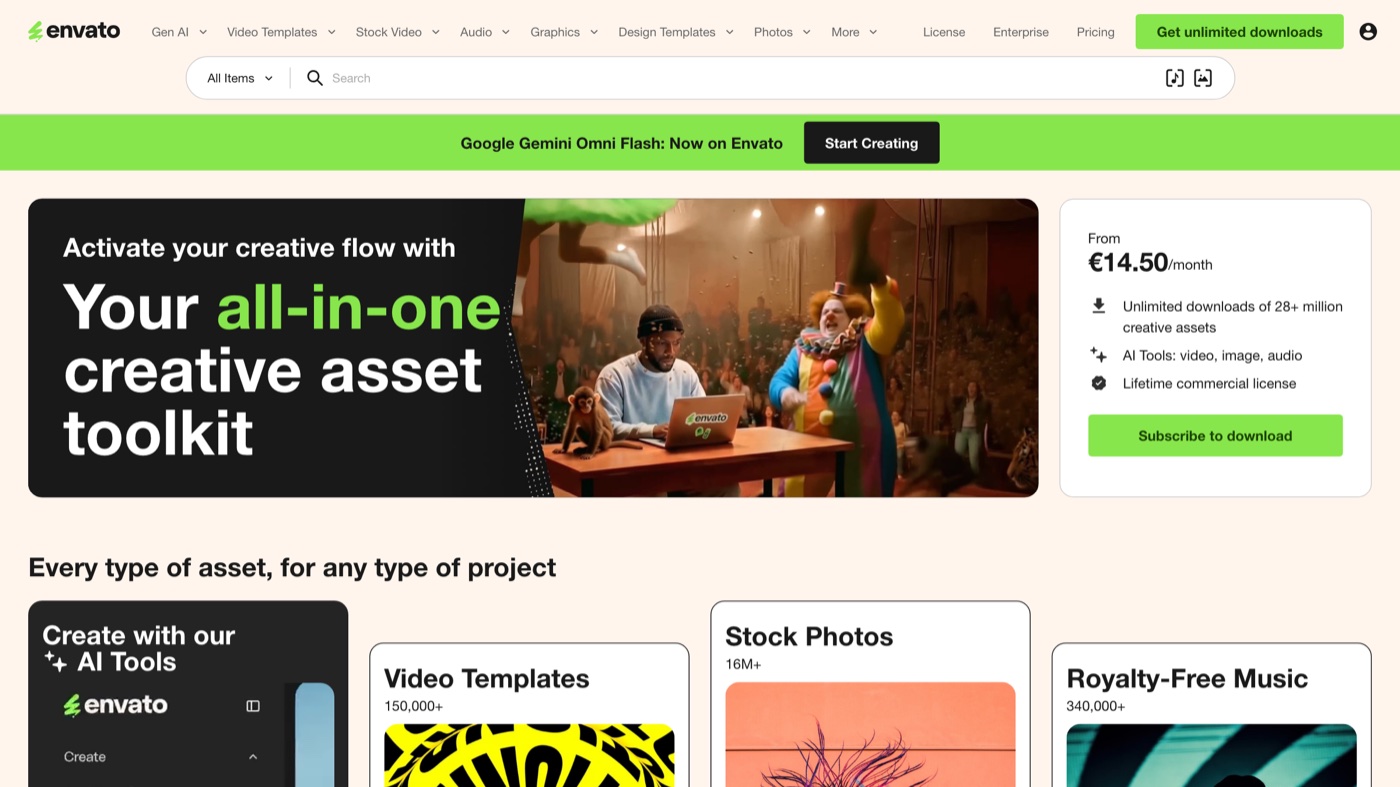
Envato Elements is the best value on this list if you consume more than footage. One membership opens stock video, After Effects and Premiere templates, music, sound effects, graphics, and fonts, and downloads are not counted per item, so a template-heavy edit does not nickel-and-dime you. For a small studio it can replace several separate accounts on its own. The part to understand is the license structure: it is tied to an active membership, and you register a license for each item you use in a project, so if you stop paying you cannot keep starting new projects with old downloads. Kept active, it is one of the most efficient ways to feed a busy edit.
11. Pond5
More on Pond5
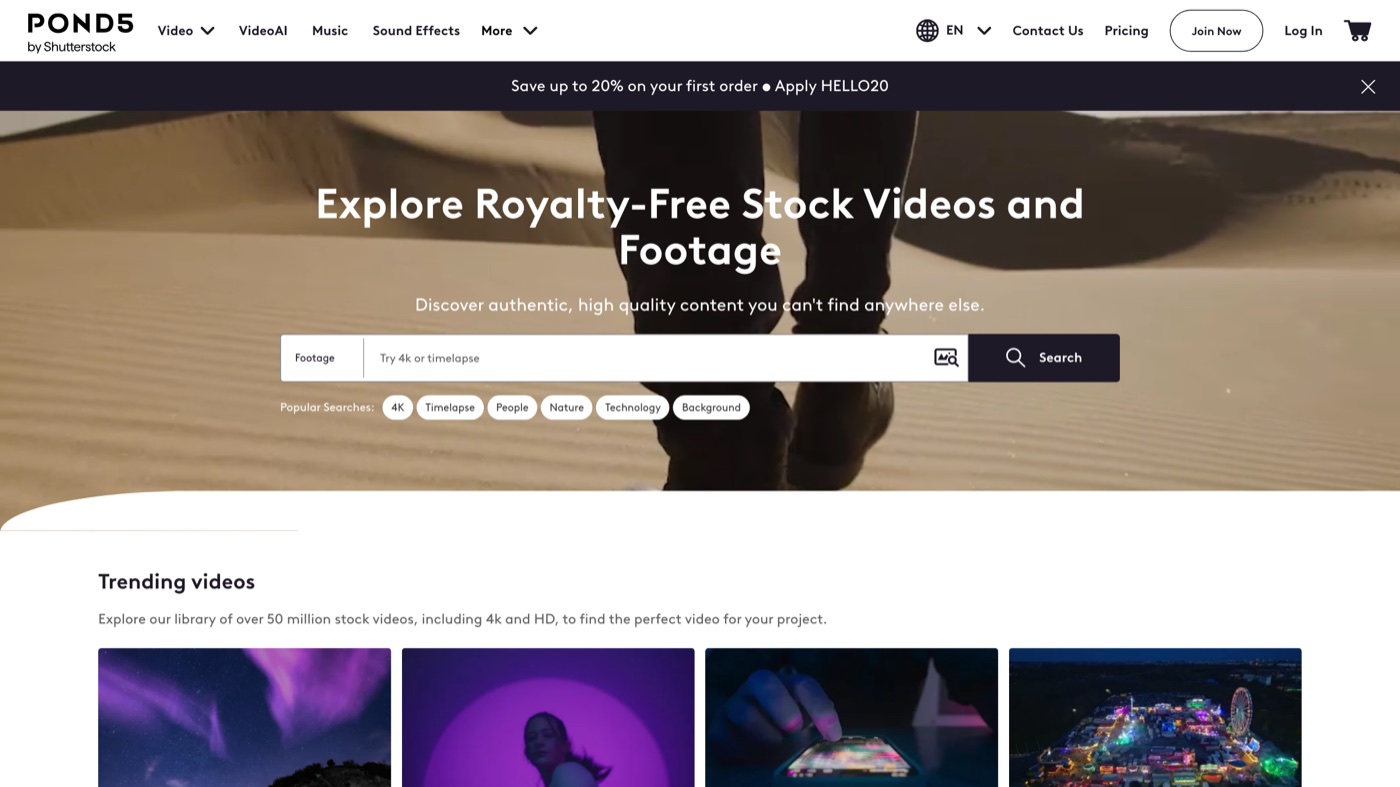
Pond5 is the site I use when I need one specific clip and nothing else, because it is a real marketplace rather than a membership. You buy the shot, you own that license, and you walk away, which suits occasional projects far better than paying monthly for a catalog you barely touch. The library is deep, with strong coverage of 4K, aerials, and niche subjects, plus music and sound effects if you want them. Pricing is the thing to watch: because independent creators set their own rates, a standout clip can run into the hundreds, so a heavy project can cost more here than an all-access membership elsewhere. For one-off, high-value shots, though, the pay-for-what-you-use model is exactly right.
12. iStock by Getty Images
More on iStock by Getty Images
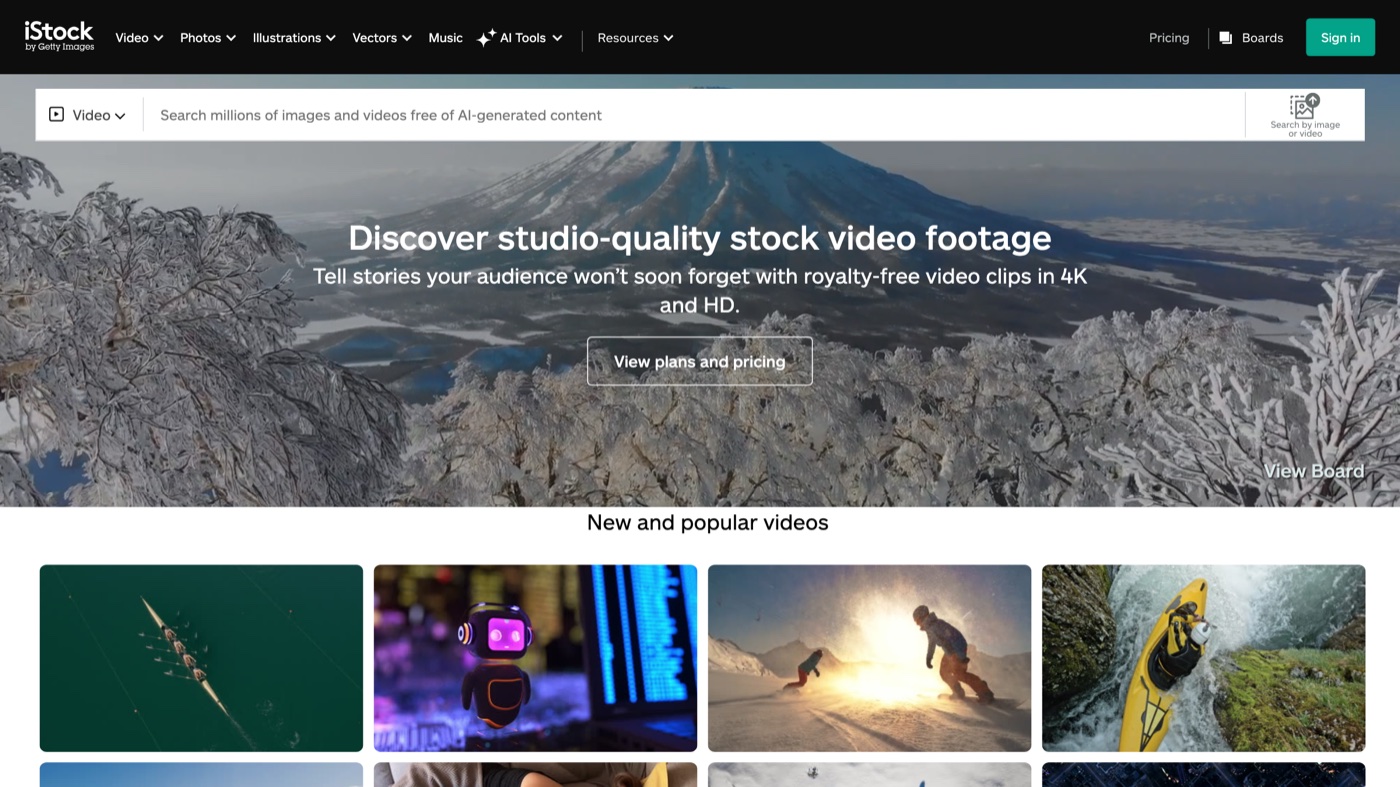
iStock is Getty Images' more reachable arm, and it is where I send people who want Getty-level rights confidence without Getty's enterprise pricing. The draw is trust: releases are in order, the exclusive Signature collection stands apart, and sensitive or regulated subjects are exactly where that certainty earns its cost. You can buy with credits per clip or hold a monthly plan if you pull often. Two caveats: the exclusive tiers carry a real premium over the Essentials pool, and Essentials itself can feel a little generic against curated cinematic sites like Artgrid. When a client needs footage that is unmistakably cleared and slightly rarer, iStock earns its place.
Here is the whole list side by side.
| # | Tool | Best for | Pricing | Limitation |
|---|---|---|---|---|
| 1 | Pexels | Modern, natural-looking b-roll and vertical clips for social, with no account and no attribution | Free for personal and commercial use, no sign-up required | It is popular enough that the standout clips get reused across brands, so the most eye-catching shots also look the most familiar. |
| 2 | Mixkit | Creators who want curated clips plus matching music and editor templates in one place | Free for commercial use, no attribution, no account | The library is much smaller than the big free sites, so it is a place you check, not a place you lean on for volume. |
| 3 | Coverr | Website hero backgrounds and looping clips for landing pages | Free to download, with an optional paid membership for more | The search is thin and the niche is narrow, so it is a background-video site rather than a general b-roll library. |
| 4 | Pixabay | Grabbing a wide spread of general-purpose b-roll and nature or abstract backgrounds | Free for commercial and personal use, no attribution, no account | Quality swings hard from clip to clip, so you spend more time vetting each shot before you commit to it. |
| 5 | Vecteezy | Teams that want a large free tier with a clear paid step up when they need more | Free with attribution; Pro around $14/month billed yearly (drops the credit line, opens 4K) | The free clips need a visible credit, and free and Pro results are mixed together in search, so you read the badges carefully. |
| 6 | Adobe Stock | Anyone already living in Premiere, After Effects, or the wider Creative Cloud | From around $29.99/month for a credit allowance; video licenses draw more credits than photos | Video eats credits fast, so the real cost per clip is higher than the headline number once you are licensing motion rather than stills. |
| 7 | Storyblocks | High-volume editors who download a lot and want one predictable price | Around $30/month billed yearly, with downloads not counted per clip on the all-access plan | The catalog is broad but uneven, and the very best cinematic shots tend to live on the more curated paid sites instead. |
| 8 | Artgrid | Cinematic, film-grade footage for brand pieces and commercials | Around $25/month billed yearly for the full-catalog membership | It is a membership, so if you only need one clip a quarter the maths does not favor you the way a marketplace would. |
| 9 | Shutterstock | Finding a specific, well-tagged clip inside one of the largest catalogs anywhere | Video plans from around $49/month, plus per-clip licensing | It is one of the pricier ways to license motion, and the same reach that makes it comprehensive also means its clips show up everywhere. |
| 10 | Envato Elements | Editors who want stock video plus templates, music, and graphics under one paid membership | Around $16.50/month billed yearly, downloads not metered per item | You must keep the membership active and register each download, since the license is tied to your account rather than a one-time purchase. |
| 11 | Pond5 | Buying exactly one clip without committing to a membership | Marketplace, individual clips from around $25, with membership options for regulars | Per-clip prices vary a lot by contributor, so a single premium shot can cost more than a month of an all-access site elsewhere. |
| 12 | iStock by Getty Images | Release-clean, commercially safe footage from the Getty ecosystem at a more reachable entry point | Video from around $40 a clip with credits, or monthly plans for regulars | The exclusive collections cost noticeably more, and the essentials tier can feel generic next to the curated cinematic houses. |
Sourcing is the easy part. The clips only read as yours once they are cut, so if the edit is where you feel least sure, start with our guide to editing video, and if you want a rough assembly fast, a few of the AI video editors I rate will stitch stock clips into a first pass in minutes. One more habit that pays off: licensed clips and their paperwork pile up quickly, so a little creative asset management keeps you from re-buying the same shot next quarter.
When stock is not enough
Use this list and keep your money where stock does the job. It earns its place on website loops and establishing shots, plus any b-roll no one studies frame by frame. It stops working the moment the footage has to look like your brand and no one else’s, or when a client needs a specific product, person, or location on camera that no library happens to hold. That is the line where you either book a brand video shoot or bring in people who already know how you sound. Moonb is a creative studio built to work as an embedded creative team, so the same crew handles the shoot, the edit, the motion, and the versioning across a campaign, and the footage belongs to you rather than to a clip a hundred other brands also licensed. If your next piece has to be unmistakably you, that is the moment to make something original instead of buying a shot.
See it in action
If you want to see a few of these libraries in motion before you commit, here is a walk-through from a creator who tests them for a living.
Frequently asked questions
Usually yes, but read the specific license, not the site's headline. Most free sites (Pexels, Mixkit, Pixabay, Coverr) allow commercial use without attribution, while others (older Vecteezy free clips, some Videvo and Mazwai footage) require a visible credit. The bigger risk on free footage is not the license text but releases: if a clip shows a recognizable face, logo, or private property, a free site rarely guarantees the model or property release you need for a paid campaign. For anything running at scale, I move that shot to a paid library that documents its releases.
Start free and pay only where free falls short. Free libraries handle website loops, social b-roll, and backgrounds without a problem. I open a paid library in a few situations: when I need a specific shot free sites do not have, when the footage must be release-clean for a commercial, or when I want something rarer than the clips every other brand already uses. If you produce video weekly, one all-access membership (Storyblocks, Envato Elements, or Artgrid for cinematic) usually pays for itself against buying clip by clip.
Treat stock as raw material, not the finished look. The clips that read as generic are the ones dropped in untouched, so I regrade them to one consistent palette, cut them tight against a voiceover or track instead of letting them play out, and layer in motion graphics or type so the frame carries something only you have. Mixing a rarer paid clip into a bed of free b-roll also lifts the whole piece. If a shot has to be unmistakably about your product or people, that is usually the signal to shoot it rather than source it.