Where to Actually Hire a Freelance Video Editor
I have hired editors across most of these platforms. Here is an honest look at 14 places to find freelance video editors, who each one is right for, and where they fall short.

I run a creative studio, and hiring editors is something I do constantly. I do it for our own team, and over the years I have done it for one-off jobs when a specific style was needed fast. So I have spent real money on most of the platforms below, and I have been burned on a few of them too.
Here is what nobody tells you before you start. The platform matters less than how you brief and how you vet. A great editor on a messy marketplace beats a mediocre one on a premium network every time. But the platform does shape who shows up, how much hand-holding you do, and how badly a job can go sideways. That is what I want to help you sort out.
Video is not optional anymore. Wyzowl’s 2024 survey found 91% of businesses use video as a marketing tool, and most of them plan to spend more, not less. So more people are hiring editors for the first time and panicking about where to look. Let me save you some of that.
How I compared these
I care about four things when I look at a platform. Who is actually on it, meaning hobbyists, working pros, or truly elite talent. How much vetting the platform does for you versus how much lands on you. The real cost once fees and revisions are added in. And how well it holds up for ongoing work rather than a single edit. Every profile below is written with those in mind, and I will tell you plainly where a platform is the wrong tool.
1. Fiverr
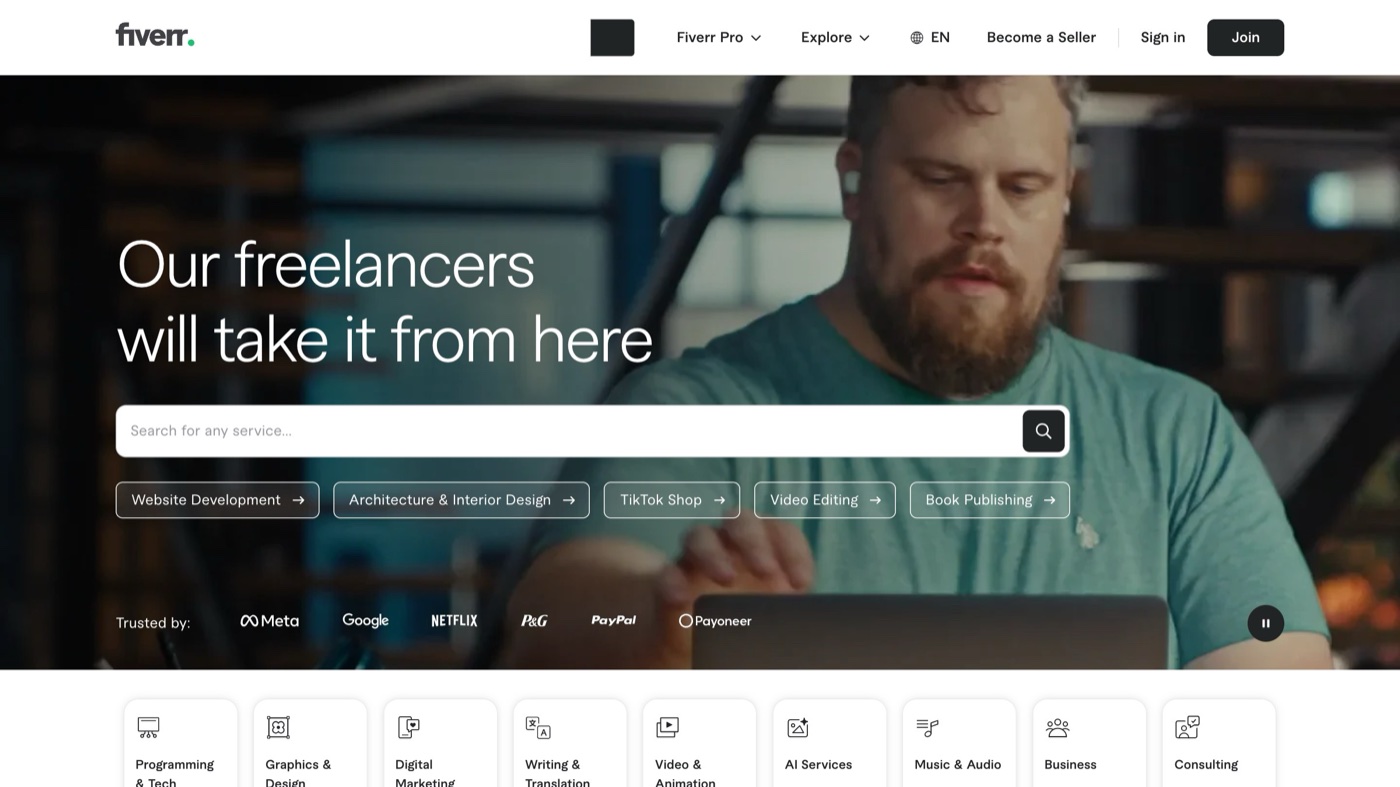
Fiverr is the one everyone knows, and it works because it removes the hard part. You browse fixed-price packages instead of posting a job and waiting. That speed is real, and for a simple social cut or a caption pass you can have someone hired in twenty minutes. The trade is quality variance so wide it will give you whiplash, so you live or die by reading reviews and actually watching the portfolio samples before you buy.
Best for: Well-defined, small-scope edits where you know exactly what you want and need it fast.
2. Upwork
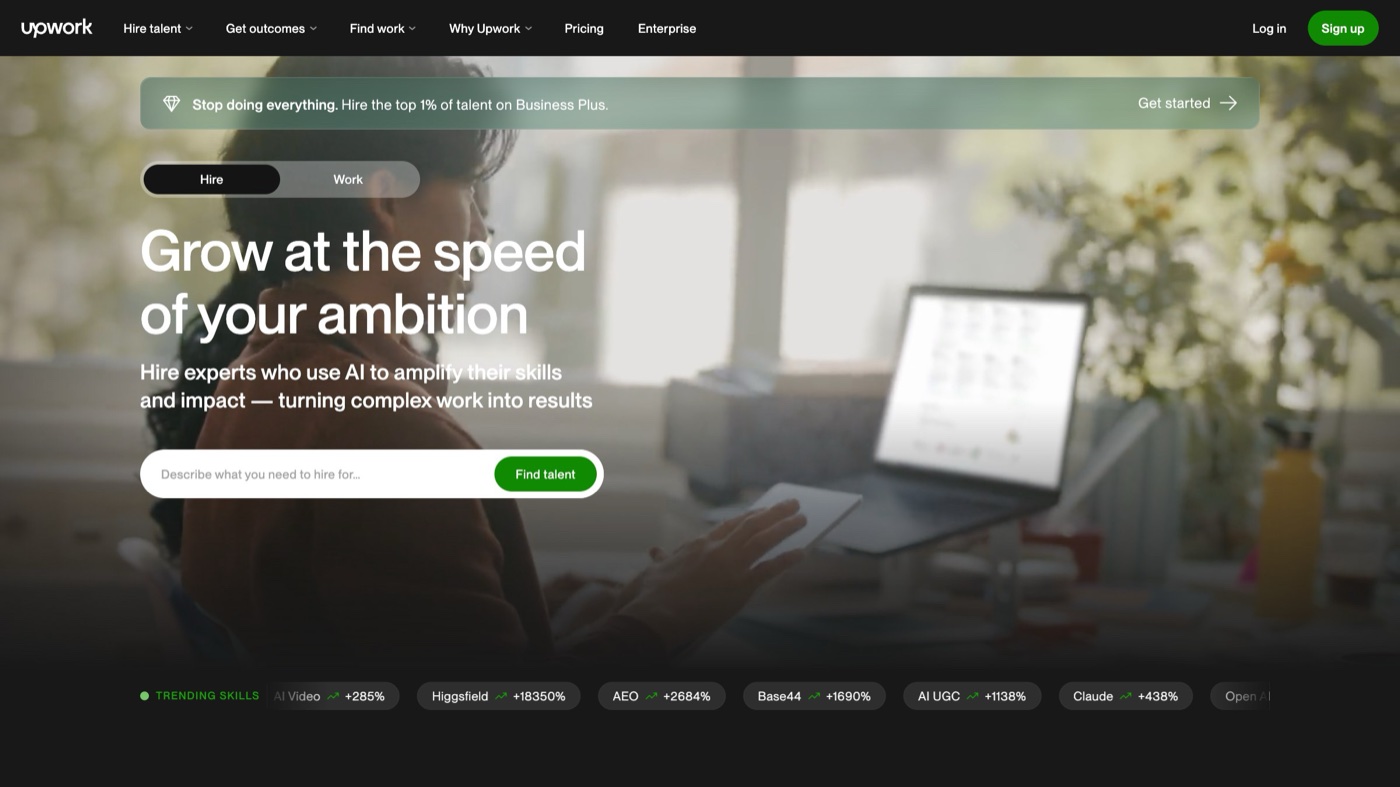
Upwork is where I go when a job has moving parts. You post a brief, editors send proposals, and you interview like a real hire. That is more work upfront, but it gets you people who can handle ongoing or complex projects. The escrow, time tracking, and work history make it feel professional. The client-side fees add up, though, and sorting fifty proposals to find three good ones takes more patience than most people expect.
Best for: Longer collaborations and complex edits where you want to vet properly and manage the relationship over time.
3. Toptal
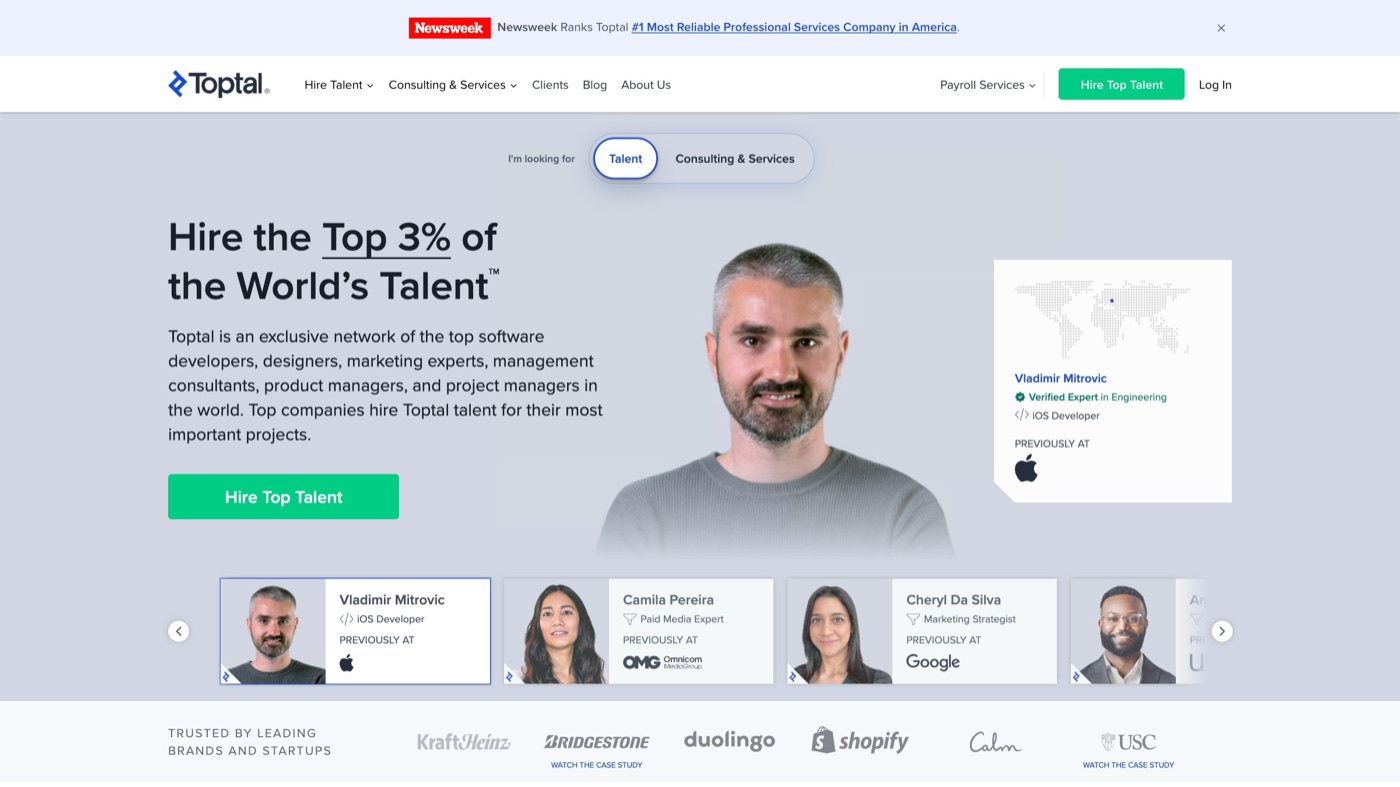
Toptal screens hard and markets itself on the top few percent, and in my experience the talent really is a level above the open marketplaces. They match you with someone rather than making you dig, and there is a trial window so you are not committing blind. You pay a lot more for that, and it is overkill for a quick job. But for a high-stakes edit where a bad result costs you real credibility, the premium is defensible.
Best for: High-stakes projects where reliability matters more than the invoice.
4. Freelancer.com
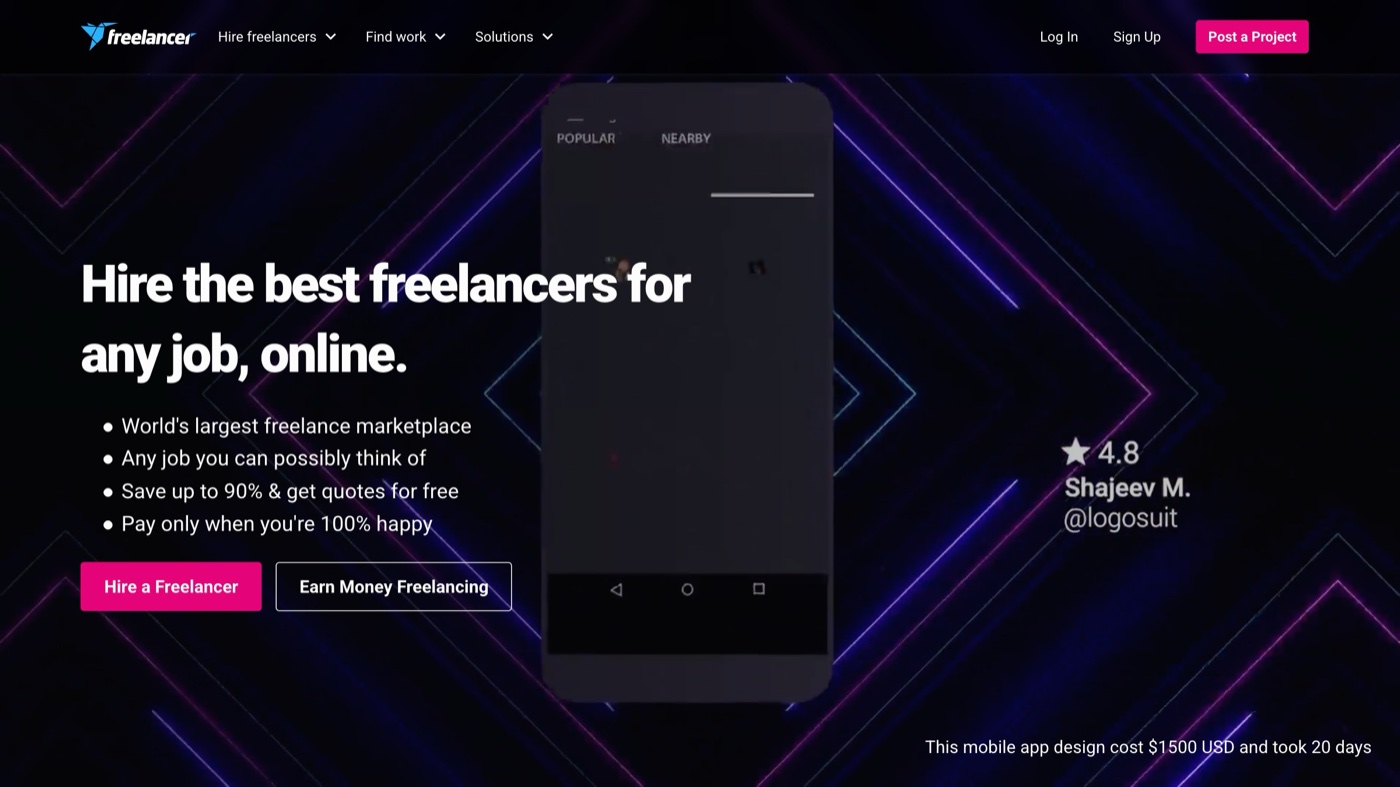
Freelancer.com is one of the oldest marketplaces and it feels it, in both good and bad ways. The bidding model can pull your cost down, and the contest format lets you see actual sample work before you commit, which is a useful way to compare directions. The downside is a crowded, noisy experience where quality swings hard and you will wade through a lot of low-effort bids to find the person worth hiring.
Best for: Buyers who want competitive bids or a contest to preview concepts before choosing.
5. PeoplePerHour
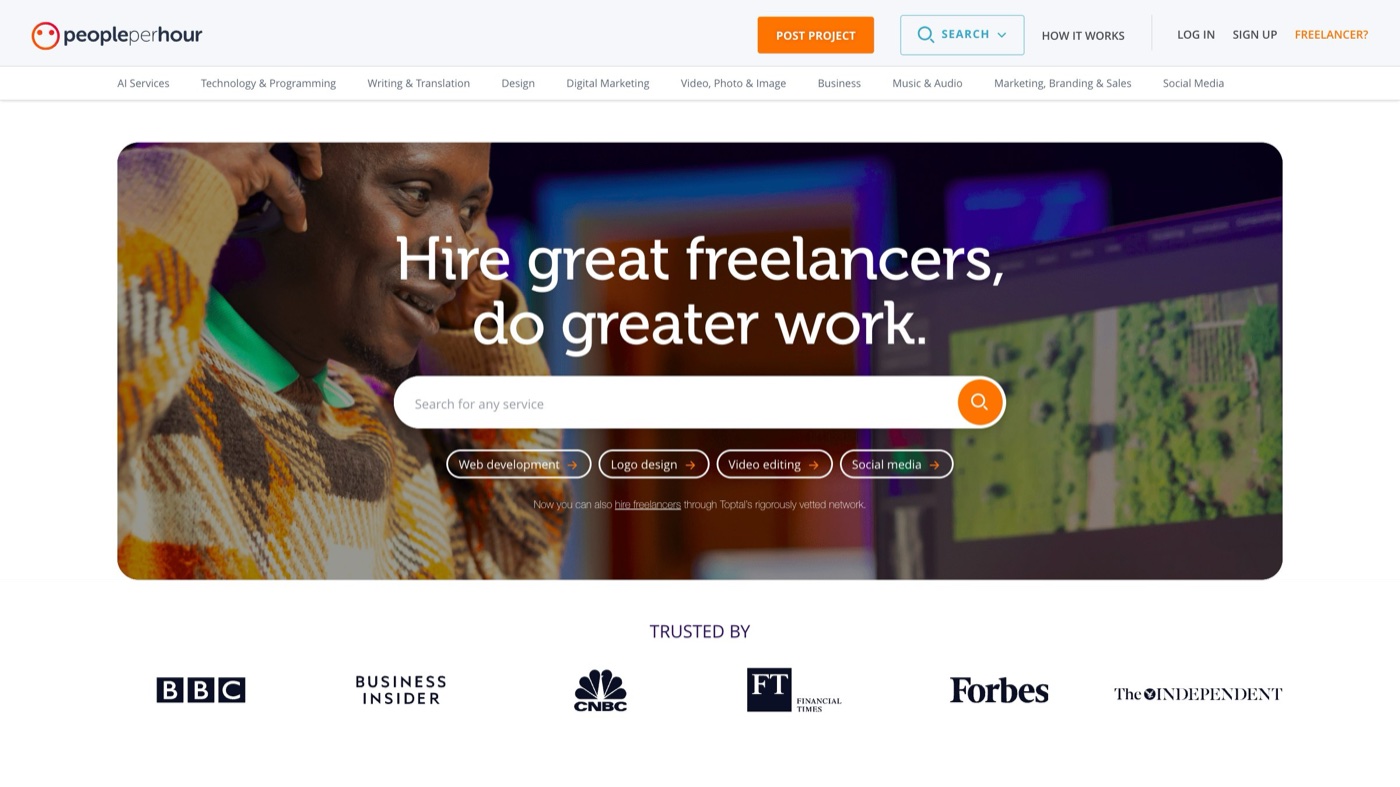
PeoplePerHour sits between a job board and a gig marketplace, so you can either post a project or buy a pre-packaged “Hourlie” the way you would a Fiverr gig. The talent skews UK and Europe, which is handy if timezone overlap matters to you, and the vetting is a touch more consistent than the giants. The pool is smaller, and the fees are there, so you still do your own portfolio homework.
Best for: Small to mid projects where you want flexibility between fixed packages and custom briefs.
6. Guru
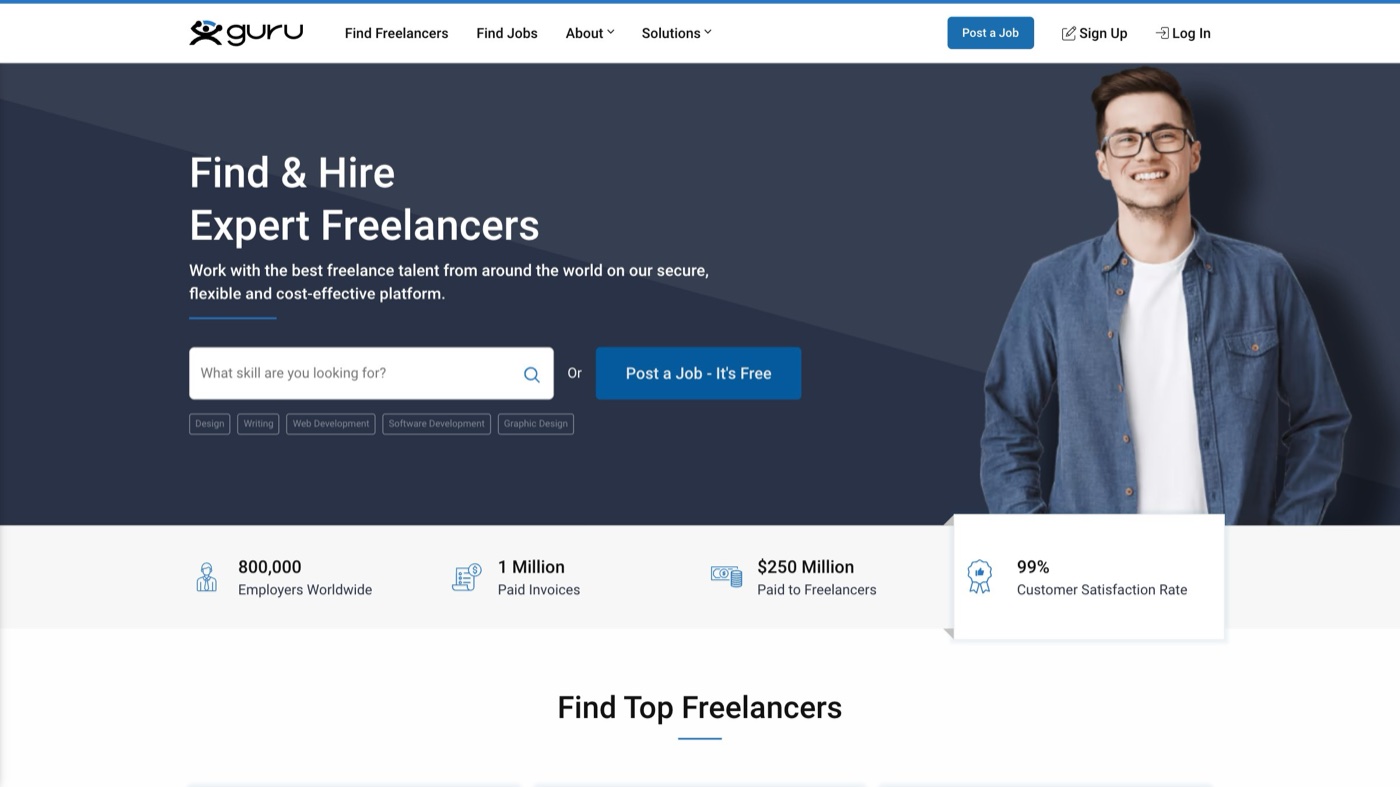
Guru’s calling card is payment flexibility. Fixed, hourly, task-based, or recurring, all held in its SafePay escrow until milestones clear. That recurring option is one of the better fits for something like ongoing channel editing where you want the same person week after week. The interface feels a decade old and the pool is thinner than Upwork, but the structure is solid and the fees stay reasonable.
Best for: Recurring, milestone-based work where you want to keep one editor on retainer.
7. Behance
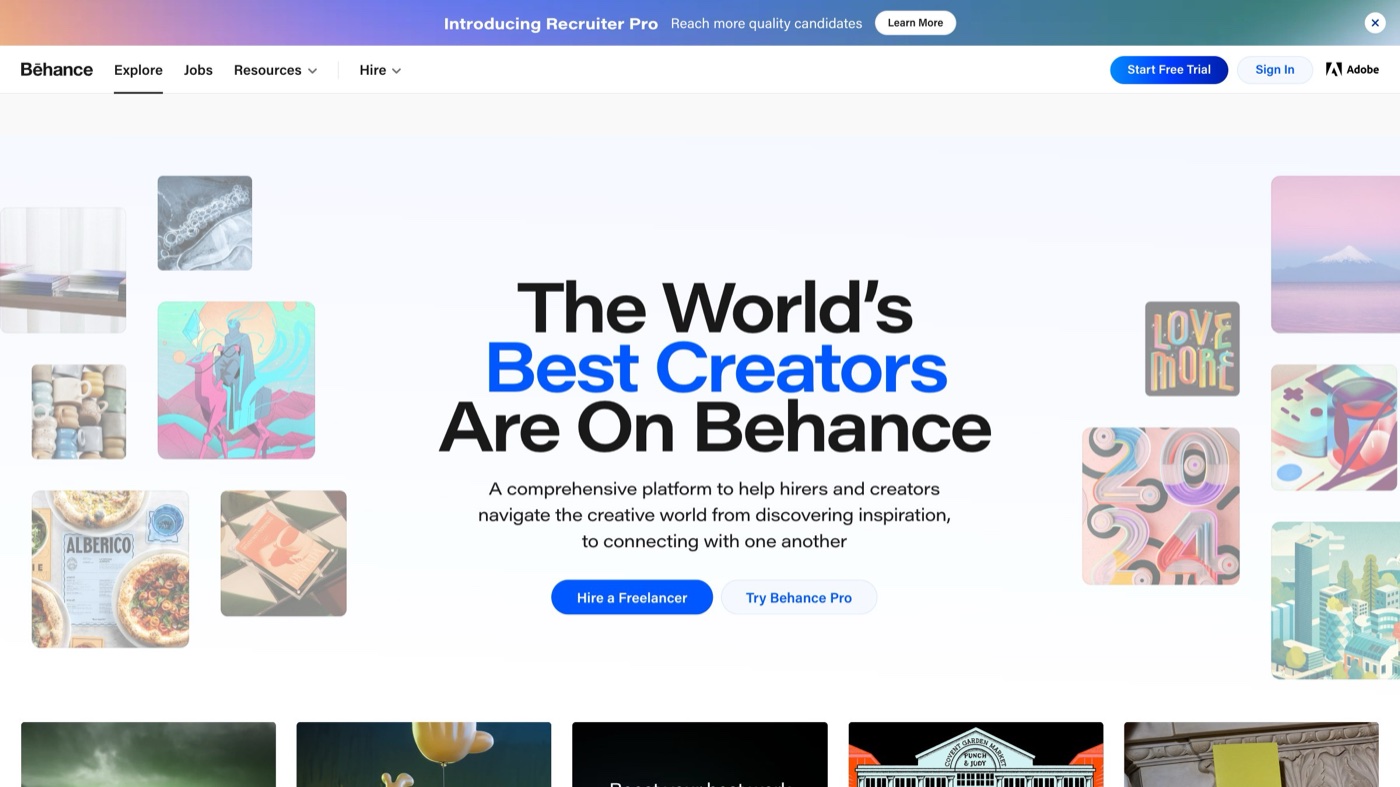
Behance is not really a hiring platform, it is Adobe’s portfolio gallery, and that is exactly why it is useful. You scout editors by looking at their best work first, filter by the tools they use, and reach out directly to the ones whose taste matches yours. There is no escrow, no project management, no safety net, so you are negotiating and paying on your own terms. That suits some people and terrifies others.
Best for: Creative directors hunting for a specific visual style and comfortable managing the deal themselves.
8. Twine
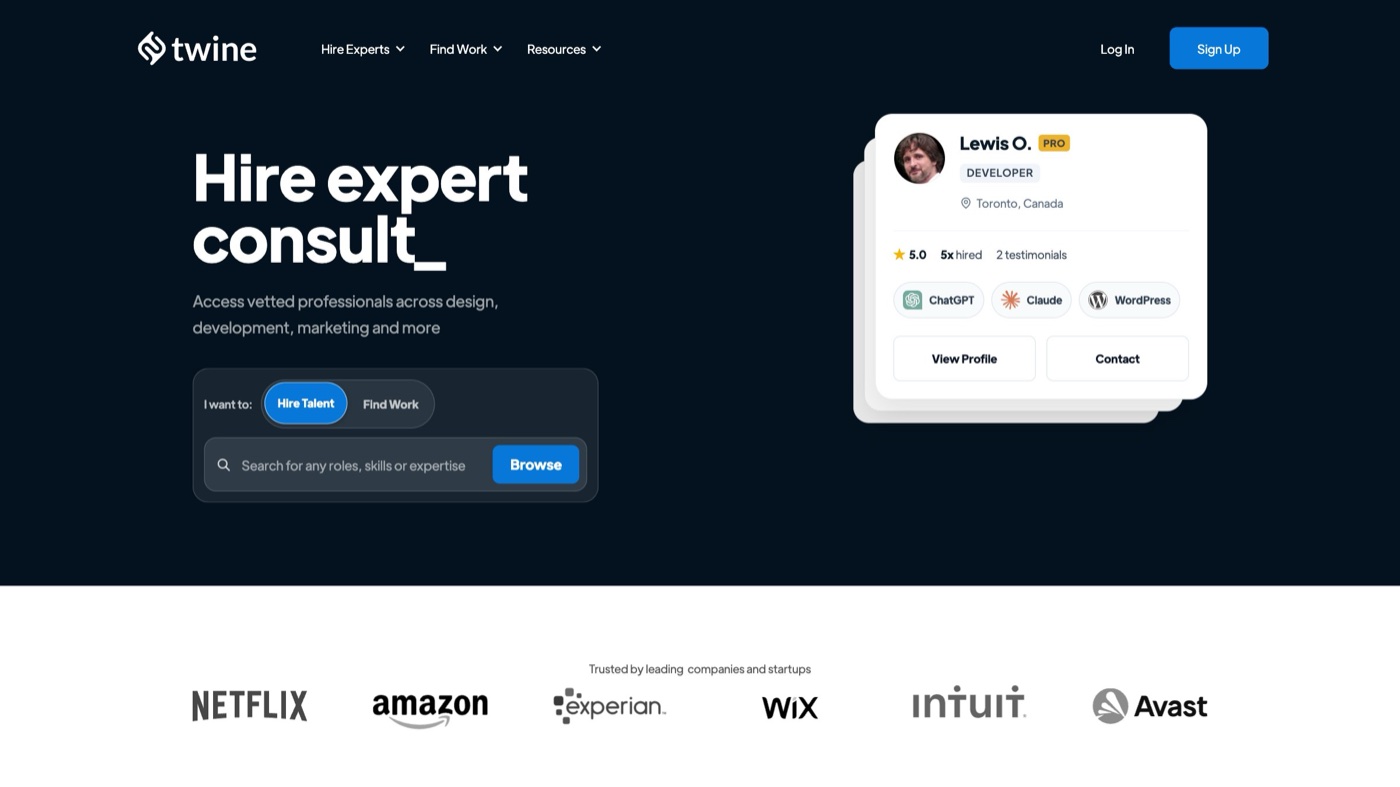
Twine is built for creative work specifically, so the people on it are editors, animators, and motion designers rather than a general freelancer soup. You post a brief and get matched with relevant pros who pitch, which cuts down the noise if you need something niche like 3D or documentary-style cutting. It is smaller and the matching takes a little longer than just browsing, but the signal-to-noise is worth it for specialist jobs.
Best for: Specialist creative edits where you want a curated, relevant shortlist instead of the open flood.
9. Contra
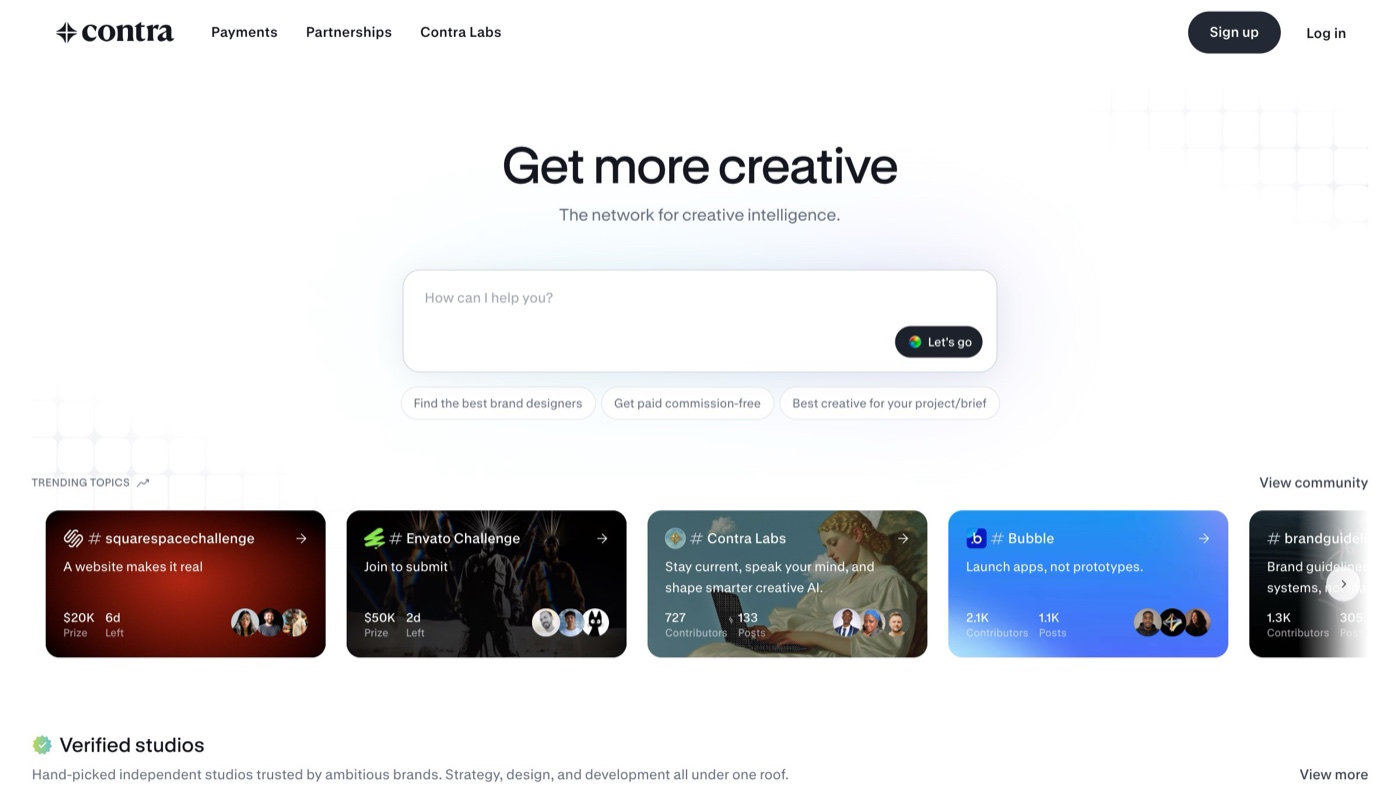
Contra’s hook is that it takes no commission, so freelancers keep everything and pricing tends to be cleaner as a result. The profiles read like proper portfolios, the payments support milestones, and the whole thing is built around direct, long-term relationships rather than transactional gigs. The pool is smaller and more curated, so it is great for finding one strong independent editor and less useful if you need to staff up quickly.
Best for: Building a direct, ongoing relationship with an independent editor without platform commission.
10. Mandy
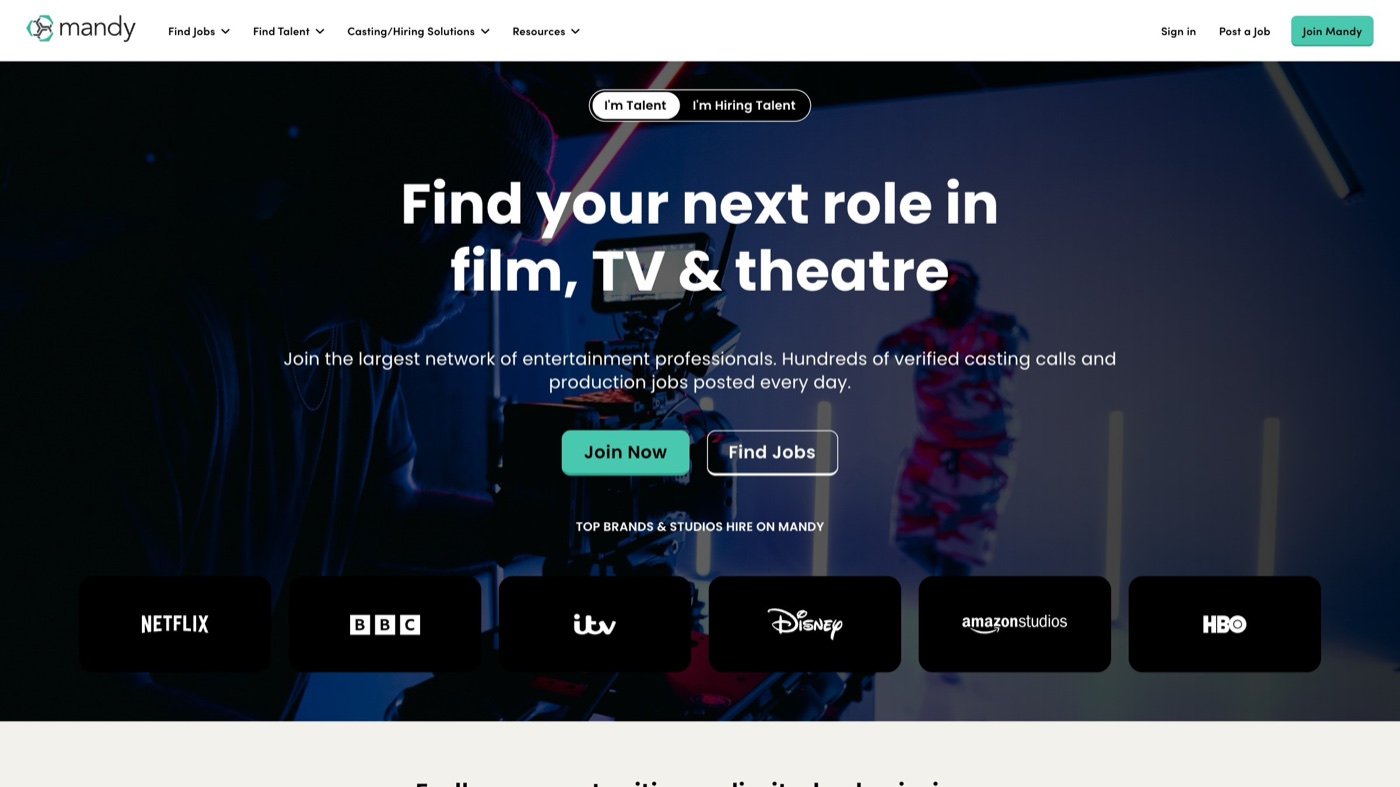
Mandy has deep roots in film and TV production, so the editors here often come from a crew background rather than a social-content one. That heritage shows in the caliber of people who post, and if your project has a cinematic or narrative sensibility, this is a pool worth searching. It feels more like an industry directory than a slick marketplace, so expect to do your own outreach and negotiate rates directly.
Best for: Film and television-rooted edits where you want editors with real production pedigree.
11. Stage 32
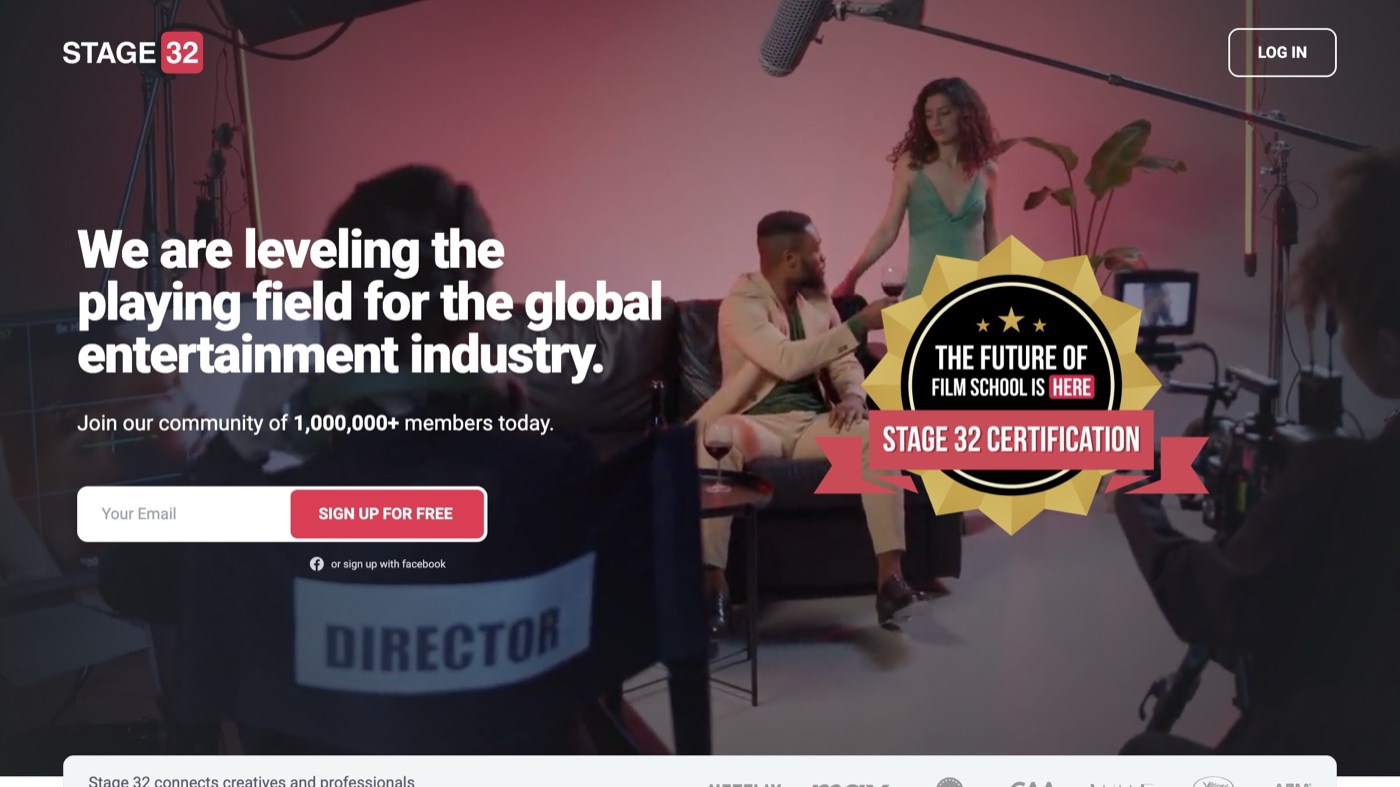
Stage 32 is a community and network for film and entertainment professionals, and hiring there feels more like tapping a well-connected industry circle than posting to a job board. You get access to editors who take craft seriously and often carry festival or studio credits, plus education and networking layered on top. It is not built for fast transactional hiring, so treat it as a place to find and vet a serious collaborator, not to knock out a rush job.
Best for: Entertainment and narrative projects where craft credentials and industry connection matter.
12. Aquent
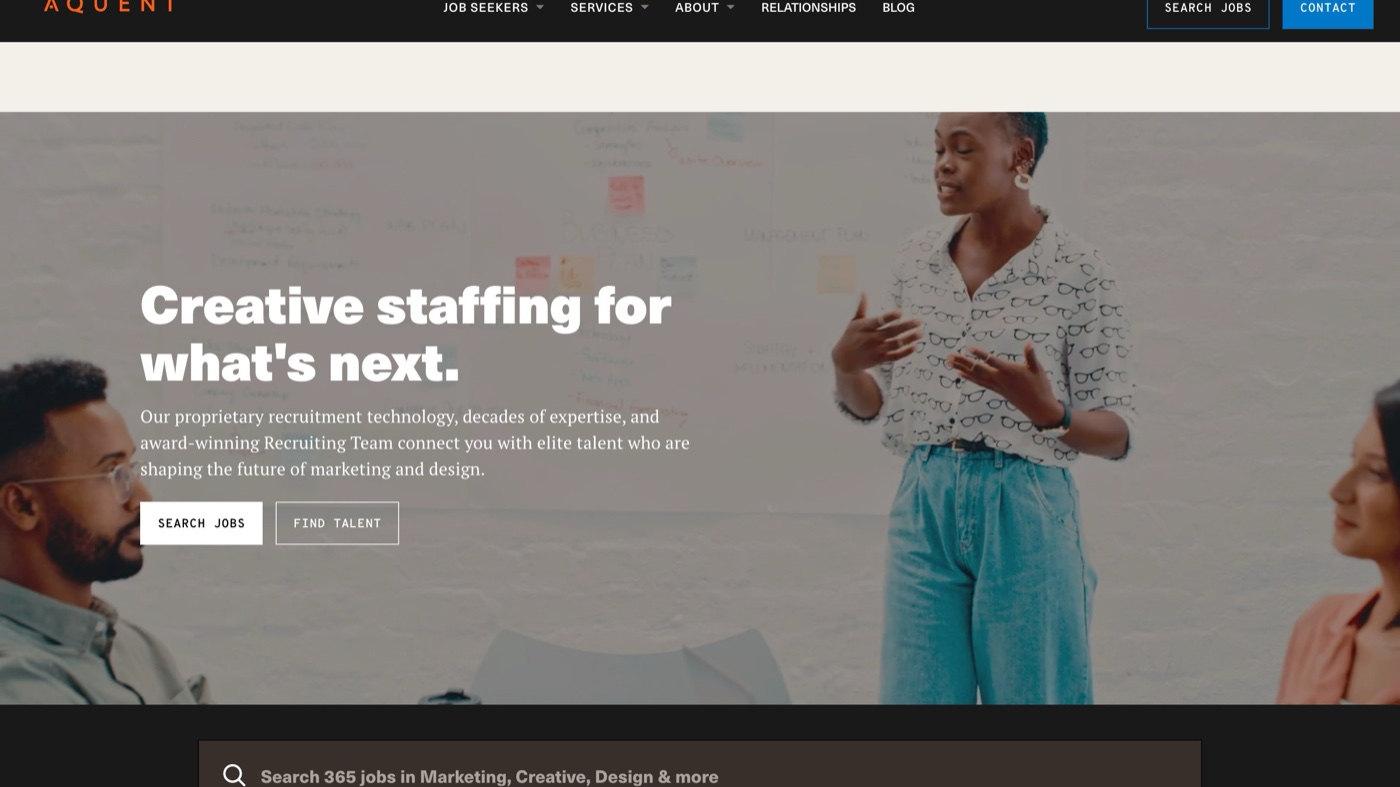
Aquent is a creative staffing firm, not a self-serve marketplace, which means a person places talent with you rather than you browsing profiles. That model suits larger companies filling a role or a longer contract, especially when compliance, payroll, and consistency matter more than moving fast. It is heavier and more corporate than anything else on this list, so it is the wrong call for a single edit but a strong one for staffing a creative function.
Best for: Enterprises that need managed creative staffing and contract placement, not a one-off gig.
13. Creative Circle
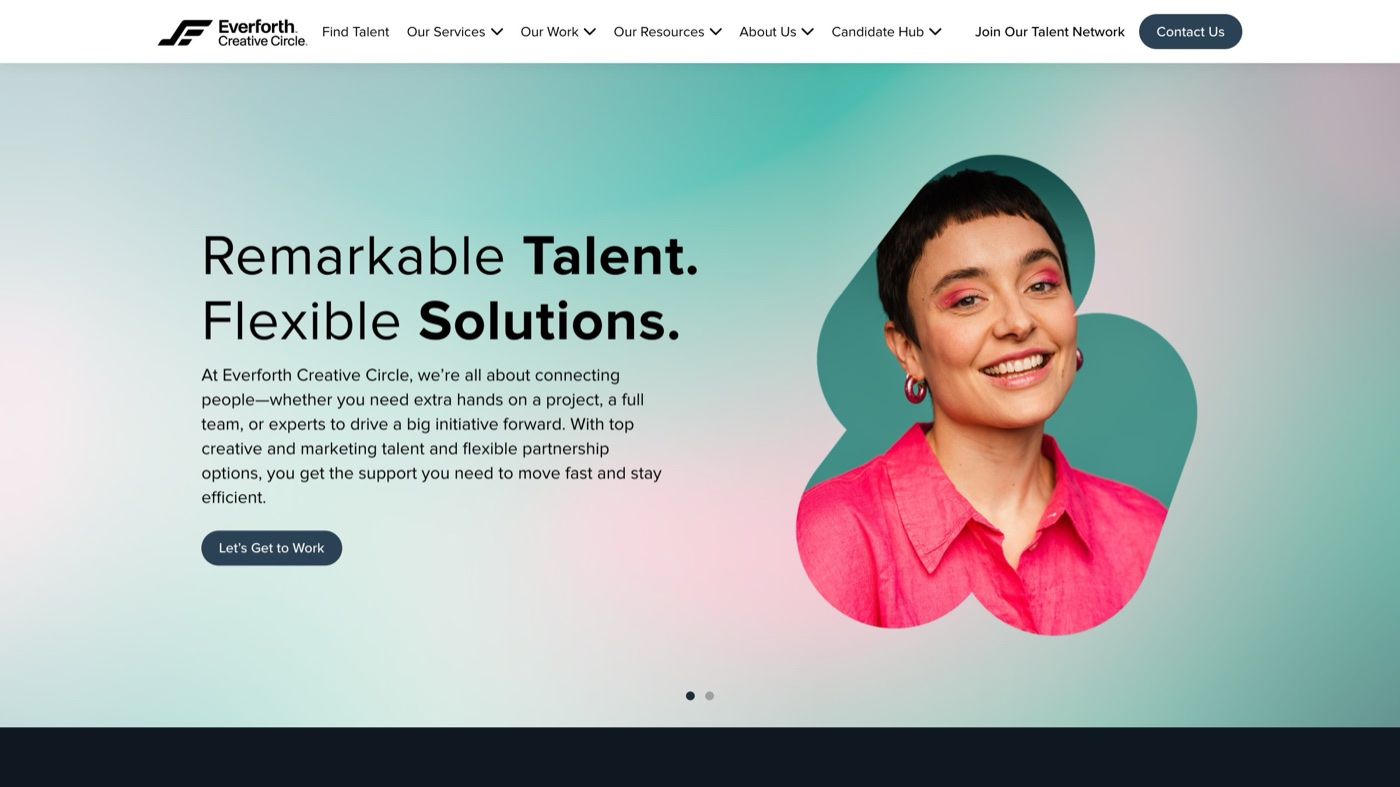
Creative Circle is another staffing agency in the same family as Aquent, matching creative and marketing talent to companies through recruiters. They handle the sourcing and vetting for you, which is a relief if you do not have time to run a search, and they cover freelance, contract, and permanent placements. You are paying agency margins and moving at agency speed, so this is for filling a defined role, not for experimenting with a quick project.
Best for: Marketing teams that want a recruiter to source and place a vetted editor for a defined role.
If you want to see the actual hiring motion before you commit to a platform, the walkthrough below from Upwork’s team lays out the interview-and-brief process step by step. It is worth watching even if you plan to hire somewhere else, because the vetting logic carries over anywhere.
The platforms side by side
Here is how the notable options stack up when I line them up by what actually decides the choice.
| Company | Model | Vetting done for you | Key strength | Best fit |
|---|---|---|---|---|
| Fiverr | Gig marketplace | Minimal, you read reviews | Fast, fixed-price packages | Quick, defined edits |
| Upwork | Job board plus proposals | Low, you interview | Handles complex, ongoing work | Complex, ongoing collaborations |
| Toptal | Vetted network plus matching | High, hard screening | Elite talent, trial window | High-stakes projects |
| Freelancer.com | Bids plus contests | Minimal, you sort bids | Competitive bids, preview concepts | Competitive bidding or contests |
| PeoplePerHour | Job board plus Hourlies | Light, a touch more consistent | UK and Europe timezone overlap | Small to mid projects |
| Guru | Marketplace plus SafePay escrow | Light, you vet the pool | Flexible and recurring payment | Recurring retainer work |
| Behance | Portfolio gallery | None, you run the deal | Scout editors by their work | Style-first scouting |
| Twine | Curated creative matching | Matched shortlist | Creative specialists only | Specialist creative edits |
| Contra | Commission-free direct | Light, curated pool | No commission, clean pricing | Ongoing one-to-one relationships |
| Mandy | Industry directory | None, own outreach | Film and TV crew pedigree | Film and television rooted edits |
| Stage 32 | Community and network | None, vet the collaborator | Festival and studio credits | Entertainment and narrative projects |
| Aquent | Creative staffing firm | Full, they place talent | Managed payroll and compliance | Enterprise creative staffing |
| Creative Circle | Staffing agency | Full, recruiters source | Recruiter sources and places | Filling a defined role |
So which one should you pick
Match the platform to the shape of your problem, not to a “best” ranking, because there isn’t one. If you have a single, well-scoped edit and a clear reference, a marketplace like Fiverr or Freelancer.com gets it done. If you want a real collaborator for complex or repeat work, Upwork, Guru, or Contra reward the extra effort. When the result is too important to gamble on, Toptal and Storyhunter cost more and earn it. And Aquent and Creative Circle exist for when you are staffing a role rather than buying a job.
One caveat from years of doing this. Hiring a freelancer solves the task, not the system. If you find yourself sourcing, briefing, and managing a new editor for every project, the real cost is your own time, and it compounds fast. That is the point where some teams stop hiring one-off and bring in an embedded creative team that already knows the brand, so the ramp-up happens once instead of every single time. Whichever route fits you, pick the one that matches how often you actually need video. You will waste a lot less money, and a lot less patience.
Frequently asked questions
It ranges enormously. On gig marketplaces like Fiverr you can find basic edits starting in the low tens of dollars, while experienced editors on Upwork typically run somewhere between 25 and 150 dollars an hour depending on skill and complexity. Premium networks like Toptal and Storyhunter sit well above that. The bigger hidden cost is your own time spent sourcing, briefing, and revising, so factor that in when comparing options.
Start with the portfolio and watch full pieces, not just showreel highlights, because a good reel can hide weak storytelling. Look for work in a style close to what you need, read reviews or references for reliability and communication, and where possible run a small paid test edit before committing to a big project. On the higher-touch platforms the vetting is partly done for you, which is a large part of what the premium buys.
For a repeat relationship with one editor, Contra, Guru, and Upwork all support long-term arrangements well, and Guru's recurring payment option suits steady channel work. If you need consistent output across many projects and do not want to re-hire constantly, an embedded creative team that already knows your brand often makes more sense than sourcing a new freelancer each time, because the onboarding happens once.