Best B2B Video Production Companies (2026)
A ranked, carefully compared guide to the best B2B video production companies in 2026: what each is best for, the clients they name, pricing signals, and one real limitation each.

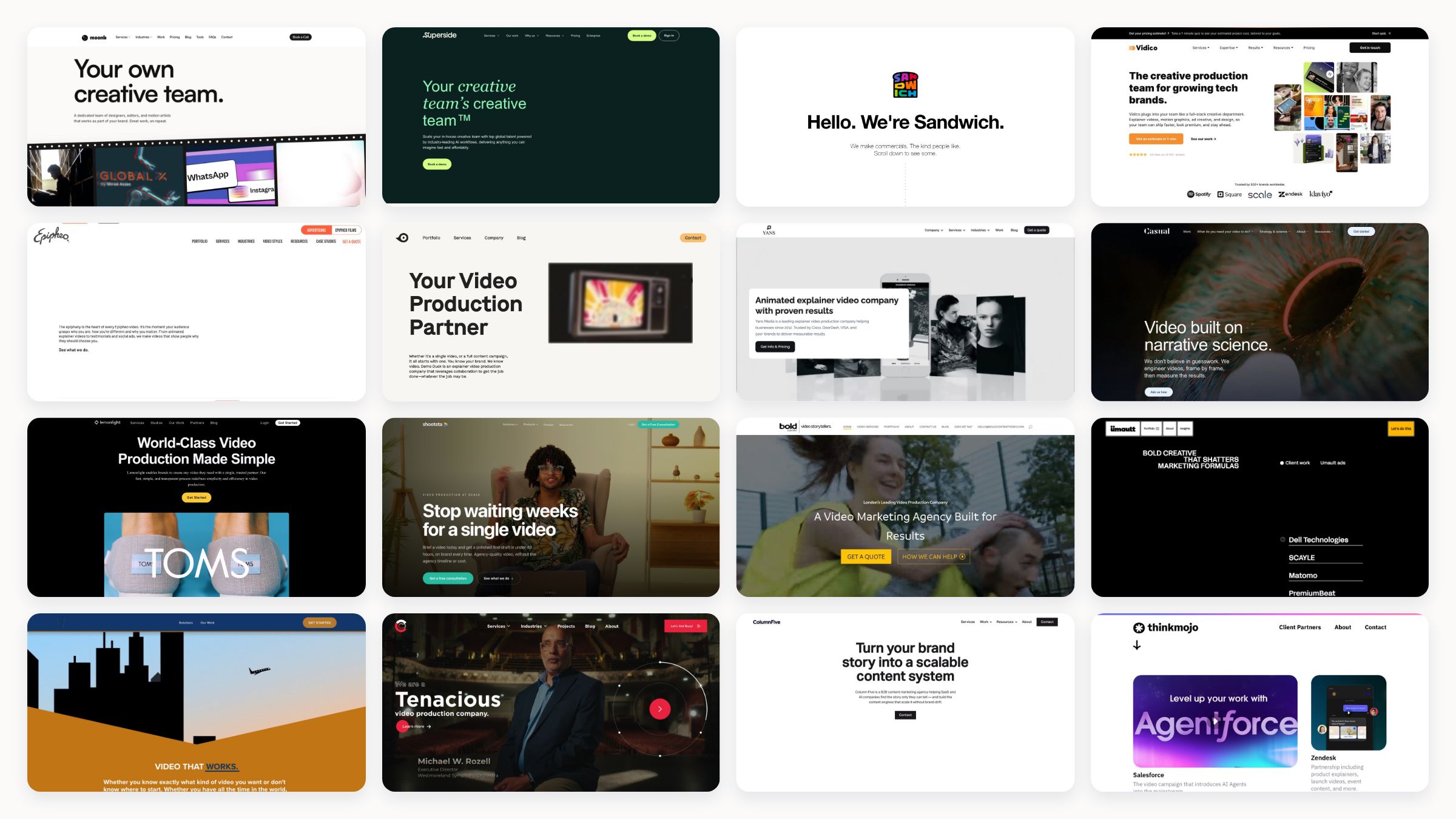
The best B2B video production company is the one that can keep up with how your team actually buys and ships video, not the one with the flashiest reel. For most B2B teams that means an explainer studio, a product-video specialist, a scaled production partner, or an embedded team, and the right pick depends on whether you need one flagship film or forty assets a year. Below are the sixteen I would put in front of a marketing lead in 2026, what each one does well, and where each one stops being the right fit.
Full disclosure before we start: I work at Moonb, so the first entry is my own team, and you should read it with that in mind. Every other company here is one I would happily point a prospect toward when we are not the right shape for the job, and I have kept a real limitation on every entry, including ours.
How I would choose a B2B video partner
A B2B video is almost never made for one person. Forrester’s 2026 buyer research puts the typical business buying decision at thirteen internal stakeholders plus nine external influencers, with procurement acting as a decision-maker in more than half of cycles (Forrester, 2026). Your champion watches your video once, then forwards it into a room you will never sit in. So the first question is not “who makes a beautiful film” but “who can cover the whole committee,” and that maps cleanly onto the kind of company you hire.
| Who is watching | What they need to see | The kind of partner that delivers it |
|---|---|---|
| Executive sponsor | The outcome, in 90 seconds | A brand-film or strategy-led studio |
| Day-to-day user | A workflow demo built around their tasks | A product-video or explainer specialist |
| Technical evaluator | An integration or rollout walkthrough | An explainer or demo shop that gets product nuance |
| Finance | A short before-and-after on cost or payback | Anyone who can cut derivatives from a master |
| Procurement | A customer story from a comparable company | A studio strong on testimonial and case-study work |
The second question is volume. A company that needs one or two flagship pieces a year should hire a project studio and pay for craft. A company shipping video across brand, product, lifecycle, and sales every month needs either an internal hire or an embedded team, because paying master prices for every asset gets expensive fast. The old choice looked like this:
| Factor | In-house hire | Project studio | Embedded team |
|---|---|---|---|
| Brand knowledge | Deep over time | Restarts each project | Deepens with ongoing work |
| Speed on recurring requests | Good if capacity exists | Slower, each ask is scoped | Strong, built for cadence |
| Best fit | Constant internal demand | Flagship launches | Ongoing multi-format output |
| Cost shape | Fixed headcount | Higher per-project | Steady monthly, no headcount |
If you want the strategy side of this rather than the vendor list, our B2B video marketing guide covers funnel stages, formats, and distribution in depth, and the how to choose a video production company piece has the full vetting checklist. Think with Google’s short talk on how the B2B buyer has changed is a useful watch before you brief anyone.
The best B2B video production companies in 2026
1. Moonb
Moonb is an embedded creative team: a dedicated group of designers, editors, and motion artists who work as part of your marketing team and produce B2B video, motion graphics, and design on a steady weekly rhythm, with a Creative Director who learns your product rather than relearning it every project.
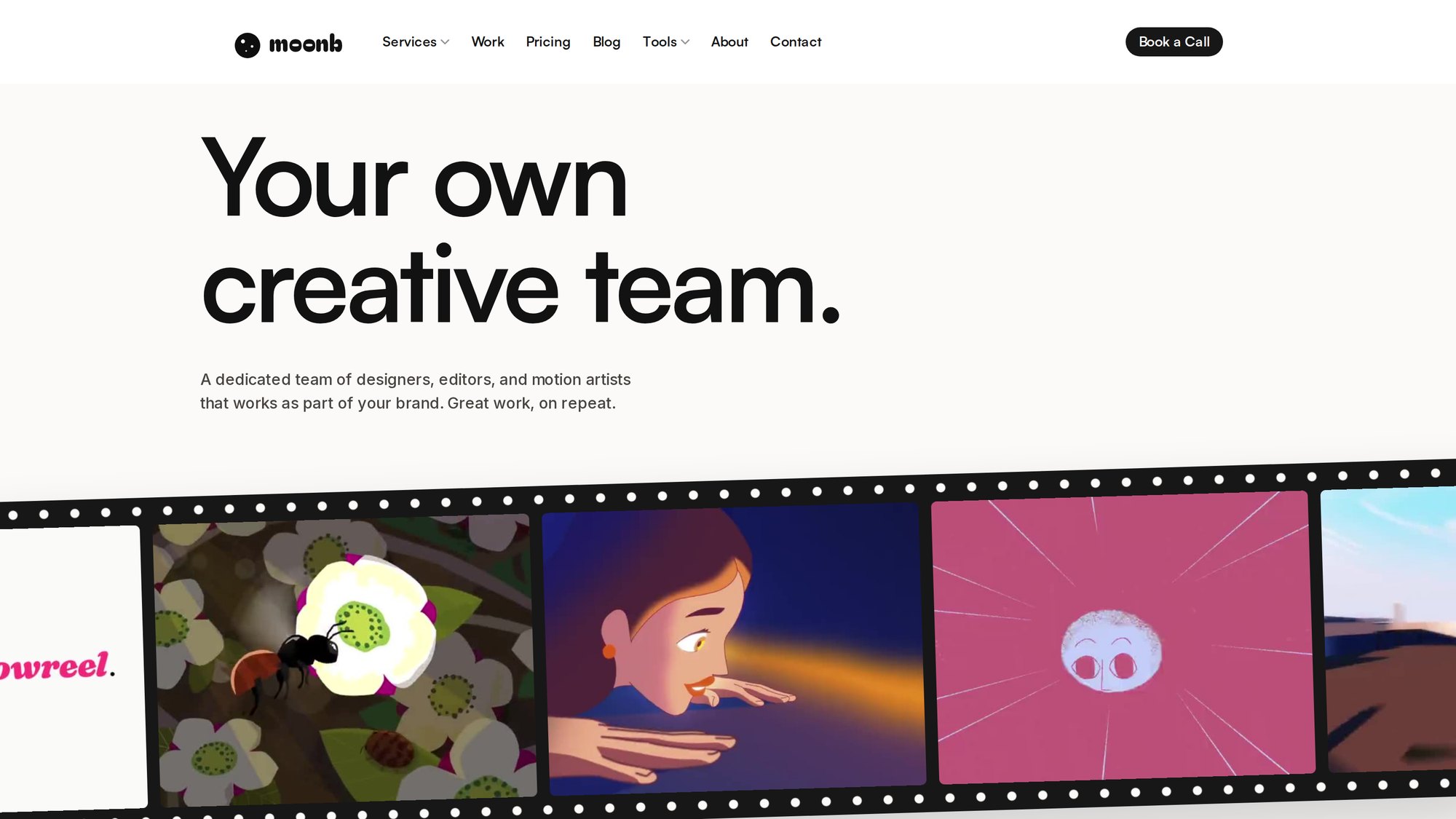
- Best for: teams that need a constant flow of video across the funnel, from explainers and demos to customer stories and social cutdowns, without building an internal department.
- Model: one set monthly rate, or a per-project quote when you have a single defined piece in mind.
- Why it stands out: the same team carries your brand across every asset, so a launch reel, its paid cutdowns, and the sales follow-up clip all match without a fresh onboarding each time.
- Worth knowing: Moonb does not run its own live-action film crews, so a large single-shoot commercial with full location production is better handed to one of the specialist studios further down this list.
More on Moonb
Pricing: one set monthly rate for ongoing work, or a per-project quote for a defined piece.
2. Superside
Superside runs a managed global creative team on a recurring plan, with video sitting alongside design, motion, and 3D as one track of a broader always-on service aimed at large marketing teams.
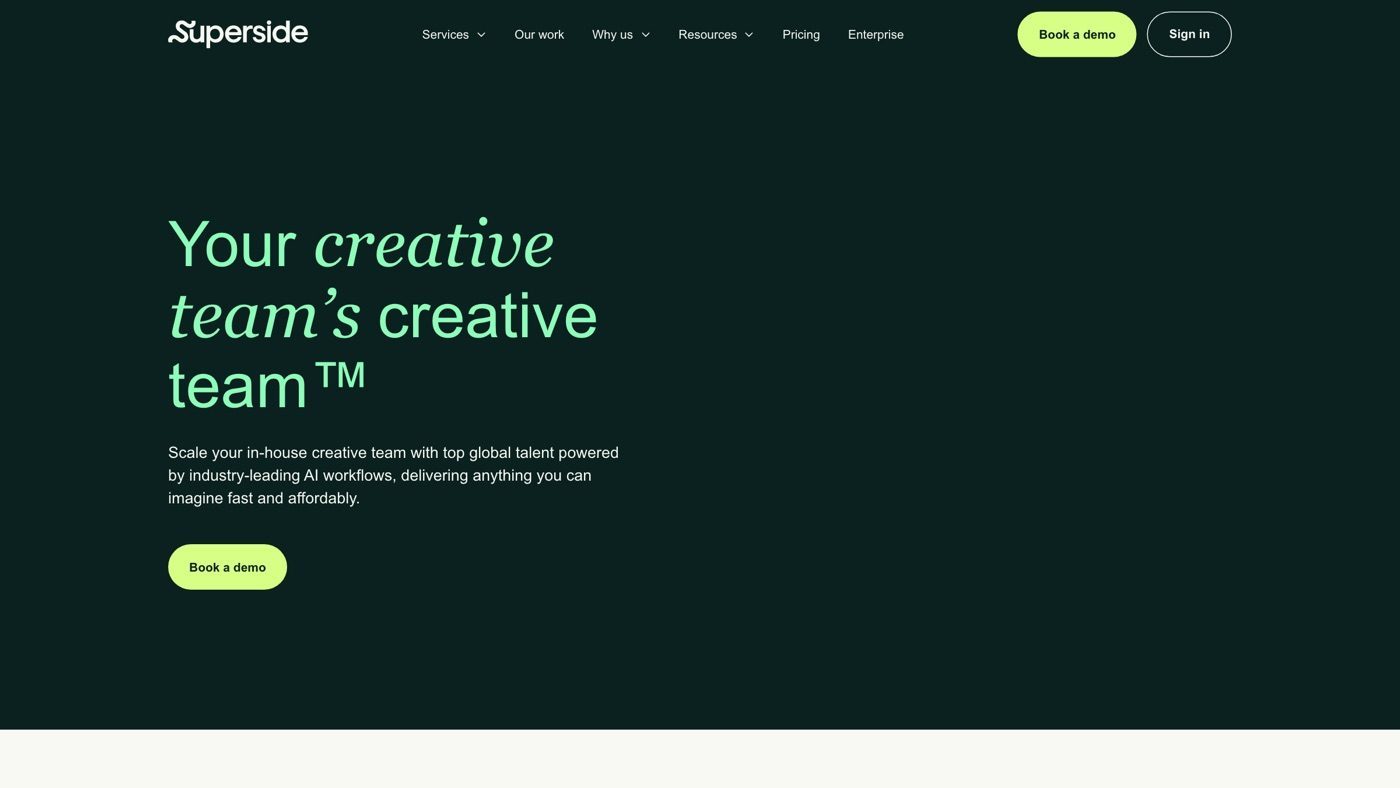
- Best for: enterprise marketing teams with a heavy, recurring creative backlog across many formats.
- Clients they name: Thomson Reuters, Bolt, Amazon.
- Model: recurring plan with a reported minimum around $15,000 a month on an annual term.
- Why it stands out: scale and speed. A global team plus a delivery platform can turn out high volumes of video and motion across every format a business buyer needs.
- Worth knowing: it is built for volume, not for a single boutique film, and the high monthly minimum rules out small teams and one-off projects.
More on Superside
Pricing: reported minimum around $15,000 per month, annual term; exact rates gated behind a demo.
3. Sandwich
Sandwich is the studio tech companies call when a launch film has to make a complicated product feel obvious, with a reputation built on category-defining explainer and launch videos.
- Best for: tech and SaaS launch films and explainers where the creative bar is the whole point.
- Clients they name: Slack, Airbnb, Square.
- Model: fixed-fee projects with a productized scope, entry point around $50,000 and climbing into six figures.
- Why it stands out: best-in-class writing and craft. They make complex products feel simple, which is the hardest thing to buy in B2B video.
- Worth knowing: premium and deliberate, with timelines that often run two to four months, so it is not the shop for fast or high-volume work.
More on Sandwich
Pricing: flat-fee projects from about $50,000 into six figures.
4. Vidico
Vidico produces polished animated explainers and product videos for tech and SaaS brands, and offers both one-off projects and monthly plans for teams that need a steadier stream.
- Best for: high-production-value explainers, product demos, and motion for growing tech companies.
- Clients they name: Spotify, Square, Zendesk.
- Model: project-based plus monthly plans from around $5,000 a month; individual projects often land between $15,000 and $25,000.
- Why it stands out: consistently sharp animation and product storytelling, with a clear focus on the SaaS buyer.
- Worth knowing: premium pricing with a floor near $5,000, so it is not built for small businesses or tight scopes.
More on Vidico
Pricing: projects roughly $5,000 to $25,000+; monthly plans from about $5,000.
5. Epipheo
Epipheo helped invent the explainer video and still does it at a high level, turning dense technical products in software, security, fintech, and pharma into clear animated stories.
- Best for: complex, technical B2B products that need to be made legible through animation.
- Clients they name: Google, Cisco, Microsoft.
- Model: project-based, reported from about $15,000 up past $200,000, with a retainer option.
- Why it stands out: a category pioneer with thousands of videos behind it, and real depth in explaining hard-to-grasp products.
- Worth knowing: a roughly $15,000 project floor, and a recent push into original entertainment that signals attention beyond pure B2B work.
More on Epipheo
Pricing: projects from around $15,000 to $200,000+, retainer available.
6. Demo Duck
Demo Duck is a Chicago studio that covers custom animation, live action, and mixed media under one roof, which makes it flexible across explainer and brand work.
- Best for: teams that want one studio for both animated explainers and live-action pieces.
- Clients they name: Rippling, GEICO, Google.
- Model: project-based, from a single video to a full campaign, typically starting around $10,000.
- Why it stands out: a decade-plus of premium explainer work with genuine range across formats.
- Worth knowing: custom project work starts near $10,000, so it is not built for tight budgets or fast, high-volume social churn.
More on Demo Duck
Pricing: custom projects, typically from around $10,000.
7. Yans Media
Yans Media specializes in animated explainer, SaaS, and product-demo videos, and it is one of the few shops in this range that publishes tiered pricing openly.
- Best for: animated explainers and product demos where you want a clear price before you commit.
- Clients they name: DoorDash, Cisco, Databricks.
- Model: tiered projects from roughly $3,500 to $20,000, with a typical range of $4,500 to $7,500 and a four to six week turnaround.
- Why it stands out: deep explainer specialization, hundreds of videos since 2012, and transparent tiers that make scoping easy.
- Worth knowing: it is an animation and explainer shop, so filmed brand films and on-location customer shoots are not its lane.
More on Yans Media
Pricing: published tiers from about $3,500 to $20,000; most projects $4,500 to $7,500.
8. Casual Films
Casual Films is a global corporate and brand video company built for large enterprises, with offices across several countries and a full concept-to-delivery service.
- Best for: enterprise brand, corporate, employer-branding, and product video that has to work across regions.
- Clients they name: Google, NBA, HSBC.
- Model: project-based, full-service, with projects commonly starting around $10,000 and running into six figures.
- Why it stands out: enterprise-grade production at global scale, with a footprint that covers shoots in multiple markets.
- Worth knowing: it is built for large marketing teams and budgets, so smaller companies will find it heavy.
More on Casual Films
Pricing: projects commonly from around $10,000 into six figures.
9. Lemonlight
Lemonlight runs a scaled, on-demand production model with transparent video packages, which makes it one of the more predictable ways to buy corporate and B2B video.
- Best for: teams that want packaged, predictably priced production across the funnel.
- Clients they name: Disney, Amazon, Google.
- Model: productized packages at set price points.
- Why it stands out: transparent package pricing and a full-funnel offering, which removes a lot of the scoping friction.
- Worth knowing: it is a package and volume shop rather than a high-touch, creative-director-led boutique.
More on Lemonlight
Pricing: fixed package price points, published by tier.
10. Shootsta
Shootsta is built for volume: it trains your own team to shoot footage, or sends an operator, then a global editor network returns polished first cuts fast on a credits-based plan.
- Best for: enterprise comms and marketing teams shipping ten or more videos a month.
- Clients they name: CBRE, AstraZeneca, Salesforce.
- Model: credits-based recurring plan, with first cuts returned in around 48 hours.
- Why it stands out: genuine video-at-scale, with tens of thousands of videos produced and editors across time zones for overnight turnaround.
- Worth knowing: it is not a white-glove cinematic film house, so a single high-end brand film handled fully by an external crew is a weaker fit.
More on Shootsta
Pricing: credits-based plans; not a fixed public rate card.
11. Bold Content
Bold Content is a London studio with a strong blue-chip B2B track record across brand films, case studies, explainer animation, and employer-brand video, all handled by an in-house team.
- Best for: enterprise B2B brands, particularly in and around the UK and Europe, that want a full-service partner.
- Clients they name: Google Cloud, Colt Technology Services, Blue Yonder.
- Model: project-based, custom quote, with no public pricing.
- Why it stands out: a deep roster of blue-chip work and a team that covers brand, case-study, explainer, and recruitment video end to end.
- Worth knowing: London-based with a bespoke model and no published pricing, so it is not the fit for a low-cost, fast turnaround or a US-local crew.
More on Bold Content
Pricing: Not publicly stated; custom quote per project.
12. Umault
Umault is a Chicago-area studio that makes bold, concept-driven B2B brand films, the kind meant to break from generic corporate video.
- Best for: flagship B2B brand films that need a strong creative idea, not just clean execution.
- Clients they name: Dell Technologies, SCAYLE, Matomo.
- Model: project-based, custom high-end production.
- Why it stands out: concept-led work, with full-service strategy and production behind it.
- Worth knowing: boutique and premium, aimed at a small number of hero videos rather than high-volume output.
More on Umault
Pricing: custom, premium project pricing; not published.
13. VeracityColab
VeracityColab is a Southern California boutique with a strong enterprise B2B track record in product-marketing video, brand films, demos, and customer stories.
- Best for: enterprise product-marketing and customer-story video from a senior, hands-on team.
- Clients they name: Intuit, simplehuman, BlackLine.
- Model: project-based, custom-quoted, with a reported floor around $10,000.
- Why it stands out: a solid enterprise B2B portfolio delivered by a small, senior team.
- Worth knowing: the team is small, so it is not the fit for always-on, high-volume production.
More on VeracityColab
Pricing: custom quotes, reported floor around $10,000.
14. Covalent
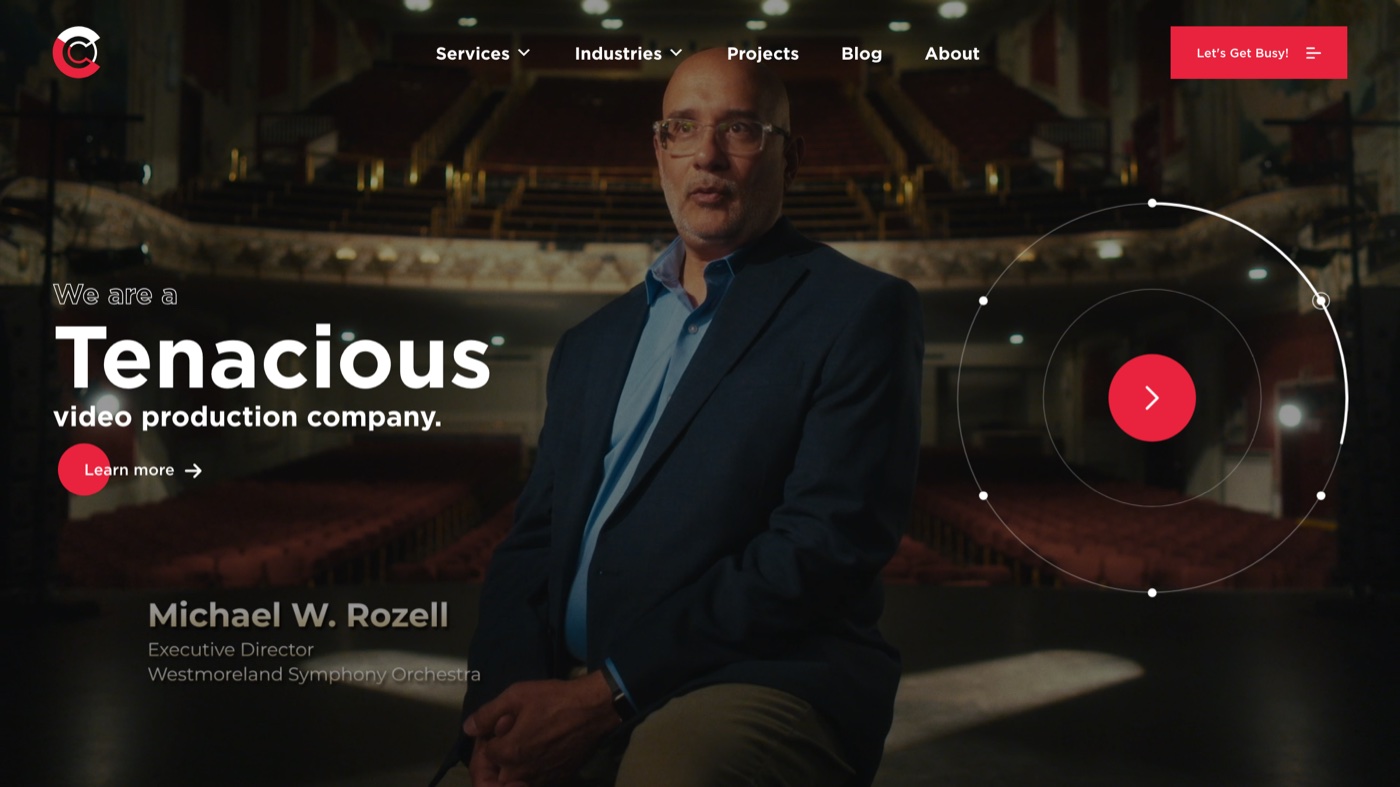
Covalent is a strategy-led B2B storytelling studio that pairs live-action brand films and customer stories with in-house animation.
- Best for: B2B brands that want strategy and story first, across both live action and animation.
- Clients they name: GoDaddy, PNC Bank, Rosetta Stone.
- Model: project-based, with a reported $5,000 minimum and most projects between $10,000 and $49,000.
- Why it stands out: a strategy-first approach and a high Clutch rating, with real range across filmed and animated work.
- Worth knowing: a small boutique team, so it is not the partner for high-volume, always-on social output.
More on Covalent
Pricing: $5,000 minimum; most projects $10,000 to $49,000.
15. Column Five
Column Five built its name on motion graphics and data-visualization storytelling, which makes it a strong pick when the B2B story is data-heavy.
- Best for: data-driven B2B stories told through motion graphics and visualization.
- Clients they name: Databricks, Vercel, HubSpot Ventures.
- Model: custom project engagements, also ongoing content-system work, with no public pricing.
- Why it stands out: turning dense, data-heavy material into clear motion and visual explainers is where they excel.
- Worth knowing: they have repositioned toward content strategy and now describe themselves as a content marketing company, so video is one capability rather than the whole business, and live-action brand films are less of a focus.
More on Column Five
Pricing: Not publicly stated; custom engagements.
16. Thinkmojo
Thinkmojo focuses on SaaS and product-marketing video, pairing creative with a clear grasp of how software companies launch and message.
- Best for: SaaS product launches and product-marketing video.
- Clients they name: Salesforce, Zendesk, Square.
- Model: consultation-based, with no public pricing.
- Why it stands out: a blend of creative and business thinking aimed squarely at software marketing.
- Worth knowing: pricing is quote-only, and the site is less actively maintained than some peers, so confirm current availability before you brief.
More on Thinkmojo
Pricing: Not publicly stated; consultation-based.
Every company, side by side
| Company | Best for | Model | Watch out for |
|---|---|---|---|
| Moonb | Ongoing multi-format B2B video without hiring | Set monthly rate or per-project quote | No in-house live-action crews |
| Superside | Enterprise volume across many formats | Recurring plan, ~$15k/mo min | Platform-mediated, annual commitment |
| Sandwich | Top-craft tech launch and explainer films | Flat-fee projects from ~$50k | Premium, 2 to 4 month timelines |
| Vidico | Polished SaaS explainers and product motion | Projects ~$15k to $25k+; plans from ~$5k/mo | Premium floor near $5k |
| Epipheo | Complex technical products, animated | Projects ~$15k to $200k+, retainer | ~$15k floor; broadening beyond B2B |
| Demo Duck | Animation and live action in one studio | Projects from ~$10k | Not for high-volume or tight budgets |
| Yans Media | Well-priced animated explainers | Published tiers ~$3.5k to $20k | Animation only, no live action |
| Casual Films | Global enterprise brand and corporate video | Full-service projects from ~$10k | Built for large budgets |
| Lemonlight | Predictable packaged production | Fixed package price points | Volume shop, less bespoke direction |
| Shootsta | Enterprise teams shipping 10+ videos a month | Credits-based recurring plan | Not a high-end cinematic film house |
| Bold Content | Blue-chip B2B, UK and Europe | Custom quote, no public pricing | UK-based, no US-local crew |
| Umault | Bold, concept-driven brand films | Custom high-end projects | Boutique, few flagship pieces |
| VeracityColab | Enterprise product-marketing video | Custom quotes, floor ~$10k | Small team, not high-volume |
| Covalent | Strategy-led film and animation | $5k min; most $10k to $49k | Small boutique team |
| Column Five | Data-viz and motion-graphics stories | Custom, no public pricing | Now a content marketing company |
| Thinkmojo | SaaS product-marketing video | Consultation-based, no public pricing | Quote-only, quieter web presence |
So which one is right for you
When a prospect tells me they need one flagship film and the creative has to carry it, I point them to Sandwich, Umault, or Covalent. If the product is complex and animation is the way to explain it, Epipheo, Vidico, Yans Media, and Thinkmojo are the specialists. If you are shipping video every week and the real problem is throughput, Superside, Shootsta, Lemonlight, or an embedded team like ours will serve you better than paying a project studio master prices for every asset. And if you want the strategy behind all of this rather than a vendor, our B2B video marketing guide and the breakdown of what B2B video costs are the next two reads.
Whatever you choose, judge a partner on how they talk about your buying committee, not just their reel. The ones I trust ask where the video will live and who owns approval before they show you a single style reference.
Frequently asked questions
It splits by model. Animated explainer specialists like Yans Media publish tiers from roughly $3,500 to $20,000 per video. Premium project studios such as Sandwich, Epipheo, and Demo Duck start around $10,000 to $50,000 and climb into six figures for flagship work. Scaled partners run recurring plans instead, from about $5,000 a month up to Superside's roughly $15,000 monthly minimum. The number moves less with shoot difficulty than with whether you are buying one polished film or steady monthly output.
Match it to volume. One or two flagship pieces a year, and a project studio is right, because you are paying for craft on a specific film. A constant stream across brand, product, and sales, and paying master prices per asset gets expensive fast, so a scaled partner or an embedded team makes more sense. The real tell is your own backlog: if you can list a quarter of video requests right now, you have a throughput problem, not a one-film problem.
I check three things before the reel. First, can they explain your buying committee back to you and what each role needs to see. Second, do they name real clients on their own site rather than borrowed logos. Third, do they ask where the video will live and who owns approval before pitching a style. A studio that jumps straight to mood boards without understanding the job tends to create a fresh onboarding cycle on every request.