AI Video Production Company: 16 Options Compared
I run a creative studio, and I get asked constantly which AI video production company to trust. Here are 16 real options, what each one actually is, and where AI helps versus where you still need a human.

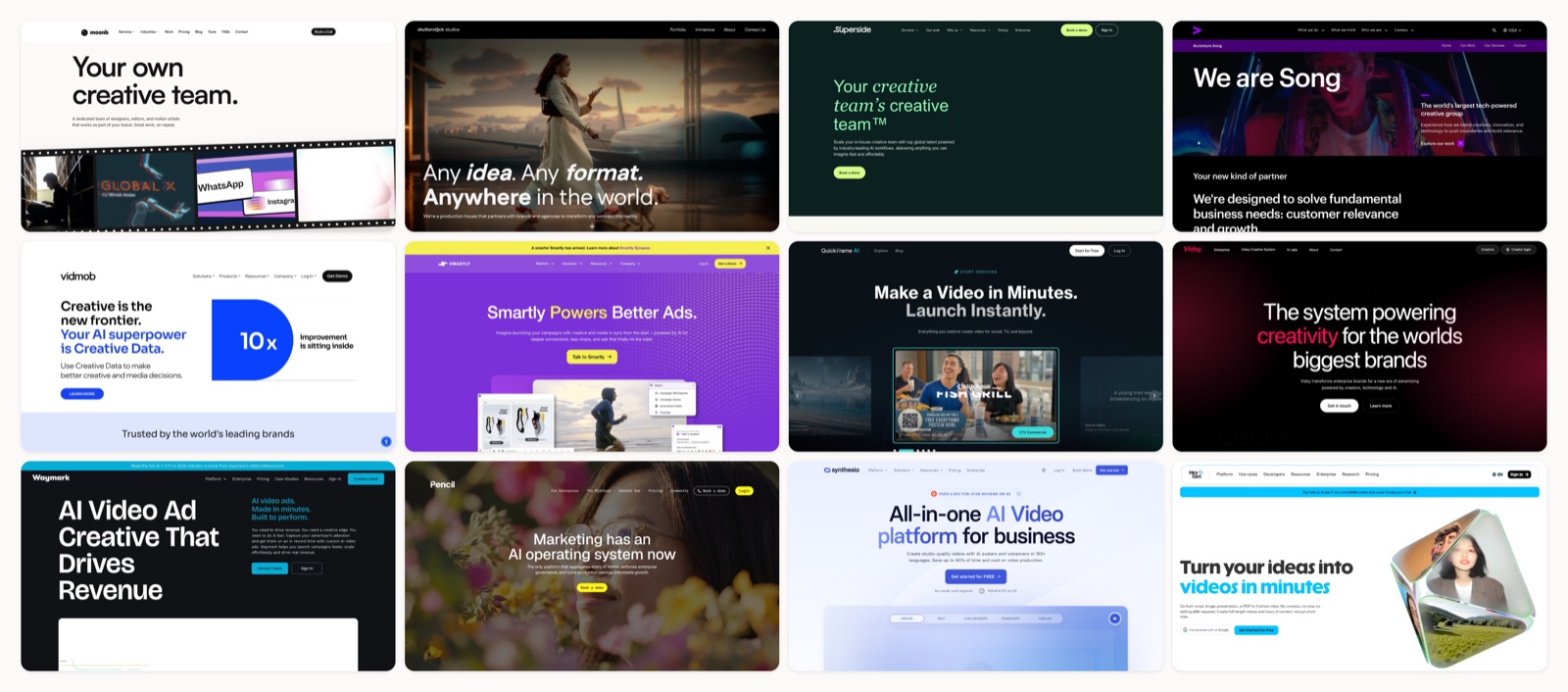
I run a creative studio, and “AI video production company” is one of the most confusing phrases my clients bring me. The label covers at least three different businesses depending on who is selling. Some vendors point a model at a rough prompt and hand back a clip. Some run human production teams that use AI to move faster. Others sell software you drive yourself. I built this list because I keep getting asked which of these actually fits a marketing team, and the real answer depends on what you are trying to make.
One caveat before the names. The idea that a text prompt returns a brand-ready, legally clean, on-message video still falls apart the moment you need tone, approvals, and a story that holds together. One production source puts it plainly: companies cannot presently use generative AI to create finished-quality video without real legal and quality risk, as Crews Control lays out in its breakdown of AI generation versus traditional editing. So the options I rate highest treat AI as a tool inside a human process, not a substitute for one.
How I compared these. I looked at what each company actually is (a studio, a platform, or a managed service), where AI sits in the workflow, how much human direction you get in the deal, and the kind of work it suits. I am the founder of Moonb, so I put us first, and I will tell you plainly where we fit and where we do not.
Before the list, this short film from School of Motion is worth twenty minutes if you want to see how AI is really changing the craft rather than the marketing version of it.
1. Moonb
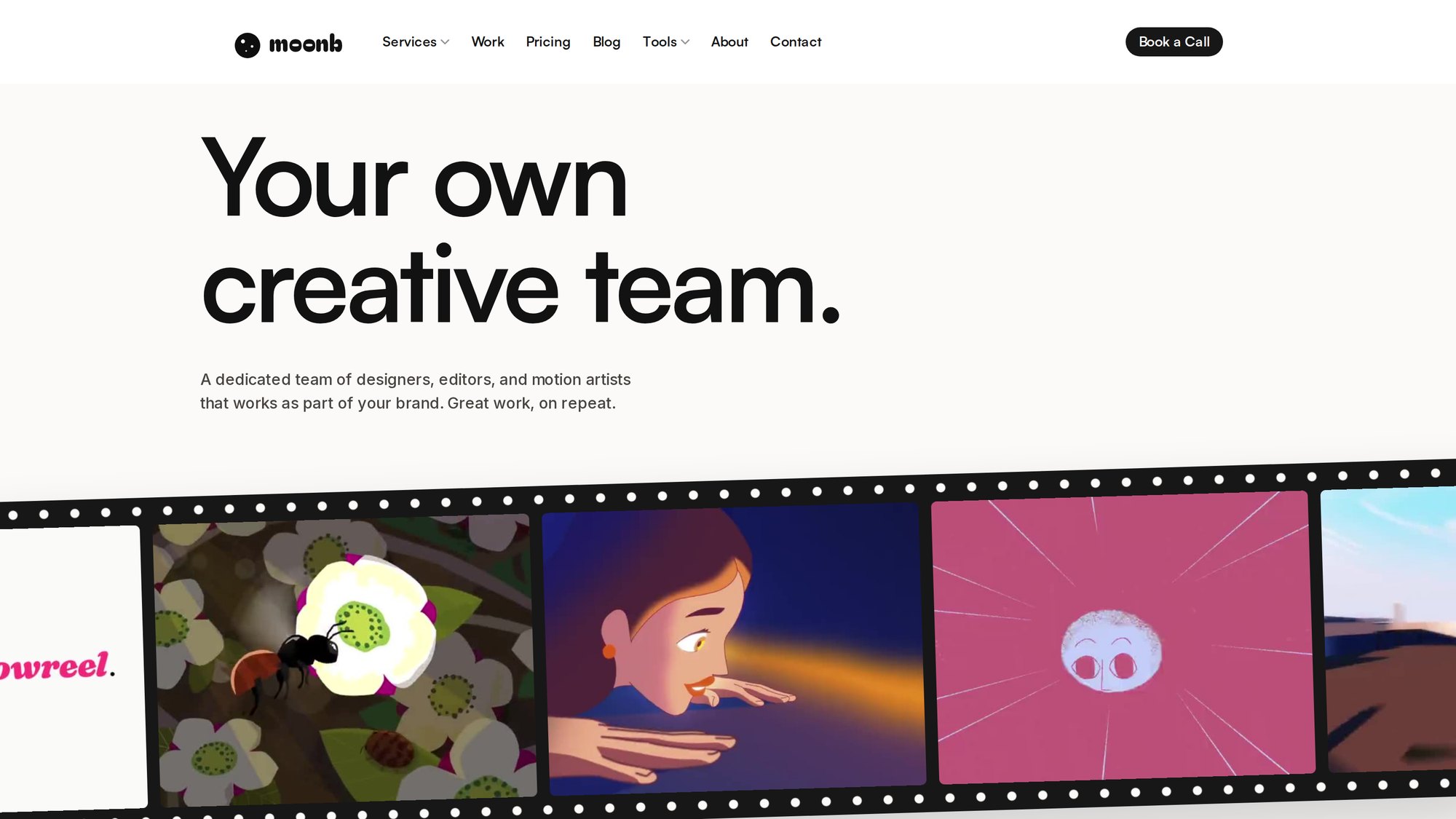
Moonb is an embedded creative team. You get senior creative directors leading video, motion, and design work on a steady rhythm, and you get the same people cycle after cycle so they learn your brand instead of relearning it every brief. AI lives inside our process for drafts, versioning, and the repetitive production steps that eat hours, but a person still owns the message, the pacing, and the final call. I built the studio this way because most marketing teams I meet do not need more raw output. They need better decisions made faster, and someone accountable when the work has to be right.
Best for: B2B marketing teams that want steady weekly video and motion with a real creative lead in the loop, not a prompt box.
2. Shutterstock Studios
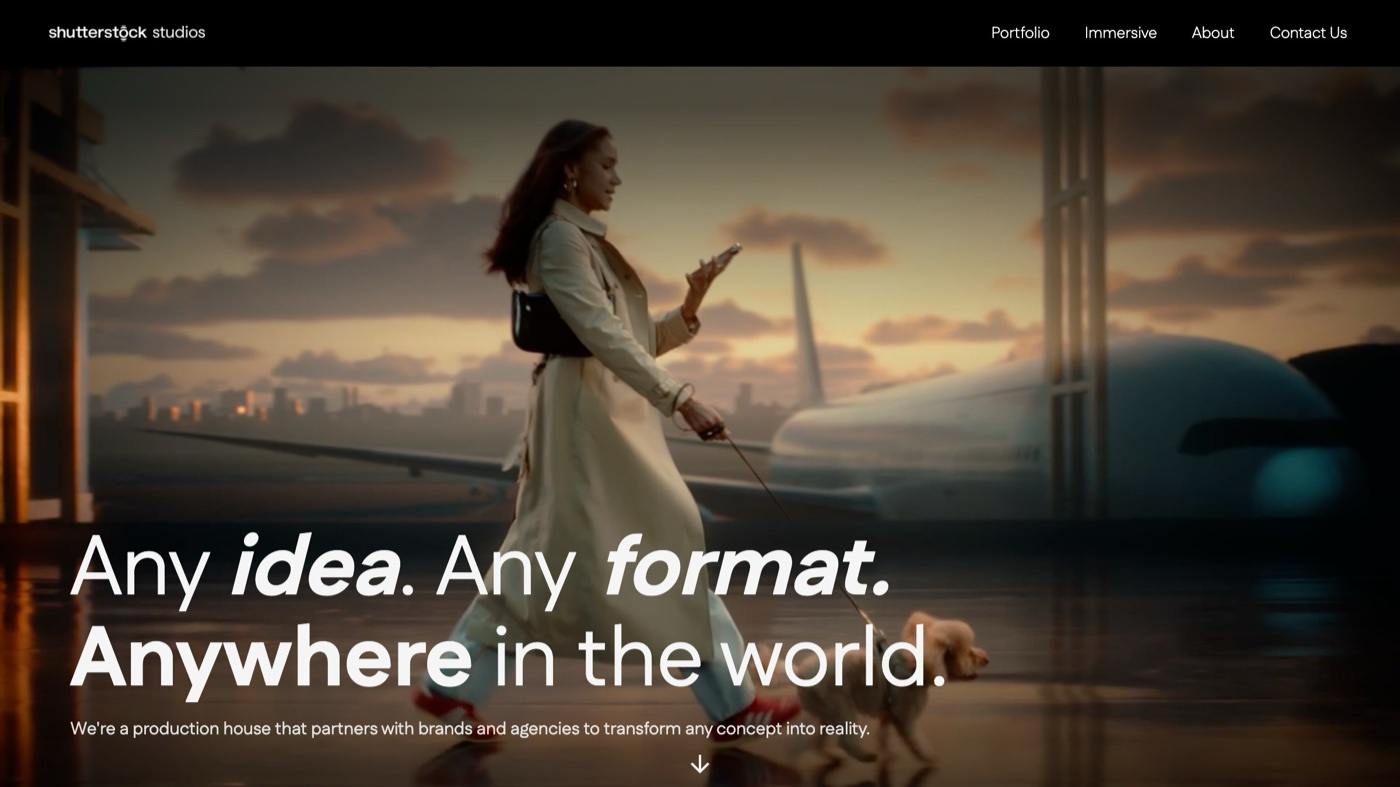
Shutterstock Studios pairs a full production operation with licensed media libraries and generative tooling, which matters more than it sounds. When rights, provenance, and content clearance are part of your risk picture, having that already baked into the vendor removes a lot of legal ambiguity. This is a bigger operation built for brands that want live action, post, and rapid variants under one roof rather than a boutique feel.
Best for: Enterprise teams that want end-to-end production plus AI-assisted concepting from a partner with a clear rights position.
3. Spear Growth
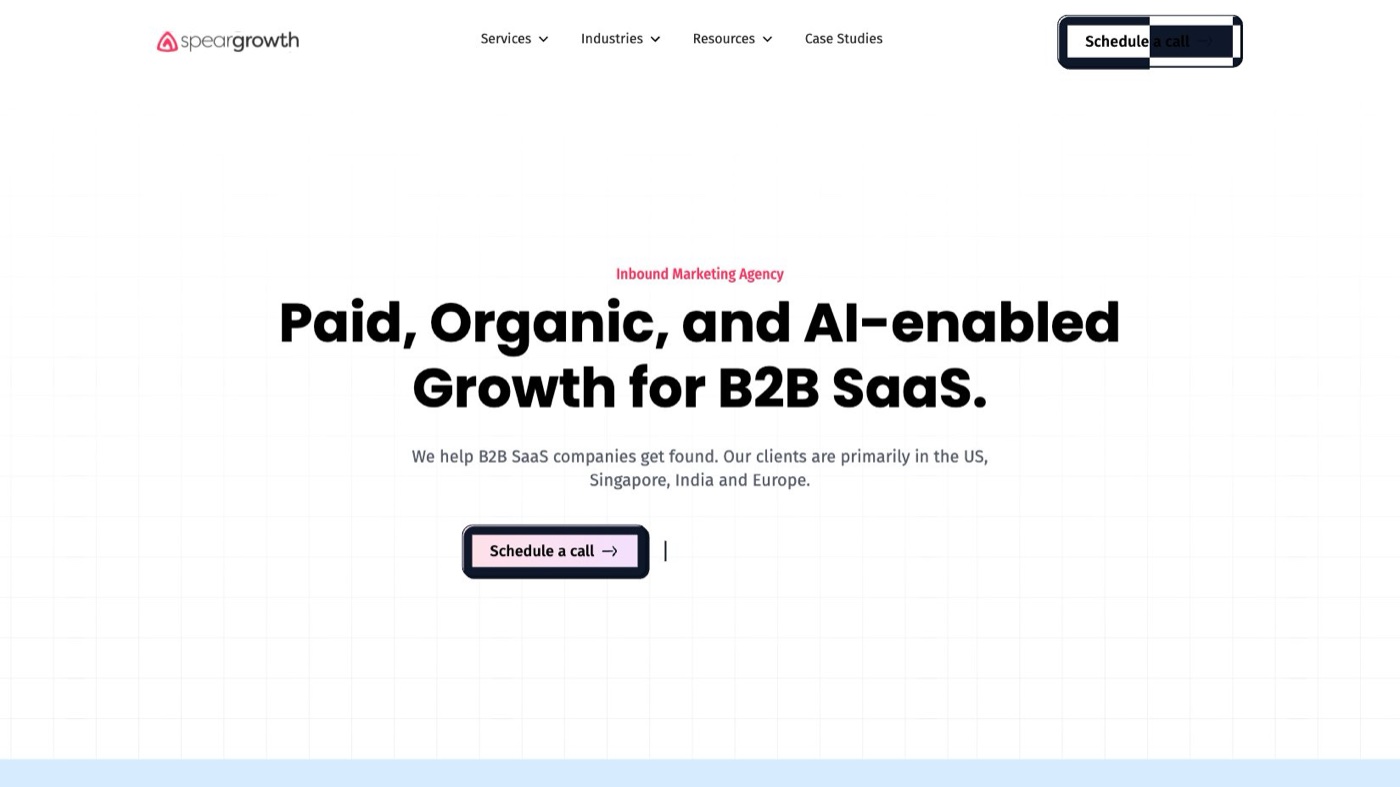
Spear Growth is an AI video agency aimed squarely at B2B SaaS, making demo videos, explainers, and LinkedIn ads with a small team that covers scripting, animation, and voiceover. The pitch is speed and price: around five business days per video, from $300, and no retainer, so you buy videos one at a time instead of committing to a program. Scripts come from marketers who work in SaaS all day, which shows in how the videos argue a product case. Live-action and broadcast work are out of scope, so treat it as the AI-animation lane on this list.
Best for: SaaS teams that want demo, launch, and LinkedIn videos quickly without a five-figure production budget.
4. Superside
Superside is a managed creative service with a large distributed talent pool and an AI-assisted delivery layer across design, video, and ad creative. The pitch is volume with a predictable process, and for high-throughput creative teams that need many assets moving at once, it delivers on that. The trade-off is what you would expect from scale. The model favors coverage over a single director who knows your brand deeply, so heavy narrative or brand-film work can feel less bespoke here.
Best for: Marketing teams that need a high volume of design and ad creative through one managed pipeline.
5. Accenture Song
Accenture Song is built for scale in the organizational sense, not just the output sense. Its real value is helping large companies design content operations that use AI without losing governance across regions, business units, and regulated categories. If your problem is coordinating brand, legal, and regional marketing at the same time, that structure is worth more than any single hero video. The trade-off is a slower start and a footprint that smaller teams rarely need.
Best for: Large organizations running complex, multi-market programs that need governance built in.
6. VidMob
VidMob combines managed creative production with creative intelligence, so it does not just make ad assets. It also connects the elements inside those assets to how they perform. That feedback loop is the point. For paid social and performance teams living on iteration, seeing which creative choices move outcomes is more useful than another batch of clips. It is less suited to narrative or brand-film work, where the measurement layer has little to grab onto.
Best for: Paid media teams running ongoing video ad programs who want performance data tied to creative.
7. Smartly
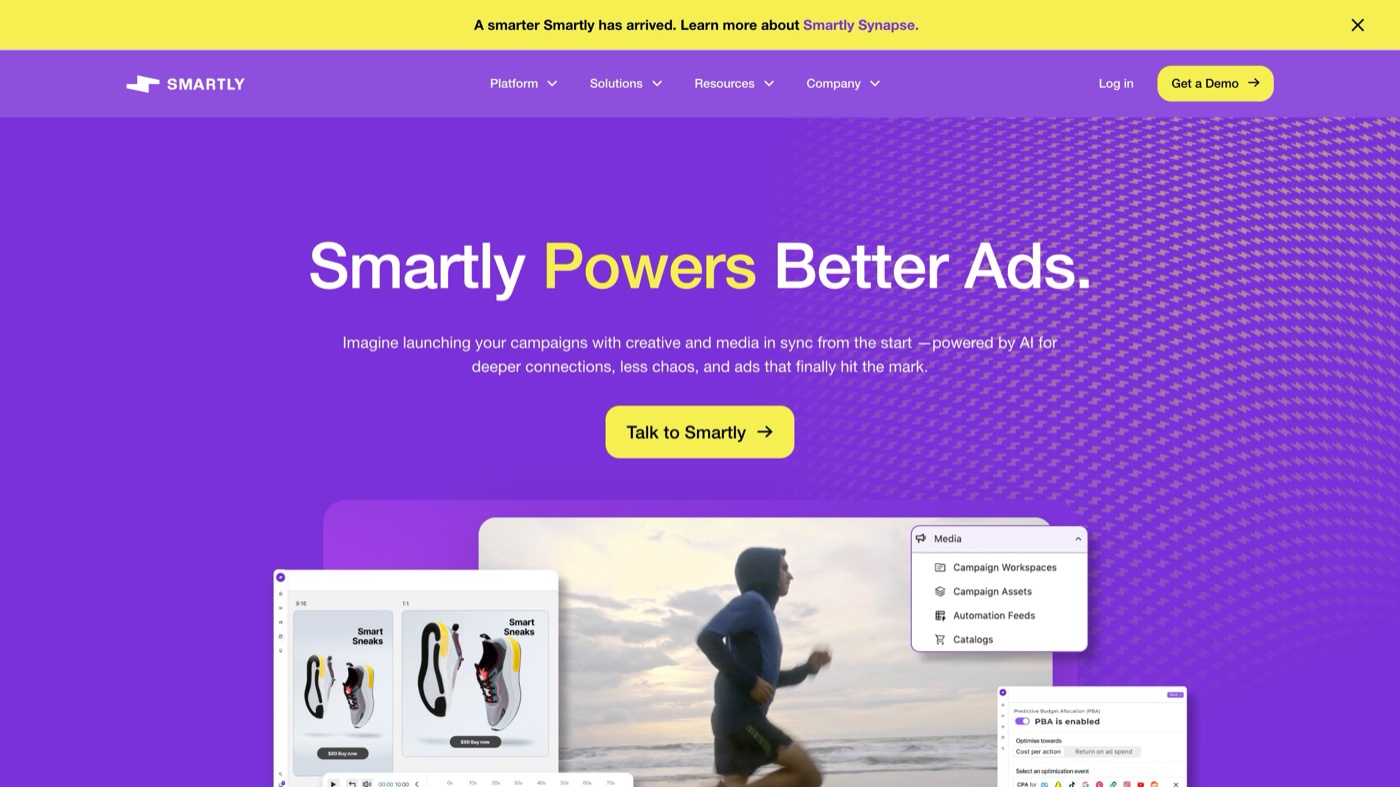
Smartly sits at the intersection of creative production and media buying, which is exactly why high-volume advertisers use it. When a campaign is live across five channels and each one needs its own cuts, formats, and localized versions, Smartly keeps the specs and variants coordinated instead of scattered. AI handles the repetitive variation while your team sets strategy and reviews. If the assignment is a brand anthem rather than a campaign matrix, this is not where I would start.
Best for: Enterprise paid media teams producing many video variants tied closely to media delivery.
8. QuickFrame by MNTN
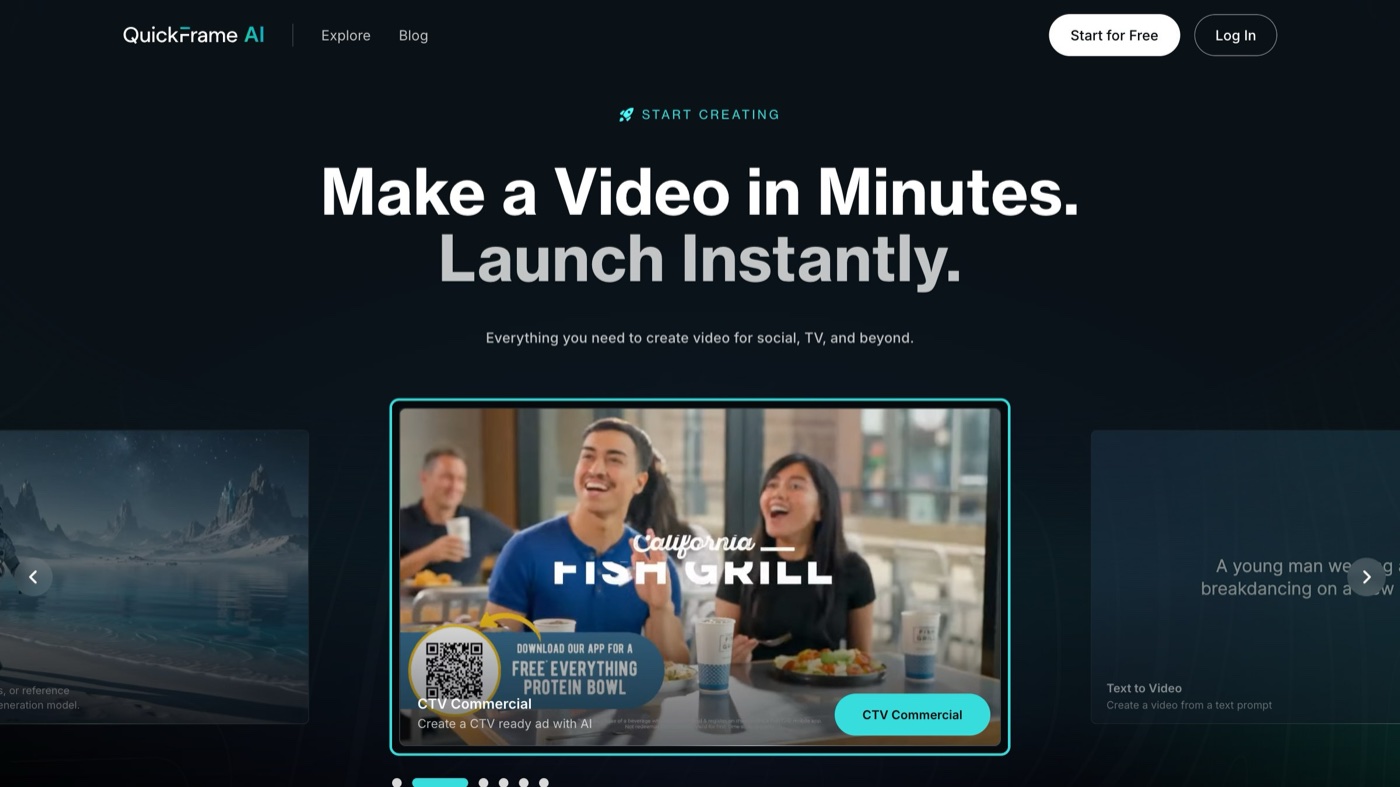
QuickFrame runs a managed network of vetted video makers, and being part of MNTN puts connected TV at the center of the pitch. For marketers running both social and CTV, that bridge from brief to draft to distribution reduces handoffs. It works best when the asset type is well defined and speed matters more than a single directorial vision, so it suits ad velocity rather than custom filmmaking.
Best for: Teams producing on-brand ads quickly across social and connected TV.
9. Vidsy
Vidsy solves a specific tension. Native social content works because it does not feel overproduced, but most enterprise brands still need guardrails and approvals. Its curated creator network plus workflow management keeps short-form content feeling platform-native without drifting off brand. This is not a partner for long-form narrative or live-action production. It is a strong fit for brands that need many social variations that read as real rather than studio-stiff.
Best for: Enterprise brands producing creator-led short-form social content at volume.
10. Waymark
Waymark generates broadcast-ready video ads from a business’s existing information, and it is aimed squarely at local advertising, agencies, and media companies producing spots at scale. Feed it a website or business details and it assembles a spot fast. Be clear about the ceiling: this is templated commercial production, excellent for local and repeatable ad formats, not the tool for a considered brand piece. Within its lane it removes a real bottleneck.
Best for: Local advertisers and media sellers making many broadcast-style spots quickly.
11. Pencil
Pencil, now part of the Brandtech group, is an AI ad generation platform built for performance advertisers who want to produce and predict creative at speed. It leans on generative tooling to spin out ad variants and forecast how they might perform before spend. That makes it useful for teams treating creative as a testing input rather than a finished statement. As with any generative ad tool, the output still wants human review before it represents your brand publicly.
Best for: Performance teams generating and pre-testing large volumes of ad creative.
12. Synthesia
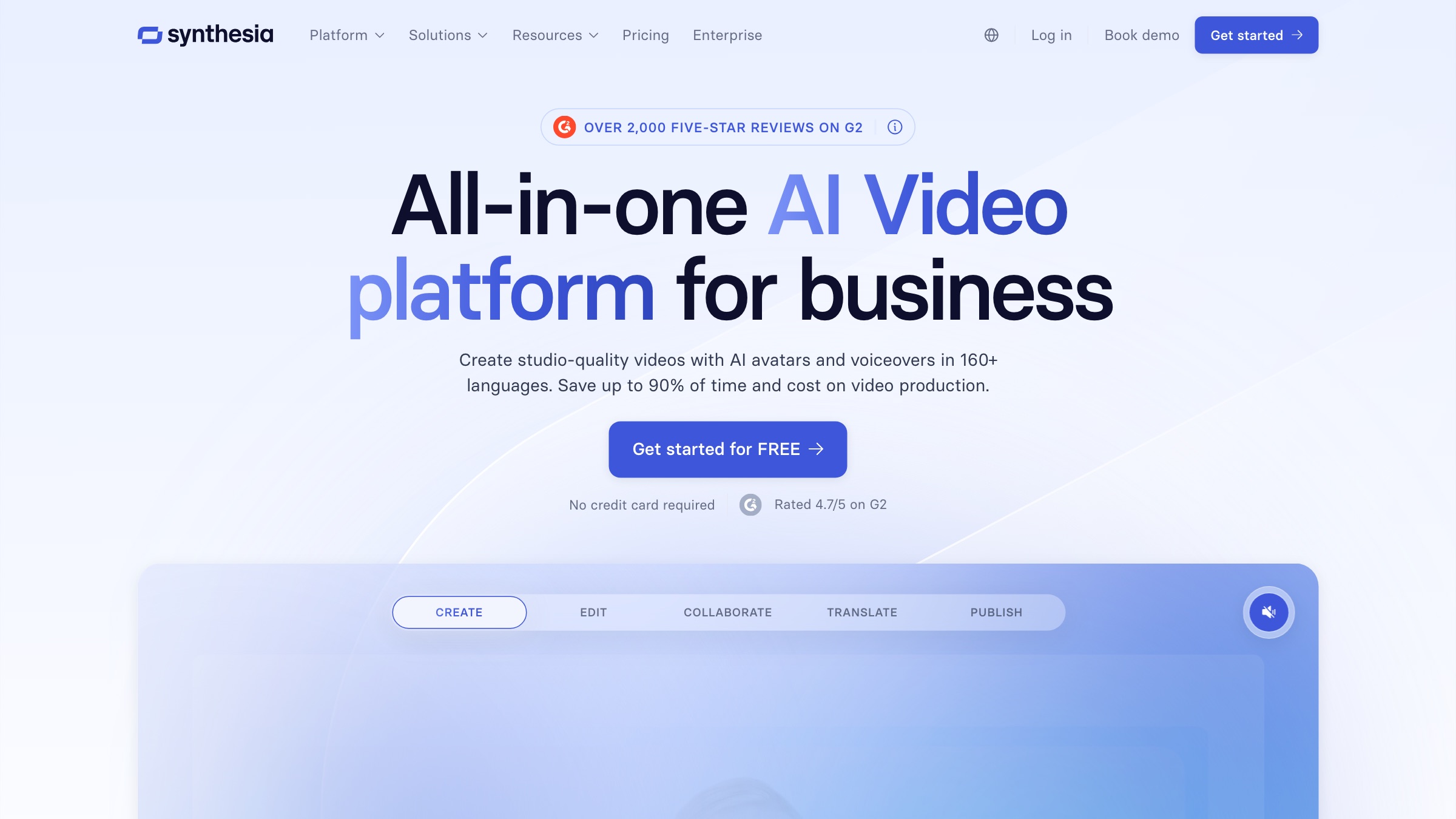
Synthesia is the most established name in avatar-led video, and it is built for scale in training, onboarding, support, and repeatable explainers. If you update scripts often, localize into many languages, and need presenter-style videos to stay consistent, it solves a real production problem. I would not reach for it when emotion or premium brand feel is the point, because avatars still read as stiff in high-stakes storytelling. In its lane it is very effective. For a wider look at the category, my team’s Synthesia alternatives rundown is a fair starting point.
Best for: Training, onboarding, and multilingual presenter-style video that changes often.
13. HeyGen
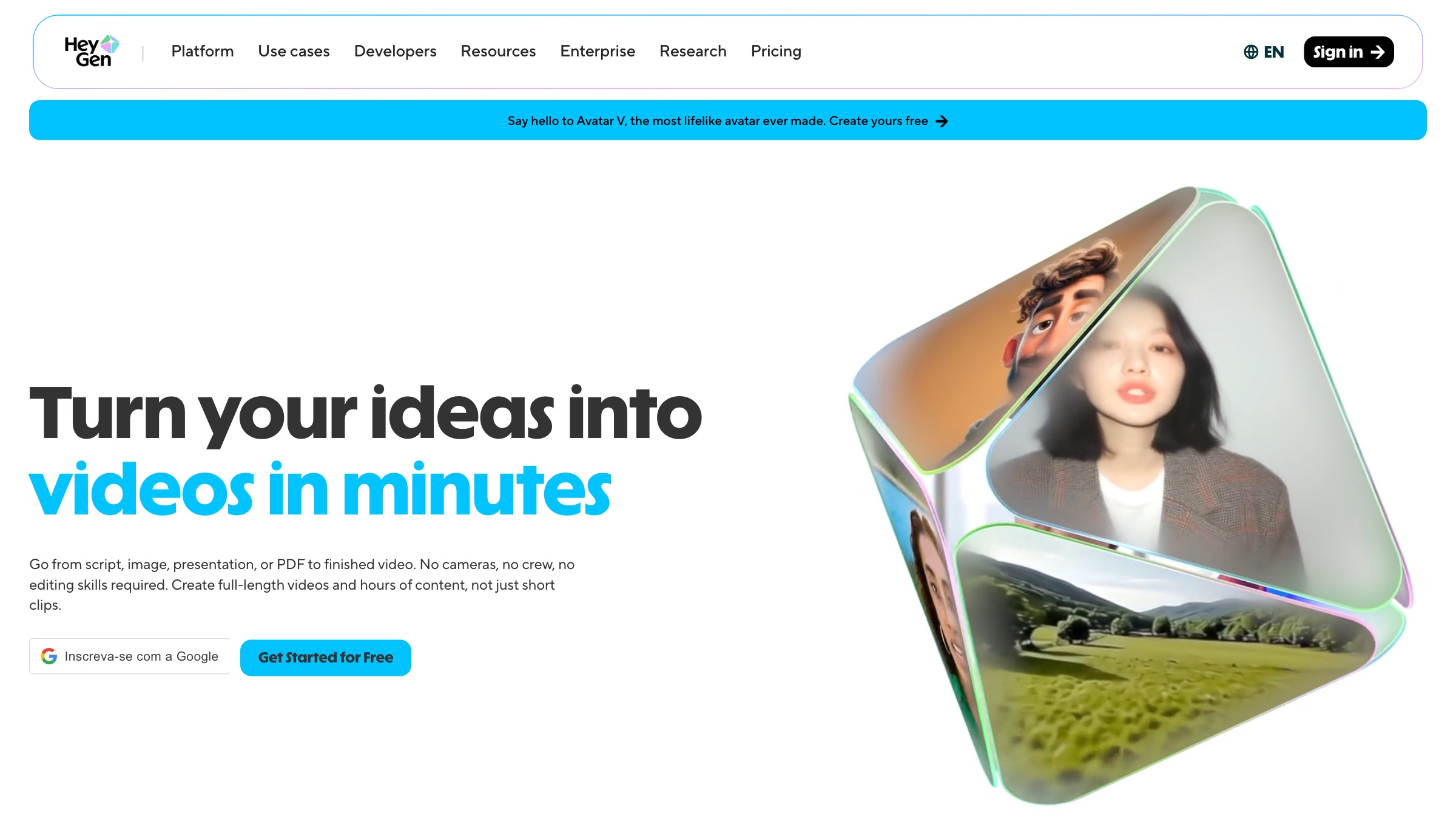
HeyGen is the avatar platform that broke through on social virality, with fast avatar creation, voice cloning, and translation that feels a step ahead on realism. It is more self-serve and creator-friendly than the enterprise-first players, which makes it popular for quick personalized video, sales outreach, and localized clips. The same caution applies as with any avatar tool. It is built for talking-head content, so it does not replace filmed talent or motion craft when nuance matters.
Best for: Marketers and creators who want fast, realistic avatar and translated video without a production team.
14. Colossyan
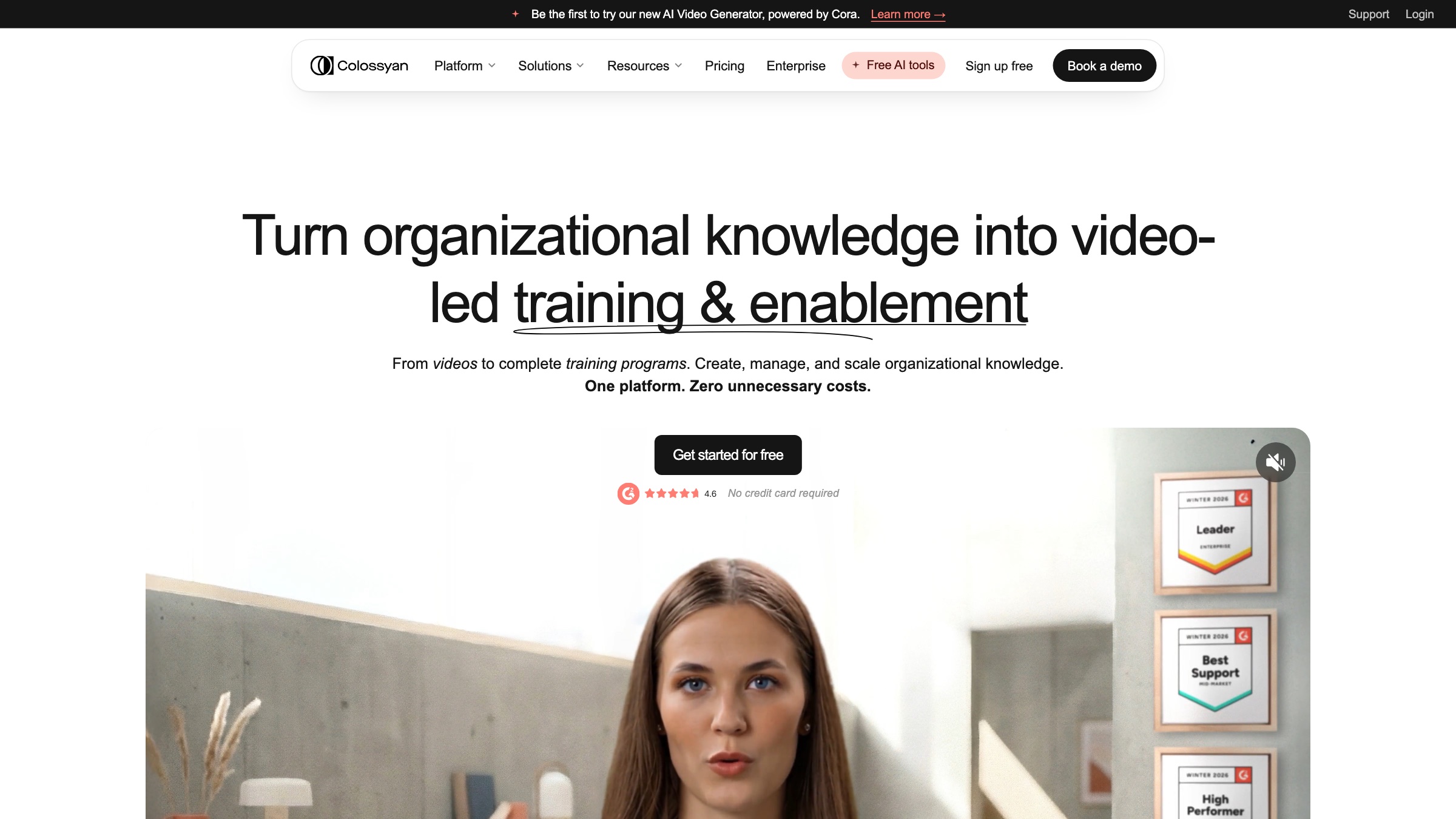
Colossyan is an avatar video platform tuned toward learning and development, with features aimed at turning documents and slides into training videos and at keeping content consistent across a large catalog. If your job is workplace learning content that needs frequent updates and multiple languages, it fits that shape well. It sits in the same family as Synthesia, so the choice between them usually comes down to which editor and template set your team prefers.
Best for: L&D and internal comms teams building and updating training video at scale.
15. Runway
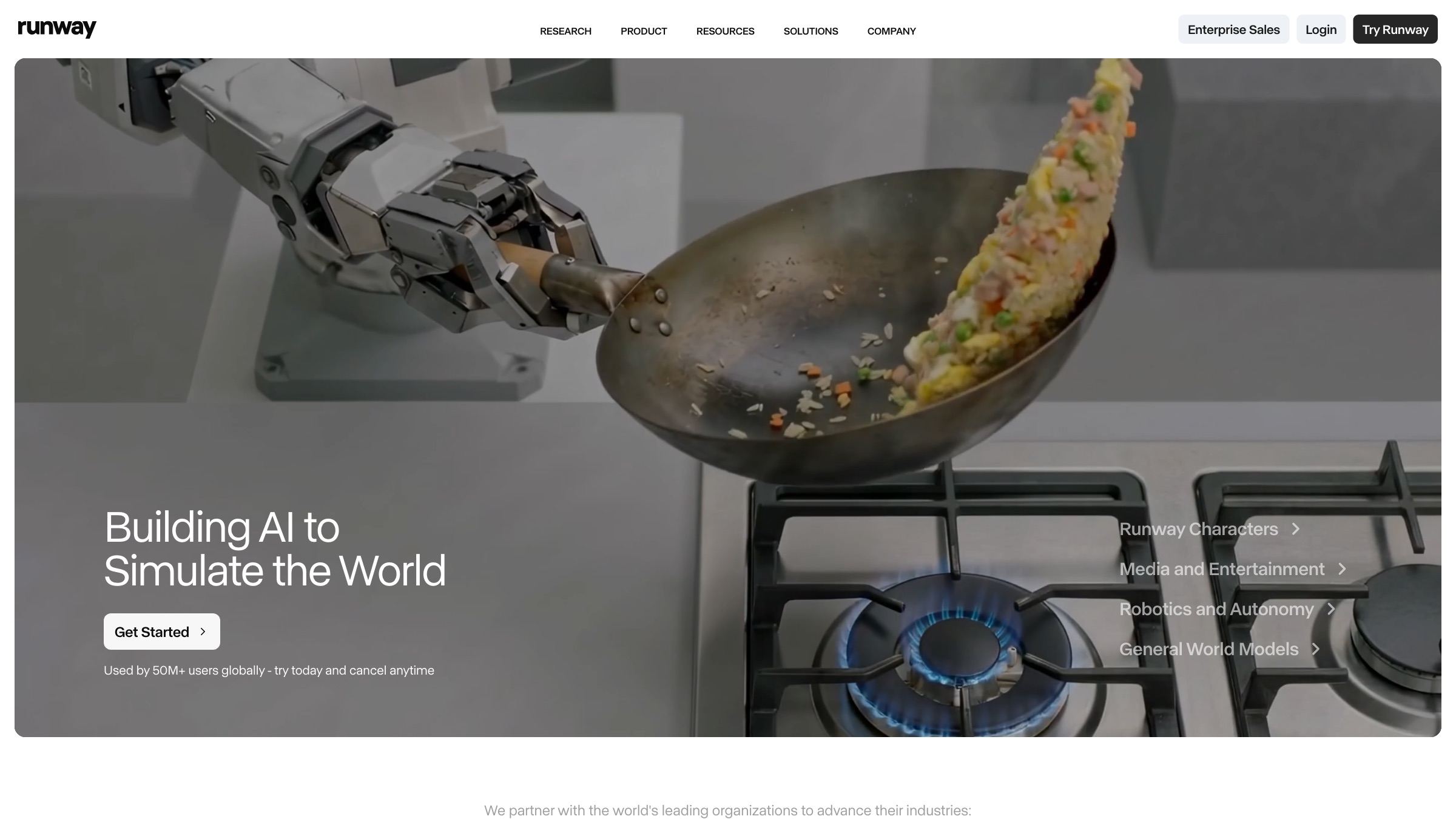
Runway is a different animal from most of this list. It is a generative video model and creative suite, not a managed service. Its tools let you generate and manipulate footage from text and images, and its strength is experimentation, mood, and effects that used to require serious VFX time. I use tools like this for concepting and for shots that would otherwise be impossible on a timeline. It is a capability, not a finished-video vendor, so results still depend heavily on the person driving it.
Best for: Creative teams and filmmakers who want generative footage and VFX as part of a hands-on workflow.
16. Vyond
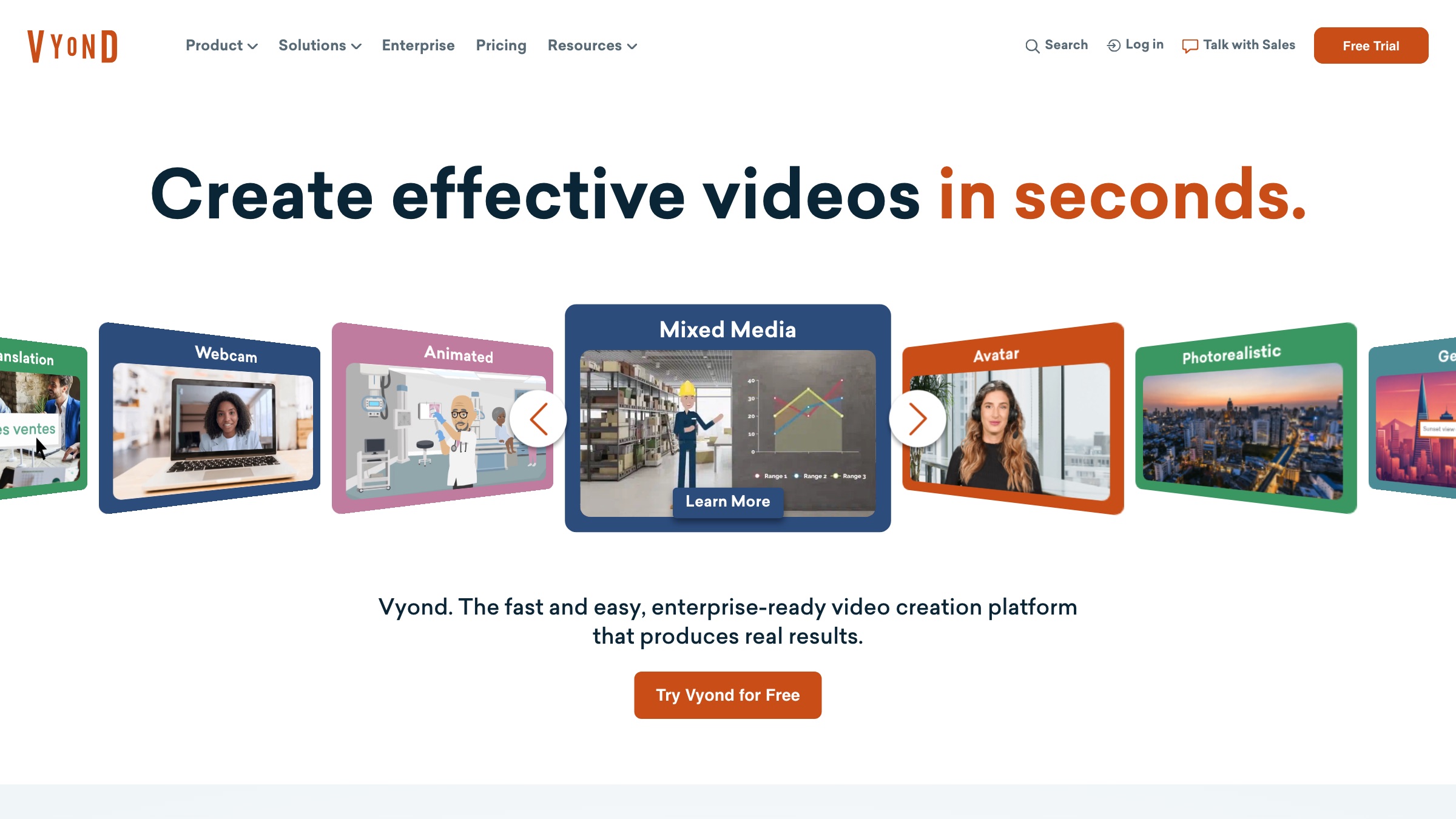
Vyond is an animation platform, long used for explainer and internal video, now with AI-assisted script-to-video features layered on top. It is approachable for non-designers who need character-driven animated content without hiring an animator. The output has a recognizable house style, which is fine for training and internal communication and less ideal when you want a distinctive branded look. For teams that value speed and self-service over bespoke animation, it earns its place.
Best for: Teams making animated explainers and internal video without an animation team.
How the main options compare
Here are all fifteen side by side, so you can see what each one actually is before the sales call frames it for you.
| Company | What it actually is | Where AI sits | Best for |
|---|---|---|---|
| Moonb | Embedded creative team with senior directors | Speeds drafts and production, humans own the message | Steady weekly branded video and motion |
| Shutterstock Studios | Full-service studio with licensed media | Concepting and variants, clear rights position | Enterprise concept-to-post production |
| Spear Growth | AI video agency for B2B SaaS, per-video pricing | AI-led animation and voiceover, marketers write the scripts | Fast demo and LinkedIn videos on small budgets |
| Superside | Managed creative service, large talent pool | Assists a high-throughput delivery pipeline | High-volume design and ad creative |
| Accenture Song | Enterprise content-operations partner | Governed AI across regions and business units | Complex multi-market programs needing governance |
| VidMob | Managed production plus creative intelligence | Links creative elements to performance data | Ongoing paid social testing |
| Smartly | Creative production plus media buying | Automates repetitive variant production | Many video variants tied to media delivery |
| QuickFrame by MNTN | Managed maker network tied to CTV | Speeds brief-to-draft and versioning | Fast social and connected-TV ads |
| Vidsy | Curated creator network with workflow control | Keeps short-form output platform-native and on brand | Creator-led short-form social at volume |
| Waymark | Automated ad maker for local and media sellers | Assembles spots from business info | High-volume local broadcast-style spots |
| Pencil | AI ad generation platform | Generates and pre-tests ad variants | Performance teams testing ad creative at volume |
| Synthesia | Avatar video platform, enterprise-first | Generates presenter video from scripts | Training and multilingual explainers |
| HeyGen | Self-serve, creator-friendly avatar platform | Fast avatars, voice cloning, translation | Quick realistic avatar and translated clips |
| Colossyan | Avatar platform tuned for learning and development | Turns documents and slides into training video | L&D and internal comms video at scale |
| Runway | Generative video model and creative suite | Generates footage and VFX from prompts | Hands-on concepting and effects |
| Vyond | Animation platform with AI script-to-video | Assists script-to-video animation | Animated explainers and internal video |
How I would actually choose
Start with the job, not the demo. A slick avatar or an instant text-to-video reel is easy to fall for in a sales call, and it tells you almost nothing about whether the work will hold up in front of your audience.
If your need is weekly paid social testing, pick a partner built for volume and iteration. If it is executive messaging, explainers, or recurring B2B content, you want editorial judgment and tight brand control, which points toward a team with real creative direction rather than a generation tool. Global versioning adds process and approvals on top of either.
The question I would ask every vendor is not whether they use AI. It is where a human takes over. Good teams use AI for the parts that benefit from speed, and they keep a person on the idea, the taste, and the trade-offs that make work land. That is the model I built Moonb around, and it is the one I would trust with anything that carries your brand into public.
Frequently asked questions
An AI video production company delivers finished work with people involved: a studio or managed service that uses AI to move faster while creative directors own the outcome. An AI video tool is software you drive yourself, like Runway for generative footage or Synthesia for avatars. The tool hands you a capability; the production company hands you a result and takes responsibility for it. Which you want depends on whether you have the time and taste in-house to finish the work.
With review, often yes; without it, be careful. Generative output can carry rights, likeness, and accuracy issues, and some sources warn it is not yet safe to ship finished-quality AI video unchecked. For local ads or internal training the risk is low and the speed is worth it. For public brand campaigns, keep a human reviewing tone, claims, and clearances before anything goes live, and ask any vendor directly about their rights and disclosure policies.
Choose a creative team when the work needs judgment: brand films, executive messaging, launch assets, or any recurring B2B content where consistency and taste matter more than raw volume. A platform is the better call when you need many near-identical variants fast, such as local spots or performance ad tests. If you find yourself fixing AI output every week or explaining your brand from scratch on each brief, that is usually the sign you want an embedded team rather than another tool.